
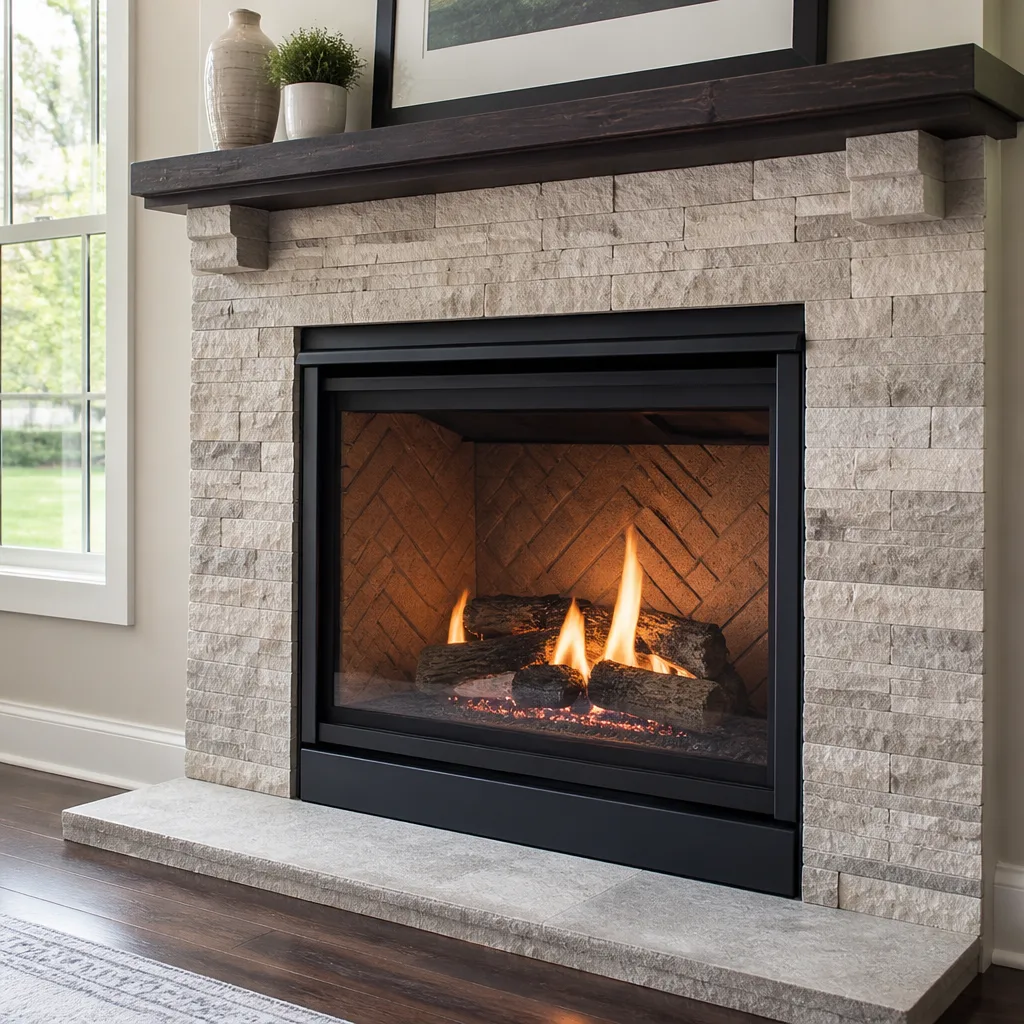
 Gas fireplace service
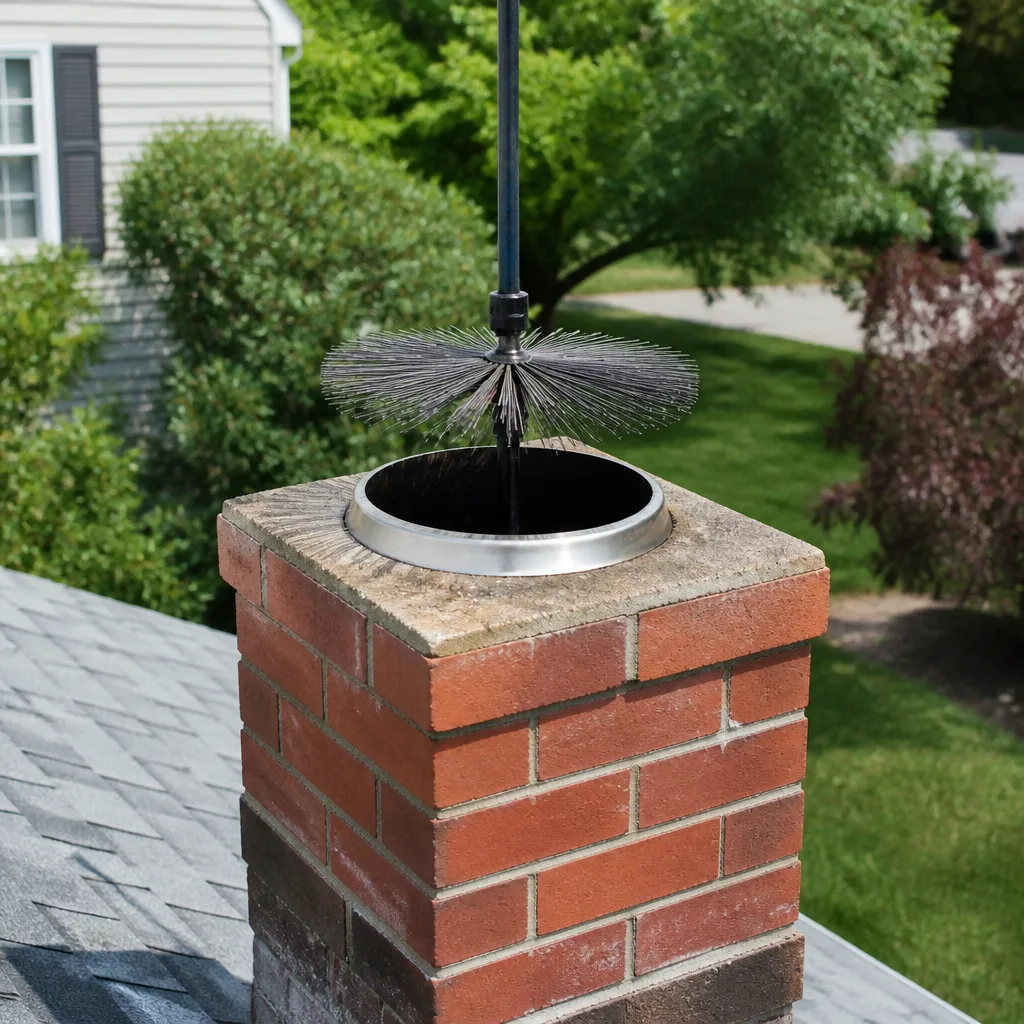 Sweep & inspection
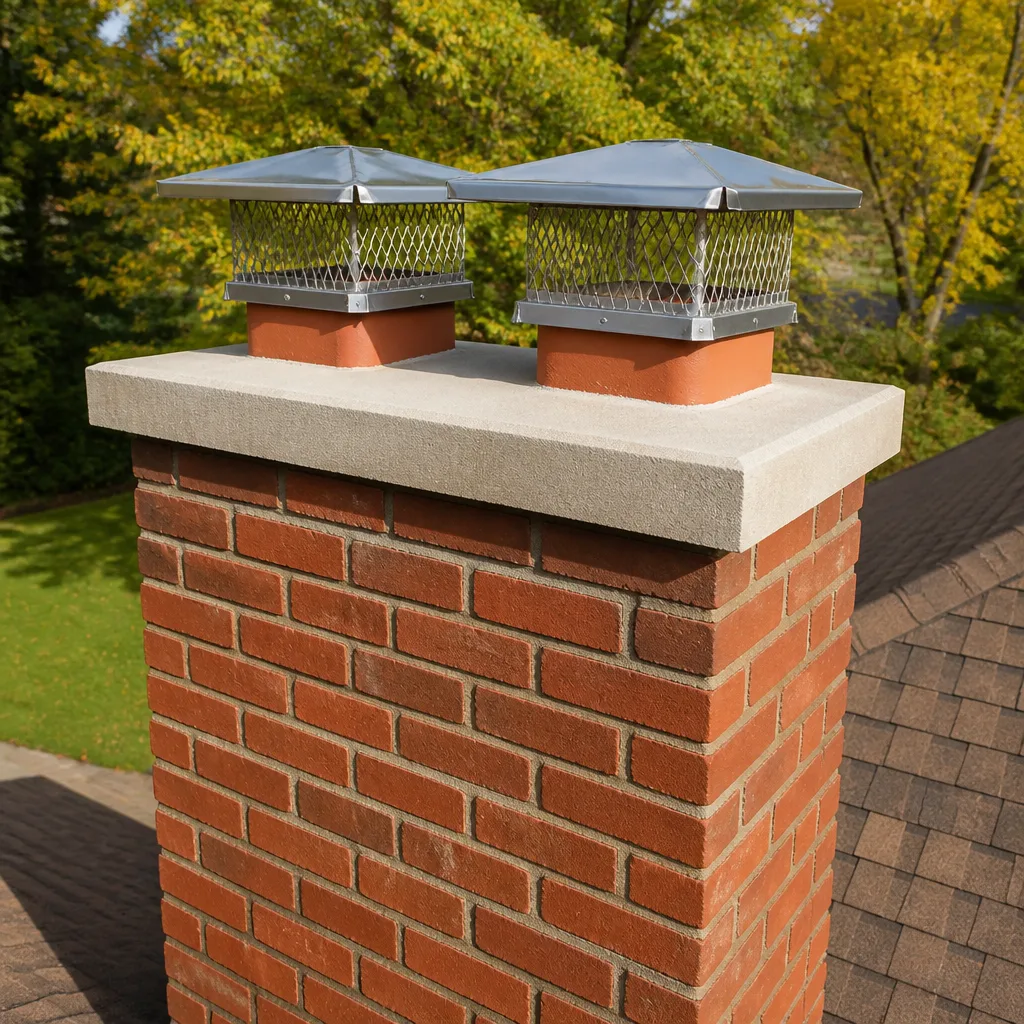 Caps & crowns
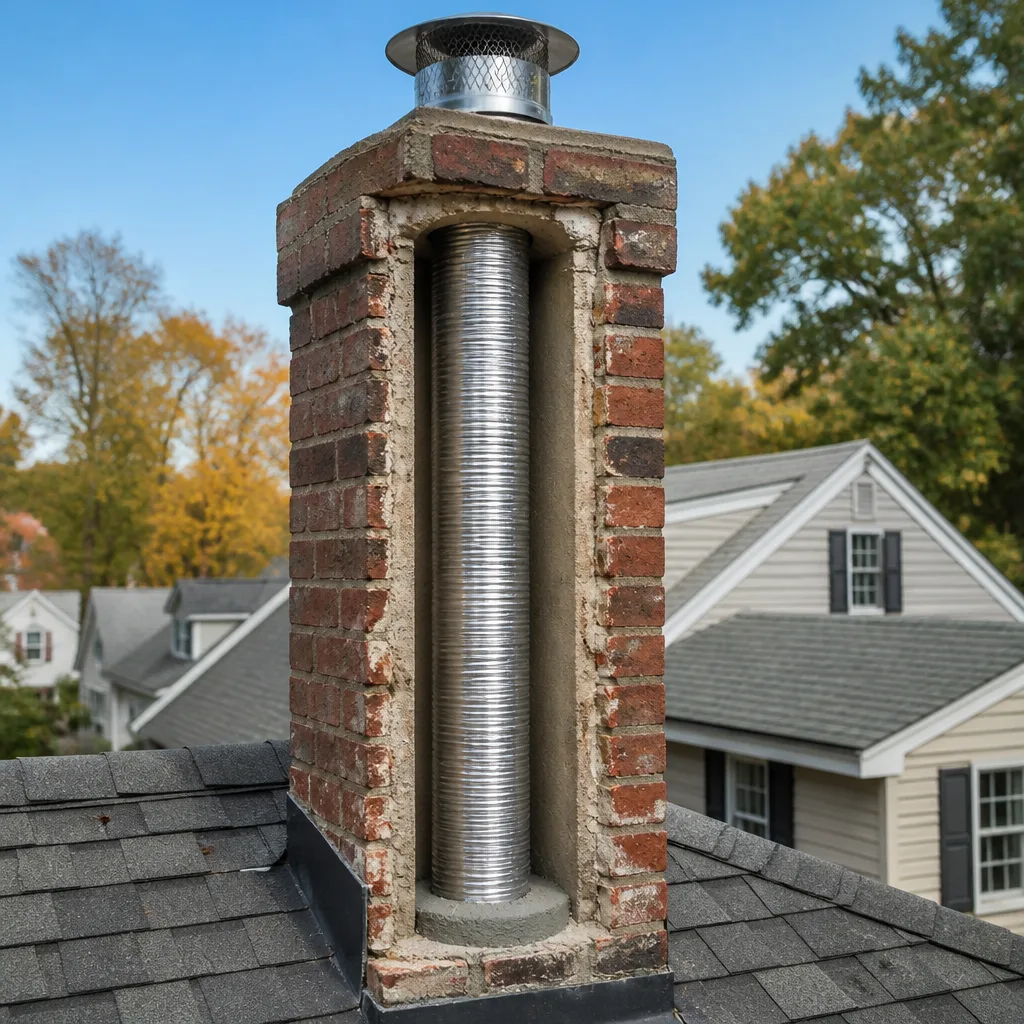 Flue relining
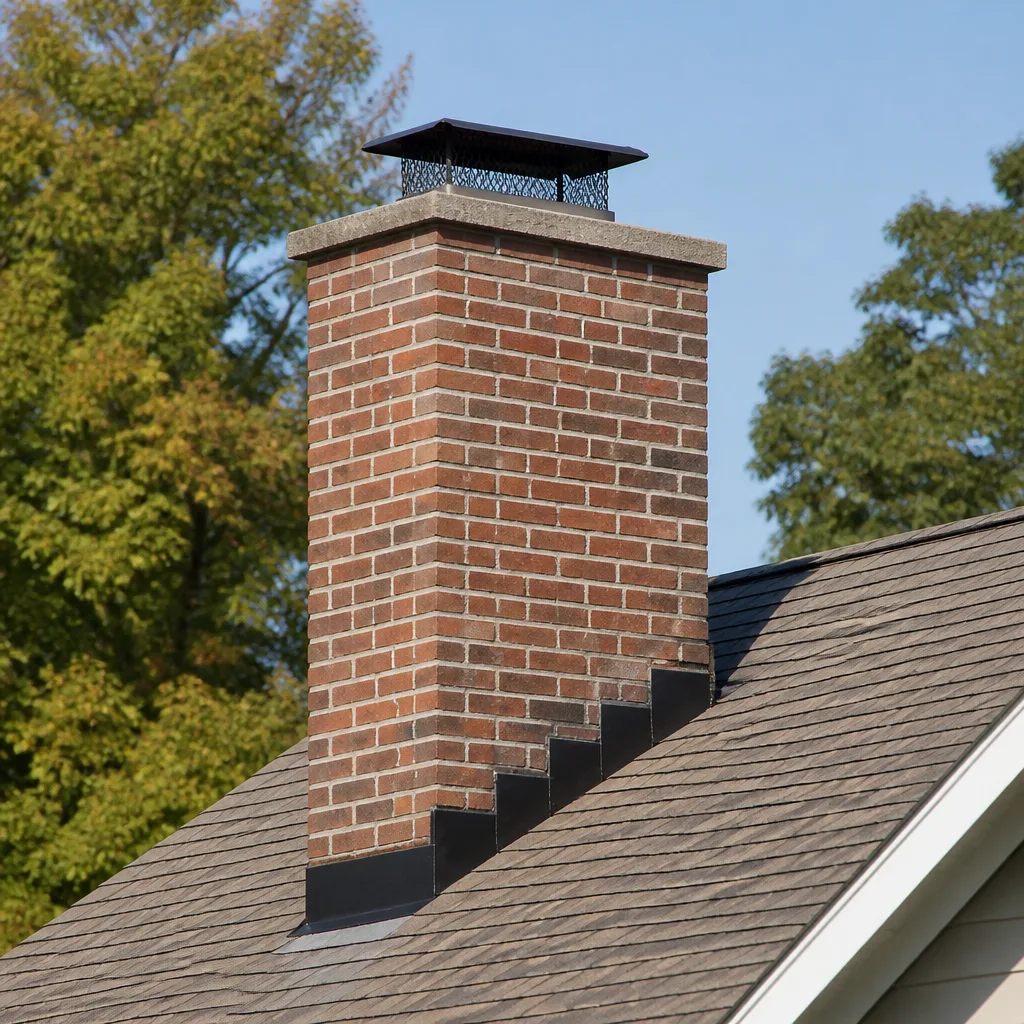 Masonry repair
Level 1 sweep and inspection to the NFPA 211 annual standard - flue, crown, cap, and flashing checked and photographed
Chimney sweep logs do not sweep chimneys. They loosen some creosote - which then falls where a brush and vacuum still have to collect it.
Why Lakeland Homeowners Choose HeatShield Chimney Cleaning
We provide independent HeatShield chimney cleaning and service in Lakeland, FL. HeatShield is a flue resurfacing and relining system, not a fireplace brand, so most homeowners here meet it the moment a sweep finds a damaged flue and starts talking options. What separates our HeatShield work in Lakeland is the order we do things in: a camera inspection first, an honest verdict on whether the liner is repairable, and HeatShield materials used only when the flue actually qualifies for them.
We’re an independent HeatShield service provider. We’re not affiliated with, authorized by, or certified by HeatShield, and we don’t speak for the manufacturer. What we do is clean, inspect, evaluate and repair flues that already have HeatShield linings, and we recommend HeatShield when a cast-in-place or cured-in-place liner is the right answer for a Lakeland flue that needs one. Our technicians have up to 8 years of experience, all of it spent on chimneys rather than spread across general home repair.
Call (844) 410-7138. We answer 24/7. Fast dispatch, 7am-7pm, Sunday through Friday.
Why Trust Lakeland Chimney Cleaning for Your HeatShield Chimney Cleaning?
HeatShield linings are proprietary systems. The lining material, top plates and connectors come from HeatShield, and a technician who doesn’t handle them regularly tends to guess at what he’s looking at through a camera. Our technicians know the difference between a cast-in-place liner that’s doing its job and one whose insulation has thinned to the point where heat is reaching things it shouldn’t.
We use quality parts that fit HeatShield equipment. When a top plate needs replacing or a transition needs rebuilding, we source it through trade-level suppliers including Copperfield and Olympia Chimney, not from a big-box shelf. When a flue doesn’t qualify for a HeatShield system, we say so and line it with a UL-listed alternative such as DuraFlex instead of forcing the product.
Warranty-safe practice matters here. Patching a proprietary lining with generic refractory mortar, or dropping in a liner sized by eyeball rather than measurement, can leave an owner with a system that no longer performs as designed. We measure, we photograph what we find, and we put the recommendation in writing. That’s the standard we hold HeatShield work in Lakeland to.
Styles & brands we work with
- Sweep & inspection
- Caps & crowns
- Flue relining
- Masonry repair
- Gas fireplace service
Common HeatShield Chimney Cleaning Problems We Fix in Lakeland
Lakeland fireplaces are used a handful of nights a year, then sit through nine or ten months of humid subtropical air. That rhythm is hard on any lining. Here’s what we actually find when we run a camera down a HeatShield flue in this town.
- Cracked or delaminated lining. Years of heating and cooling cycles work at the poured refractory surface until it checks and separates from the brick behind it. Once that bond breaks, the brick is exposed to condensate and flue gas, and a lining that looked intact from the firebox is no longer protecting the structure.
- Thin or failed insulation. Cast-in-place liners depend on their insulation layer to keep heat away from adjacent combustibles and to hold flue temperature for a steady draft. When that layer degrades, draft weakens and the clearance the system was designed around is no longer there.
- Separation at the top plate or transition. The joint where the poured liner meets the crown or the appliance connector is where rainwater gets in. In Lakeland’s humidity, a small gap at the top plate turns into moisture tracking down the flue all summer.
- Ovalized or undersized liners. A liner that’s out of round or sized for a different appliance than the one connected will smoke on startup and build creosote in the cool upper sections. Smoke rollback into the room is the usual complaint, and the cause is geometry, not the wood.
- Debris and animal nesting on top of the lining. Uncapped chimneys in the historic core draw chimney swifts in spring and black vultures in summer. Leaf litter and nests sit on the liner shelf, hold moisture against the refractory, and block the flue on the first cold night of the year.
HeatShield Parts & Our Repair-vs-Replace Approach
HeatShield work is proprietary, so the honest answer to “can this be fixed” depends on what the camera shows. A sound liner with damage confined to the crown or the transition can sometimes be repaired with HeatShield materials and a properly rebuilt top plate. A liner that’s cracked through, delaminated from the brick, or under-insulated usually needs relining rather than patching, because spot repairs over a failing substrate don’t restore the clearance or the draft.
We don’t stock or carry HeatShield parts, and we’re not a HeatShield dealer. We evaluate the flue, order what the job requires, and install it to the manufacturer’s specification. When a flue doesn’t qualify for a HeatShield system, we tell you and quote a UL-listed liner that fits the appliance instead.
If you’ve been told your liner is failing, get a second look with photos you can see. Call (844) 410-7138 for a free estimate.
Our HeatShield Service Process – Step by Step
- 1
Diagnosis. We start with a Level 2 inspection: camera through the flue, check of the crown, top plate, connector and firebox, and photos of what we find. For HeatShield flues we’re looking specifically at the liner surface for cracking, at the insulation behind it, and at the joints where it terminates.
- 2
Repair or install. If the liner is sound, we repair what’s damaged, rebuild the crown or transition as needed, and re-seat the top plate. If it isn’t, we size and install a properly insulated replacement system for the appliance actually connected.
- 3
Test. We run a draft check with the appliance connected, confirm the joints are sealed, and look for smoke rollback at startup before we call the job finished.
- 4
Warranty paperwork. You get the inspection findings, the photos and the documentation for the work, so the record sits with the house rather than in someone’s truck.
See the difference
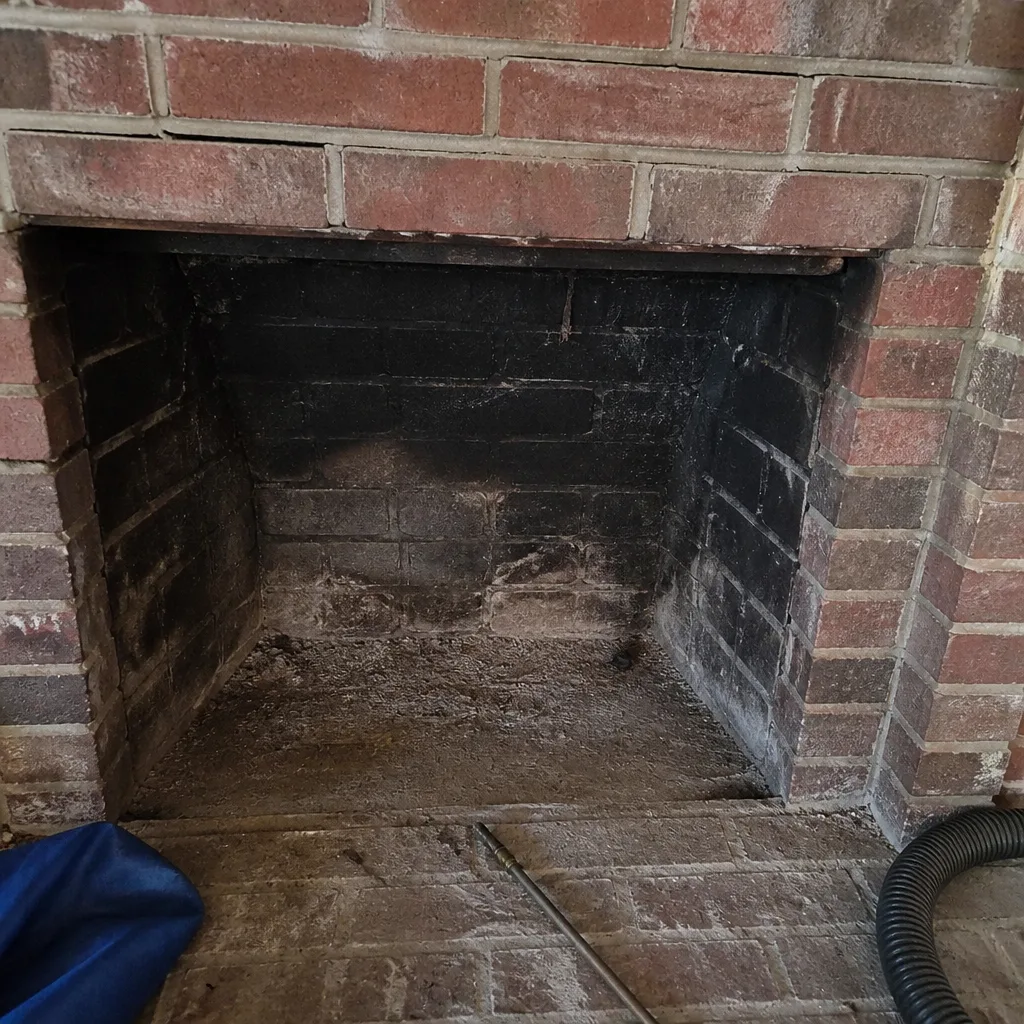 Before
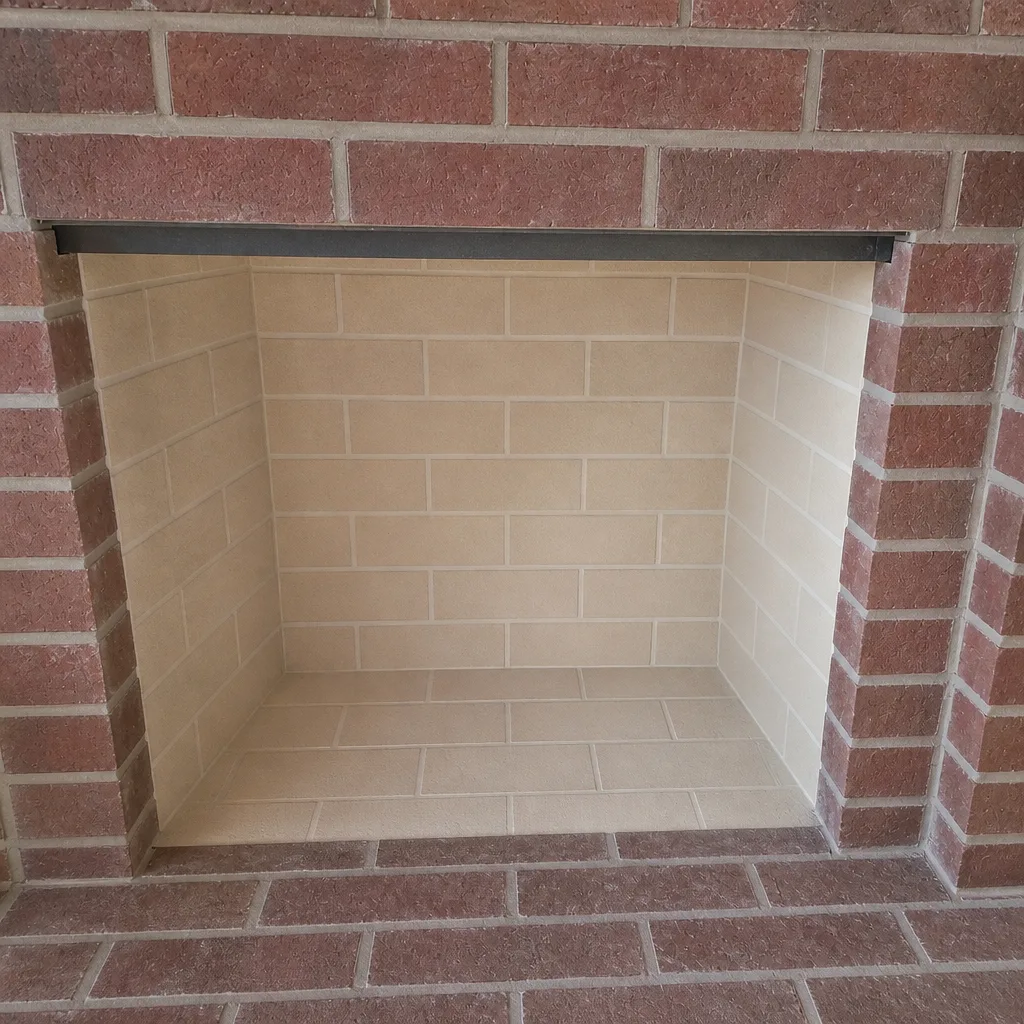 After
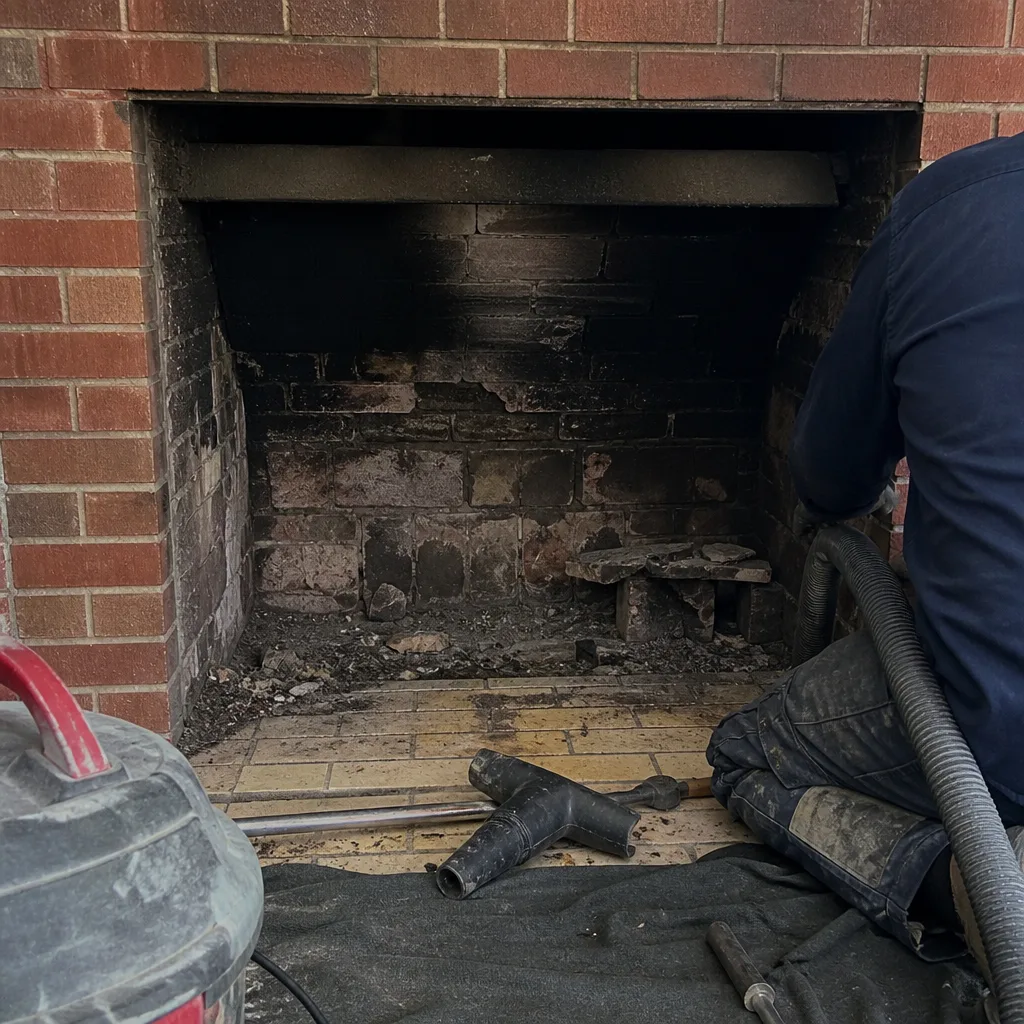 Before
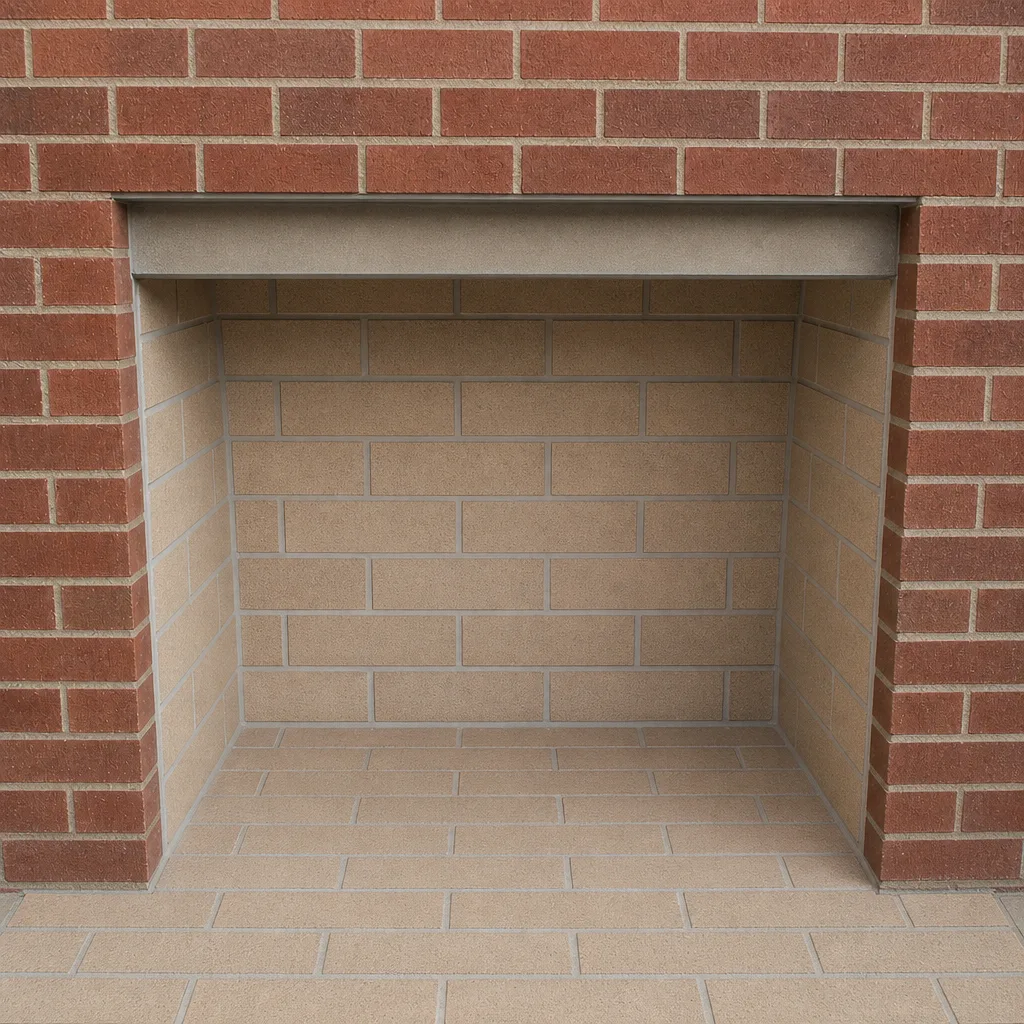 After
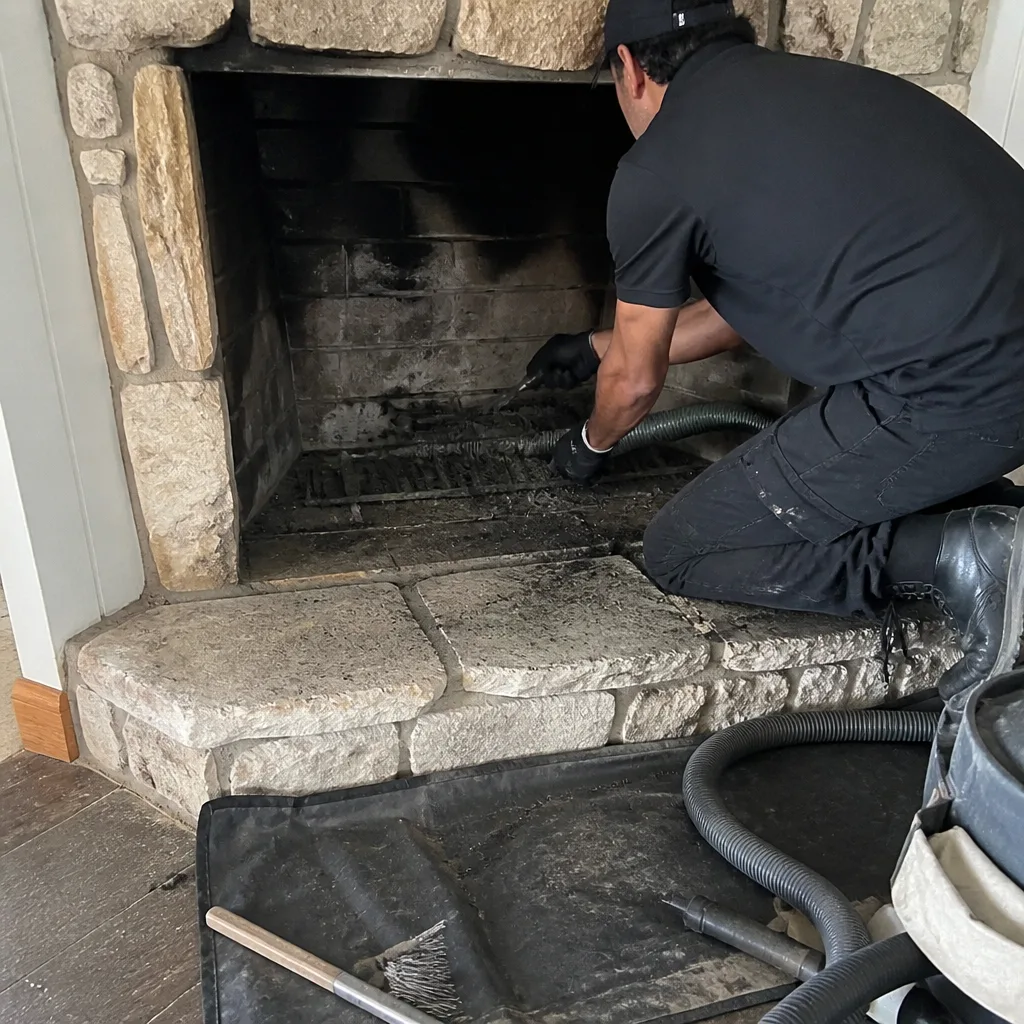 Before
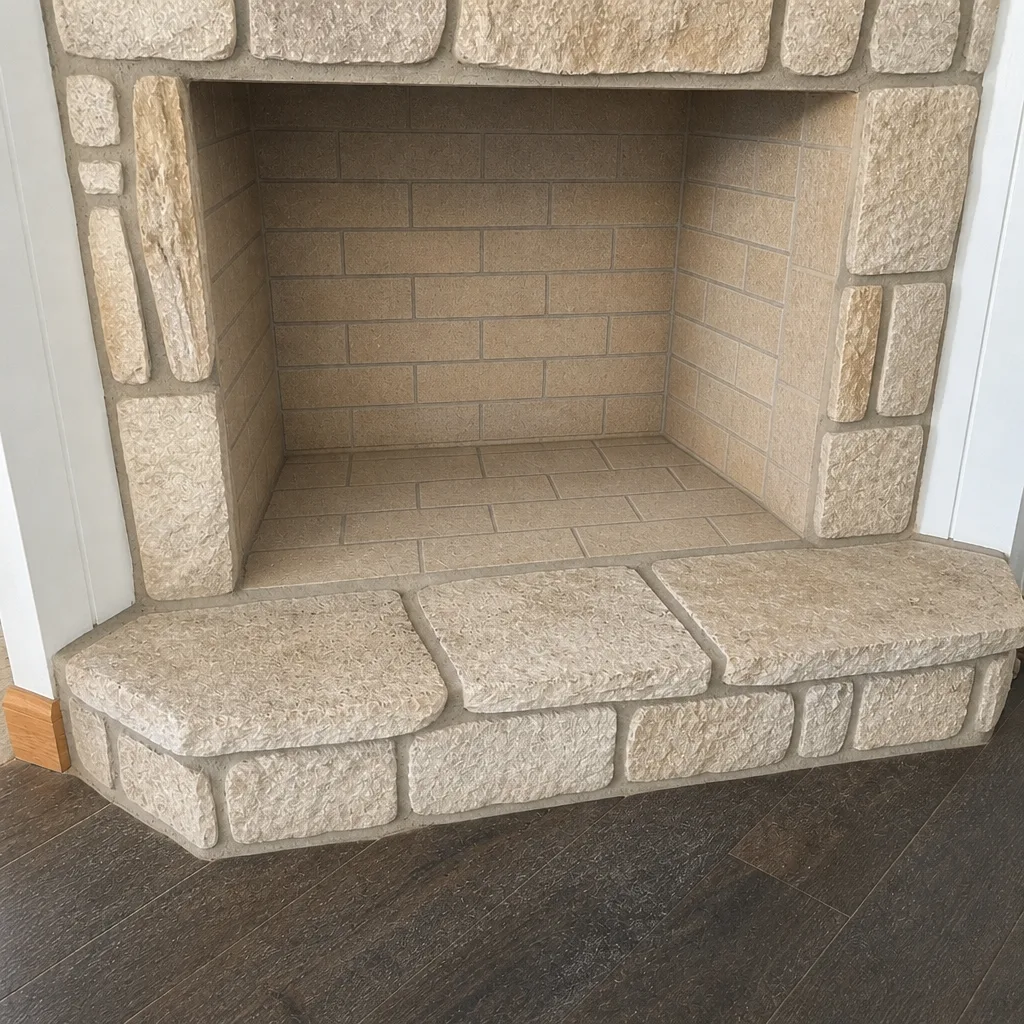 After
HeatShield Products We Service & Install in Lakeland
We service and install the HeatShield systems that show up in Lakeland flues: the cast-in-place insulated flue liner, poured to line a masonry chimney with a refractory surface; the CeCure Sleeve, a cured-in-place flue sleeve relining method; the resurfacing and restoration lining used on damaged masonry flues that don’t warrant a full tear-out; and the ovalized liner, used when a flue is out of round or tighter than a round liner will fit.
Each of these is a lining method, not an appliance. That’s why the evaluation comes first. A cast-in-place liner suited to one flue can be the wrong call for the next one, and a cured-in-place sleeve depends on the condition of the substrate it’s bonded to. We come out, look, and tell you which method fits what you have.
We Also Service These Brands
HeatShield is one tool in a chimney trade, not the whole trade. We also work with DuraFlex flexible liner systems for relining projects and Gelco components, alongside Olympia Chimney, Famco and Copperfield parts sourced through trade suppliers. That range means a recommendation is based on your flue, not on what a single-brand shop happens to sell. If your chimney is lined with something else, we can still clean, inspect and repair it.
FAQs – HeatShield Chimney Cleaning Service in Lakeland
HeatShield is a liner system, not a fireplace brand. It’s a flue resurfacing and relining product used to line and restore masonry chimneys. Most Lakeland homeowners first hear the name when a sweep finds a damaged flue and starts discussing relining options.
You know by camera inspection, not by looking up the flue from the firebox. We run a Level 2 inspection and check the liner surface for cracking and delamination, the insulation behind it, and the joints at the top plate and transition. The photos are yours to keep, so you can see what we saw.
Sometimes, yes. Damage confined to a sound liner, at the crown or the transition, can often be repaired. A liner that’s cracked through, delaminated from the brick, or under-insulated usually needs relining, because a patch over a failing substrate doesn’t restore clearance or draft. We tell you which situation you’re in after the inspection, not before.
Not much, and in Lakeland the reason is the opposite of what most people expect. A lined flue still needs an annual inspection, and because fireplaces here burn a few nights a year and sit idle the rest of it, the bigger risk is moisture, leaf litter and nesting debris rather than heavy creosote. The lining doesn’t remove that; it protects the masonry behind it while you deal with it.
No. We’re an independent HeatShield service provider, not authorized, certified or affiliated with the manufacturer. We don’t speak for HeatShield and we don’t sell their products as a dealer. We evaluate your flue, use HeatShield materials when they’re the right fit, and recommend a different UL-listed liner when they aren’t.
A standard sweep and inspection is priced per job by a written estimate, and relining or resurfacing is quoted separately once the camera tells us what the flue needs. The estimate is free. Call (844) 410-7138 for an exact quote.
Book Your HeatShield Service in Lakeland, FL
If your Lakeland home has a HeatShield liner, or you’ve been told it needs one, start with a Level 2 inspection and photos you can actually look at. We’ll clean the flue, evaluate the lining, and tell you plainly whether the work can wait or shouldn’t. Call (844) 410-7138. We answer 24/7. Fast dispatch, 7am-7pm, Sunday through Friday. Estimates are free.
Written by the team at Lakeland Chimney Cleaning.