
Last updated November 16, 2026
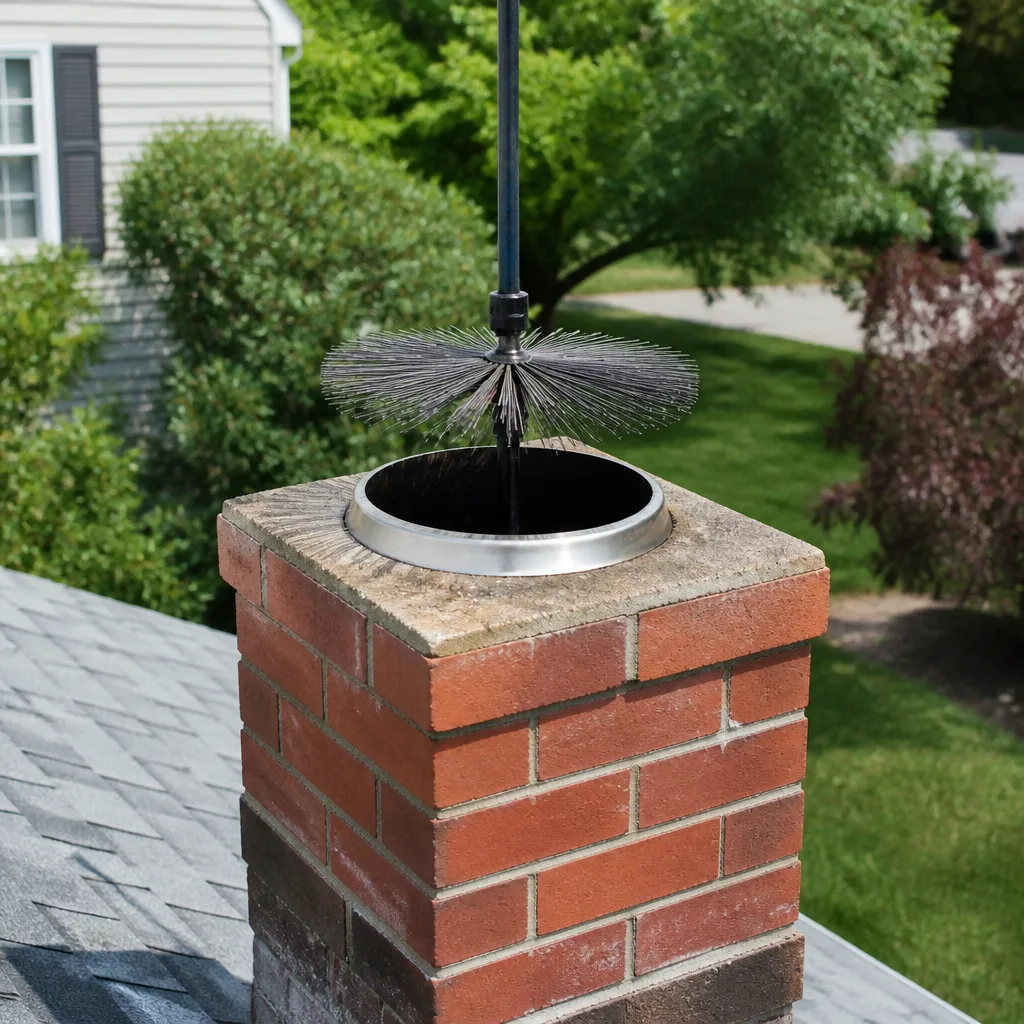 Sweep & inspection
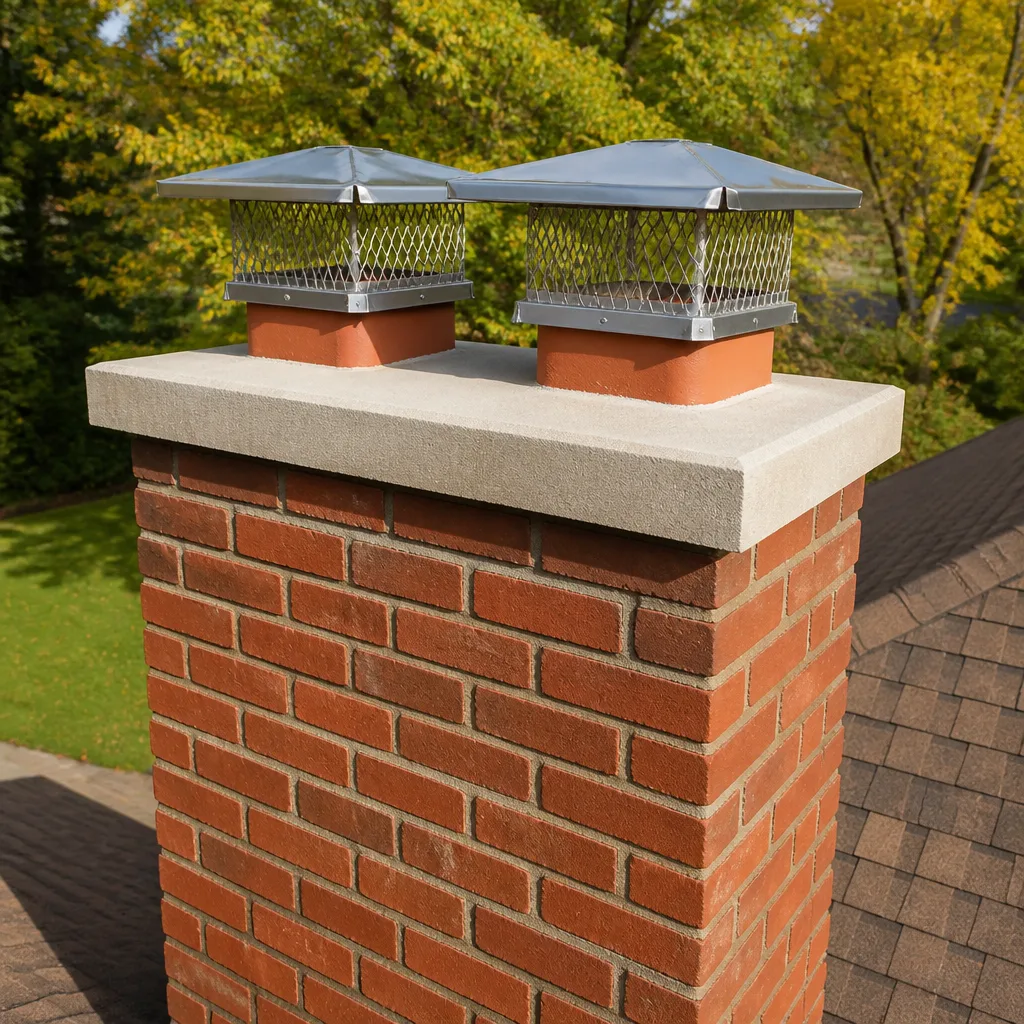 Caps & crowns
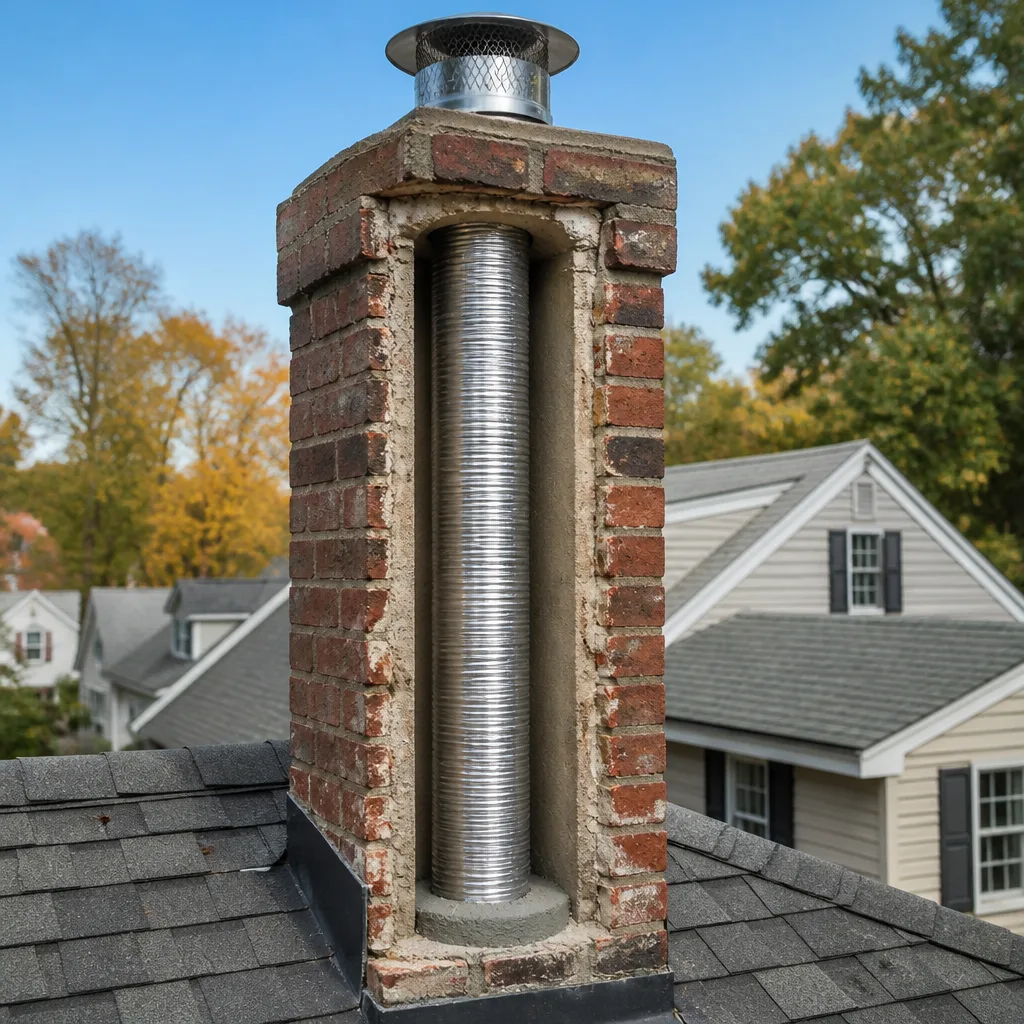 Flue relining
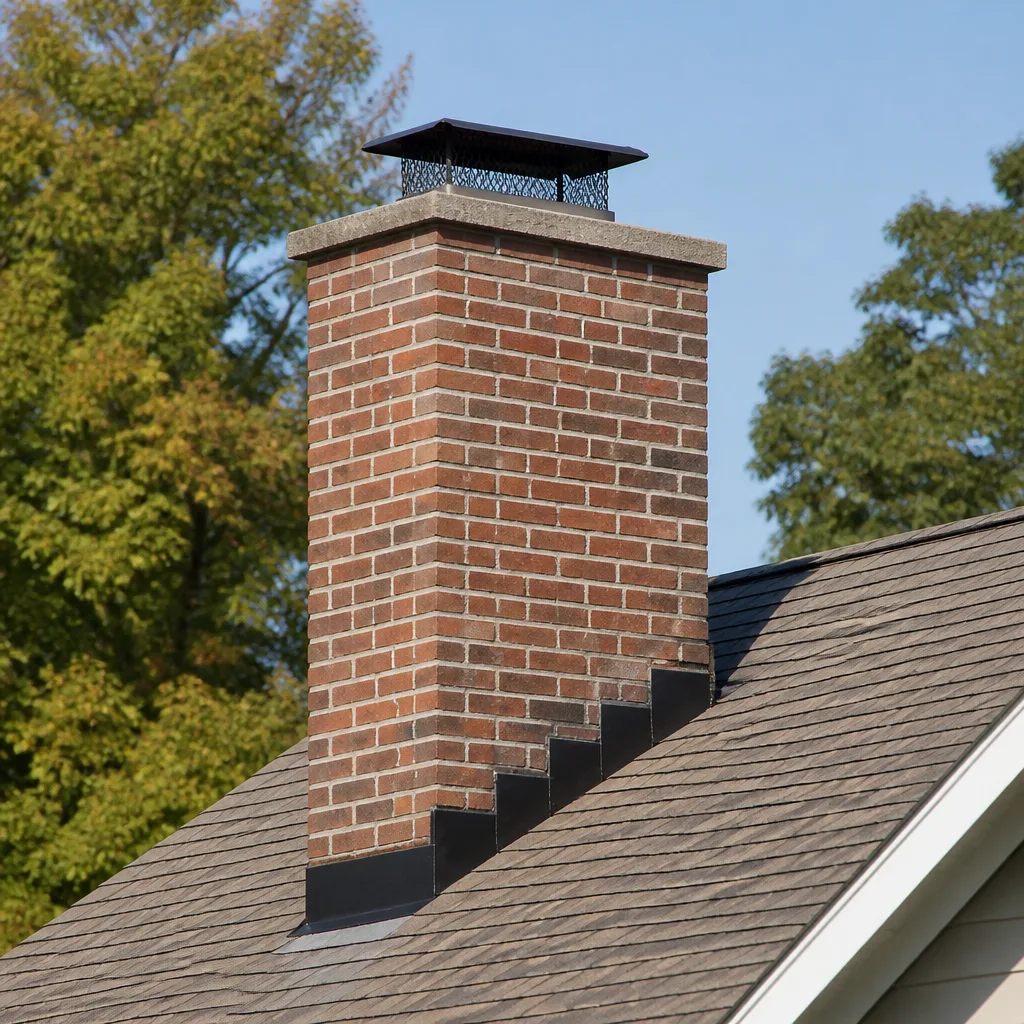 Masonry repair
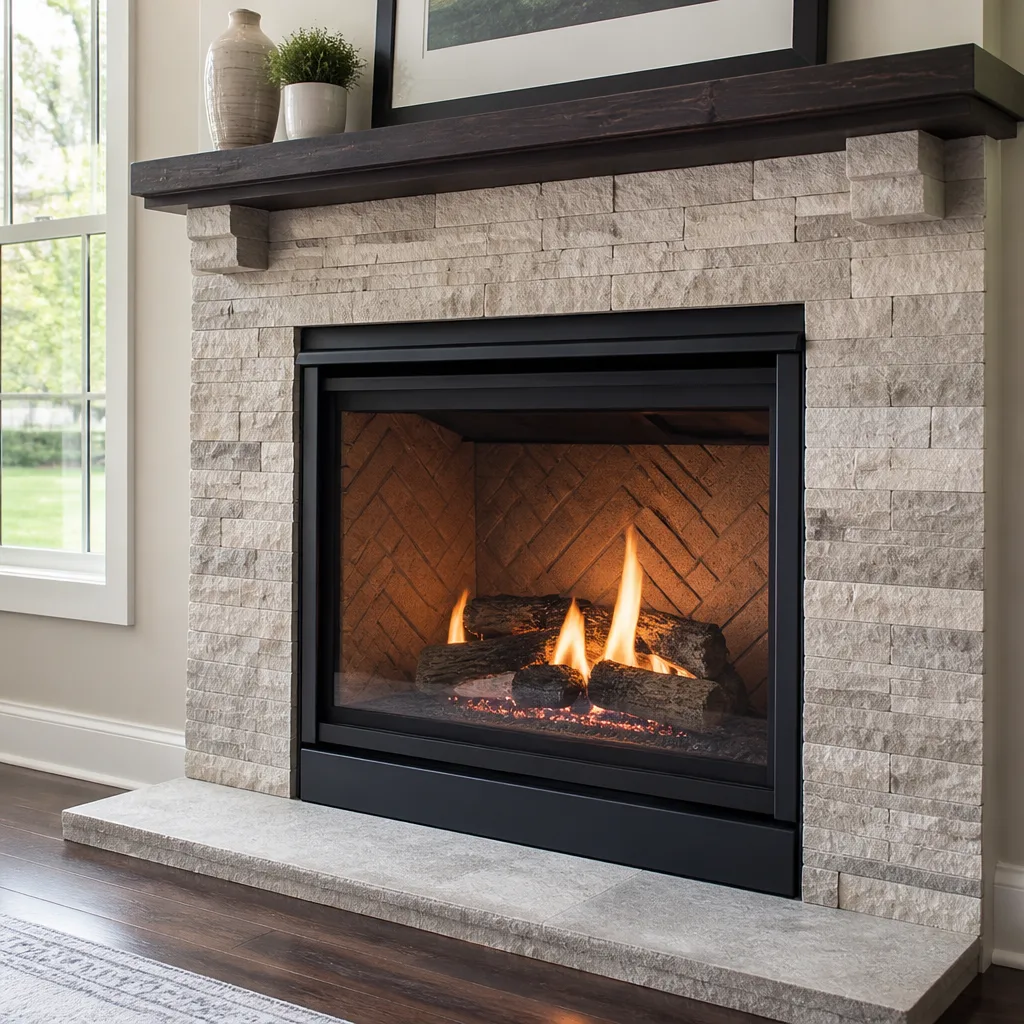 Gas fireplace service
Level 1 sweep and inspection to the NFPA 211 annual standard - flue, crown, cap, and flashing checked and photographed
Chimney sweep logs do not sweep chimneys. They loosen some creosote - which then falls where a brush and vacuum still have to collect it.
DIY vs Professional Chimney Cleaning: The Lakeland Homeowner’s Decision Guide
A homeowner with a Gardus SootEater kit and a decent brush set can clean a chimney that looks clean from the firebox and still leave a bonded layer of glazed creosote on the lower flue tiles that no flashlight will reveal. That’s the part of this conversation most articles skip. The question in Lakeland isn’t whether you’re capable of running a brush up a flue. It’s whether you can see what needs removing, recognize damage to the liner, and document the condition of the system well enough to satisfy your insurer. This guide walks through what DIY kits actually do, when sweeping your own chimney is a defensible choice, and the point where professional equipment stops being optional. You’ll finish with a clear decision framework, not a sales pitch.
Quick Answer
DIY chimney cleaning works reasonably well for light, stage 1 soot on a flue you can access and inspect yourself. Professional cleaning is the right call when there’s glazed creosote, when you can’t safely access the roof or flue, when the liner’s condition is unknown, or when your insurer requires documented inspection after a claim. The cleaning is the easy part. The inspection is the part that requires equipment.
Styles & brands we work with
- Sweep & inspection
- Caps & crowns
- Flue relining
- Masonry repair
- Gas fireplace service
Table of Contents
- What Consumer-Grade Brush Kits Can and Cannot Do
- When DIY Sweeping Is Defensible: Four Conditions
- Why Inspection, Not Cleaning, Requires a Professional
- The Real Cost Comparison: DIY vs Professional
- Legal and Insurance Implications in Florida
- Lakeland Climate and Your Chimney’s Workload
- The Decision Threshold: A Step-by-Step Framework
- Common Mistakes to Avoid
- When to Call a Professional
What Consumer-Grade Brush Kits Can and Cannot Do
Consumer kits like the Gardus SootEater and brush sets from Midwest Hearth are legitimate tools, not toys. They’re flexible, they’re designed for the flue diameters found in most homes, and a homeowner who takes their time and follows the instructions can remove loose soot and stage 1 creosote from an accessible flue. If your chimney has a straight run, a cleanout at the base, and a cap you can remove safely, a consumer rod-and-brush setup will do real work.
Where these kits hit their ceiling is on two fronts. The first is creosote stage. Stage 1 is fluffy, flaky, and brushes off easily. Stage 2 is dense and bonded to the flue surface; a consumer brush will skate over it. Stage 3 is glazed, hard, and requires either chemical treatment or mechanical rotary equipment to remove. No flexible brush on a drill attachment removes stage 3. That’s not a scare tactic; it’s a description of the tool. Professional rotary systems use weighted chains or whips spun at high RPM to score and lift bonded deposits, which a flexible consumer rod cannot match because the rod loads up and stalls before the head can engage the surface.
The second front is visibility. A consumer kit gets you a clean-looking flue when viewed from the firebox. It doesn’t show you the upper third of the flue, the crown, the cap, or the smoke chamber above the damper. We’ve inspected chimneys that had been “cleaned” by the homeowner and found the lower flue tiles capped with bonded creosote, the smoke chamber untouched, and the cap screen collapsed. The cleaning wasn’t the failure. The inability to see was.
When DIY Sweeping Is Defensible: Four Conditions
We’re not going to argue that every homeowner should call a professional every year. There’s a defensible case for DIY, but it depends on four conditions being true at once. If all four apply, your risk is low and your choice is reasonable.
- Fuel type and moisture. You burn seasoned, split, dry hardwood, and your firewood has been stacked and covered for at least a full season. Wet wood produces far more creosote per cord than dry wood, which compresses the interval between cleanings and makes each one more important.
- Burn frequency. You use the fireplace a handful of times a season, not daily through the winter. A fireplace used daily during a Lakeland cold snap needs more frequent sweeping, and higher volume means more opportunity for stage 2 deposits to accumulate between cleanings.
- Flue access. You can reach the roof or the top of the flue safely, or the flue is accessible from the firebox with a cleanout and you have a safe working position below it. A steep pitch, a fragile roof covering, a tall stack, or a chimney cap bolted down hard enough to require a specific wrench all push this condition into the “not defensible” column.
- Known liner condition. You know your liner is intact because it was inspected by a professional within the last few years, and there’s no change in draft, smell, or performance since. A chimney that has never been inspected has an unknown liner condition, and cleaning it without inspecting it is the single worst outcome of the DIY approach.
If you can check all four boxes, sweep away. If you’re missing one, particularly the liner condition, the case for DIY weakens quickly. Lakeland has plenty of older homes with clay tile liners that have never been camera-inspected, and those liners can crack and spall without any visible sign from the firebox.
Why Inspection, Not Cleaning, Requires a Professional
The cleaning is the visible work. The inspection is the part that determines whether your chimney is safe to use, and it’s the part that no consumer tool can replicate. When we talk about professional inspection, we’re describing a Level 2 evaluation: a video camera scan run from the top of the flue or through the smoke chamber, with a recorded and photographed view of the liner interior that the homeowner can review.
A flashlight look up the firebox shows you the bottom six to ten feet of a flue, on a good day, from one angle. It does not show you:
- Hairline cracks in clay tiles that open under heat and let carbon monoxide into the cavity behind the liner.
- Displaced or spalled tiles where the mortar joint has failed and the tile is now sitting at an angle.
- Gaps at the top of the flue where the crown meets the tile, often the source of water intrusion that starts a slow deterioration.
- Blockages from bird nests, collapsed cap screens, or a fallen flue tile, any of which can send smoke or CO back into the home on the first cold light.
- The condition of the smoke chamber above the damper, which is often the dirtiest and most damaged part of a wood-burning system.
This is where the trade knowledge matters. We use HeatShield ceramic resurfacing when the liner has cracks or gaps that can be restored without full replacement, and DuraFlex flexible liner systems when a full reline is the correct call. Both are professional-grade products sourced from trade suppliers like Olympia Chimney and Copperfield, not big-box substitutes. Knowing which of those a liner needs, and which can safely wait, comes from the camera scan, not from the cleaning brush.
The Real Cost Comparison: DIY vs Professional
Most DIY guides stop at the price of the kit. That comparison is incomplete. A useful comparison includes the tool, the consumables, the time, the risk of damaging the flue, and the cost of the professional inspection you’ll still need. Here’s a rough framework for a typical wood-burning fireplace in a Lakeland home.
- Consumer kit (Gardus SootEater or equivalent): One-time purchase, typically a two-figure outlay. The kit pays for itself if you use it repeatedly.
- Consumables and protection: Drop cloths, a shop vac with HEPA filtration, goggles, a respirator rated for fine particulate, and replacement brush heads over time. These add up slowly.
- Time: Setup, sweeping, cleanup, and putting everything away takes most homeowners two to four hours the first time, then less with practice.
- Professional sweep: A per-job fee quoted in the written estimate, with the inspection included as part of the visit.
- Professional inspection only (if you sweep yourself): A separate per-job fee, because it’s a separate visit with a separate tool.
- Repair risk: A misused brush on a clay liner can crack a tile, and the repair cost usually exceeds what a professional sweep would have cost by a wide margin.
The break-even point depends on how often you burn and how confident you are in the liner. A homeowner who burns a dozen times a season, has an inspected liner, and sweeps annually can come out ahead on DIY over several years. A homeowner who burns daily, has never had a camera inspection, or lives in a home with an old clay liner is comparing the kit price against a repair bill they haven’t discovered yet. The kit comparison is honest. The full comparison usually isn’t.
Legal and Insurance Implications in Florida
Florida doesn’t require a permit for routine chimney sweeping. That’s the straightforward part. Where self-performed work becomes complicated is insurance. Many homeowner policies require that chimney-related losses be supported by documented maintenance, and a claim adjuster looking at a chimney fire or a CO incident will ask for evidence of when the system was last cleaned or inspected, by whom, and what was found. A homeowner’s own recollection of a sweep last fall is not the same evidence as a dated inspection report from a chimney specialist.
We can work with your insurer when documentation is part of the claim. What we can tell you plainly is this: if a claim is contested, the written record matters more than the physical cleaning. A professional inspection produces a report with photos of the liner interior, the crown, the cap, and the smoke chamber. A homeowner sweep produces a clean-looking firebox and no document. If your policy has an exclusion or a maintenance condition tied to chimney care, that difference can decide whether the claim is paid.
If you own a home in a Lakeland neighborhood where the original 1950s or 1960s chimney is still in service, the documentation question is worth resolving before you need it. A camera inspection establishes the baseline. Call (844) 410-7138 for an exact quote on a sweep and inspection. Estimates are free, and the written estimate sets the final price.
Lakeland Climate and Your Chimney’s Workload
Lakeland’s winters are mild, and that shapes how chimney maintenance actually works here. The risk profile isn’t driven by long heating seasons or deep cold the way it is farther north. It’s driven by how the fireplace gets used: intermittent burning, sometimes with wood that hasn’t fully seasoned, sometimes after weeks of sitting idle through the shoulder season.
An intermittent burn cycle has a particular creosote signature. Short, hot fires on dry wood deposit less. Cooler, longer, smoldering fires on damp wood deposit more, and the deposits bond harder. A fireplace that runs a few evenings during a January cool snap and then sits until the next one can accumulate more glazed material per cord than a fireplace that burns steadily, because the smolder phase runs longer. That’s the reason a Lakeland homeowner who burns five cords a season may need a sweep at the same interval as a homeowner in a colder market who burns the same volume. The pattern of burning matters as much as the volume.
The shoulder seasons add another variable. Between burns, moisture moves through the flue and the firebox. The cap and crown keep rain out when they’re intact; when they’re not, water enters the system and accelerates deterioration of the clay tile and the mortar joints. We check the crown and cap on every inspection because those two components fail silently and cause more long-term damage in this climate than most homeowners expect.
The Decision Threshold: A Step-by-Step Framework
If you’re on the fence, run through this sequence. It’s the same order we’d use in your position.
- Check the last inspection date. If there’s no documented inspection in the last three years, the liner condition is unknown and the decision is already made for you. Book an inspection first, then decide about DIY sweeping next season.
- Look at the creosote in the firebox and the visible lower flue. Flaky, sooty deposits are stage 1 and brushable. Shiny, hardened, or honeycomb-textured deposits are stage 2 or 3 and require professional equipment.
- Assess your roof access honestly. If you wouldn’t walk on the roof to clear a gutter, don’t plan to sweep a flue from it.
- Check the cap and crown. A rusted or missing cap screen, a cracked crown, or a loose cap means the chimney needs professional attention regardless of the creosote stage.
- Read your policy. If your homeowner’s policy has a maintenance condition tied to chimney care, plan on professional documentation.
- Decide on a schedule. If you elect DIY, commit to an annual professional inspection to preserve the safety baseline. If you elect professional care, add a sweep when the inspection says it’s due.
That second step is the one that most often changes the answer. A homeowner who expected to sweep DIY finds honeycomb-textured deposits coating the lower flue, and the plan changes. Call (844) 410-7138. We answer 24/7, with fast dispatch from 7am to 7pm, Sunday through Friday.
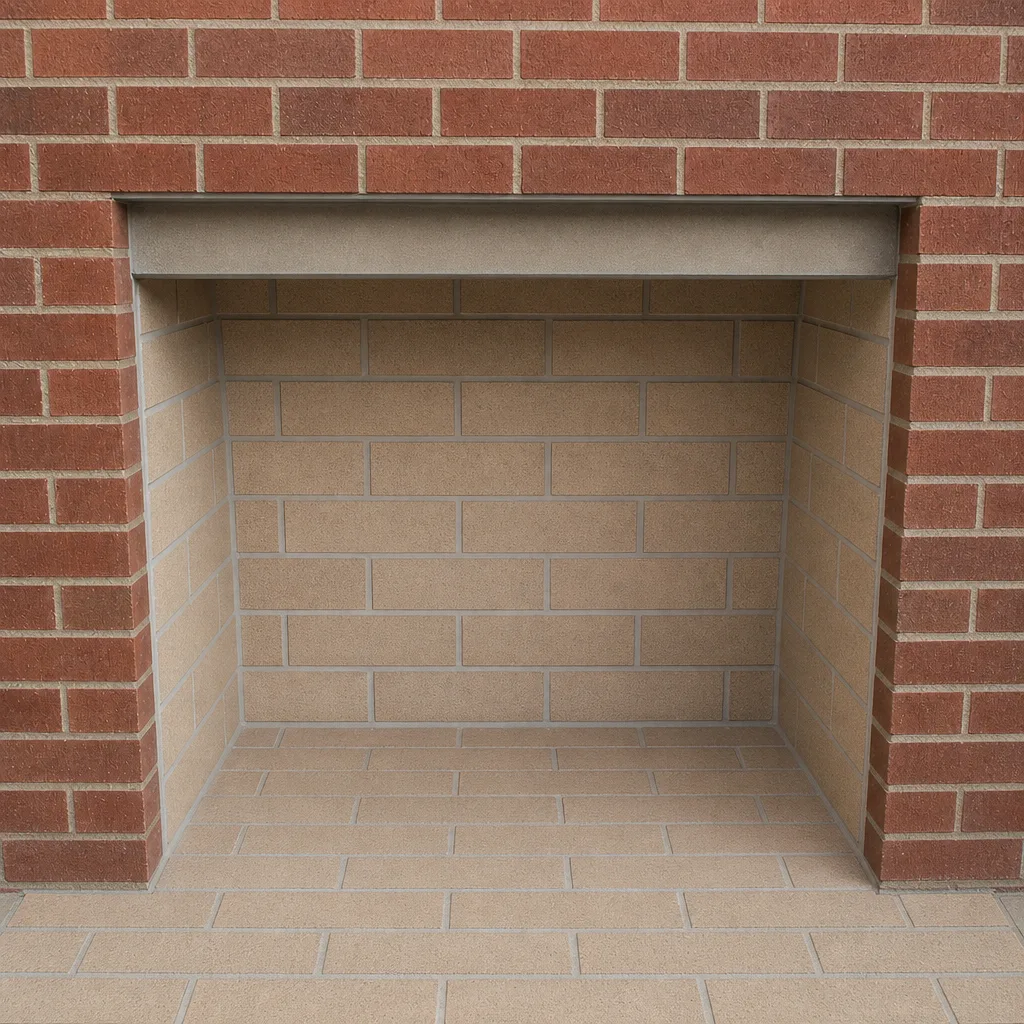
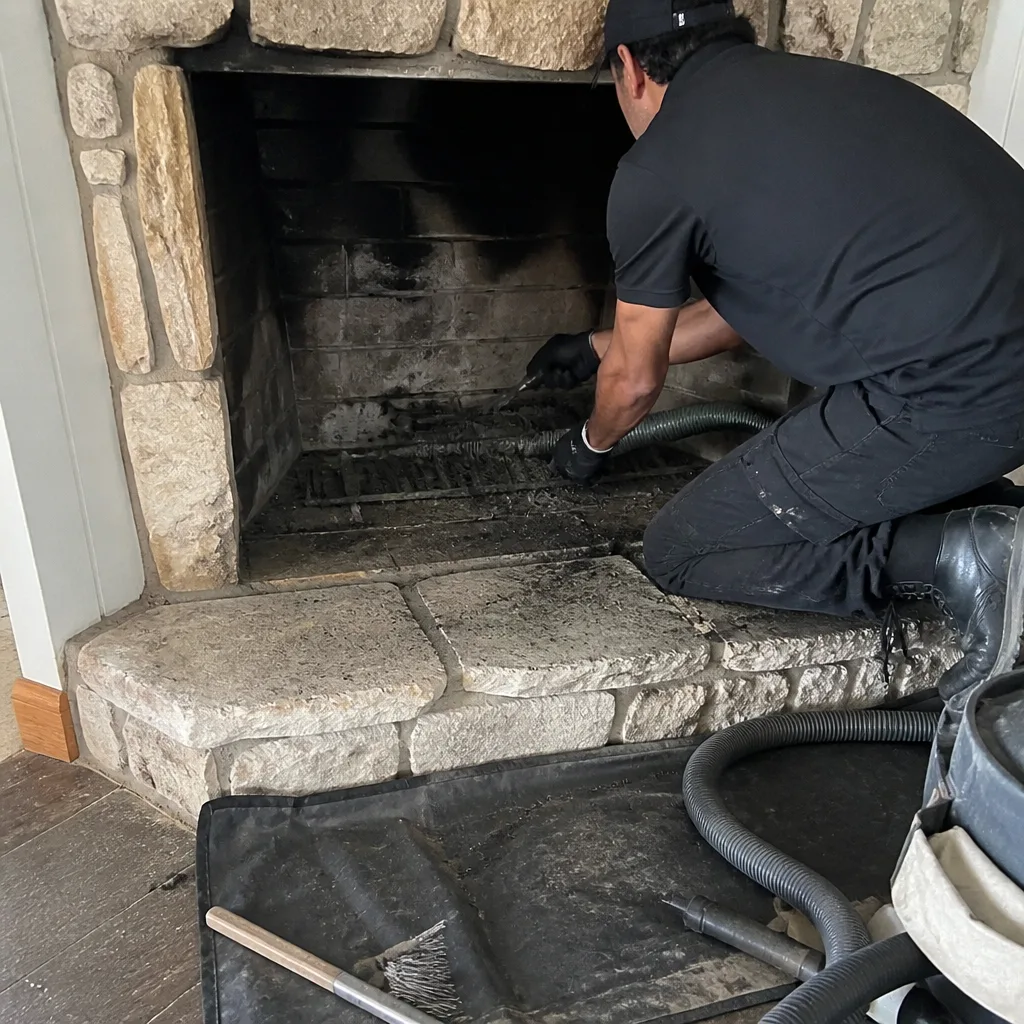
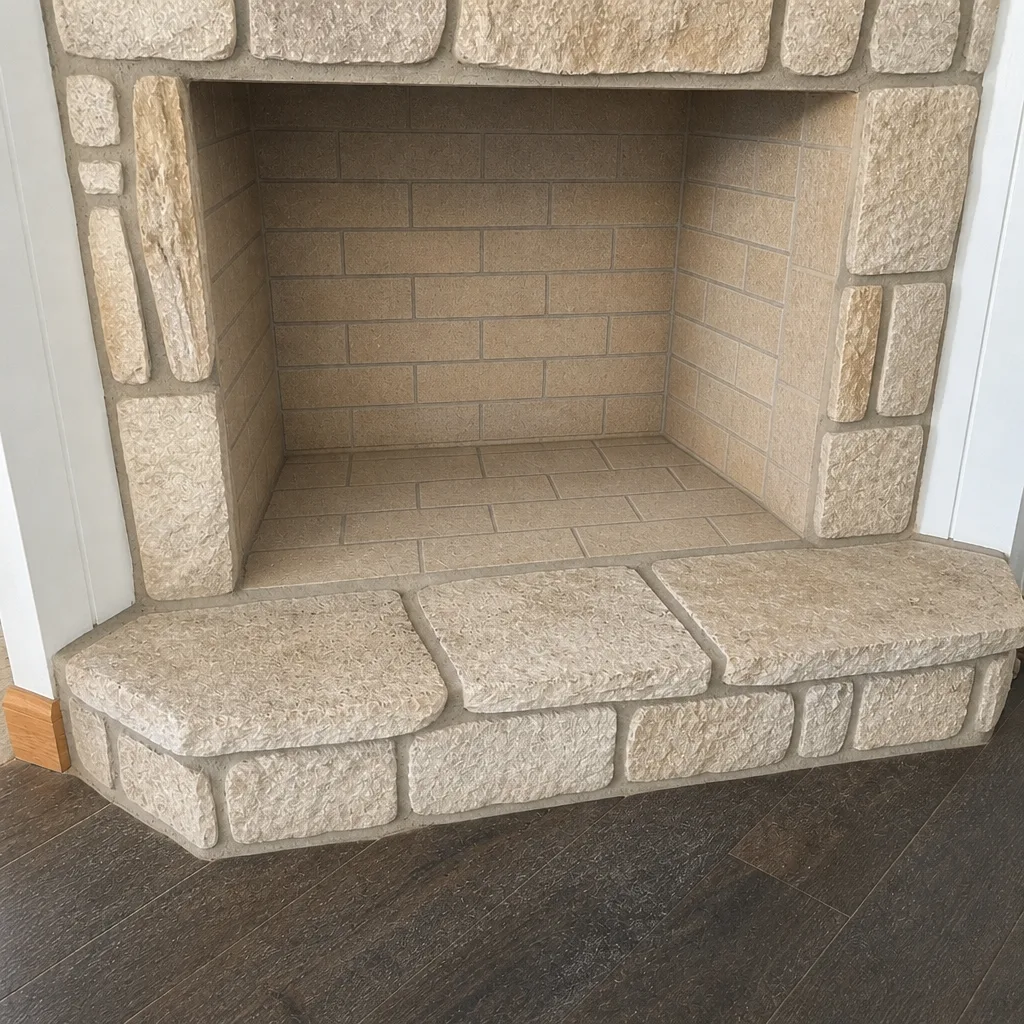
See the difference
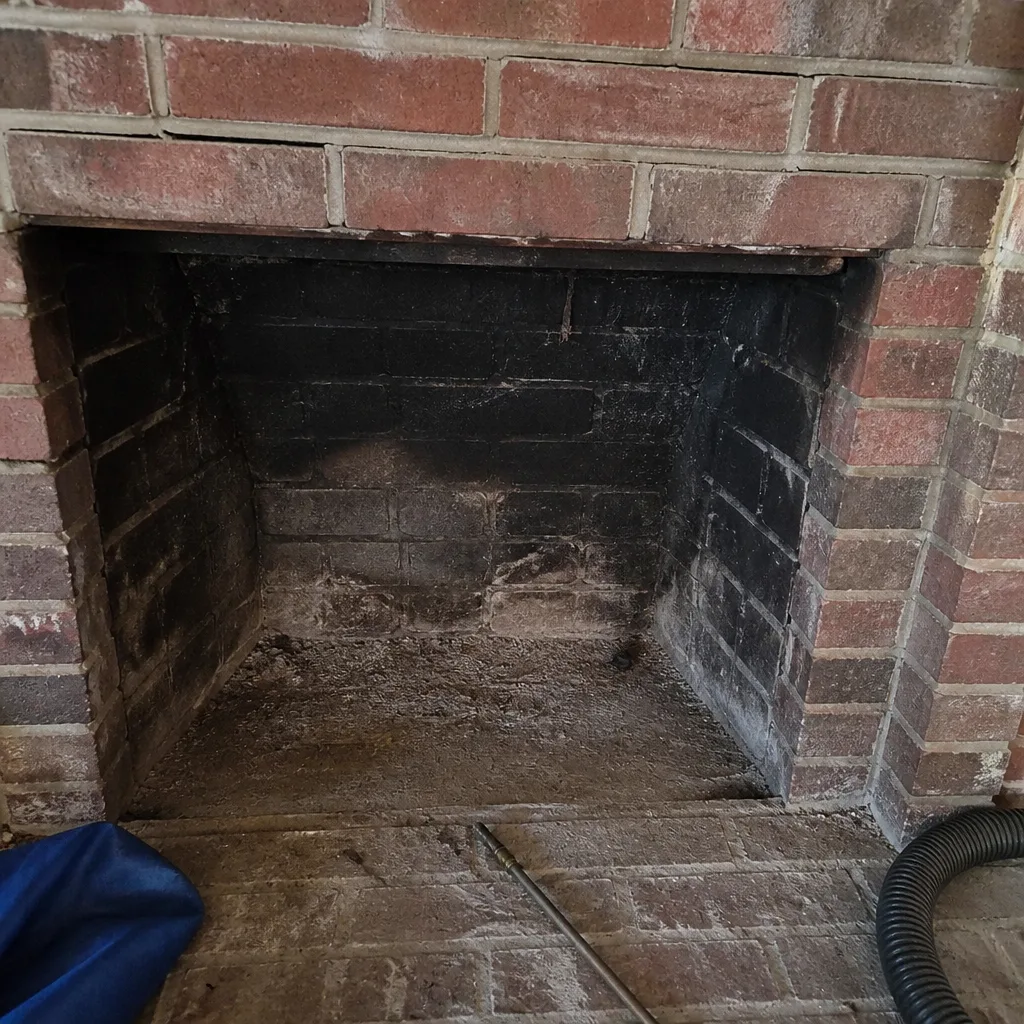 Before
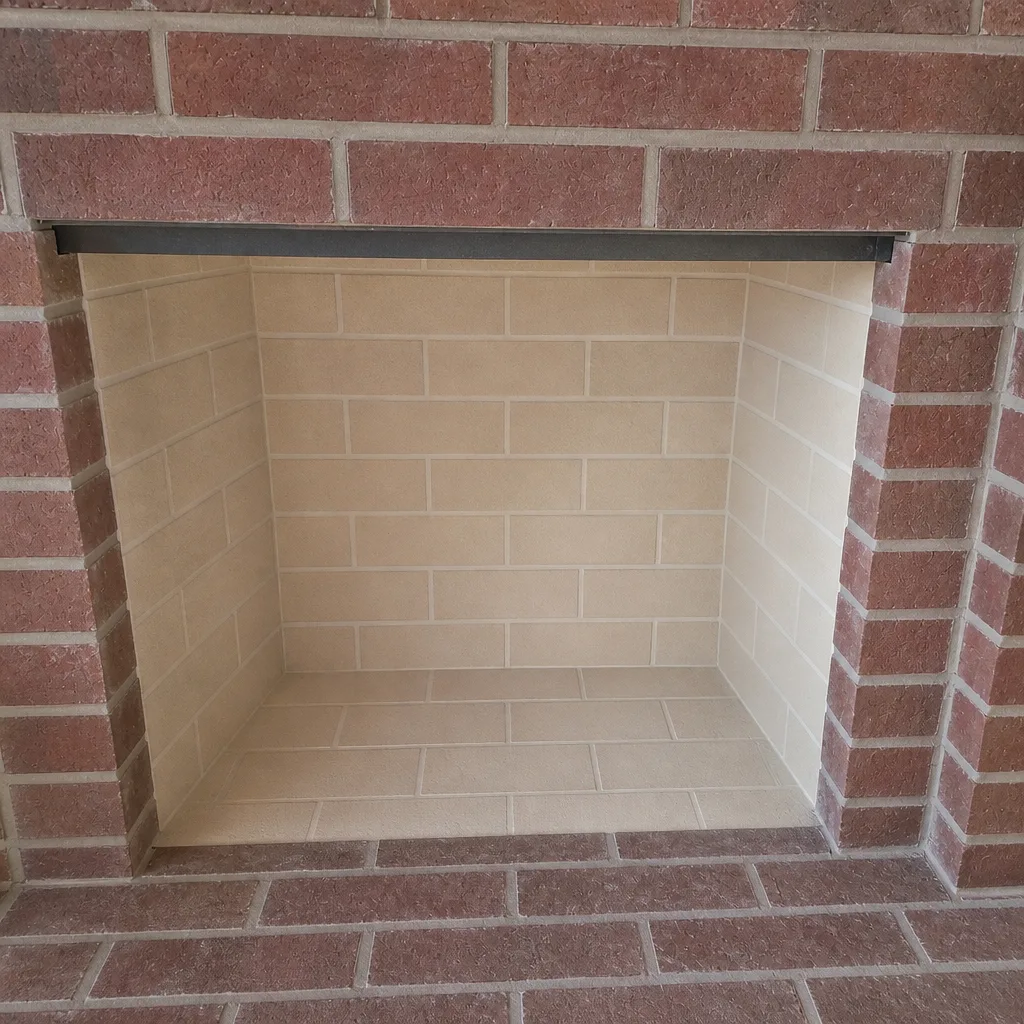 After
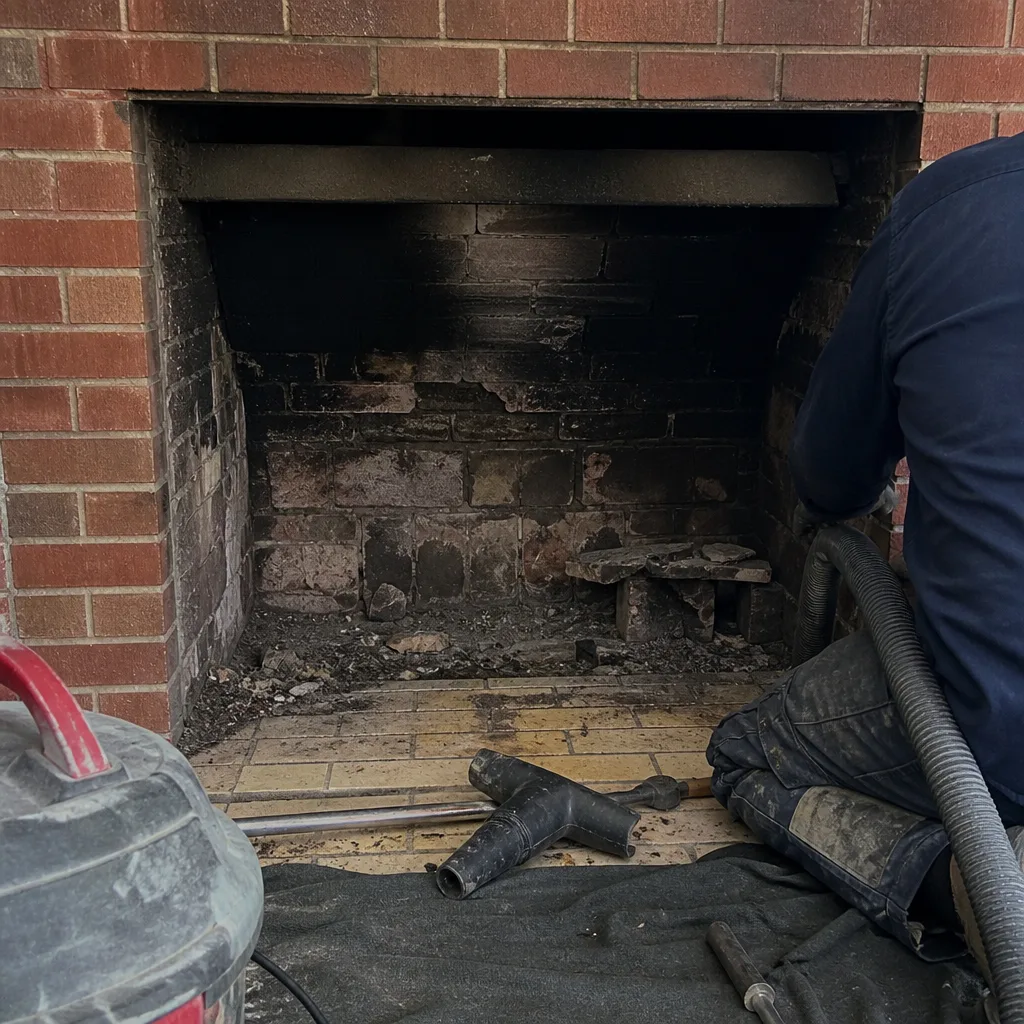 Before
 After
 Before
 After
What a Professional Sweep and Inspection Actually Involves
If you’ve never watched a professional sweep work, the process looks different from the DIY version. We’re a chimney specialist, not a generalist, and the full visit covers the sweep, the inspection, and any repair the inspection identifies. Here’s how we describe the sequence in our chimney sweep service.
Setup comes first: floor protection, a sealed work area, and a high-volume vacuum with HEPA filtration running to keep fine ash out of your living space. The brush work follows, sized to your flue and the liner material, whether that’s clay tile or a stainless system. Where the liner has bonded deposits, we use rotary equipment. Where the deposits are glazed, chemical treatment may be needed first to soften them. After the flue is cleared, the inspection begins: a camera scan of the liner, a check of the smoke chamber, the damper, the crown, the cap, and the firebox. Any repair is scoped from what the camera shows, not from what we expected to find.
The materials that come out of that inspection are the same professional-grade brands the trade relies on: DuraFlex when a flexible liner is the correct system, HeatShield when ceramic resurfacing can restore the existing liner, and Olympia Chimney, Gelco, Famco, or Copperfield for the components and parts the job calls for. The alternative, a generalist pulling a consumer-grade substitute off a big-box shelf, is the thing we’re specifically not.
If the inspection turns up damage that needs chimney repair, you get a written scope and an estimate. Nothing is recommended without camera evidence you can see for yourself, and we’ll tell you plainly when a repair can safely wait until after the season.
Common Mistakes to Avoid
- Sweeping without inspecting. A clean flue with a cracked liner is still unsafe. Every sweep should end with an inspection, or the cleaning has addressed the wrong half of the problem.
- Using a consumer brush on a glazed liner. Spinning a flexible brush against stage 3 creosote can score the tile surface without removing the deposit, and it can crack a tile that was already under stress.
- Burning unseasoned wood to stretch the cord. The creosote doesn’t care how the wood was stored. Damp wood is the single largest contributor to deposit buildup in a Lakeland fireplace.
- Ignoring the cap and crown. A missing cap screen lets birds and debris in, and a cracked crown lets water into the flue. Both fail quietly and become expensive over a couple of seasons.
- Skipping the sweep because the firebox looks clean. The firebox is the least informative part of the chimney. The deposits that matter form higher up, where you can’t see them without a camera.
- Not keeping documentation. If there’s an insurance claim after a chimney fire, the inspection report is what answers the adjuster’s first question. Homeowner recollection doesn’t.
- Cleaning the flue but leaving the smoke chamber. The smoke chamber above the damper is one of the dirtiest parts of a wood-burning system and it’s often skipped in DIY cleanings because it’s hard to reach without the right tool.
When to Call a Professional
Call a professional when any of these are true: you see shiny, hardened, or honeycomb-textured deposits in the flue; you’ve never had a camera inspection; the cap, crown, or damper is damaged; you smell smoke in the house on a burn; your insurer requires documentation; or you can’t safely reach the roof. Those are the moments when the DIY decision stops being about cost and starts being about the part of the work you can’t do. Lakeland Chimney Cleaning offers free estimates in Lakeland. Call (844) 410-7138. We answer 24/7, with fast dispatch from 7am to 7pm, Sunday through Friday.
Frequently Asked Questions
Chimney sweep pricing in Lakeland is set per job by a written estimate after we see the flue, so the number depends on the liner material, the creosote stage, and whether the visit includes a repair. The estimate is free and the written estimate sets the final price. Call (844) 410-7138 for an exact quote.
Yes, if the liner condition is unknown or it’s been more than a few years since the last inspection. The cleaning removes deposits; the camera inspection shows whether the liner, crown, cap, and smoke chamber are intact. A clean flue with a cracked liner is still a CO risk. Call (844) 410-7138 to schedule an inspection.
Annual inspection is the standard, with a sweep when the inspection shows deposits have built to the point of needing one. A fireplace burned occasionally on dry wood may go longer between sweeps; a fireplace burned frequently or on damp wood needs sweeping more often. Call (844) 410-7138 for an exact quote on a sweep.
Creosote accumulates and can ignite, and the resulting chimney fire can damage the liner or spread into the structure. Carbon monoxide from a compromised liner or blocked flue can also back into the home. The risk builds quietly between seasons. Call (844) 410-7138 for a sweep and inspection before the next burn season.
Probably not on its own, because a homeowner sweep doesn’t produce the dated, photographed inspection report an adjuster will ask for. If your policy has a maintenance condition tied to chimney care, professional documentation is the safer record. We can work with your insurer. Call (844) 410-7138.
Sometimes, yes. HeatShield ceramic resurfacing can restore a liner with cracks or gaps that don’t require a full reline, and DuraFlex flexible liner systems are the correct call when the damage is beyond resurfacing. The camera inspection determines which applies. Call (844) 410-7138 for an exact quote.
The Bottom Line
The DIY case isn’t dishonest; it just covers half the work. You can remove stage 1 soot from an accessible flue with a consumer kit. You can’t remove glazed creosote, you can’t camera-inspect a liner, and you can’t hand your insurer a documented report from a flashlight. If you know your liner is sound, burn seasoned wood occasionally, and can reach the flue safely, DIY sweeping between professional inspections is a defensible choice. If any of those four conditions is missing, the honest recommendation is a professional sweep and inspection first. If you’re ready to talk, see Lakeland Chimney Cleaning for our full service Lakeland overview, or call (844) 410-7138. We answer 24/7. Fast dispatch from 7am to 7pm, Sunday through Friday. Our technicians have up to experience, and free estimates mean the conversation costs you nothing.
Written by the team at Lakeland Chimney Cleaning.