
Last updated November 16, 2026
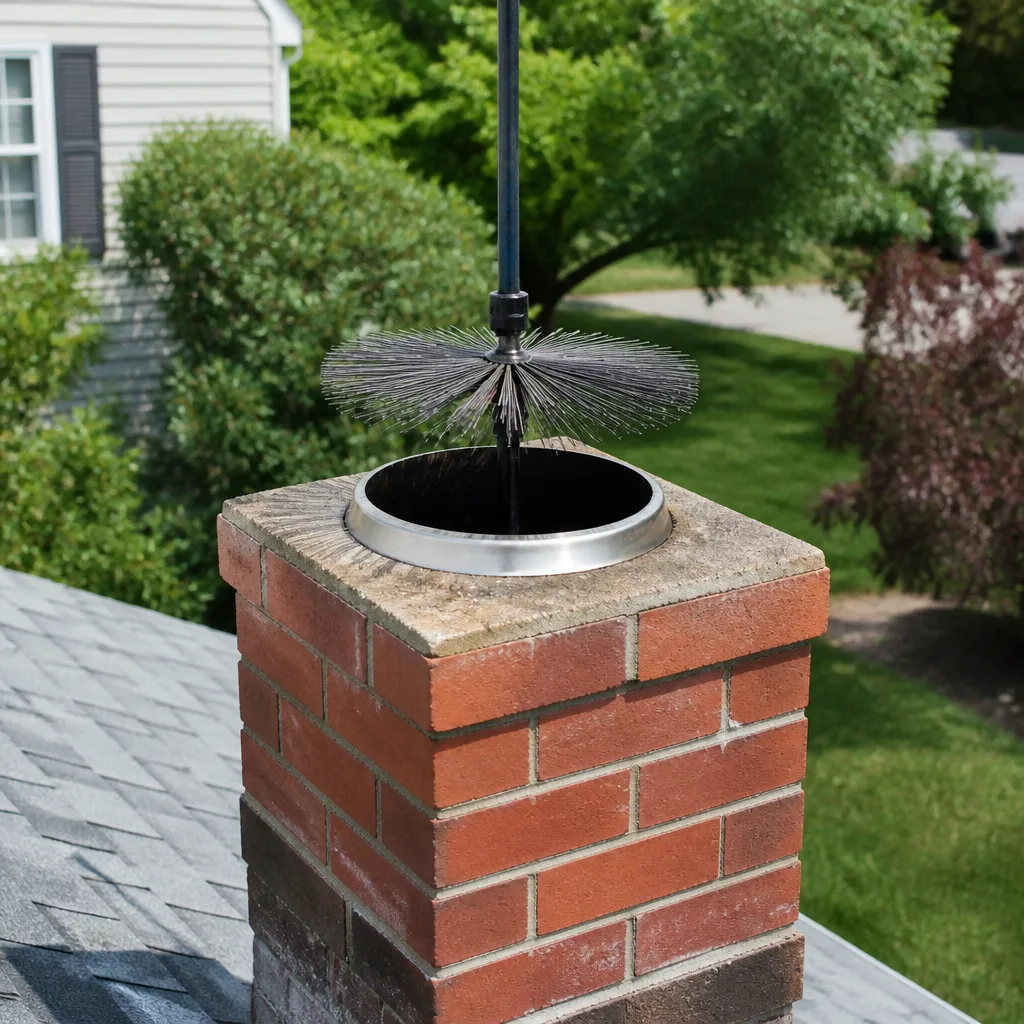 Sweep & inspection
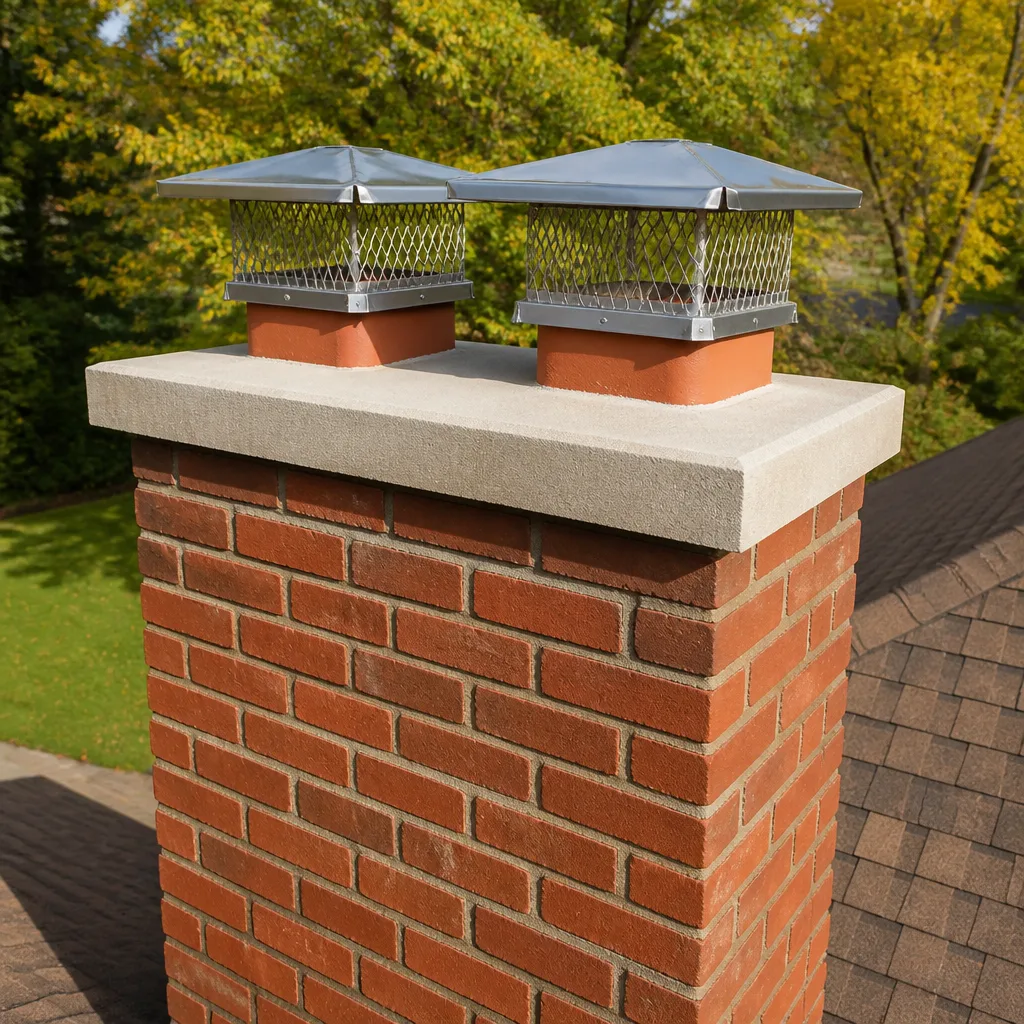 Caps & crowns
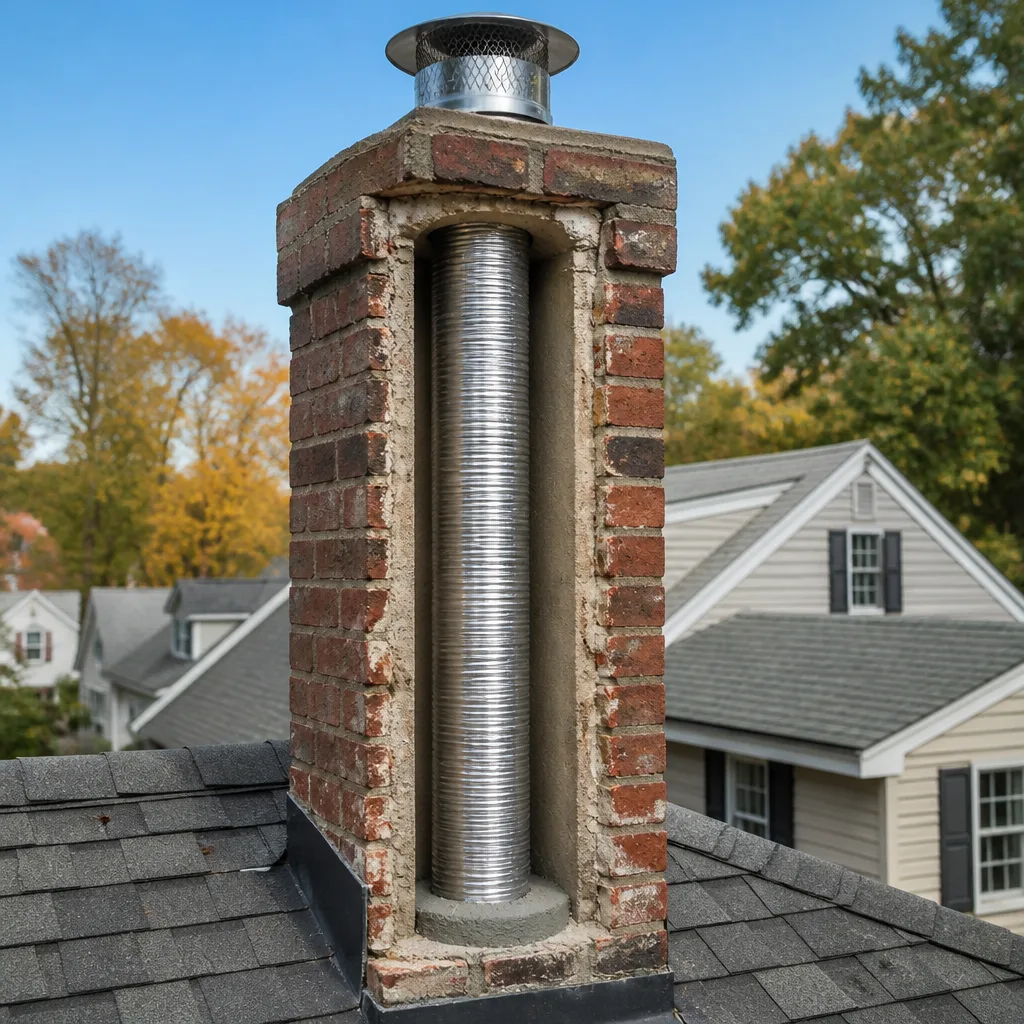 Flue relining
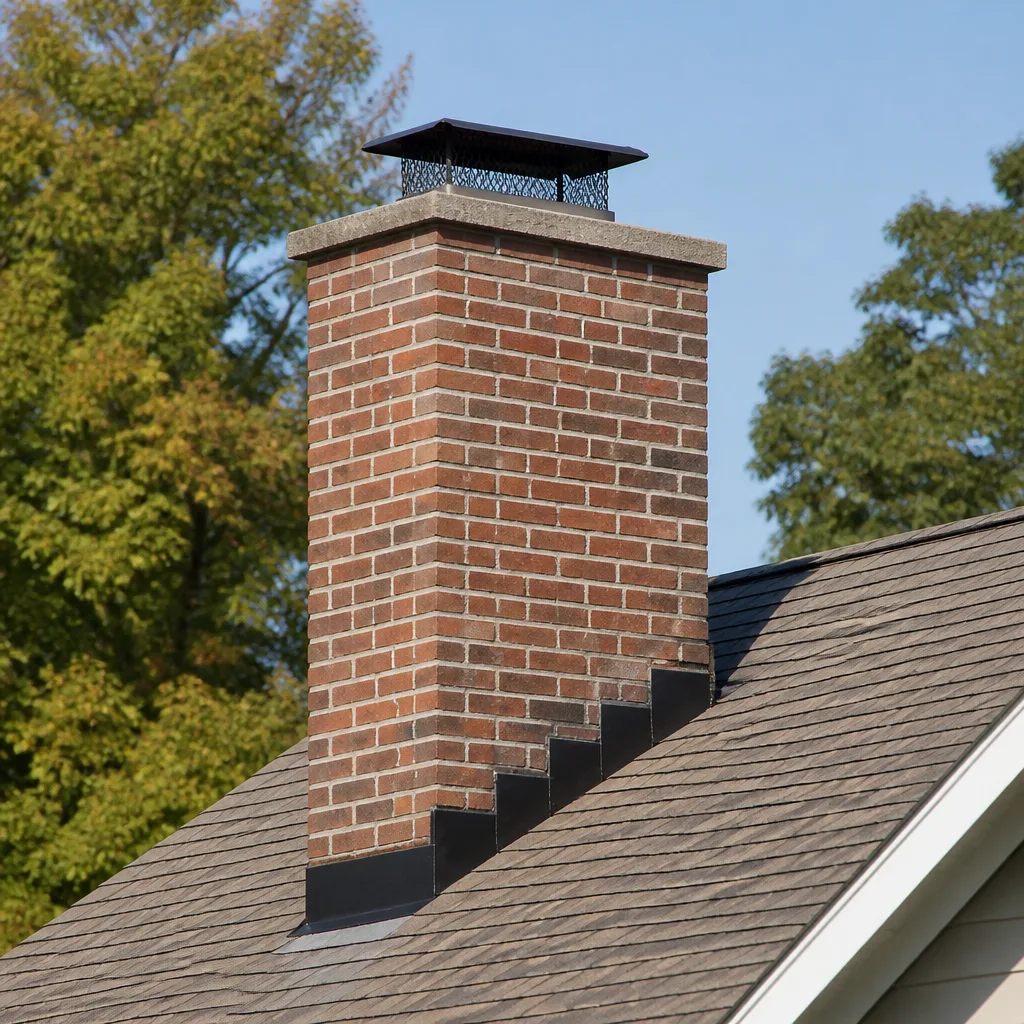 Masonry repair
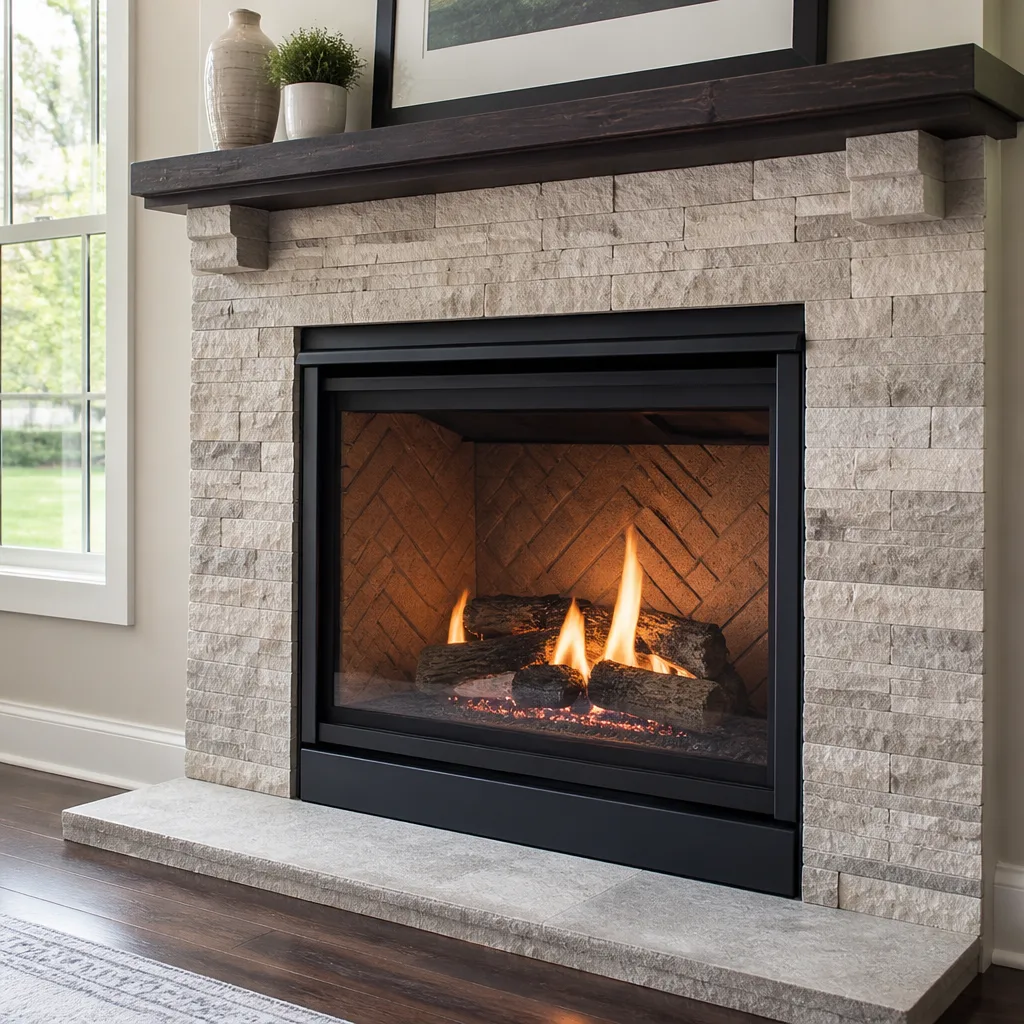 Gas fireplace service
Level 1 sweep and inspection to the NFPA 211 annual standard - flue, crown, cap, and flashing checked and photographed
Chimney sweep logs do not sweep chimneys. They loosen some creosote - which then falls where a brush and vacuum still have to collect it.
Seasonal Chimney Cleaning Care for Lakeland: Year-Round Homeowner’s Guide
Most homeowners think about the chimney in December, when the first cold front rolls through and someone wants a fire. That timing is backwards. In Lakeland, the season that does the most damage to a chimney is the long, humid stretch from March through October, when the firebox sits sealed shut and moisture works quietly against mortar joints, flue tiles, and steel damper parts that were never built for a subtropical off-season. The short burn window from November through February has its own demands, but it’s the dormant months that decide whether your chimney is sound when you light the first fire. This guide walks you through the full Lakeland chimney calendar – what to do after the last burn, why summer is the right time for real repair work, and the pre-season checks that catch problems before they cost you.
Quick Answer
Year-round chimney care in Lakeland means treating the calendar as two phases, not four seasons: a short burn window (November through February) that builds creosote and needs sweeping before and after, and a long humid dormancy (March through October) when moisture is the real threat. The critical steps are a post-season sweep and cap inspection in March, liner and masonry work scheduled during the warm dry summer months, and a pre-season startup check in October before the first fire. Get those three checkpoints right and you’ll rarely be surprised by a chimney problem in the middle of winter.
Styles & brands we work with
- Sweep & inspection
- Caps & crowns
- Flue relining
- Masonry repair
- Gas fireplace service
Table of Contents
- Why Lakeland’s Chimney Year Has Two Seasons, Not Four
- The March Reset: Post-Season Sweep and Cap Inspection
- Why Summer Is the Right Time for Liner Inspections and Masonry Repair
- Managing Summer Humidity: Top-Mount Dampers vs. Throat Dampers
- The October Pre-Season Startup Checklist
- When to Book a Mid-Season Inspection
- Creosote in a Warm Climate: What Actually Builds Up
- Materials That Matter: DuraFlex, HeatShield, and Professional-Grade Parts
Why Lakeland’s Chimney Year Has Two Seasons, Not Four
Chimney guidance written for northern climates assumes a long, cold heating season and a hard freeze that stops biological activity and dries everything out. That model doesn’t fit Lakeland. Here, the heating season is short and mild, and the off-season is long and humid. Those are two very different environments for the same chimney, and they call for different work.
During the burn window from November through February, your chimney behaves like a chimney anywhere: combustion produces smoke, creosote condenses on flue walls, and the deposits accumulate with every fire. Burning more than a handful of fires a week through that window builds measurable buildup by February. That’s normal and expected.
From March through October, the chimney is largely idle – but not inactive. Warm, humid air carries water vapor that condenses on cooler masonry and metal surfaces inside the flue. A closed throat damper doesn’t seal the flue; it only blocks the firebox opening. That leaves the flue open to the outside air at the top, and moisture migrates down, settles against mortar joints, and finds its way into hairline cracks in flue tiles. Steel damper components, hinges, and frames rust quietly. By the time you notice a problem in November, the damage has had eight months to develop.
Understanding this rhythm is the whole game. Once you accept that Lakeland’s chimney has a burn phase and a dormancy phase, the calendar of care becomes obvious: sweep after the burn season, repair and inspect during dormancy, and verify everything before the next burn season. Everything in this guide builds on that framework.
The March Reset: Post-Season Sweep and Cap Inspection
The single most valuable thing you can do for a Lakeland chimney is schedule the post-season sweep in March, right after the last fire of the year. This is the sweep that removes the winter’s creosote before it sits through a humid summer, and it’s the inspection that catches moisture problems early, while the repair season is still ahead of you.
Here’s the sequence a proper post-season visit follows:
- Sweep the full flue. Creosote is removed from the firebox through the flue, top to bottom, using the appropriate brushes for your flue type. The firebox and smoke chamber are cleaned as well.
- Inspect the cap and spark screen. The cap is your chimney’s first line of defense against rain, animals, and debris. A cracked or missing cap lets water straight into the flue all summer. The screen keeps birds and squirrels out; nests are a common summer discovery.
- Check the crown. The concrete crown at the top of the chimney sheds water away from the masonry. Cracks in the crown are a direct pathway for moisture into the chimney structure, and they’re easy to spot and repair when they’re small.
- Examine the flashing. Where the chimney meets the roof, flashing and sealant keep water out of the attic and framing. Failed flashing shows up as staining on ceiling or rafters, and it’s a roof problem, not a chimney problem – but it starts at the chimney.
- Run a camera inspection of the flue. A camera look at the interior surfaces reveals cracked tiles, gaps in joints, and early signs of liner deterioration that no exterior inspection can show.
Do this in March and you’ve cleared the creosote, sealed the chimney against summer moisture, and given yourself a documented baseline for the year. That documentation matters when you’re comparing quotes for repair work in June or July – you know exactly what needs doing and what doesn’t.
Why Summer Is the Right Time for Liner Inspections and Masonry Repair
Summer is the correct season for chimney repair work in Lakeland, and the reasons are practical. First, you’re not competing for a technician’s time. The busiest weeks for any chimney specialist fall in the cooling season when everyone wants a pre-season sweep; scheduling a liner inspection or masonry repair in June or July means you get the work done without the winter rush. Second, mortar and ceramic resurfacing materials cure and set better in warm, dry conditions – the same way concrete sets better in mild weather than in cold. Third, if a repair opens up an unexpected problem, you have months to address it before the first cold front, not days.
The work that typically happens in a Lakeland summer includes:
- Liner inspection and relining. A cracked or deteriorating flue liner is a safety issue – it’s what separates combustion gases from the framing of your house. Relining with a flexible liner system such as DuraFlex is a one-visit job that restores the flue’s integrity, and summer is when it makes sense to schedule it.
- Ceramic resurfacing of damaged liners. For liners that are compromised but not fully failed, ceramic resurfacing (HeatShield) can restore the surface and extend the liner’s life without the cost of full replacement. Warm-weather curing makes the timing ideal.
- Masonry repair. Cracked crowns, spalled brick, deteriorated mortar joints at the roofline – all of it cures better and lasts longer when applied in dry summer conditions.
- Damper work. If you’re upgrading to a top-mount damper or repairing a stuck throat damper, doing it before the burn season means you test it in real conditions in the fall.
Our full chimney repair work follows this seasonal logic: we do the heavy work when the conditions favor it and the calendar allows it, so the chimney is ready when the fires start. Homeowners who schedule repairs in the summer are rarely the ones calling in an emergency in December.
Managing Summer Humidity: Top-Mount Dampers vs. Throat Dampers
This is the Lakeland-specific point most general chimney advice skips entirely: the type of damper you have determines how much humid air reaches your flue during the off-season, and in a climate with eight humid months, that difference matters.
A throat damper sits at the top of the firebox, just above the fireplace opening. When closed, it seals the firebox from the flue – but the flue itself is still open to the sky through the chimney cap. Humid summer air enters the flue from above, condenses on cooler surfaces, and sits there. The throat damper does nothing to stop it. Many Lakeland homes have throat dampers, which is one reason post-season moisture problems are so common here.
A top-mount damper installs at the top of the chimney, sealing the flue from above. When closed in the off-season, it keeps rain, humid air, and animals out of the entire flue. When open for burning, it functions as the operating damper for the fireplace. For a climate with a long humid dormancy, a top-mount damper is a meaningful upgrade – it changes the chimney’s exposure profile from “open to the sky for eight months” to “sealed except when in use.”
We install top-mount dampers and throat dampers, and the choice depends on your fireplace type, flue configuration, and how the chimney is built. If your home is on its original throat damper and you’ve noticed rust or persistent musty odors in summer, it’s worth asking about a top-mount. A top-mount damper also fits naturally with a chimney cap upgrade; they’re complementary parts, and the trade-level suppliers we work with stock both to fit standard flue sizes.
The October Pre-Season Startup Checklist
October is the month to bring the chimney back online before the first fire of the season, and before holiday guests arrive and someone builds a fire without checking anything. This is a short checklist, but each item catches a specific failure mode:
- Test the damper by hand. Open and close it fully. It should move smoothly and seat fully closed. A damper that sticks, hangs, or won’t seal needs attention now, not on the first cold night.
- Inspect the cap and spark screen from the ground or roofline. Look for a missing or damaged cap, a torn screen, or visible nest material. A quick look with binoculars from the yard tells you most of what you need to know; a professional inspection confirms it.
- Check for summer moisture evidence. Rust on damper parts, white efflorescence staining on masonry, or a musty smell in the firebox all point to moisture intrusion during the humid season. If you find any of it, a professional look is warranted before you burn.
- Clear the firebox and ash pit. Old ash and debris from last season should be removed. A clean firebox makes the first fire burn more cleanly and lets you spot any new cracks or staining.
- Do the one-burn smoke test. Before the holidays and before any real use, build a small test fire and watch the smoke draw. A fire that back-puffs into the room, smokes from the firebox opening, or smells acrid in the house is signaling a draft problem – typically a blockage, a damper issue, or a flue that needs sweeping. Test it on a mild day with a window cracked, not at a holiday gathering.
If the smoke test goes clean and the damper works, you’re ready for the season. If anything is off, the smoke test is the cheapest diagnostic you’ll ever run. Book a sweep and inspection in October and the issue gets resolved before it becomes a mid-winter problem – and before the pre-holiday rush of last-minute sweep requests that always hits the schedule in November.
When to Book a Mid-Season Inspection
The burn window in Lakeland is short – November through February – but a household that burns fires regularly through that window can still build substantial creosote by the end of January. A useful rule of thumb: if your household burns more than 20 fires between November and February, schedule a mid-season inspection in January or early February. That’s enough burn volume that creosote accumulation can reach the point where a second sweep of the season makes sense, and inspecting mid-season catches any problems before the final stretch of winter.
Watch for these signals that a mid-season look is due regardless of fire count:
- Slower draft than earlier in the season, or smoke that lingers at the firebox opening.
- A stronger, sharper smell of smoke in the house after fires, or creosote odor in the firebox even when cold.
- Visible black, crusty deposits on the flue walls when you can see them from the firebox.
- Any glazed or shiny appearance to creosote – that’s the harder, more combustible grade and it warrants prompt attention.
Creosote comes in grades from light soot to hard glazed deposits, and the harder grades are more difficult to remove and more combustible. A mid-season sweep clears the accumulation before the risk builds through February. If you’re burning hard through the winter, it’s a small cost for real peace of mind.
Creosote in a Warm Climate: What Actually Builds Up
Creosote forms when combustion gases cool before they leave the chimney, condensing on the flue walls as a residue. In a mild climate like Lakeland, the chimney heats up more slowly than in a northern home that’s been burning for months, and the firebox-to-flue temperature differential can be greater on a cool morning. A few fires a week through November and December still build a visible layer by January, and how much depends on your fuel and your burning habits.
What burns cleanest and slows creosote:
- Seasoned hardwood. Wood with a moisture content around 20% burns hotter and cleaner than green or freshly cut wood. If you’re buying firewood, ask about seasoning.
- Hot, efficient fires. A fire that’s allowed to burn hot and bright, rather than smoldering low all evening, produces less creosote. Smoldering fires are the biggest creosote builders in any climate.
- No trash, wrapping paper, or treated wood. These produce compounds that condense in the flue and add to the deposit.
Some creosote is unavoidable – a chimney that burns wood will accumulate deposit over a season. The point of the seasonal sweep is to remove it before it hardens and before it reaches a combustible thickness. In Lakeland, the post-season sweep in March matters most because whatever’s in the flue in March sits there through the humid months, where it can absorb moisture and become harder to remove.
Materials That Matter: DuraFlex, HeatShield, and Professional-Grade Parts
The difference between a chimney repair that lasts and one that doesn’t usually comes down to the materials specified. Generalists and big-box parts are cheaper; professional-grade materials from trade suppliers are built for the conditions a chimney actually sees. We specify professional brands because the chimney trade has standards, and the parts are sized and rated to meet them.
Our liner work uses DuraFlex flexible liner systems, the professional-grade standard for relining projects. The flexible construction lets a liner fit a flue that’s not perfectly straight, while the material resists the heat and corrosion that a chimney flue bears. For liners that are damaged but not fully failed, we use HeatShield ceramic resurfacing to restore the interior surface and extend the liner’s life, which can save a homeowner the cost of a full reline.
For components like caps, dampers, screens, and masonry repair materials, we source from trade-level suppliers including Olympia Chimney, Gelco, Famco, and Copperfield. Those brands supply the professional side of the chimney trade; the parts are sized to standard flue dimensions and made for real chimney conditions. It’s the same principle across every service: professional brands from professional suppliers, installed by technicians whose experience is built around chimney work and nothing else. Our technicians have up to experience, and every job they do is a chimney job.
Common Mistakes to Avoid
- Sweeping only in the fall. A pre-season sweep alone leaves the winter’s creosote in the flue all summer, where summer humidity can turn it into a harder deposit. The March sweep removes it when it’s fresh and easiest to clear.
- Assuming a closed damper keeps rain out. A throat damper seals the firebox, not the flue. Uncovered flues take in water and humid air all summer unless there’s a cap or top-mount damper sealing the top.
- Skipping the cap inspection. A cracked or missing cap goes unnoticed by most homeowners and lets animals and water straight in. It’s one of the cheapest repairs to make and one of the most expensive problems to ignore.
- Burning green or unseasoned wood to stretch the firewood. It burns cooler, produces more creosote, and works against the sweep you paid for. The cost of seasoned wood is cheaper than a mid-season sweep.
- Scheduling a repair in November. If a repair can wait, scheduling it in summer means the work is done in the right conditions and there’s no scramble when the first cold front hits. A cracked crown found in March should be fixed by May, not December.
- Using a general handyman for liner work. Chimney work is a trade with its own materials, sizing, and standards. A generalist working from big-box parts won’t specify a DuraFlex or HeatShield system, and the result is a repair that doesn’t meet the standard.
- Ignoring a smoke test that back-puffs. Smoke that lingers in the firebox or smells acrid indoors is a draft problem that a fire test exposes. Running a test burn in October tells you whether the chimney is actually ready before guests arrive.
See the difference
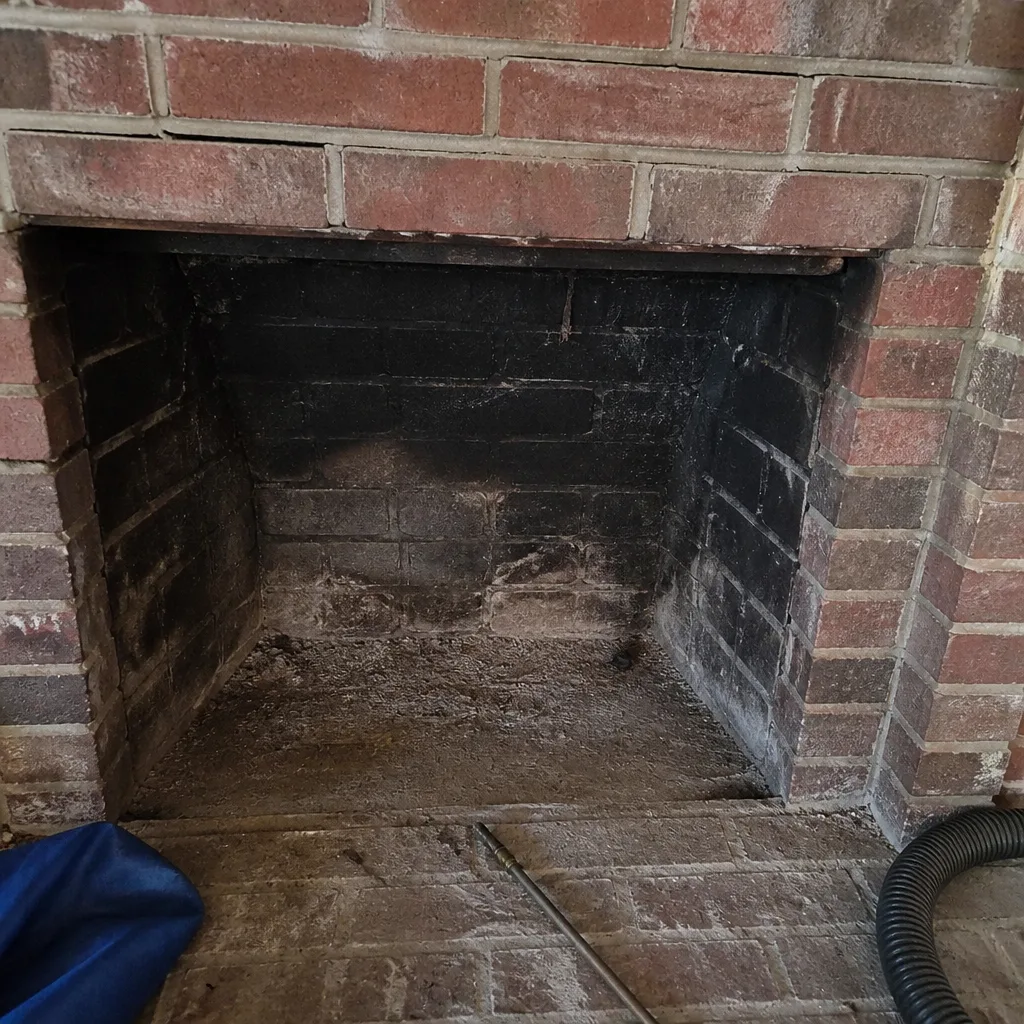 Before
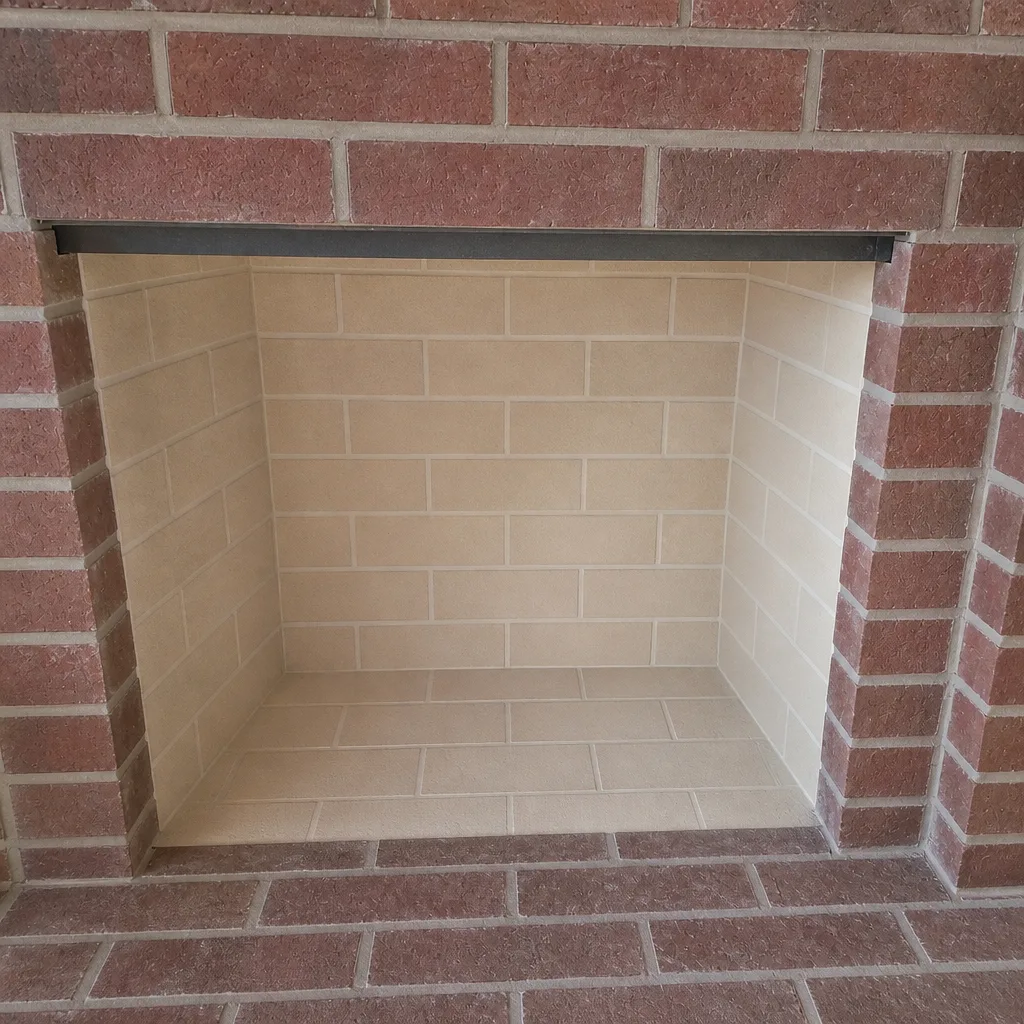 After
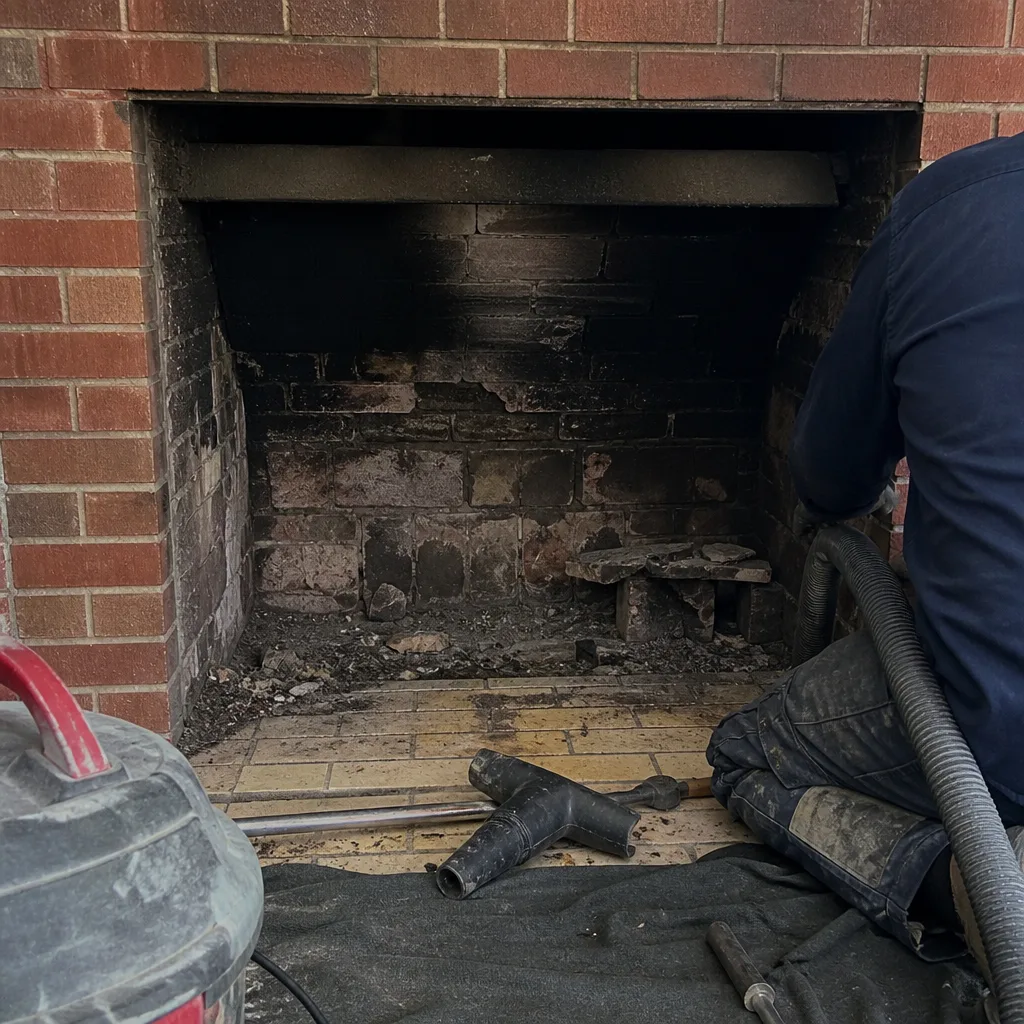 Before
 After
 Before
 After
When to Call a Professional
Call a professional for your chimney when the work involves the flue or the structure – that’s the category to leave to a specialist. Call for a sweep if you can’t remember when the flue was last cleaned or if there are visible deposits on the flue walls. Call for an inspection if you found a cracked crown, flashing that might be failing, or evidence of moisture in the firebox. Call for repair if a damper sticks or won’t seal, if the cap or screen is damaged, if the crown is spalled, or if a camera inspection reveals cracked tiles or a deteriorating liner. Never reline or repair masonry on instinct: a proper inspection identifies exactly what’s needed, and nothing is recommended that a camera inspection doesn’t support. For the full-scope inspection we offer, see our lakeand chimney inspection page and schedule the visit before the burn season. Lakeland homeowners can call (844) 410-7138 to schedule a free estimate.
Frequently Asked Questions
A wood-burning chimney should be swept at least once a year, and in Lakeland the ideal timing is the post-season sweep in March, with an additional mid-season sweep if the household burns more than 20 fires between November and February. The annual post-season sweep is the one that matters most here because it clears the winter’s creosote before the long humid months, when moisture can make the deposit harder to remove. If you’re not sure when the last sweep happened, book one before the next burn season and treat that as the baseline. Call (844) 410-7138 for an exact quote; estimates are free.
A liner replacement is only needed when a camera inspection shows cracked tiles, gaps at the joints, or a liner that’s degraded to the point of no longer protecting the surrounding structure. A lot of liner work can be avoided: where the damage is surface-level, HeatShield ceramic resurfacing can restore the liner and extend its life without a full reline, and we’ll say plainly when repair is the right call versus replacement. Nothing we recommend is done without a camera inspection result you can see for yourself. Call (844) 410-7138 to schedule an inspection; the estimate is free.
The immediate risk is creosote buildup, and the longer-term risk is a chimney fire or a moisture problem that wasn’t caught. Creosote is combustible, and the harder glazed grades are the more hazardous – a sweep removes the deposit before it reaches that point. In a Lakeland summer, the deposit also sits through eight humid months, absorbing moisture and setting harder, which makes the next sweep more difficult and can exacerbate cracks in tiles. A skipped year is a gamble on a system that’s designed to be checked annually. Call (844) 410-7138 for an exact quote; estimates are free.
Yes, and summer is the best time to do it in Lakeland. Chimney specialists are less booked in the off-season, mortar and resurfacing materials cure better in warm, dry weather, and if a repair uncovers a larger problem you have months to plan and complete the work before the burn season. Scheduling an inspection in June or July also means you’re not competing for a slot in November when everyone wants a pre-season sweep. Call (844) 410-7138 to schedule; estimates are free.
The signs are visible: rust on damper parts, white efflorescence staining on the masonry, a musty smell in the firebox even when no fire has burned for months, or a cap or crown that’s cracked and letting water in. A throat damper does nothing to keep humid air out of the flue because the flue remains open at the top; a top-mount damper seals the flue from above when closed and is a meaningful defense for a Lakeland home during the humid off-season. If you spot any of the signs, get it checked before you burn. Call (844) 410-7138 for an exact quote; estimates are free.
The one-burn smoke test is a small, controlled fire built in October before the season starts, used to verify that the chimney draws correctly: smoke should travel up and out, not back into the room or linger at the firebox opening. It’s worth doing because a draft problem discovered during a mild test fire is far cheaper than the same problem discovered at a holiday gathering, and it takes minutes. If the smoke test shows back-puffing, a lingering smell, or slow draft, book a sweep and inspection before building a real fire. Call (844) 410-7138 for an inspection; estimates are free.
The Bottom Line
Lakeland’s chimney calendar is defined by two phases, and each one has its own job. The burn window from November through February builds creosote, so sweep it out in March before the humid season sets in. The dormancy from March through October is when moisture threatens mortar, flue tiles, and steel damper parts, so seal the top with a proper cap or top-mount damper, inspect the liner and crown, and schedule any repair work for the warm months when the conditions and the schedule favor it. Run the October startup checklist before the first fire, and book a mid-season inspection if you burn more than 20 fires in a winter. Chimney care here is a specialist’s job: our technicians have up to experience, and every job we do is a chimney job – sweep, inspect, and repair under one roof, with professional-grade brands like DuraFlex, HeatShield, and Olympia Chimney throughout. No generic parts, no divided attention.
Call (844) 410-7138 for a free estimate. We answer 24/7. Fast dispatch from 7am to 7pm, Sunday through Friday, and we can schedule your March sweep or your October startup now. Whether you need a chimney sweep after the last fire of the season or a closer look at a liner during the summer, Lakeland Chimney Cleaning is a chimney-only provider – so the work is done once, by specialists, and you know exactly what went into your home.
Written by the team at Lakeland Chimney Cleaning.