
Last updated November 16, 2026
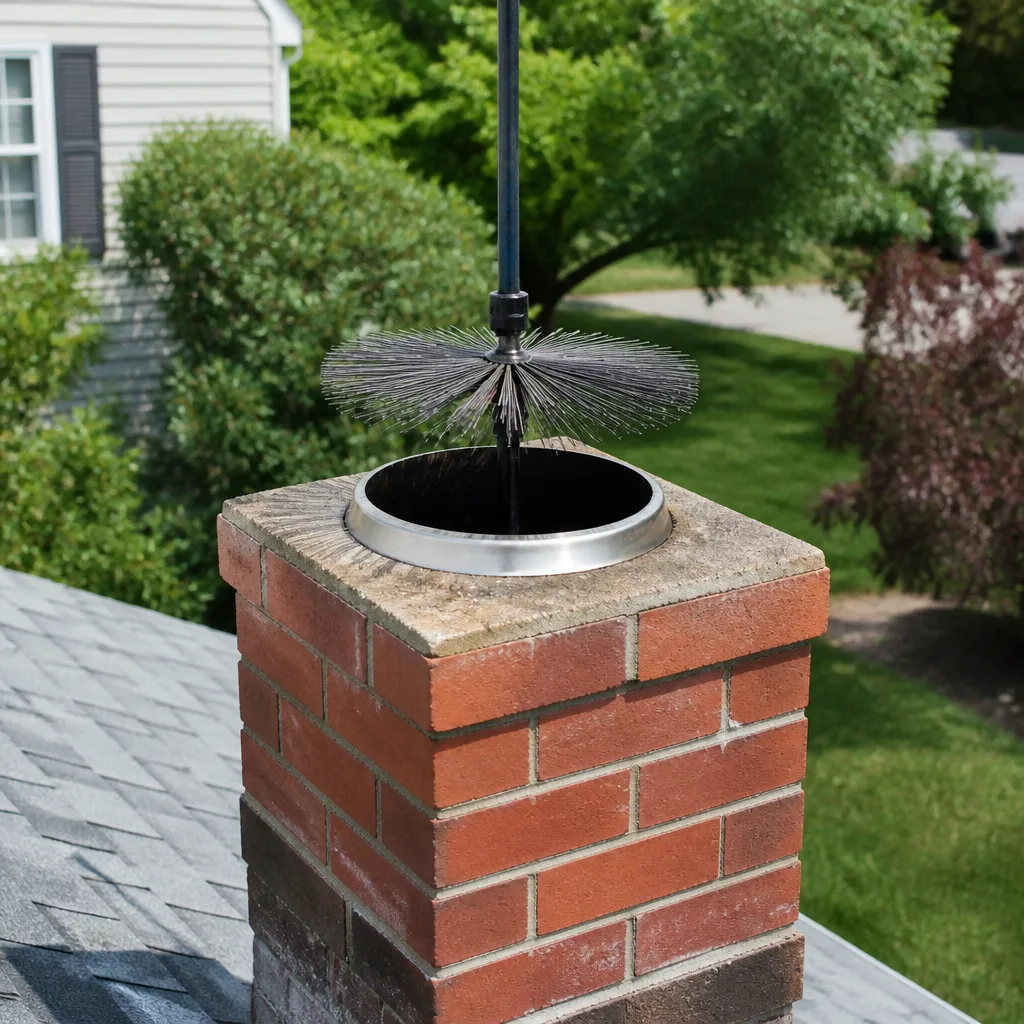 Sweep & inspection
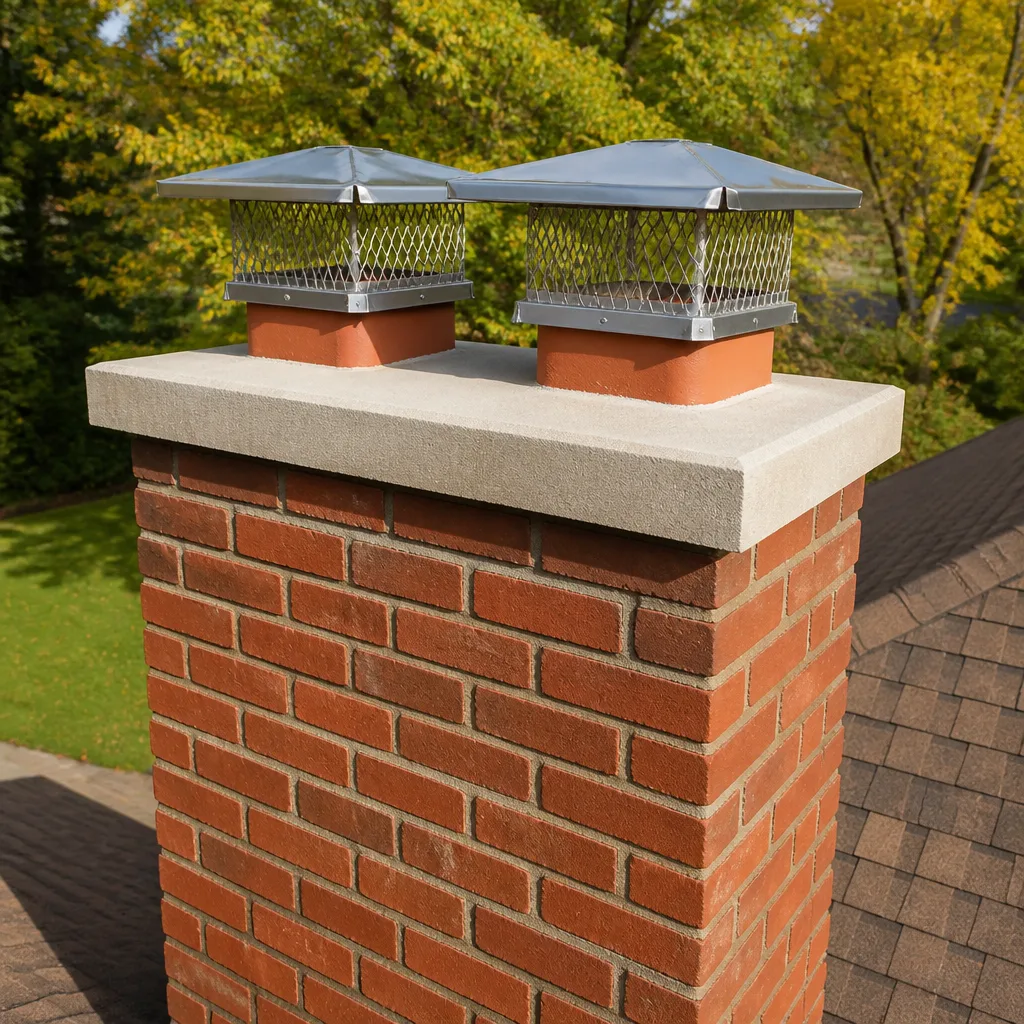 Caps & crowns
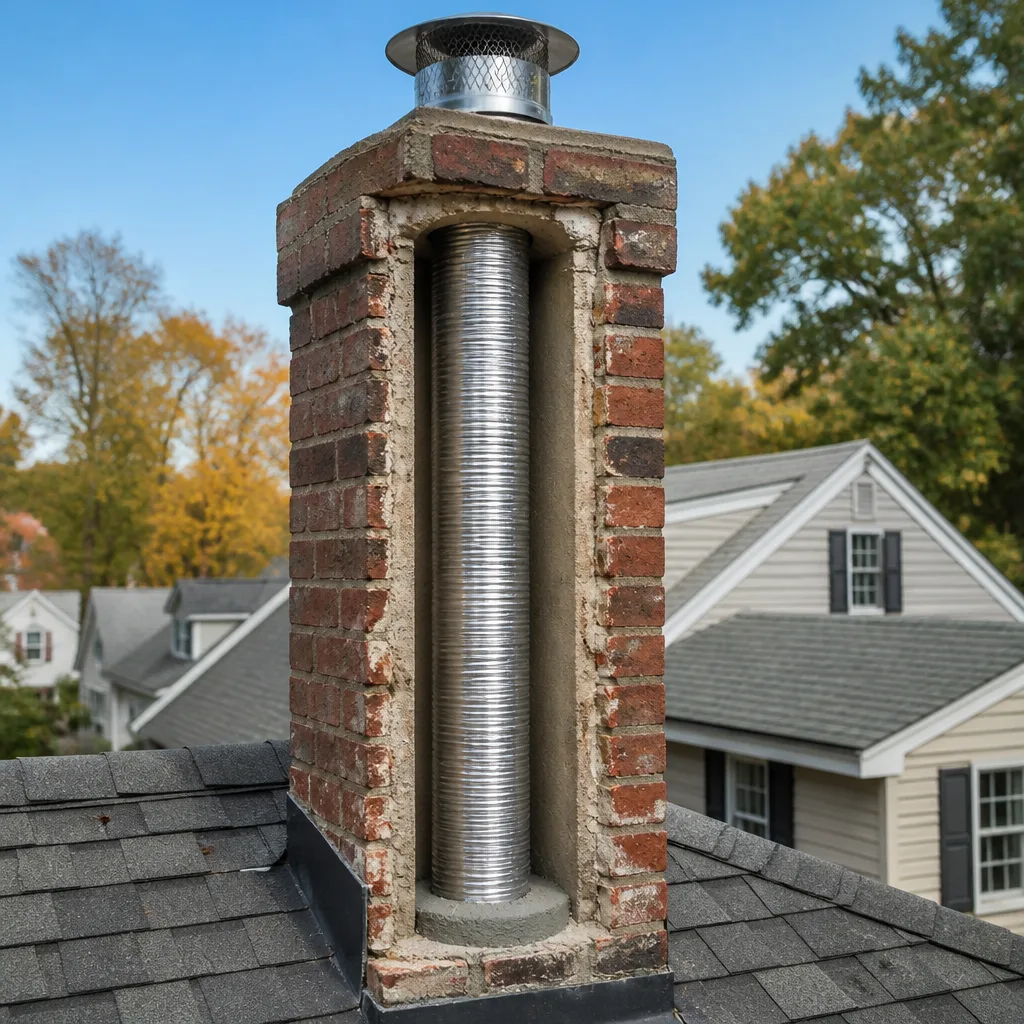 Flue relining
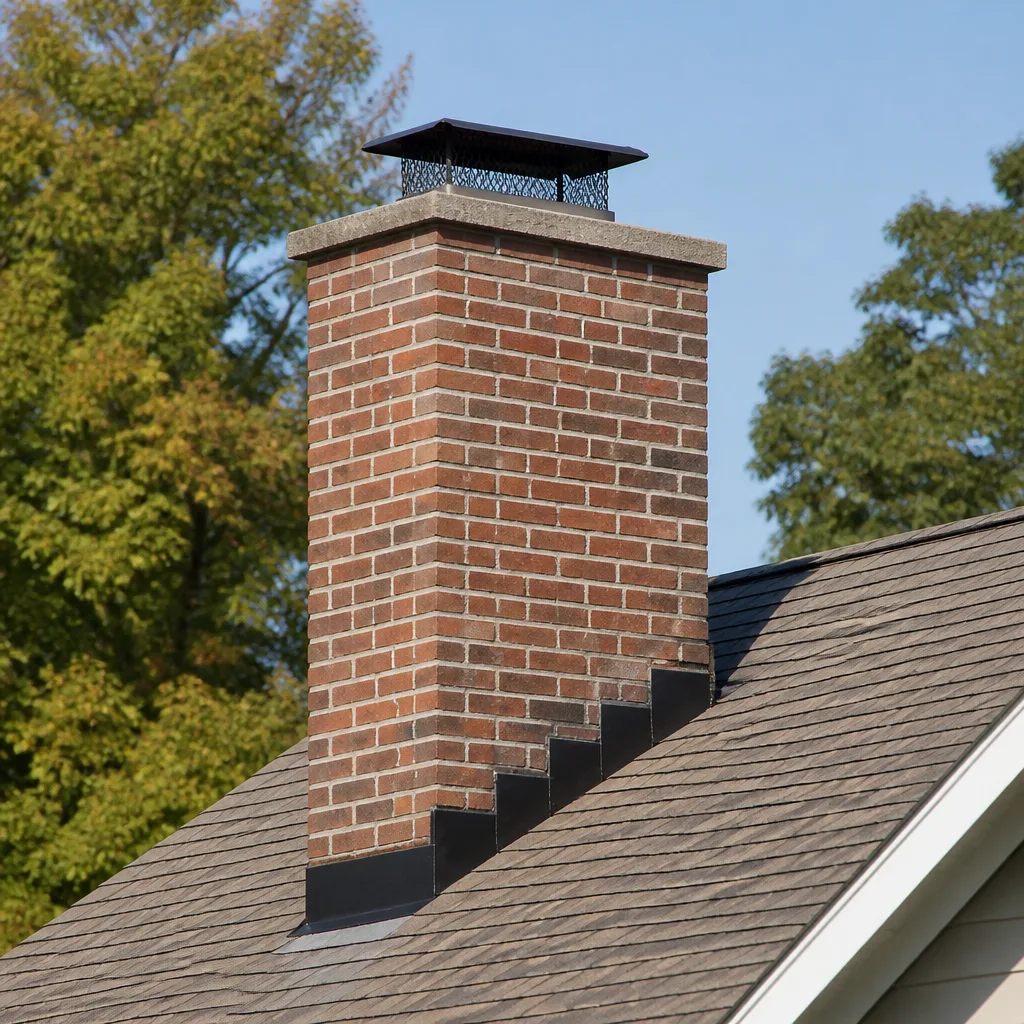 Masonry repair
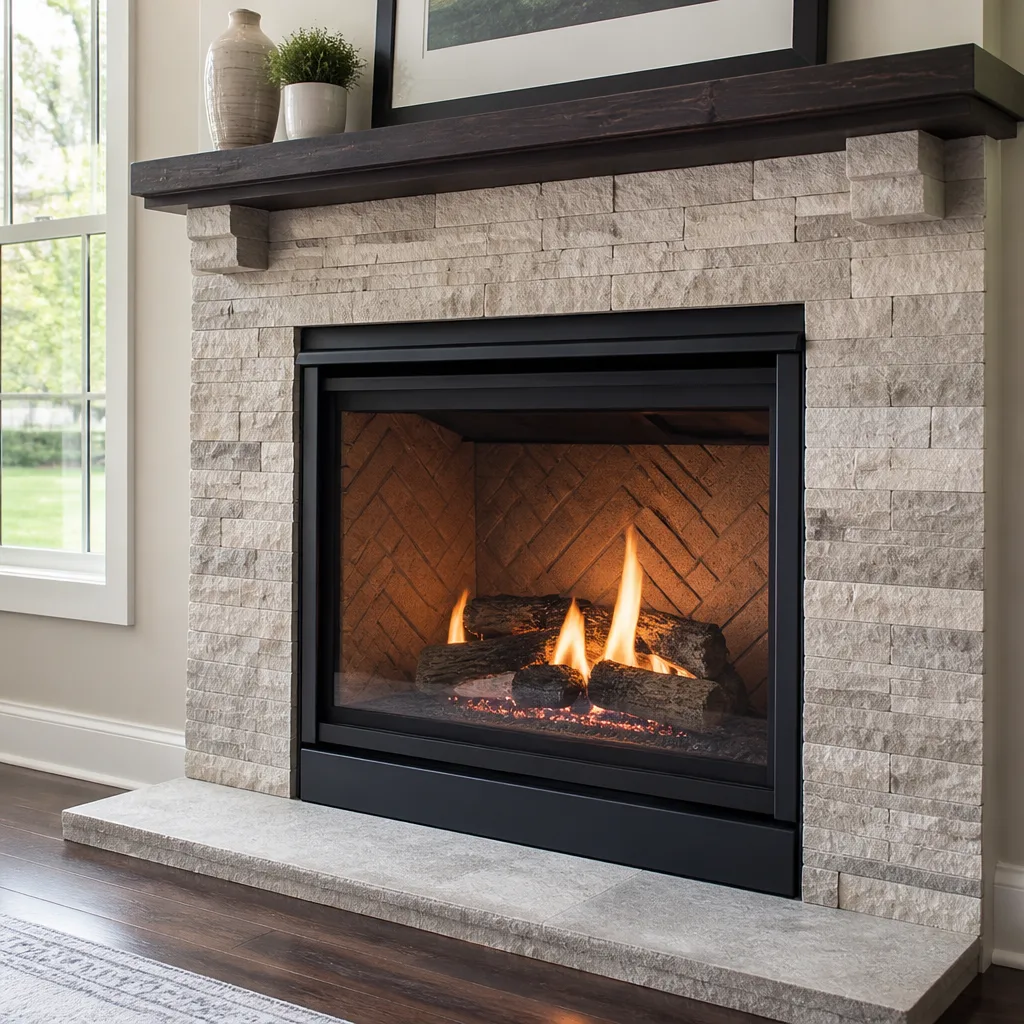 Gas fireplace service
Level 1 sweep and inspection to the NFPA 211 annual standard - flue, crown, cap, and flashing checked and photographed
Chimney sweep logs do not sweep chimneys. They loosen some creosote - which then falls where a brush and vacuum still have to collect it.
Chimney Cleaning Emergency Preparedness Guide for Lakeland Homes
The first real cold front that reaches Lakeland each November sets off more chimney fire calls than any other single event of the year. Not because the chimneys suddenly changed. Because homeowners light the first fire of the season without any idea what has collected in the flue over the past eight months of disuse. Creosote sits there quietly through spring and summer, glazing harder with every warm day, and the first flame of fall meets it head-on. This guide covers the emergencies Lakeland chimneys actually produce, the warning signs that give you a few minutes to act, the exact sequence to follow when a fire is already burning, and what to preserve before anyone touches the chimney afterward so your records hold up.
Quick Answer
A chimney emergency in Lakeland usually means one of three things: a chimney fire fueled by accumulated creosote, carbon monoxide backing into the home from a blocked or damaged flue, or structural failure after a summer storm. The single most effective preparedness step is a professional sweep and inspection before the first fire of the season, because every one of those emergencies starts with a condition you can see and correct in advance. When a chimney fire is already burning, close the damper, get everyone outside, and call 911.
Styles & brands we work with
- Sweep & inspection
- Caps & crowns
- Flue relining
- Masonry repair
- Gas fireplace service
Table of Contents
- Why the First Cold Snap of November Drives Chimney Emergencies in Lakeland
- How to Tell an Active Chimney Fire From Normal Combustion Noise
- The Exact Steps to Take During a Chimney Fire, and What Makes It Worse
- Post-Storm Chimney Inspection: What to Check Before You Light a Fire
- Carbon Monoxide and Your Chimney: Backdraft, Placement, and Why Two Detectors Matter
- What to Document and Preserve Before a Repair Contractor Arrives
- Building a Year-Round Chimney Preparedness Routine
- What a Professional Sweep and Inspection Actually Involves
Why the First Cold Snap of November Drives Chimney Emergencies in Lakeland
A chimney that sat unused through a Lakeland summer is not the same chimney that finished the last heating season. Wood smoke leaves creosote behind on every burn, and creosote changes over the off months. It dries, hardens, and in the case of the glazed third-degree type, becomes a dense, tar-like fuel that ignites at lower temperatures than fresh soot. The flue also collects what the off-season brings: nesting material, leaves, and the fine debris that blows in through an uncapped or poorly capped crown.
The first fire of the season combines all of that with something else: a homeowner who is out of practice. Damp wood gets burned because it’s what’s stacked. The damper gets opened late. A fire is built hotter than usual to shake off the chill. Each of these narrows the margin between a normal burn and a flue fire.
In our experience across Lakeland, the pattern repeats nearly every year. The first genuine cold front arrives, fireplaces across Polk County light up within the same 48 hours, and the calls follow. A pre-season sweep interrupts that sequence before it starts. It clears the accumulated creosote, removes the nesting debris, and gives a technician the chance to examine the flue while the chimney is still cold and easy to assess. Scheduling a chimney sweep before the first cold front is the cheapest insurance against the most common emergency we see.
Lakeland’s climate makes this trickier than it sounds. The mild winters mean fewer fires per season than in colder regions, so creosote accumulates more slowly and homeowners underestimate it. A chimney used a dozen times a year can still build a dangerous layer over two or three seasons if it’s never swept. Low usage is not the same as low risk.
How to Tell an Active Chimney Fire From Normal Combustion Noise
Chimney fires don’t always announce themselves with flames shooting from the top. Many burn quietly inside the flue, and the only evidence is sound or smell. The signs below separate an active flue fire from the ordinary pops and crackles of a working fireplace.
- A low, rumbling roar that sounds like a distant freight train or a blowtorch, often growing louder over a minute or two. Normal combustion crackles; a chimney fire roars.
- Repeated loud popping or tapping, like gravel or small objects hitting the inside of the flue. This is often expanding creosote or failing liner components.
- A dense, dark column of smoke from the chimney top, or smoke that turns suddenly from thin gray to thick black.
- Sparks or flames visible at the crown, sometimes accompanied by a shower of debris on the roof.
- A strong, hot, tar-like smell inside the house, distinct from the normal wood-smoke scent.
- Warped or discolored damper hardware, or a damper that will not open or close as it should.
- Heat radiating from the chimney breast in a way it never has during a normal fire.
Any one of these is enough reason to treat the situation as a live chimney fire. Two or more together and you should act immediately. The quiet ones are the ones that damage flues the most, because the fire burns hot and slow without drawing attention until the liner has already cracked. A homeowner who has never had a sweep has no way to know how much fuel is sitting in that flue, which is exactly why the sounds and smells matter more than the visible flames.
If you suspect a fire has already happened, even if it self-extinguished, the flue needs a professional inspection before it’s used again. A cracked liner or damaged crown after a fire is a direct path for carbon monoxide into the home. Our chimney repair work almost always begins with an inspection that documents exactly what the fire did.
The Exact Steps to Take During a Chimney Fire, and What Makes It Worse
If you believe a chimney fire is burning, act in this order. Don’t stop to investigate, don’t wait to see if it goes out, and don’t try to fight it.
- Close the glass doors or the fireplace screen, then close the damper if you can safely reach it. Cutting the air supply slows the fire. If the damper handle is too hot to touch, leave it and move on.
- Get everyone out of the house, including pets. Move to the driveway or the street, away from the chimney side of the house.
- Call 911 from outside. Tell the dispatcher you have a chimney fire and give the address.
- Wait for the fire department. Don’t re-enter to retrieve belongings, and don’t go back in to check on the fire.
- Once the fire is out, keep the chimney out of service until a professional inspects the flue. A fire that looks extinguished can leave a cracked liner or a compromised crown.
What makes it worse
Opening windows or doors to “let the smoke out” feeds oxygen to a fire that is already starved for air. A chimney fire pulls hard, and adding air can turn a smoldering flue fire into an aggressive one. Throwing water on a fire in the firebox is also a mistake. Water hitting a fire that hot can crack firebrick and flue tile through thermal shock, and the steam it creates drives smoke and carbon monoxide back into the room. The firebox is not the fire. The fire is in the flue, and only closing off the air supply or the fire department can reach it.
Never use a garden hose on the chimney from the roof or the ground. The temperature difference can shatter clay tile, and a person on a roof during a fire is in serious danger. The trained professionals who respond are the fire department. Your job is to get out and stay out.
After the fire department clears the scene, the next step is a professional inspection before the fireplace is used again. That inspection is not optional. A flue fire can leave damage you cannot see from the firebox, and using the chimney again without checking is how a single fire becomes a carbon monoxide emergency months later. Call (844) 410-7138 and we’ll book an inspection. We answer 24/7, with fast dispatch from 7am to 7pm, Sunday through Friday.
Post-Storm Chimney Inspection: What to Check Before You Light a Fire
Lakeland sits squarely in the path of summer tropical systems, and a chimney that survived the winter can be compromised by a single storm. Wind loads, driving rain, and debris are the three main threats, and the damage is often invisible from the ground. Before the first fire after any significant weather event, work through this checklist.
- Look at the chimney cap from the ground. A cap that is missing, bent, or sitting askew means water and animals can enter the flue. A displaced cap is one of the most common post-storm findings.
- Check the crown for cracks. The concrete crown at the top of the chimney should shed water away from the flue. Cracks let water in, and repeated wetting damages the liner and the masonry.
- Scan the flashing where the chimney meets the roof. Lifted or torn flashing is a direct path for water into the attic and ceilings.
- Look for debris on the firebox floor or in the smoke chamber. Leaves, twigs, and nesting material blown down the flue during a storm block the draft and create a carbon monoxide risk.
- Smell the firebox. A strong smoky or musty odor after a storm often means water has entered and the flue needs to dry out before use.
- Check the masonry for spalling or loose mortar. Water that soaked into brick during a storm can freeze and expand, pushing mortar and brick faces loose.
If any of those checks turn up a problem, don’t light a fire until a professional has looked at it. A professional inspection uses a camera to see inside the flue, which is the only way to catch a cracked liner, a damaged smoke chamber, or debris that has lodged partway down. If you’ve noticed storm damage and want a professional assessment, our Lakeland team can inspect and document what’s there.
One overlooked post-storm issue is a partial flue blockage. A bird’s nest or a mass of leaves sitting halfway down the flue doesn’t always block smoke entirely, which makes it more dangerous than a full block. Smoke and carbon monoxide can escape into the living space through a gap in the liner while the fire still seems to be drawing. That’s one reason we always camera-inspect the flue after a storm.
Carbon Monoxide and Your Chimney: Backdraft, Placement, and Why Two Detectors Matter
Carbon monoxide from a chimney is a backdraft problem, and backdraft happens when the pressure inside the house is lower than the pressure at the top of the chimney. A properly drafting flue pulls smoke and CO up and out. A flue that has lost its draft pushes those gases into the room instead, and the homeowner frequently has no idea it’s happening because carbon monoxide is invisible and odorless.
The conditions that cause backdraft in a Lakeland home are specific and predictable:
- A blocked flue from nesting material, leaves, or a collapsed liner section.
- A cold flue on the first fire of the season. A cold column of air in the flue needs a few minutes of gentle warming before it will draft properly. Big hot fires lit immediately can push smoke backward before the draft establishes.
- Negative pressure in the house from running a kitchen exhaust fan, a bathroom fan, or a clothes dryer while a fire is burning. These fans pull air out of the house, and the chimney becomes the replacement air path, reversing the draft.
- A cracked or separated liner that lets flue gases escape into the space between the liner and the masonry, which then finds its way into rooms through gaps around the chimney breast.
- An oversized flue relative to the fire, common with gas fireplaces or inserts that were added to older chimneys without a proper liner sized for the appliance.
This is why detector placement matters. Bedroom detectors protect occupants during sleep, which is critical. But a CO detector in the living space near the fireplace catches a problem while it’s happening and before it builds to a dangerous level in the rooms where people sleep. Place a detector near the firebox, mounted at a height recommended by the manufacturer on the wall or ceiling, and keep the bedroom detectors in place as well. The two serve different purposes.
A chimney that has been professionally swept and inspected has its drafts checked and its liner verified. DuraFlex flexible liner systems are what we specify for relining projects, and they’re the professional standard because they maintain a continuous, properly sized flue pathway. An unbranded or improperly sized liner is the exact condition that lets CO escape into a house. If you smell smoke indoors when the fireplace is drawing, or the fire feels sluggish and won’t burn clean, stop using the fireplace and book an inspection.
What to Document and Preserve Before a Repair Contractor Arrives
If a chimney fire or a storm has damaged your chimney, what you capture in the first 48 hours matters for both insurance and liability. Insurers increasingly ask for photographic evidence of the pre-loss condition, and homeowners who can’t produce it end up arguing over whether the damage was pre-existing. Document everything before any cleanup begins.
- Photograph the exterior from multiple angles. Get clear, well-lit shots of the chimney top, the crown, the flashing, and the full stack from the ground.
- Photograph the interior of the firebox including the damper, the firebrick, and the smoke chamber if reachable. Don’t clean anything first.
- Photograph any smoke or soot staining on the wall around the chimney breast, the ceiling, or the surrounding floors.
- Save the fire department report and the incident number. If a professional inspection was done afterward, keep that report and any photos the technician took.
- Save receipts for the last sweep, the last inspection, and any chimney repair or liner work. Proof of maintained condition helps an insurance claim.
- Note the date and time of the incident and a short description of what you saw, heard, and smelled, written down while it’s fresh.
- Don’t discard damaged components. A failed liner section, a warped damper, or a cracked crown piece may be requested by an adjuster or a repair technician evaluating the cause.
Preserving evidence is also about liability. If you’re a landlord, prompt documentation protects you from a tenant’s claim. If you’ve recently bought the home, the inspection report from the sale is valuable context. A chimney technician who arrives to find well-documented incident evidence can often give a faster, more accurate repair estimate, because the cause is clearer. That said, no written estimate should be issued until the flue has actually been inspected with a camera. If a contractor quotes you thousands of dollars for a liner replacement before looking inside the flue, that’s a red flag worth heeding.
Building a Year-Round Chimney Preparedness Routine
Most chimney emergencies start as routine conditions that went unaddressed. A modest year-round routine keeps a Lakeland chimney in condition to handle the fires it will see.
- Early fall (October): Schedule the sweep and inspection before the first cold front. This is the single most important step on the calendar because it clears the accumulated creosote before it’s ever exposed to a flame.
- Before each fire after a storm: Run the post-storm checklist above. Tropical systems and severe thunderstorms are the leading cause of sudden structural damage in the region.
- Throughout the season: Have the chimney inspected at the frequency the professional inspection calls for based on how much you burn. Low use still deserves an annual look.
- Late spring: After the last fire of the season, have the flue swept to remove creosote before it sits through the summer. Creosote that dries over a warm summer is the harder-to-remove glazed type.
- Anytime you smell smoke indoors with the fireplace burning, stop and get an inspection. Backdraft smoke is a CO warning sign.
Lakeland’s mild winters don’t reduce the need for this routine. They shift it: a shorter burning season means fewer fires per year, which tempts homeowners to skip a sweep. A chimney that was swept two seasons ago may already have a dangerous creosote layer if the wood was poorly seasoned. Don’t use fire frequency as a proxy for flue condition. The flue doesn’t care how many fires you’ve had; it cares what’s in it.
The other rhythm worth adopting is the pre-purchase inspection. If you’re buying a home in Lakeland, an inspection before closing tells you what you’re actually getting. A chimney listed as “recently serviced” in a real estate listing isn’t the same as a documented flue inspection with a camera. Get it verified independently.
What a Professional Sweep and Inspection Actually Involves
Homeowners who’ve only seen a general handyman with a brush on a pole often wonder why a chimney specialist charges what they charge. The answer is in the tools, the camera, and the method.
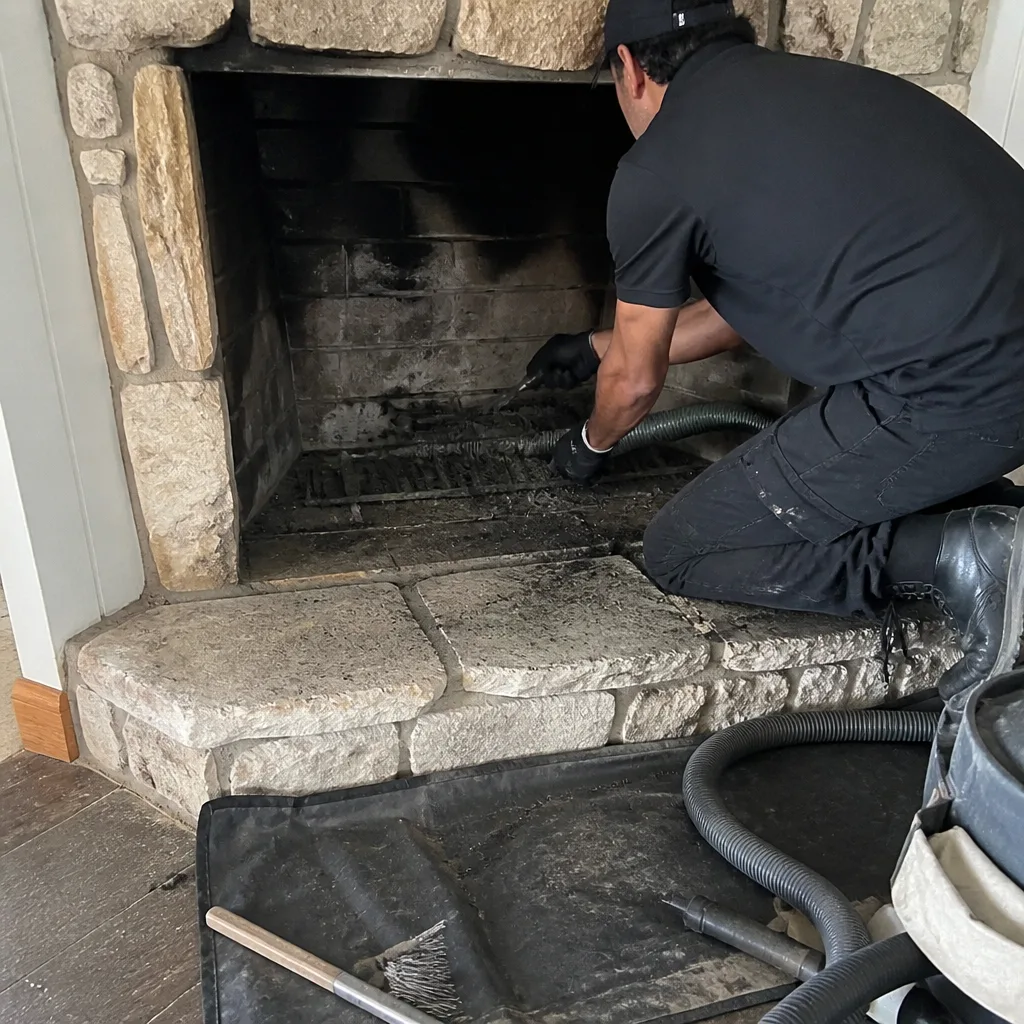
The sweep comes first. A specialist uses chimney-specific brushes, drop cloths, and a high-powered vacuum to remove creosote, soot, and debris without spreading it through the house. The process clears the flue from the top and the bottom, verifies that the damper operates, and checks that the smoke chamber is clear. Then the inspection begins, and this is where the value sits. A camera runs the length of the flue and photographs what’s there. The technician checks the liner for cracks, gaps, and correct sizing; the crown for integrity; the flashing for leaks; the smoke chamber for the rough, angled surfaces where creosote clings; and the firebox for damage to firebrick and mortar. The homeowner gets a report with the photos attached, so any recommendation is backed by something they can look at themselves.
When repair is needed, the materials matter as much as the method. We specify HeatShield ceramic resurfacing for liners that can be restored rather than replaced. HeatShield is the industry-recognized system for rebuilding a damaged liner from the inside, and it often spares the homeowner a full relining job. When a full reline is genuinely necessary, DuraFlex flexible liner systems are what we use, sourced from trade-level suppliers like Olympia Chimney and Copperfield. Those supply channels are not available to general handymen, and that shows up in the fit and the longevity of the finished job. We also work with Famco and Gelco products where they’re the right fit for the repair.
A comprehensive sweep and inspection typically takes a couple of hours depending on the chimney. It’s not a five-minute brush job, and it shouldn’t be. The whole point is to find the conditions that lead to emergencies before the emergencies happen.
Common Mistakes to Avoid
- Lighting the first fire without a sweep. The most dangerous fire of the year is the first one, because it meets eight months of accumulated creosote with a fresh flame. A pre-season sweep interrupts that sequence entirely, and it’s the single habit that matters most for a Lakeland chimney.
- Burning unseasoned wood to “get rid of it.” Wet wood burns cooler and produces far more creosote than dry, seasoned wood. The woodpile that’s been sitting out through a Polk County summer is likely too damp to burn cleanly by fall.
- Opening windows during a chimney fire. Adding oxygen to a starved chimney fire is one of the fastest ways to make it worse. Close the damper and get out instead.
- Running kitchen or bathroom fans with a fire burning. Exhaust fans pull air out of the house and can reverse the chimney draft, pushing carbon monoxide back into the living space. Turn them off while a fire is burning.
- Skipping the camera inspection. A brush sweep clears the flue, but it doesn’t tell you whether the liner is cracked or the crown is failing. Only a camera inspection catches those, and those are the conditions behind most carbon monoxide incidents.
- Using a general handyman for chimney repair. Chimney work is its own trade, with its own materials and its own failure modes. A generalist who’s never specified a DuraFlex liner or applied HeatShield resurfacing is learning on your flue.
- Discarding damaged parts after an incident. A failed liner section or a warped damper is evidence an insurer or adjuster may want to see. Save it until the claim is settled.
See the difference
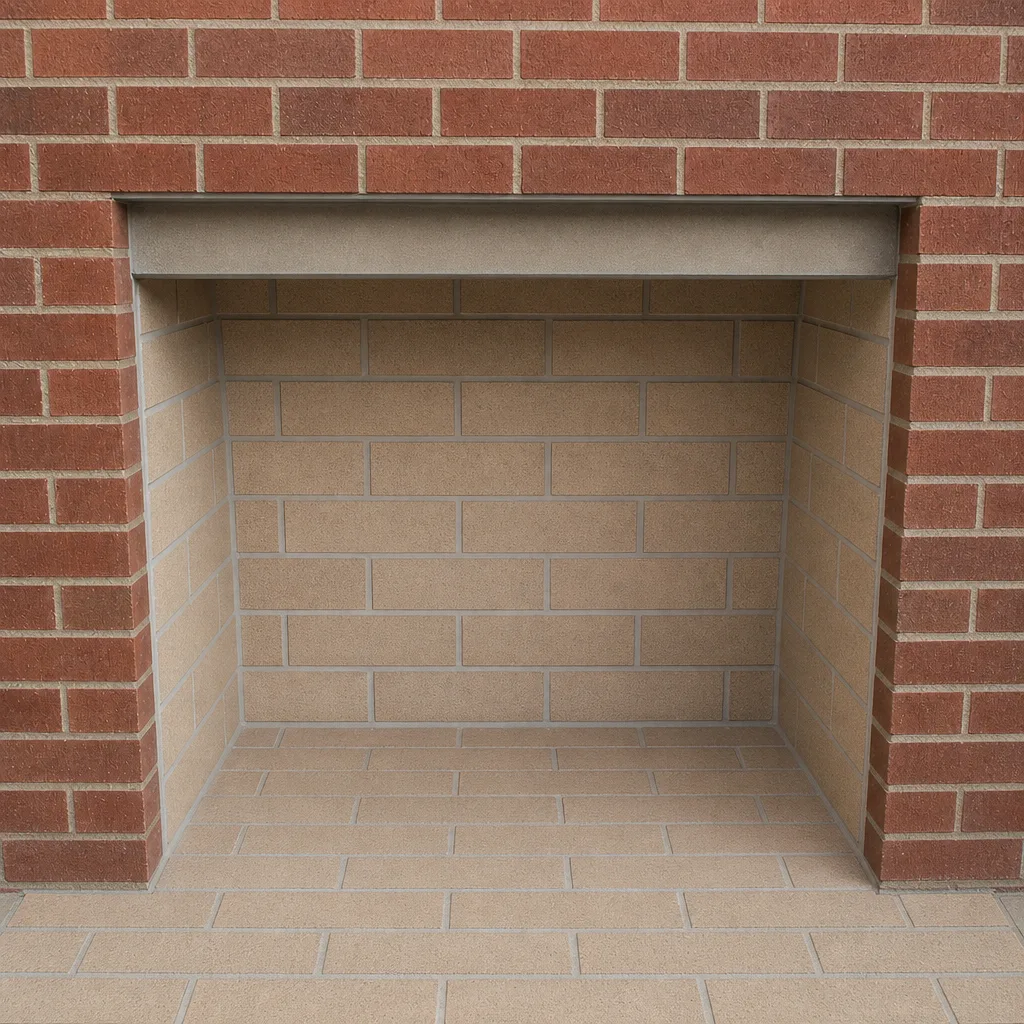
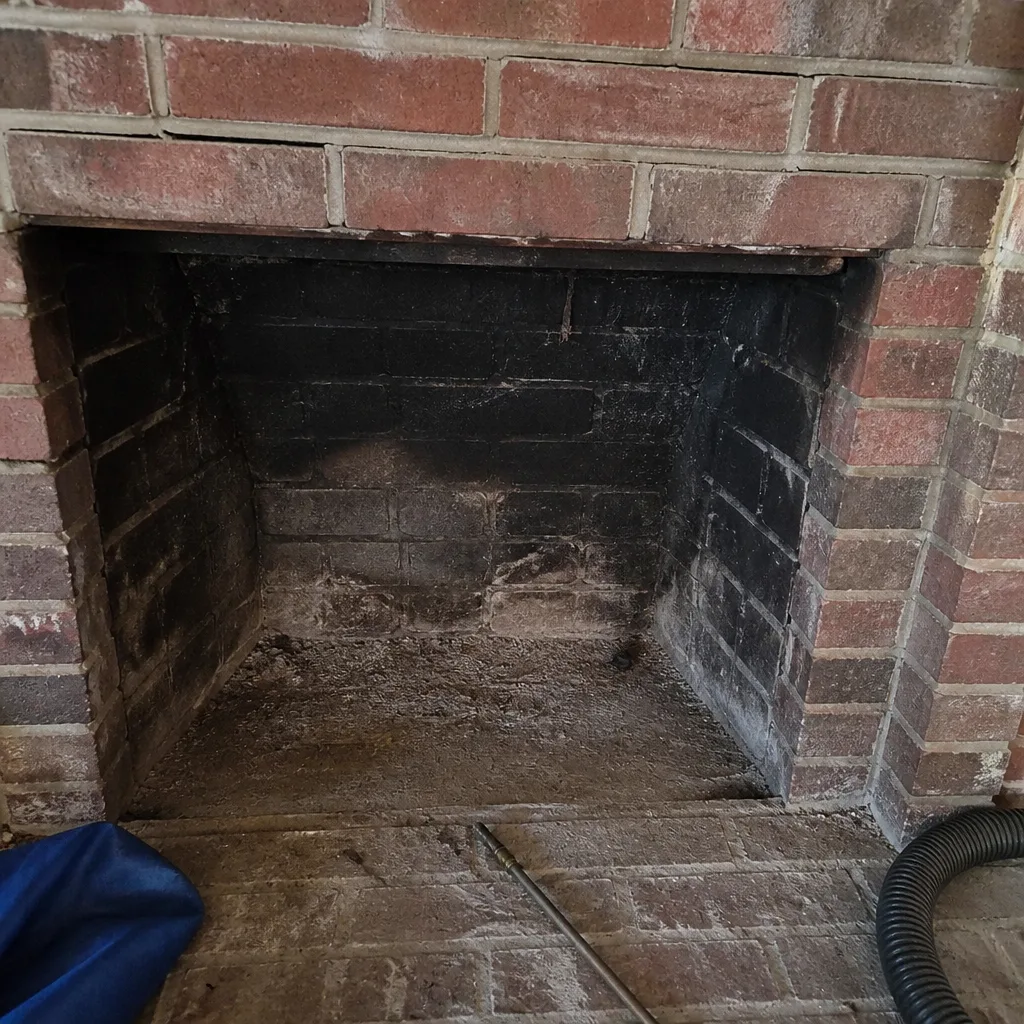 Before
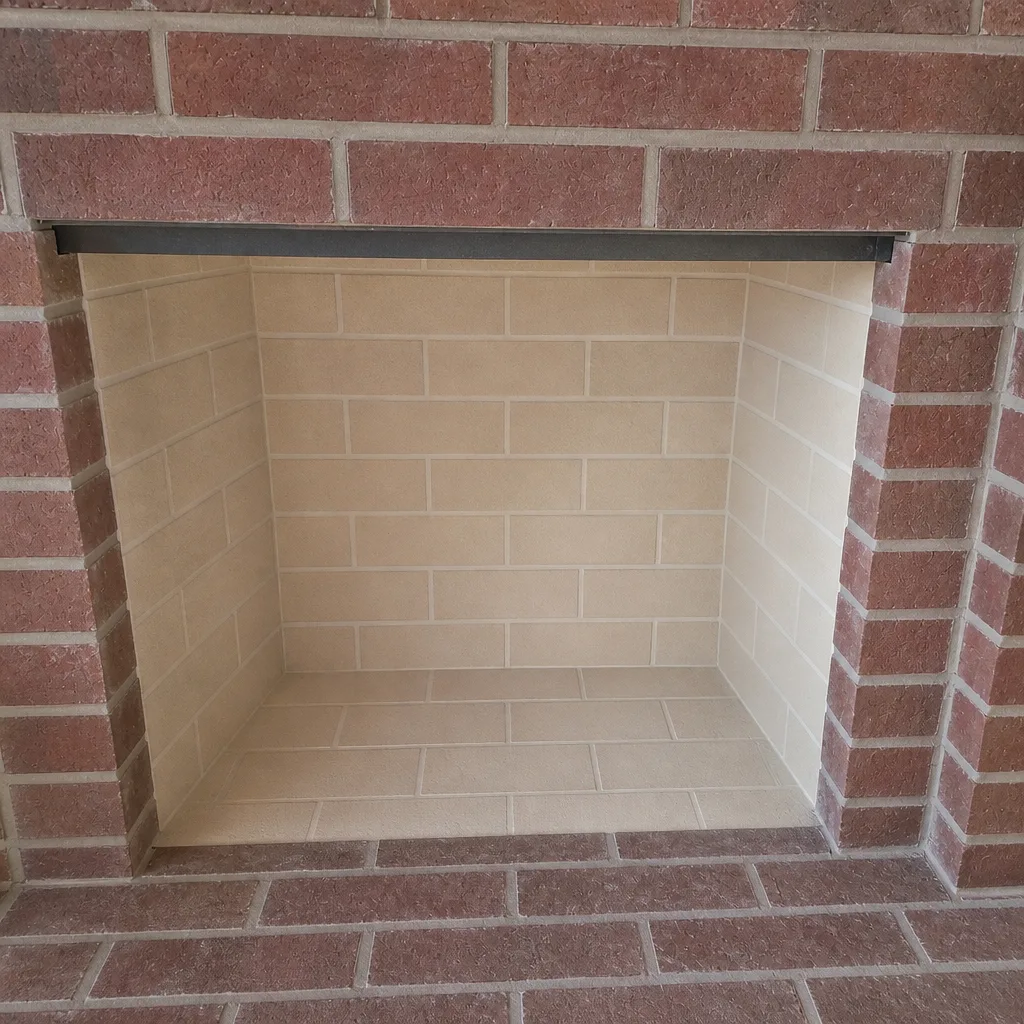 After
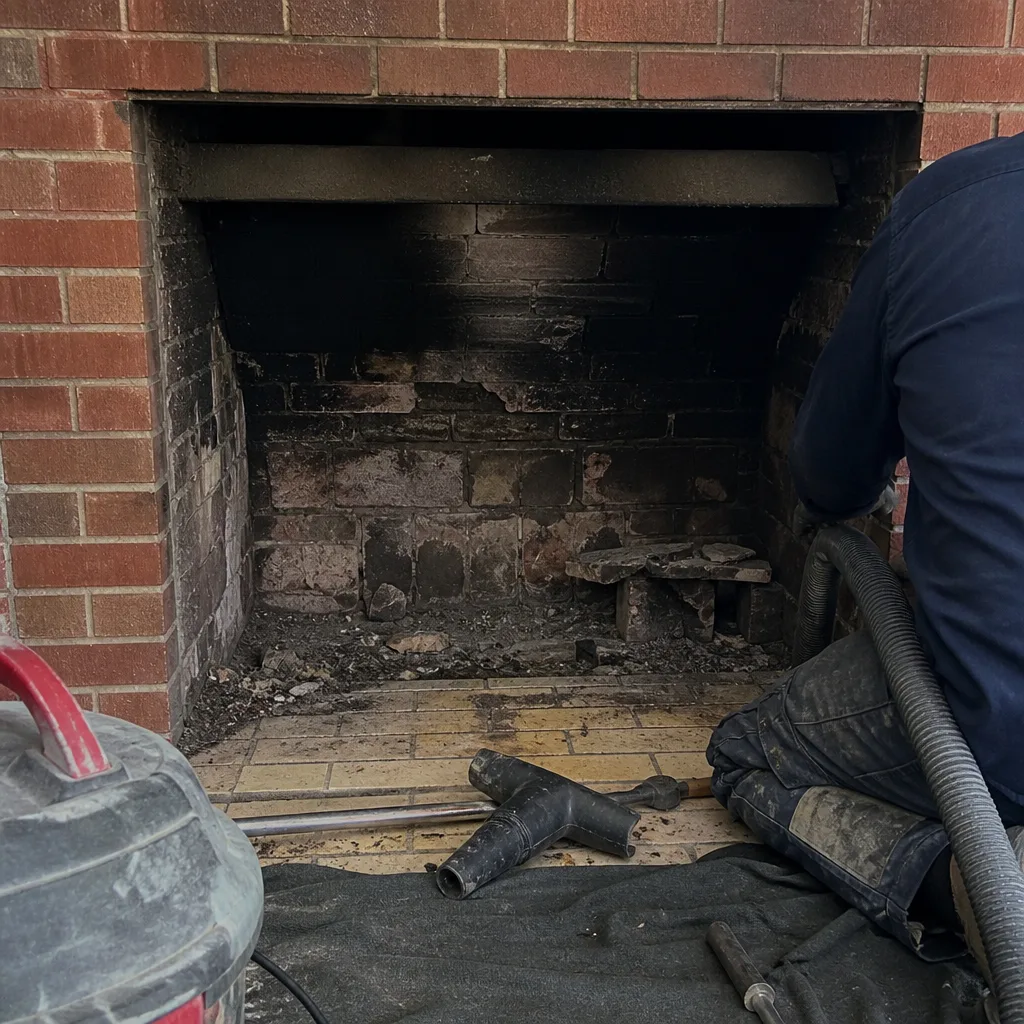 Before
 After
 Before
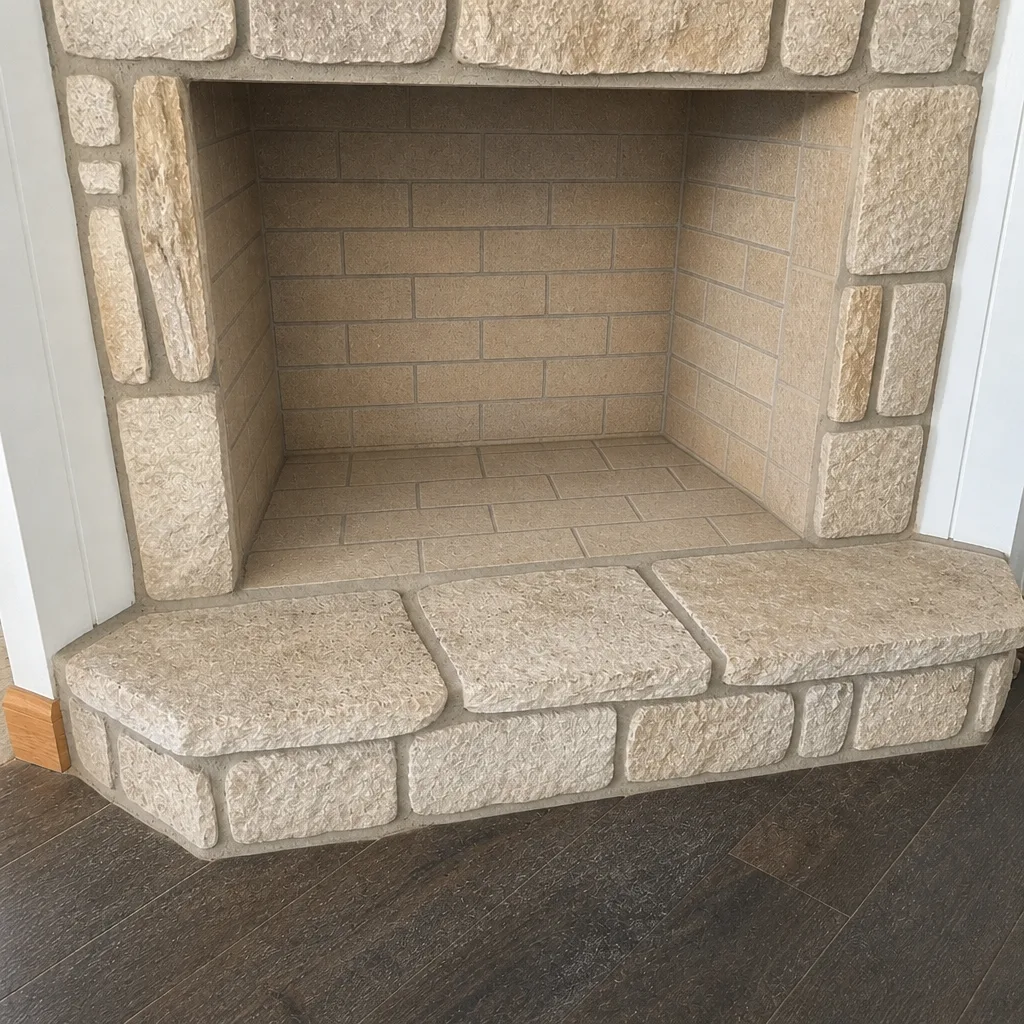 After
When to Call a Professional
Call a professional after any chimney fire, even one that seemed to go out on its own. A flue fire can leave a cracked liner that isn’t visible from the firebox, and only a camera inspection will find it. Call after any severe storm or tropical system that brought wind and driving rain, particularly if you see a displaced cap, cracked crown, or lifted flashing. Call if you smell smoke indoors while a fire is burning, if the fire feels sluggish and won’t draft properly, or if you notice a strong tar-like smell inside the house during a fire. Call if you’ve never had the chimney swept and you’re about to light the first fire of the season. And call if any contractor has quoted you a liner replacement without showing you camera footage of the flue. Lakeland Chimney Cleaning offers free estimates in Lakeland. Call (844) 410-7138. We answer 24/7, with fast dispatch from 7am to 7pm, Sunday through Friday.
Frequently Asked Questions
Get everyone out of the house and call 911 from outside. Close the damper or the glass doors on your way out if you can do so safely, but don’t stop to fight the fire or open windows. The fire department is the only one equipped to reach a fire that has moved into the flue. Once they’ve cleared the scene, the chimney stays out of service until a professional inspects it. Call (844) 410-7138 to book an inspection after a fire.
Look for the evidence a fire leaves behind that a normal burn doesn’t. Warped or discolored damper hardware, cracked or glazed creosote on the flue walls, a “puffy” honeycomb texture in the creosote, smoke escaping around the chimney breast, and a strong tar smell inside the house during or after a fire are all signs a flue fire has occurred. The only way to confirm is a camera inspection. Call (844) 410-7138 for an exact inspection quote, and estimates are free.
Not always. It depends on what the camera inspection shows. A fire that damaged sections of the liner without destroying it can sometimes be restored with HeatShield ceramic resurfacing, which rebuilds the damaged surface and extends the liner’s life without a full replacement. A fully failed liner does need relining, and DuraFlex flexible liner systems are what we specify in that case. No liner recommendation should ever be made before the flue has been inspected with a camera and the homeowner has seen the footage. Call (844) 410-7138 to book an inspection and get a straight answer.
Indoor smoke means the chimney isn’t drafting properly, and it’s a warning sign for carbon monoxide. The most common causes are a partial flue blockage, a cold flue on the first fire of the season, negative pressure from running exhaust fans, or a cracked liner letting gases escape into the living space. Any of these needs an inspection before you burn another fire. Call (844) 410-7138 for a same-day booking when one is available.
Once a year as a baseline, and more often if you burn frequently or burn wood that isn’t well seasoned. The frequency is set by how much creosote has built up, not by the calendar, and a camera inspection is what tells you what’s actually happening in the flue. A chimney can look clean from the firebox and still have a dangerous glazed creosote layer higher up. Call (844) 410-7138 to schedule a sweep and find out what your chimney actually needs.
Place a detector in the living space near the firebox in addition to the detectors in your bedrooms. Bedroom detectors protect people while they sleep; a detector near the fireplace catches a backdraft or a cracked-liner problem as it’s happening, when it can still be acted on. Follow the manufacturer’s mounting recommendations for height and location. If your detector alerts while a fire is burning, get outside and call 911. Call (844) 410-7138 afterward for an inspection before using the chimney again.
Photograph everything before any cleanup: the chimney from multiple angles, the firebox and damper, any soot staining, and damaged components. Save the fire department report and any professional inspection report you have. Keep receipts for past sweeps, inspections, and repairs. Don’t discard damaged parts until an insurer or adjuster has seen them. Good documentation makes both an insurance claim and a repair estimate faster and more accurate. Call (844) 410-7138 to schedule the inspection that will document the damage.
The Bottom Line
Chimney emergencies in Lakeland follow patterns you can see coming. The first cold front of November produces chimney fires because eight months of creosote meets the first flame of the season. Carbon monoxide incidents happen when a blocked or cracked flue loses its draft and pushes exhaust back into the house. Storm damage sits undiscovered until a homeowner lights a fire without checking. Every one of those sequences has an interruption point: a pre-season sweep, a camera inspection, a post-storm check. Knowing the signs of an active chimney fire, the steps to take (close the damper, get out, call 911), and what makes the situation worse (open windows, water on the fire, staying inside) gives you the tools to act in the first chaotic minutes. What stays with you afterward is the documentation, so your records and your claim are protected. If you’re ready to get ahead of the season, that’s what we’re here for.
Lakeland Chimney Cleaning works exclusively on chimneys. Sweep, inspection, and repair, using professional-grade materials including DuraFlex, HeatShield, Olympia Chimney, Famco, Copperfield, and Gelco. Our technicians have up to experience. Call (844) 410-7138 for a free estimate today. We answer 24/7. Fast dispatch from 7am to 7pm, Sunday through Friday.
Written by the team at Lakeland Chimney Cleaning.