
Last updated November 16, 2026
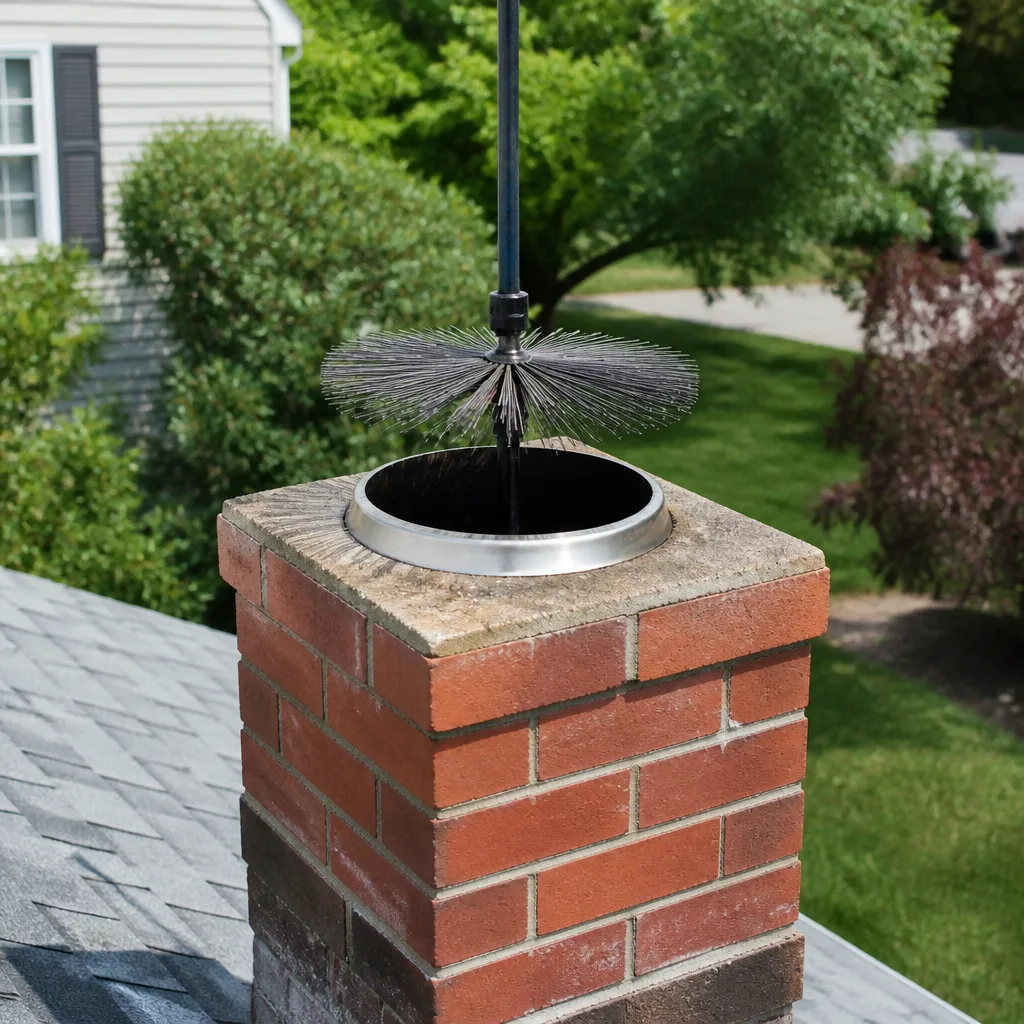 Sweep & inspection
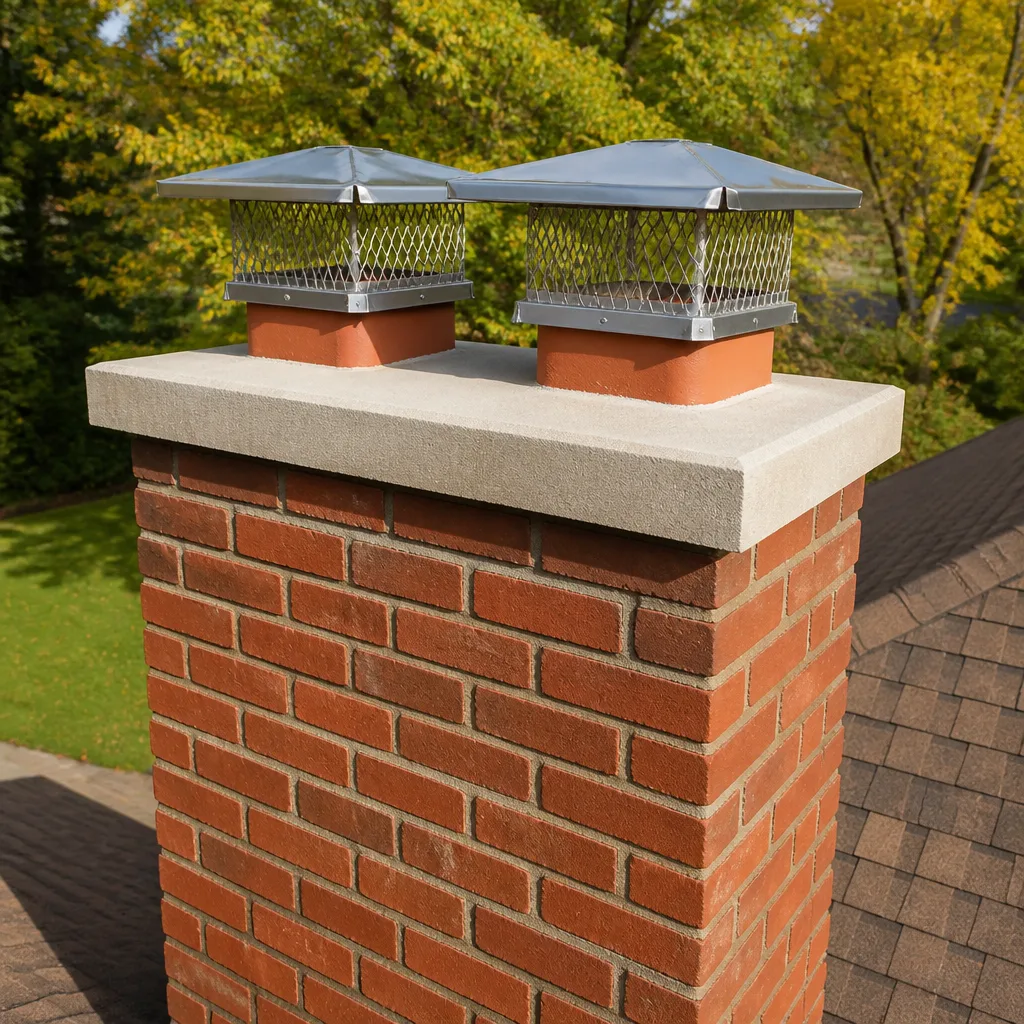 Caps & crowns
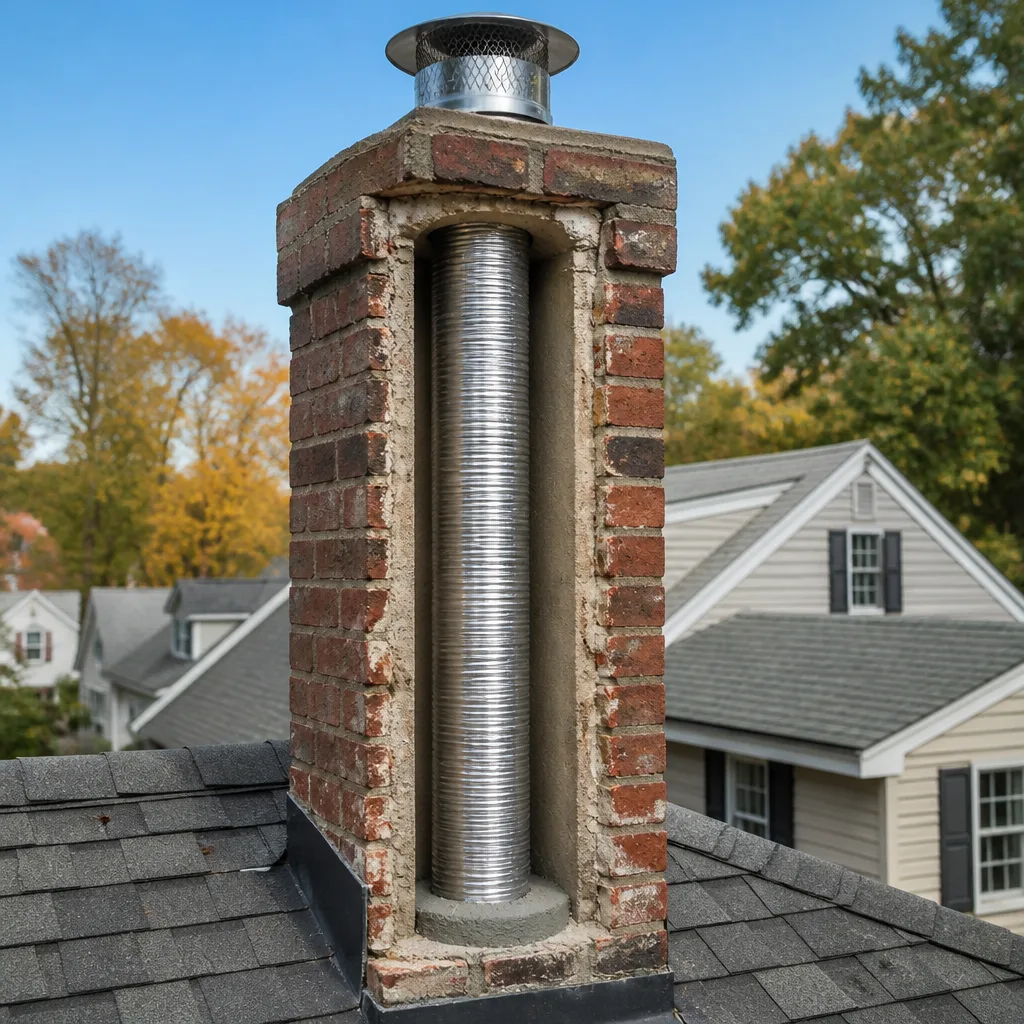 Flue relining
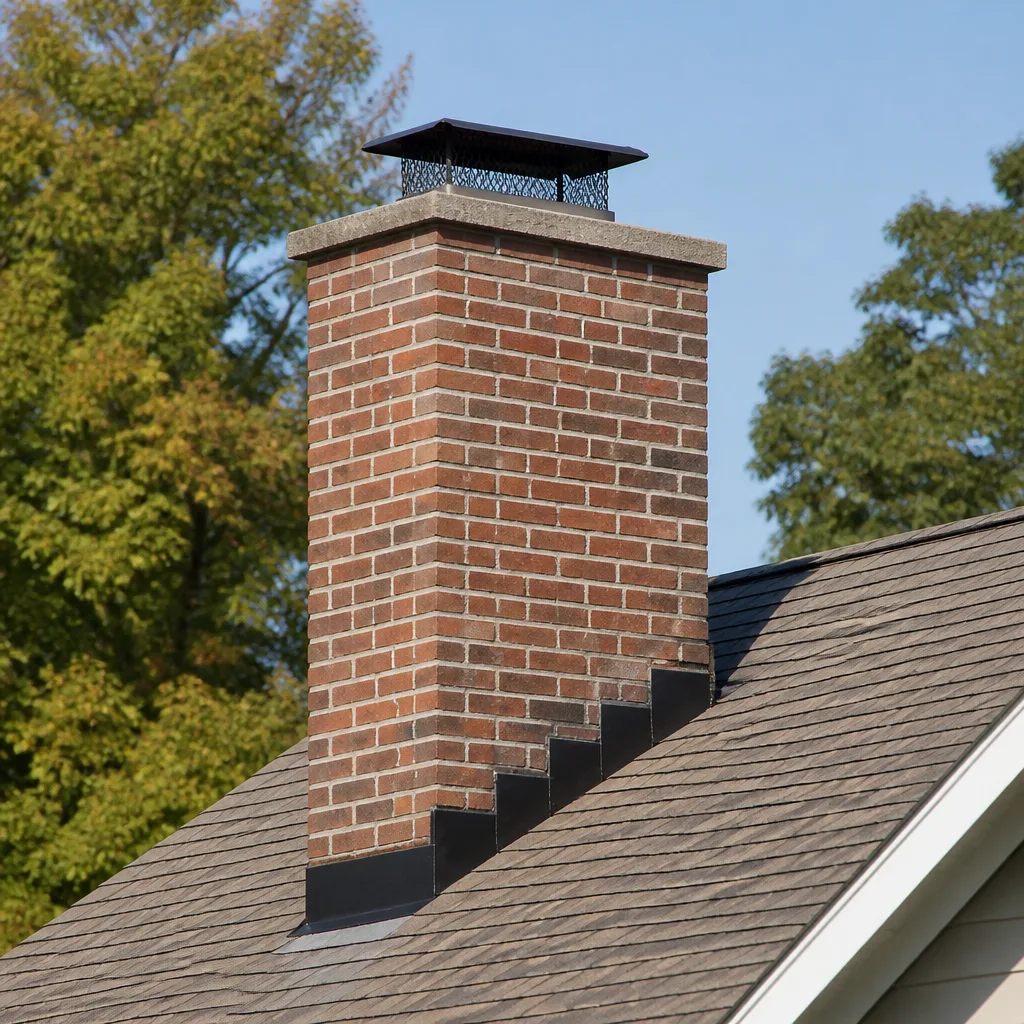 Masonry repair
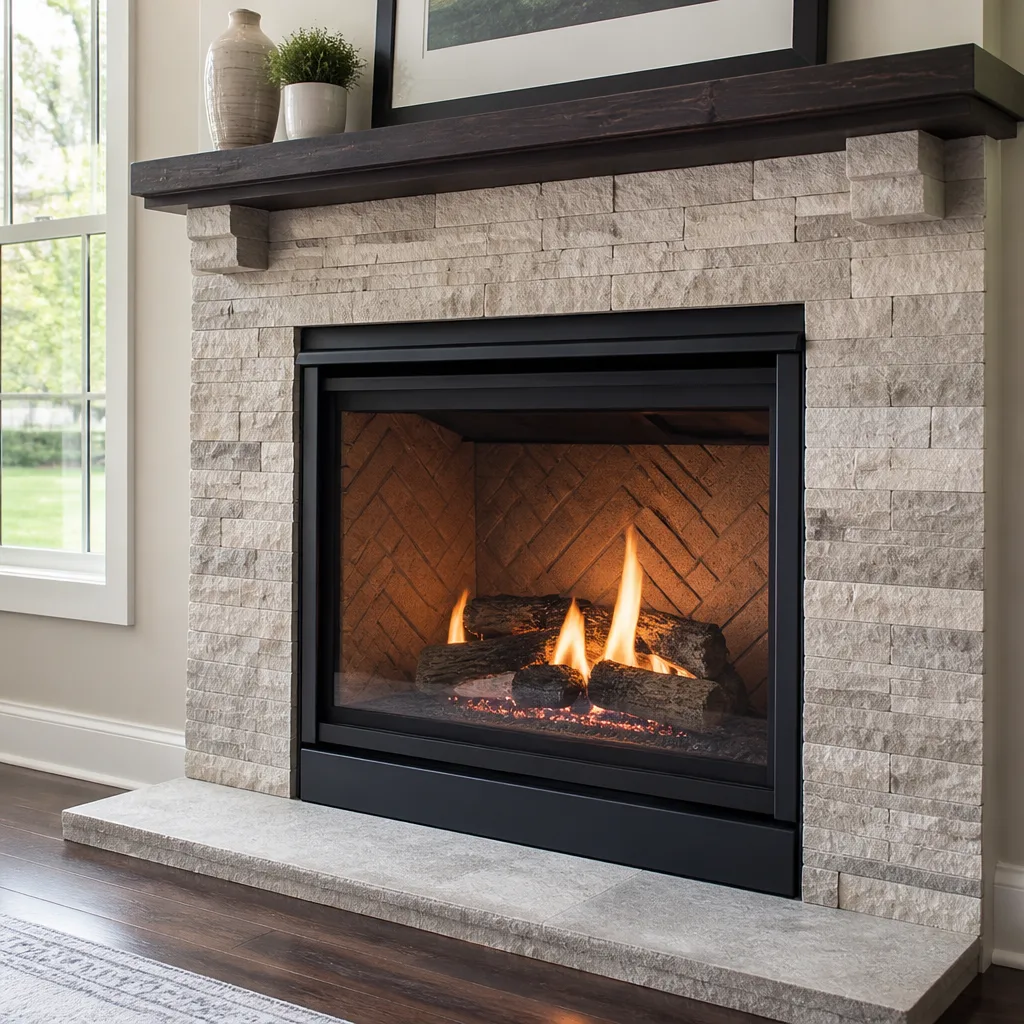 Gas fireplace service
Level 1 sweep and inspection to the NFPA 211 annual standard - flue, crown, cap, and flashing checked and photographed
Chimney sweep logs do not sweep chimneys. They loosen some creosote - which then falls where a brush and vacuum still have to collect it.
Chimney Sweep Maintenance Checklist for Lakeland Homeowners
Most chimney care advice in circulation was written for places with hard winters, snow loads and months of disuse. Lakeland doesn’t have those seasons. What it has is humidity that hangs around from May through September, afternoon thunderstorms that drive rain sideways into a cap, and a long stretch of warm weather when nobody thinks about the fireplace at all. That gap – the off-season – is when the problems that actually show up on Lakeland chimneys take hold. Failed caps, bird nests, wasp colonies, rusted dampers, spalling mortar. This guide walks through month by month what to check on a Central Florida chimney, what the inspection criteria look like, and what documentation to keep. It’s built for Lakeland homeowners who take chimney safety seriously and want to know what’s actually happening inside the flue.
Quick Answer
A practical chimney maintenance checklist for Lakeland covers four things: a stainless steel cap inspection before and after storm season, a wildlife intrusion check before the first fall burn, a damper function test each fall, and an annual professional sweep and inspection. Because winters here are mild, most homeowners skip the off-season checks that catch cap corrosion, nesting debris and moisture damage before they become repairs. The full month-by-month breakdown follows.
Styles & brands we work with
- Sweep & inspection
- Caps & crowns
- Flue relining
- Masonry repair
- Gas fireplace service
Table of Contents
- Why Lakeland Chimneys Age Differently
- Cap and Crown Inspection Criteria
- Wildlife Intrusion Check Before the First Burn
- Damper Function Test and Replacement Options
- Month-by-Month Checklist for Lakeland’s Seasons
- Documentation to Keep for Insurance
- What a Professional Sweep Covers That DIY Doesn’t
- Common Mistakes to Avoid
Why Lakeland Chimneys Age Differently
Chimneys fail in different ways depending on where they sit. In cold climates the stress comes from freeze-thaw cycling – water gets into mortar joints, freezes overnight, expands, and cracks the joint. That’s not what happens in Lakeland. Here, the dominant damage comes from sustained humidity, UV exposure on caps and crowns, and the long idle season when homeowners aren’t running the fireplace and therefore aren’t looking at the chimney.
The result is a specific set of failure points. Stainless steel caps corrode at the seams faster when they’re exposed to rain and sun year-round and the flue is never warmed by a fire. Crowns crack at the bond between mortar and flue tile when they’re baked by UV through the summer and then soaked by afternoon thunderstorms. Chimney swifts, wasps and squirrels find open flues during the off-season because there’s no fire and no activity. And throat dampers warp and stick when they sit closed against humid air for eight or nine months, then get forced open in October by a homeowner who hasn’t touched them since February.
If you’re comparing chimney service in Lakeland, the practical takeaway is this: a checklist built for Buffalo will miss most of these. The right checklist for Central Florida is organized around wet and dry seasons, storm patterns and the off-season idle period, not around a northern four-season calendar. Our technicians have up to 8 years of experience working specifically on chimneys in this kind of climate, and the list below is calibrated to what we actually find on service calls in Lakeland.
You can also read the more detailed breakdown of our chimney sweep service if you want to see how each seasonal check maps to what a professional sweep does on site.
Cap and Crown Inspection Criteria
The most common item missed on a homeowner’s own look at the chimney is a failed or missing stainless steel cap. It’s at the top, you can’t see it well from the ground, and when it’s still attached, most people assume it’s fine. It’s often not. A cap that has lost a corner of mesh, rusted through at a fastener hole, or pulled loose from its legs is functionally an open flue – and an open flue invites birds, squirrels, wasps and rain, which cause more damage over a single Lakeland wet season than a whole year of ordinary soot.
What to look for on the cap
- Seam separation: on stainless caps, look for split seams or rusty fastener holes; both are common after years of rain exposure on a flue that’s never warmed by a fire.
- Screen integrity: mesh that’s dented, torn or pulled away from the frame is the same as no mesh at all for wildlife.
- Fastener loss: missing screws at the legs allow the cap to lift in high wind, and once it’s off-center it will not sit right.
- Rust staining: brown streaks running down the cap body or onto the crown signal that the coating has failed and the cap is on its way out.
- Anchor contact: the cap should sit flat and securely on the flue crown. A cap resting loosely is a cap that will end up in a yard after the next storm.
What to look for on the crown
The crown is the concrete or mortar cap at the top of the chimney that sheds water away from the flue. On Lakeland chimneys we look for hairline cracks that have widened, chunks missing from the overhang, and a crown that has pulled away from the flue tile leaving a gap for water. UV exposure and alternating wet and dry cycles do this faster here than in climates where the crown is buried under snow for half the year. A cracked crown leaks into the chimney structure itself, not just the flue, and that’s where spalling brick and rusted dampers come from.
If you find any of the cap issues above, the standard fix is a replacement stainless cap. We specify caps sourced from Olympia Chimney or Famco because they’re built to the trade spec for this exposure. A cracked crown is usually resurfaced with mortar or a crown coating rather than replaced whole. Both are repair-scope items, not full rebuilds, when caught early. If you want to see what our chimney repair work covers, that page has the full list of structural items we handle.
Wildlife Intrusion Check Before the First Burn
Before the first fall burn, the single most important thing a homeowner can check is whether anything has moved into the flue over the summer. Chimney swifts, squirrels, wasps and starlings all find open or badly capped flues during Lakeland’s idle warm months, and the evidence is usually there if you know what to look for. This isn’t a scare point – it’s a simple, careful check that saves you from lighting a fire into a nest.
Signs of wildlife intrusion
- Nesting material around the damper: twigs, grass, feathers or shredded leaves visible when you look up the firebox with a flashlight and the damper open.
- Ammonia or guano odor: a sharp ammonia smell or a dust smell from the firebox area is a reliable sign of bird or bat activity.
- Scratch marks on the firebox walls or damper frame: squirrels and other climbers leave visible scoring.
- Droppings in the firebox or on the smoke shelf: any accumulation means something has been living above.
- Audible scratching or fluttering: particularly in the early morning or near dusk when birds and animals are most active.
- Wasp activity near the cap: paper wasps and mud daubers build inside uncapped or damaged flues, and their nests can block the flue opening.
What to do if you find signs
- Do not light a fire until the flue has been checked by a professional.
- Do not attempt to reach into the flue from below or above to remove nests yourself – wasps and structural risk make this genuinely unsafe, and birds and bats are protected under federal rules that make removal a matter for a trained professional.
- Book a chimney inspection so the flue can be checked for nesting material, blockage and cap damage in the same visit.
- Once the flue is clear, install or replace the cap so the problem does not repeat next summer.
The best prevention is a properly fitted stainless steel cap. It’s the single most effective piece of equipment on a Lakeland chimney for keeping wildlife out, and replacing a failed cap is usually far less expensive than dealing with a blocked flue, a fire risk, or a nesting season removal.
Damper Function Test and Replacement Options
A damper that doesn’t open or close properly is a quiet problem until it isn’t. In Lakeland, the standard throat damper – the metal plate at the base of the flue inside the firebox – sits closed against humid air for most of the year. When a homeowner tries to open it for the first burn, that’s when they find out it’s rusted, warped or stuck. Left alone, a stuck damper means you can’t properly control the fire, you can’t close the flue against winter drafts or summer humidity, and you may be leaking warm air up the chimney and pulling heat out of the house.
How to test a throat damper
- With no fire and the firebox cool, find the damper handle at the top of the firebox, usually behind a small lintel or frame.
- Open the damper fully – it should move smoothly and lock open without needing force.
- Look up the flue from below with a flashlight. With the damper open you should see daylight or the inside of the flue; if not, something is blocking it.
- Close the damper fully. Feel for a snug fit against the frame. Then look up again from the firebox side – a sliver of daylight around the edges means the damper isn’t sealing.
- If the handle turns but the plate doesn’t move, or the plate has warped so it can’t seat flush, the damper needs repair or replacement.
Repair versus replacement
If the damper is a standard throat model and it’s just stiff, it often responds to a cleaning and lubrication during a sweep. If it’s warped, rusted through or the frame has pulled away, replacing it makes more sense than trying to force the original back into service. Many homeowners in this situation choose a top-mount damper, either a Lyemance or a Lock-Top style unit, which seals at the top of the flue rather than the throat. The trade-off is worth understanding:
- Throat damper: inside the firebox, familiar to operate, but sits in warm humid air when closed and is more exposed to rust and warping over Lakeland’s off-season.
- Top-mount damper (Lyemance or Lock-Top): seals at the flue top, out of the firebox, and is generally more effective at stopping drafts and moisture intrusion year-round. It also acts as its own cap, which solves two problems at once.
The cost to ignore a warped damper is indirect but real: wasted heated air, winter drafts, summer humidity into the chimney, and a firebox that can’t be properly controlled when you do burn. The cost to fix it is usually modest next to full relining, and if you’re going to be on the roof to look at the cap anyway, it’s the logical time to address it. Our Lakeland Chimney Cleaning page lays out the full service list if you want to see how damper work fits with a sweep and inspection.
Month-by-Month Checklist for Lakeland’s Seasons
This is the part that a four-season checklist gets wrong for Central Florida. Instead of a spring and fall cleaning, the useful calendar for Lakeland breaks down into three practical phases: the storm season (roughly June through October), the first-burn window (roughly October and November), and the off-season (roughly December through May, which is also when most Lakeland homeowners aren’t using the fireplace much). Each phase has specific checks.
Before storm season (May)
- Inspect the cap for seam separation, rust, loose fasteners and mesh damage.
- Look for hairline cracks in the crown that have widened since last year.
- Clear any debris from the top of the cap screen.
- Check that the flue is clear of nesting material left from the winter.
During storm season (June through October)
- After any major storm, do a quick visual check from the ground for a shifted or missing cap.
- Watch for water staining on the firebox walls or the smoke shelf inside, which signals water finding its way past the crown or cap.
- Check for wildlife activity near the chimney top – wasps in particular become active in this window.
First-burn window (October and November)
- Test the damper following the procedure above.
- Do the wildlife check – look up the flue with a flashlight before lighting anything.
- Book the annual professional sweep and inspection before the first fire, not after.
- Confirm the cap is still seated and the mesh is intact.
- Clear any ash from the firebox and check that the ash door and grate are in working order.
Off-season (December through May)
- With the fire out for the season, keep the damper closed against humidity.
- Watch for spalling brick or mortar crumbles at the chimney base and along the exterior.
- Note any dark staining on the exterior masonry that wasn’t there last year.
- Schedule any repairs found during the fall inspection now, while the fireplace is idle.
If you aren’t sure which phase covers your current situation, a proactive inspection is the simplest way to get on a real calendar. The month-by-month view is useful as a homeowner’s guide, but the professional inspection is what confirms exactly where your chimney stands.
Documentation to Keep for Insurance
Homeowners insurance claims after a chimney fire are decided almost entirely on documentation. The single biggest reason a claim gets delayed or partially denied is that the homeowner can’t show the chimney was maintained before the loss. Keeping a simple file makes that defense easy, and it costs you nothing beyond a folder.
What to keep in the file
- Sweep receipts: dated receipts from every professional sweep, indicating the date, the service performed and any findings.
- Inspection reports: the written report from each annual inspection, including photographs of the flue, cap, crown and firebox where your technician took them.
- Photos of your own checks: a dated phone photo of the cap, crown and firebox from each seasonal check you do yourself.
- Repair records: invoices and product names for any repair work – liner replacement, cap replacement, damper replacement, crown resurfacing – including the material brands used.
- Manufacturer documentation: for a wood stove or insert, the installation manual and any paperwork showing clearances and specifications.
Why the material names matter
The brand name on a repair matters more than most homeowners realize. When an adjuster reviews a claim involving a relined flue, the difference between a professional-grade liner system such as DuraFlex and a generic, unbranded one sourced from a big-box retailer is meaningful – both for whether the repair meets code and for whether the claim is straightforward. We specify DuraFlex for exactly this reason, and we keep the brand name on the invoice so it’s already on file when it’s needed. The same logic applies to repair methods such as HeatShield ceramic resurfacing, which is documented by name in the job record and recognized by the industry.
Keep the file in a single place, physical or digital. If a chimney fire happens, the last thing you want to be doing is digging through a drawer for a receipt from three sweeps ago. Our team at Lakeland Chimney Cleaning is one of the few in the trade that treats documentation as part of the service, not an afterthought.
What a Professional Sweep Covers That DIY Doesn’t
A confident homeowner with a flashlight and a brush can do a lot of useful checks. There’s a hard line, though, between what’s safe and effective to do from inside the firebox and what has to happen on the roof with the right tools and the right training. Knowing where that line sits is what keeps a maintenance routine from becoming a roofing hazard.
What a homeowner can reasonably do
- Test the damper from inside the firebox.
- Look up the flue with a flashlight for obvious blockage or nesting material.
- Check the cap and crown from the ground with binoculars.
- Clear ash from the firebox.
- Note any changes in the firebox or on the exterior masonry and photograph them.
What should be handled by a professional
- Climbing onto the roof to inspect or work on the cap and crown.
- Removing nesting material, wasp nests or any wildlife from the flue.
- Sweeping the flue itself with the proper brushes and rods.
- Camera inspection of the flue to check for cracks, gaps and liner integrity.
- Removing creosote in its heavier forms (glazed and puffy deposits), which a flue brush alone won’t address.
- Any structural repair of the firebox, crown, damper or flue liner.
The safety reasons here are straightforward. Roof work at height is dangerous, particularly on a steep pitch or a wet roof after a Central Florida thunderstorm. And a chimney with a failing liner, a cracked flue tile or a heavy creosote deposit is not a component to inspect by hand – it’s a component to inspect with light, a camera and a trained eye. That’s also why we don’t publish step-by-step instructions for structural repair or liner work: those are fire-safety components, and they need a qualified professional.
Our spec on the sweep side is a full flue brush plus a camera inspection and photo report, so you get a visible record of what was found. On the repair side, we specify DuraFlex for relining and HeatShield ceramic resurfacing for liner repair work that doesn’t require a full liner replacement. Both are industry-standard methods, both are named on the report, and both are how a homeowner can verify what was actually done. All three core services – sweep, inspection and repair – are handled by the same specialized provider, so you aren’t coordinating between a generalist handyman and a separate chimney specialist.
Common Mistakes to Avoid
- Waiting until the first cold night to check the flue. By then, the fireplace is the priority and the inspection becomes reactive. Do the fall checks in October while there’s time to address anything that turns up, not in December when a burned fire is the only way to discover the flue isn’t clear.
- Assuming a cap that’s still attached is a cap that’s working. A cap can look fine from the driveway and be missing half its mesh on the inside. The functional check is done on the roof, not from the ground.
- Skipping the cap inspection after storm season. Central Florida’s afternoon thunderstorms do more cap damage than a homeowner expects. A quick post-storm visual each season catches a shifted cap before it becomes a wildlife problem.
- Hiring a general handyman to sweep the chimney. A handyman who also does gutters, decks and drywall doesn’t carry the tools or the training to inspect a flue camera or to recognize a failing liner. Chimney maintenance is a specialty, and the generalist has to compromise on both the inspection depth and the parts.
- Using generic parts to save money on a repair. A generic liner or an unbranded cap sourced from a big-box retailer is the wrong trade-off on a fire-safety component. The cost difference is small next to the risk, and the material brand is exactly what an insurer will look at if a claim ever needs to be made.
- Letting the damper sit untouched all summer. A throat damper that’s closed against humid air for eight months can rust in place. Testing it in the fall catches the problem while replacement is still a small job.
- Throwing away sweep receipts and inspection reports. These are the single most important evidence in an insurance claim after a chimney fire. Keep them, along with the brand names of any repair work performed.
See the difference
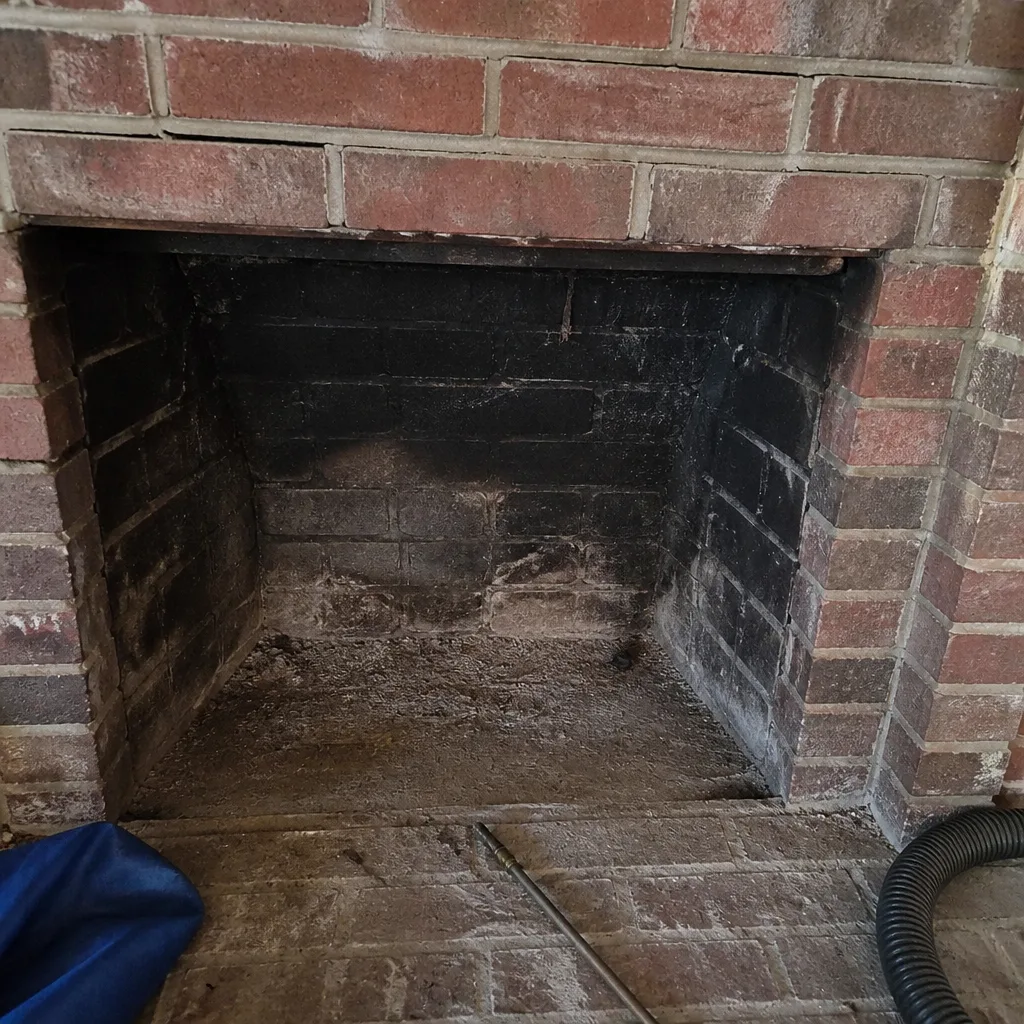 Before
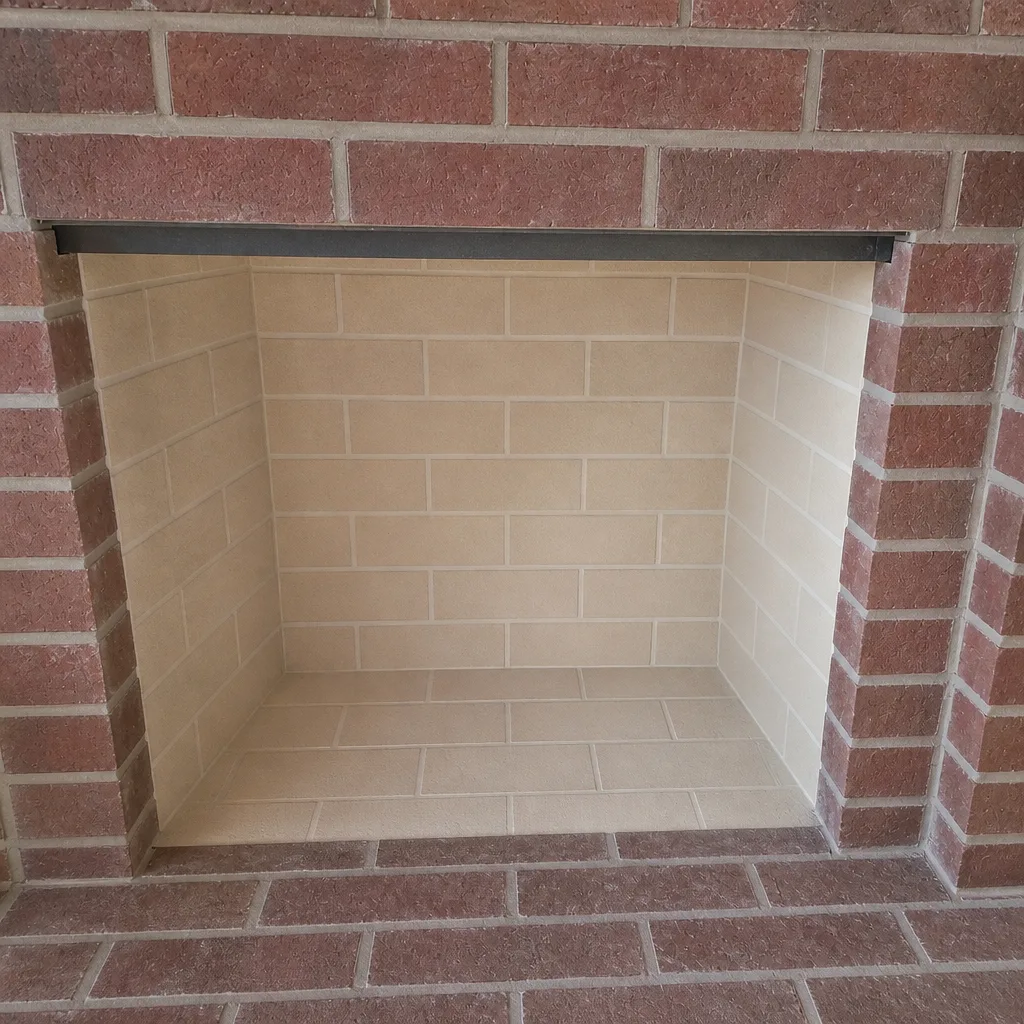 After
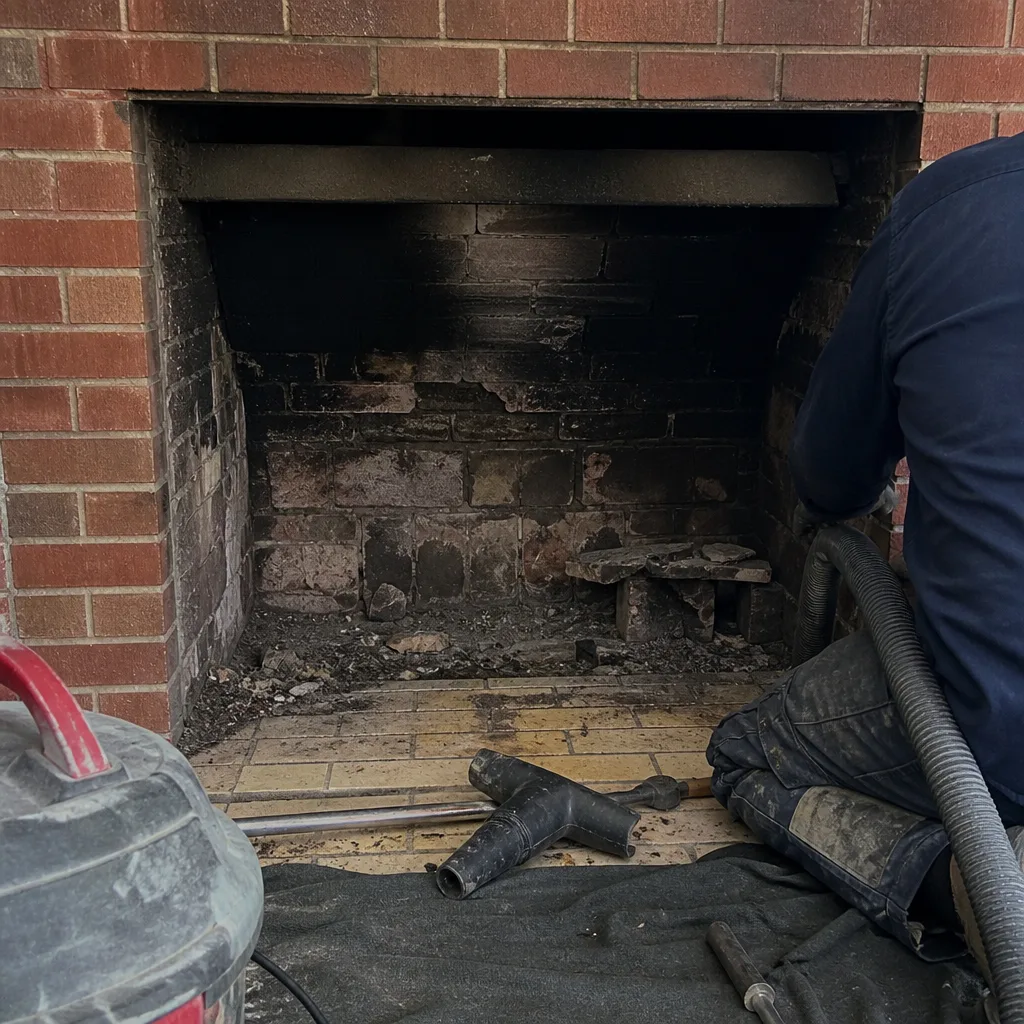 Before
 After
 Before
 After
When to Call a Professional
Some checks are a homeowner’s job. Others aren’t. Call a professional if you find a failed, missing or loose cap; if you see cracks in the crown or spalling brick; if you suspect anything is living in the flue; if the damper is stuck, warped or won’t seal; if you smell smoke or ammonia in the firebox when no fire is burning; or if your annual sweep is simply due. Those items get resolved with the right tools, a camera inspection and a written report. The insurance-relevant question – did we do the maintenance? – is answered by a documented sweep, so the annual visit is the one thing on the list you shouldn’t skip.
Lakeland Chimney Cleaning offers free estimates in Lakeland. Call (844) 410-7138. We answer 24/7. Fast dispatch from 7am to 7pm, Sunday through Friday. Every job we perform is a chimney job, every product we specify is one we can name, and every report is documented for your records.
Frequently Asked Questions
A complete checklist covers cap and crown inspection, a pre-first-burn wildlife check, a damper function test, an annual professional sweep and inspection, and a documented file of receipts and reports. The difference in Lakeland is the timing: because winters here are mild and the fireplace is idle for much of the year, the checks need to be organized around storm season and the first-burn window rather than around a northern four-season calendar.
Most wood-burning chimneys should be swept once a year, and a gas-burning fireplace should be inspected annually as well. If you burn frequently or notice a heavy creosote buildup at the top of the firebox, the sweep may need to be more frequent. The simplest rule is the annual inspection: the technician confirms whether a sweep is due at the same time.
Yes, and it’s the single most important piece of equipment on a Central Florida chimney. A failed or missing cap is what lets in rain, birds, squirrels and wasps; those are the dominant sources of damage on local flues during the warm months. Replacing or upgrading a cap costs far less than addressing a blocked flue or a wildlife nest after the fact. Call (844) 410-7138 for an exact quote – estimates are free.
If the damper plate is warped, rusted through, or the frame has pulled away, replacement usually makes more sense than repair. If it’s just stiff, a cleaning and lubrication during a sweep often solves it. A top-mount damper, either Lyemance or Lock-Top style, is a common replacement when the throat damper has failed – it seals at the flue top and doubles as a cap.
Keep sweep receipts, written inspection reports with photographs, your own dated photos from seasonal checks, repair invoices including brand names, and manufacturer documentation for any wood stove or insert. The brand name on a repair matters: a DuraFlex liner or HeatShield resurfacing job is documented by name in the record, and that’s what an adjuster needs to see.
Homeowners can safely do the low-risk checks: test the damper, look up the flue with a flashlight, check the cap and crown from the ground, and photograph everything. Roof work, flue sweeping, wildlife removal, camera inspection and any structural repair need a professional. Creosote in its glazed or puffy forms, liner cracks, and weak crowns are fire-safety items, and those are not something to handle by hand.
Creosote accumulates in the flue over time and, in its heavier forms, is the leading cause of chimney fires. The other risks are less dramatic but just as real: a failed cap lets in water and animals, a warped damper wastes heat and lets in humidity, and the repair budget grows as each problem feeds the next. Call (844) 410-7138 for an exact quote – estimates are free.
Yes, ideally in October or November before you light the first fire. The inspection confirms the flue is clear, the cap is seated, the damper works and there’s no nesting material – and it produces the written report that goes into your documentation file. Call (844) 410-7138 to book it. We answer 24/7.
The Bottom Line
A chimney checklist written for Central Florida looks different from the version you’ll find in a general home-maintenance book. The dominant failure points here are a failed cap, wildlife intrusion during the idle season, storm-driven moisture, and a damper that sits closed against humidity for months. The practical routine is simple: check the cap and crown before and after storm season, do the wildlife check before the first burn, test the damper each fall, book the annual sweep and inspection, and keep every receipt and report on file. That’s the whole list, and it protects the fireplace, the home, and the insurance claim if one ever comes. If you’re due for a sweep, an inspection or a repair, our team at Lakeland Chimney Cleaning handles all three with the same specialization.
Call (844) 410-7138 for a free estimate. We answer 24/7. Fast dispatch from 7am to 7pm, Sunday through Friday. We’re closed Saturday.
Written by the team at Lakeland Chimney Cleaning.