
Last updated November 16, 2026
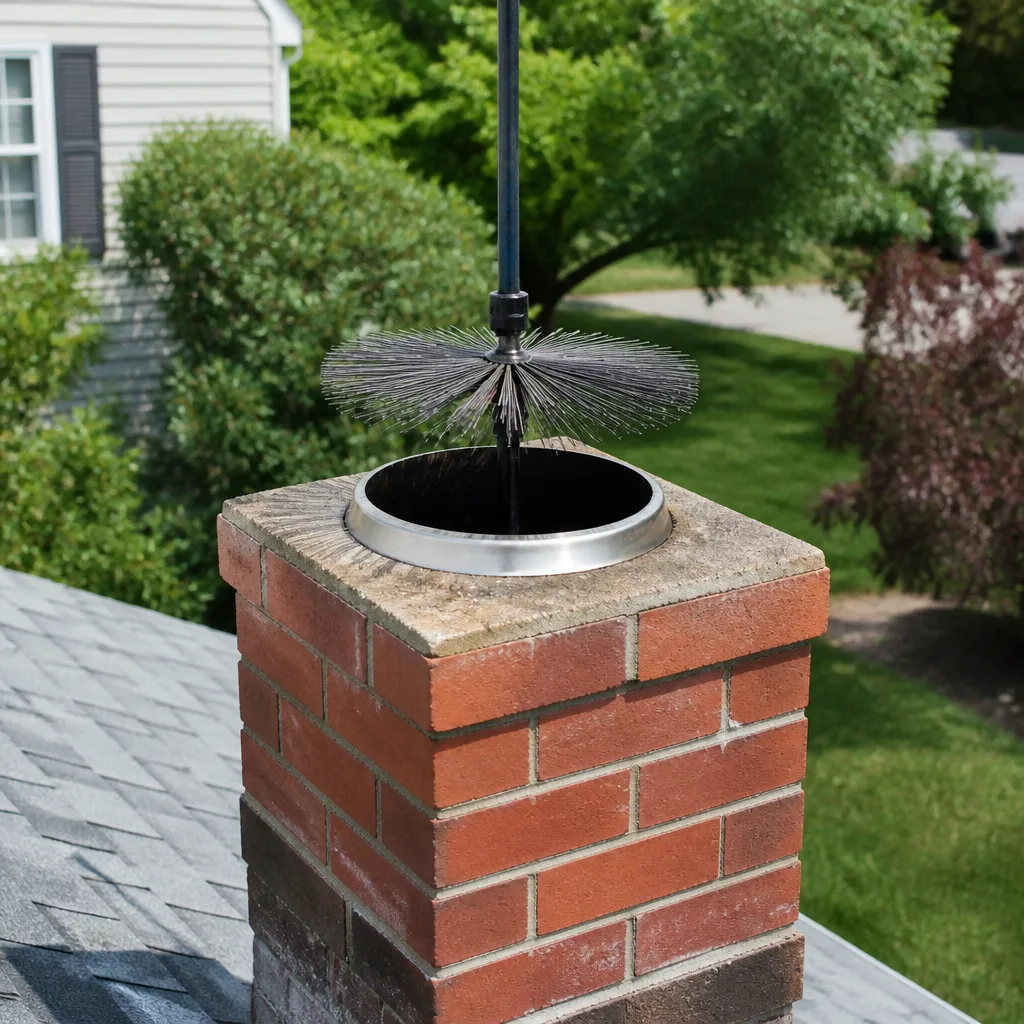 Sweep & inspection
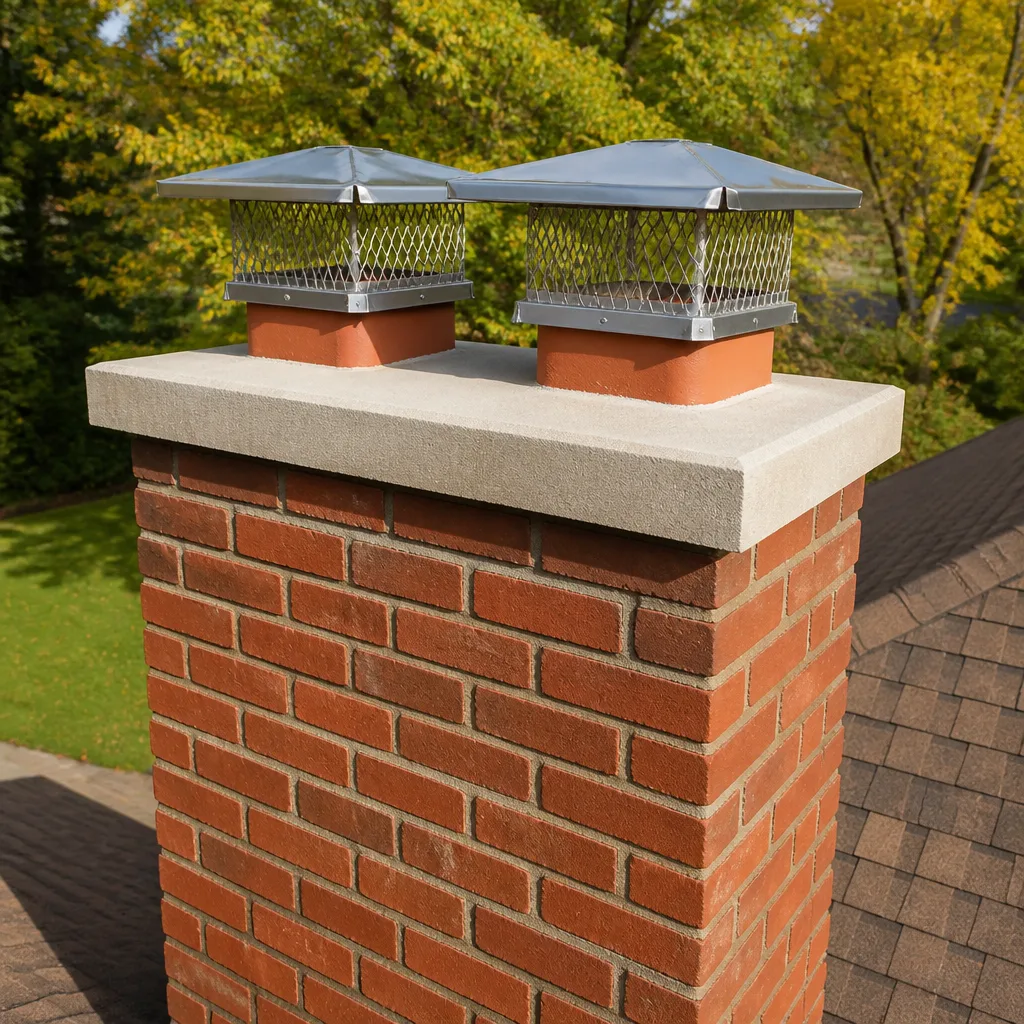 Caps & crowns
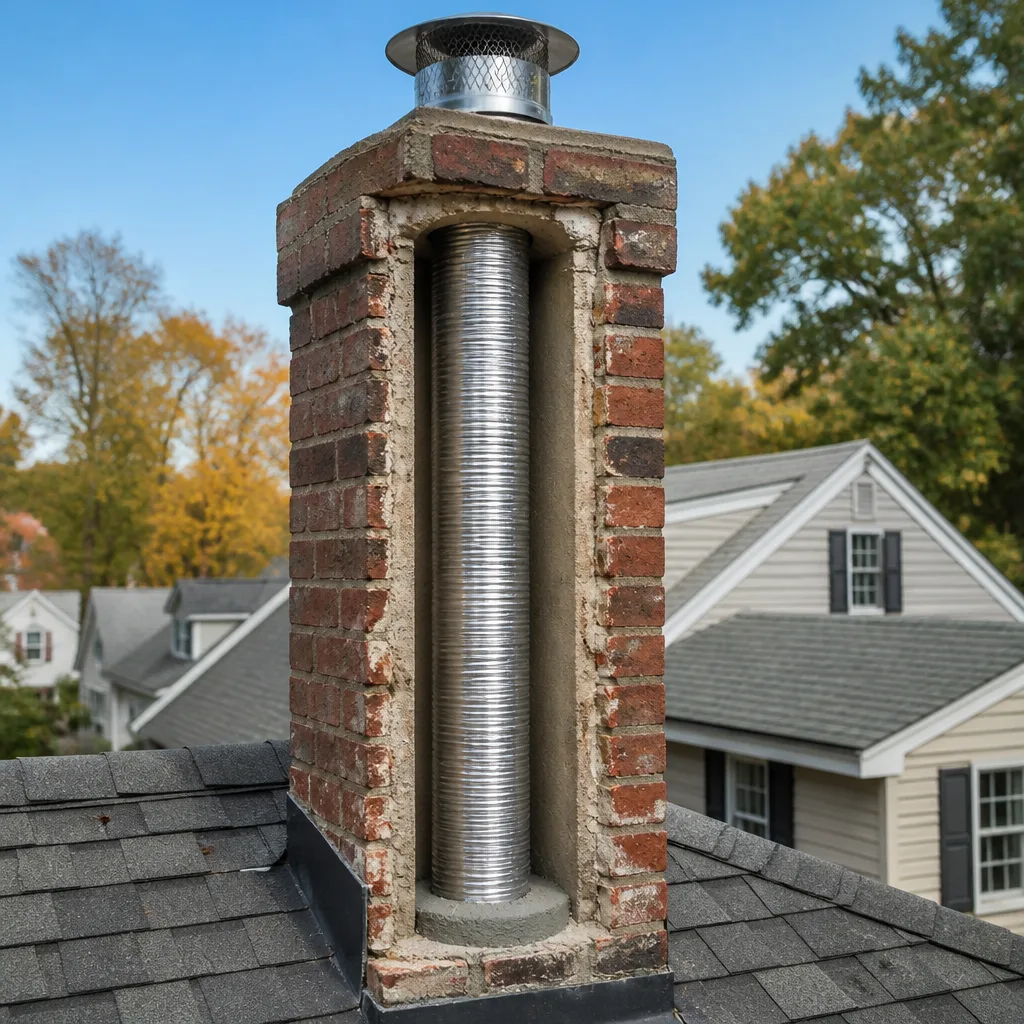 Flue relining
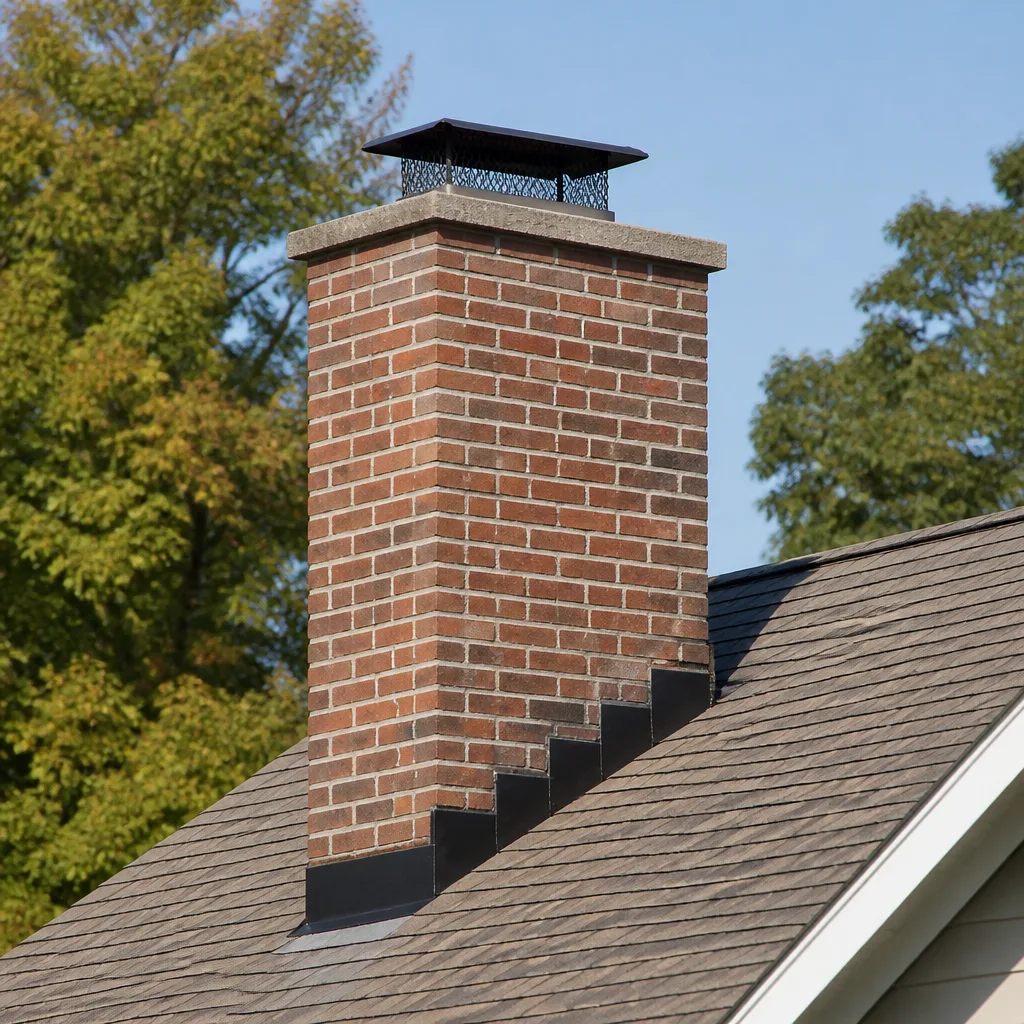 Masonry repair
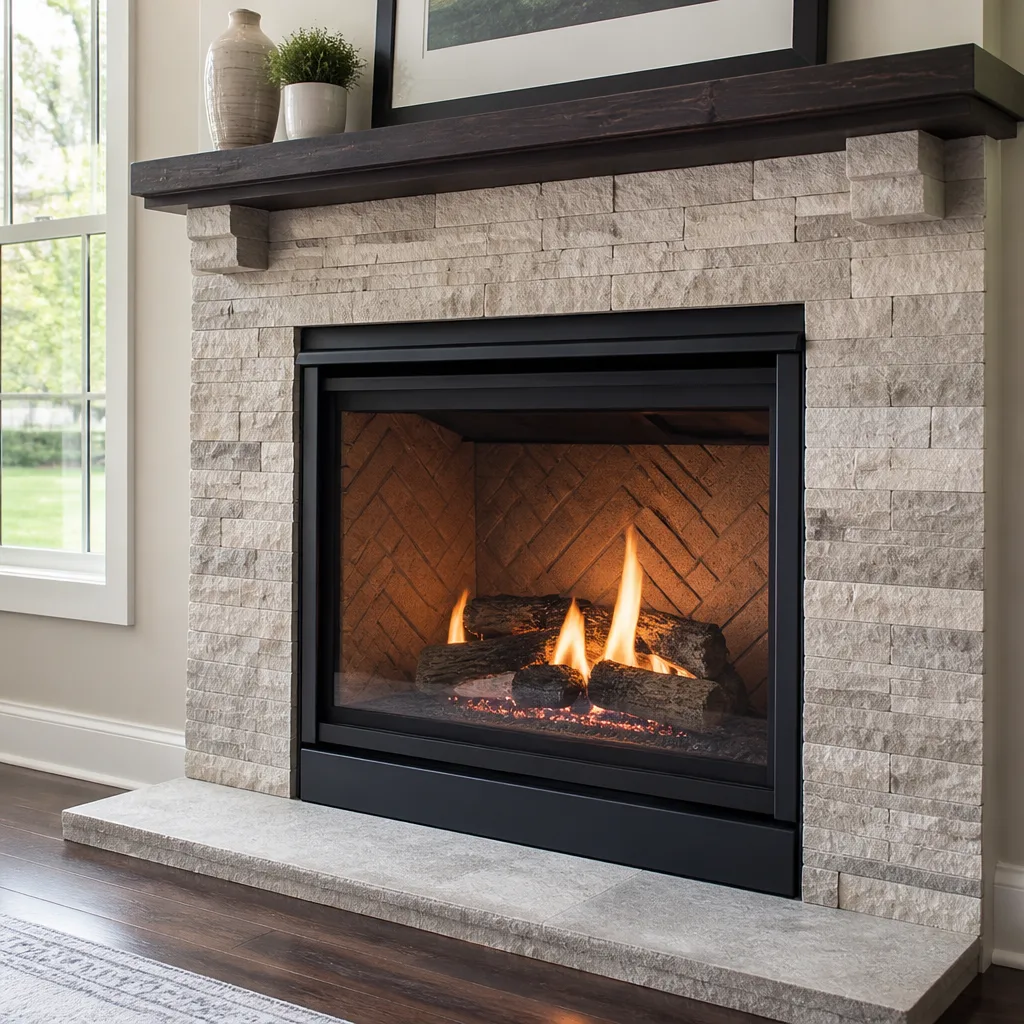 Gas fireplace service
Level 1 sweep and inspection to the NFPA 211 annual standard - flue, crown, cap, and flashing checked and photographed
Chimney sweep logs do not sweep chimneys. They loosen some creosote - which then falls where a brush and vacuum still have to collect it.
Chimney Sweep Troubleshooting in Lakeland: Common Problems and How to Fix Them
Smoke rolling back into your living room on a cold morning isn’t a fireplace personality quirk – it’s one of exactly four diagnosable draft failures, and three of them don’t require a rebuild to fix. That’s the frame most homeowners miss. They feel the symptom, they blame the fireplace, and they either live with it or pay for work that doesn’t address the actual cause. Troubleshooting a chimney isn’t a list of warnings to scroll past. It’s a diagnostic protocol: you match the symptom to the mechanical defect, you confirm it with a documented tool or inspection, and only then do you decide whether it’s a repair, a cleaning, or something safe to watch. This guide walks through that protocol for the problems we see most in Lakeland, from negative pressure to glazed creosote, and it tells you which ones mean shut the fireplace down today.
Quick Answer
Most chimney problems in Lakeland trace back to four mechanical causes: negative pressure that pulls smoke back down the flue, a flue sized wrong for the appliance, a damaged smoke shelf or damper, and glazed creosote that narrows the flue. Smoke rollback, humid-day odor, slow ignition, and heavy buildup are symptoms, not the problem itself. A Level 2 inspection with camera documentation tells you which cause you have, so you fix the right thing instead of rebuilding something that was never the issue.
Styles & brands we work with
- Sweep & inspection
- Caps & crowns
- Flue relining
- Masonry repair
- Gas fireplace service
Table of Contents
- Symptom-to-Cause: Mapping What You’re Seeing to What’s Actually Wrong
- Why Lakeland’s Climate Creates Its Own Chimney Problems
- Smoke Rollback: The Four Draft Failures and How to Tell Them Apart
- Odor on Humid Days: What That Smell Actually Is
- Creosote Stages: Where Habit Ends and Hazard Begins
- What You Can Check Yourself vs. What Needs a Level 2 Inspection
- How Rotary Cleaning Confirms or Rules Out a Restriction
- Fire Hazards vs. Performance Annoyances: Which Is Yours?
Symptom-to-Cause: Mapping What You’re Seeing to What’s Actually Wrong
Troubleshooting starts by separating the symptom from the defect. A homeowner reports “bad draft.” What they’re actually describing might be smoke entering the room, a fire that won’t catch, a smell, or a lazy flame that smolders. Each of those points somewhere different. When we troubleshoot a chimney in Lakeland, the first thing we do is establish which symptom is present and under what conditions, because the conditions narrow the cause faster than the symptom alone.
Here’s the map we work from:
- Smoke enters the room when you light or reload the fire – likely negative pressure, a flue too large or too small for the appliance, or a damaged smoke shelf. Three separate causes, three separate fixes.
- Odor that worsens on warm, humid days – usually creosote or soot residue reacting with moisture in the air, drawn down a cool flue by pressure differences.
- Fire takes a long time to catch and the flame stays lazy – restricted flue, wet wood, or a draft that never establishes itself because the flue is cold.
- Heavy creosote buildup faster than expected – burning unseasoned wood, cool flue temperatures, or a flue that’s oversized for the fire you build.
- Water stains or rust inside the firebox – a cap or crown problem letting water in, not a draft issue at all.
The point of the map is restraint. If you light a fire and smoke drifts into the room, the instinct is to call for a rebuild. But a chimney that drafts fine on a mild day and fails only on a cold start is showing a pressure or warm-up problem, not structural collapse. Confirming which line of the map you’re on is what keeps a diagnostic visit from turning into a repair bill you didn’t need.
Why Lakeland’s Climate Creates Its Own Chimney Problems
Generic chimney guides are written for places with long, hard winters and a burn season that runs from October to April. That isn’t Lakeland. Winters here are mild, real cold snaps are rare, and a wood-burning fireplace often sits cold for weeks between fires. That pattern produces a specific set of problems that national how-to content never covers.
The cold-flue problem. A chimney drafts because the air inside the flue is warmer than the air outside. When a fire hasn’t burned in a while, the flue fills with air at outdoor temperature, and there’s no warm-air column to start the draft. On a chilly Lakeland morning after a week of mild weather, the flue can be as cold as the outside air, so the first fire of the day struggles. Smoke has nowhere to go but out the front. The fix is a warm-up: burn a rolled newspaper or a split of dry kindling near the damper to establish a draft before loading real wood.
The humidity problem. High humidity means moisture-laden air around the chimney, and that air finds its way into the flue and firebox during the off season. Soot and creosote residue absorb it and release it back into the room as odor. A tight-fitting cap and a properly seated damper cut down on how much humid air enters, and a sweep removes the residue that’s holding the smell.
The intermittent-burn problem. A fireplace that burns a few fires a month builds creosote differently from one that burns daily. Short, cool fires don’t drive flue temperatures high enough to burn off deposits cleanly, so residue accumulates in a sticky, partly cured state. That’s the stage that glazes later. In our experience with Lakeland homes, the homeowner who burns occasionally and reports heavy buildup faster than expected is usually looking at a cool-burn pattern, not a defective chimney. Our technicians have up to 8 years of experience, and the pattern holds across the region.
The rare-cold-snap problem. When a genuine cold front pushes through, sudden fire demand meets a flue that’s been sitting at ambient temperature. Draft failures cluster in those first days. None of this is structural. It’s climate and burn habit, and it responds to technique and maintenance rather than masonry work.
Smoke Rollback: The Four Draft Failures and How to Tell Them Apart
Smoke coming into the room is the symptom most homeowners call about, and it’s the one most often misdiagnosed. There are four mechanical draft failures behind it. Telling them apart is the whole job.
- Negative pressure in the house. The house is drawing air from the chimney because it’s losing air somewhere else. Modern exhaust fans, a range hood, a dryer, or a tightly sealed home can pull more air than the house lets in, and the chimney becomes an intake. The tell: smoke enters mostly when a fan or appliance runs, or on windy days, and the fireplace drafts fine with windows cracked open. The fix is makeup air and sealing the pressure imbalance, not a rebuild.
- Flue sizing mismatch. A flue that’s too large for the firebox won’t stay warm enough to draft, and a flue too small chokes. The tell: a fire that drafts poorly and creosote that builds fast. The fix is a properly sized liner, which is where a professional-grade flexible liner like DuraFlex comes in.
- Damaged smoke shelf or damper. The smoke shelf redirects smoke up the flue, and a cracked or dismantled shelf sends it back into the room. The tell: smoke enters even in calm conditions and good weather, often from a firebox that was altered during a previous renovation. The fix is repair or resurfacing, and this is one of the cases where ceramic resurfacing with HeatShield can restore function without a full relining.
- Glazed creosote narrowing the flue. Deposits that reach the glazed stage coat the flue interior and reduce its effective diameter. The tell: a chimney that once drafted well and now doesn’t, with visibly heavy buildup visible during a sweep. The fix is removal first, then addressing the burn pattern that produced it.
Three of those four (pressure, sizing, and shelving) are diagnosable and fixable without rebuilding the chimney. That’s the core of this guide. A homeowner who gets told they need a full masonry rebuild for a draft problem should ask which of the four failures the diagnosis points to, and what evidence supports it.
Odor on Humid Days: What That Smell Actually Is
A fireplace that smells fine in January can turn sour in July. The smell is rarely the chimney “going bad.” It’s residue – soot and creosote – absorbing moisture from humid air and off-gassing into the room, helped along by pressure differences that pull air down a cool flue. Lakeland’s humidity makes the off season a real test of how clean the flue is.
The diagnosis is straightforward. If the smell is strongest on warm, sticky days and fades when the fireplace is in use, it’s residue. If the smell is present year-round and smells like wet ash, it may be water intrusion through the cap or crown, which needs a different fix. If the smell is sharp and acrid and gets worse when a fire is lit, that’s a creosote call, and it’s worth a sweep before another fire.
Here’s what resolves humid-day odor, in order:
- Remove the residue with a proper sweep. The source of the smell is the residue, and no additive or spray removes it as effectively as mechanical cleaning.
- Verify the damper closes fully and seats. A damper that doesn’t seal lets humid air into the flue.
- Check the cap and crown for gaps that let water in. Water intrusion reads as odor to a lot of homeowners and gets blamed on draft.
- Look at the burn habit. Cool, short fires deposit more sticky residue than clean, hot ones.
A sweep is the first line of defense, but it’s worth confirming the cap is sound before the next humid season. If the smell returns quickly after a cleaning, the cap and crown deserve a look, because you’re probably smelling water rather than creosote.
Creosote Stages: Where Habit Ends and Hazard Begins
Creosote builds in stages, and each stage is handled differently. The homeowner’s job is to know which stage they’re at, because one is a nuisance and the next is a fire hazard.
- Stage 1: sooty, flaky deposit. Comes off easily with a standard brush. This is normal, expected buildup. A sweep removes it, and it’s not a safety concern on its own.
- Stage 2: crusty, hardened deposit. Still brushable but denser. Common in homes that burn occasionally. A sweep handles it, and it flags a burn habit to correct.
- Stage 3: glazed, hardened creosote. Baked into a glassy, tar-like layer that a standard brush can’t remove. This is the fuel for a chimney fire, and it requires specialized removal, not a brush.
What pushes a chimney toward Stage 3 is cool burning. Unseasoned wood, a fire that smolders instead of burns hot, a flue that’s oversized for the fire, and short fires that never reach temperature all leave residue that the next fire partially cures into a harder layer. In our experience, the biggest driver in Lakeland is the intermittent-burn pattern: a fire a few times a month, on mild nights, built to take the chill off rather than burn clean. That habit deposits more glazed residue over a season than a person who burns daily and burns hot.
The practical rule is this. If you burn frequently, or have had heavy buildup before, an annual sweep keeps you at Stage 1 and 2. If you see a glassy, tar-like lining when you look up the flue, that’s a professional job with a specialized tool, and it’s the one stage where continuing to burn is a genuine risk. Camera inspection documents the stage before anyone recommends work, and that evidence is worth asking to see.
What You Can Check Yourself vs. What Needs a Level 2 Inspection
Some chimney problems are worth a homeowner’s five-minute check. Others need the tools, lighting, and camera documentation of a Level 2 inspection. Knowing which is which keeps you from wasting a diagnostic visit and from missing something that matters.
Safe for a homeowner with basic care:
- Damper operation – does it open and close fully, and seat when closed?
- Visible obstruction at the top – a cap clogged with leaves or a bird’s nest, viewed from the ground with binoculars.
- Water stains or rust in the firebox, which point to a cap or crown problem.
- The condition of the firebox walls at eye level.
Needs a proper inspection:
- What’s happening up the flue above the damper. You can’t assess liner condition or deposit stage from the firebox floor.
- Flue sizing versus the appliance, which requires measurements and the firebox dimensions.
- Whether the smoke shelf and damper assembly have been altered or damaged.
- Draft failure diagnosis, which needs airflow testing and the camera to confirm where the restriction or leak is.
- Any glazed deposit, which is a professional-removal item by definition.
A Level 2 inspection with photo and video documentation turns guesswork into a clear answer. It’s also the honest way to handle a homeowner’s real fear: being told they need liner or masonry work they have no way to verify. Nothing should be recommended without camera evidence you can see for yourself, and when a problem can safely wait, that should be said plainly. An inspection that produces documentation lets you hear the reasoning, not just the recommendation.
If you’re in the market for a chimney sweep and an inspection together, it’s worth doing them as one visit so the sweep verifies what the inspection documents.
How Rotary Cleaning Confirms or Rules Out a Restriction
Some draft problems are restriction problems, and a restriction problem is confirmed by cleaning the flue, not by guessing at it. This is where the tool matters. A rotary cleaning system uses a spinning brush head driven by a flexible rod, and the brush set we reach for is professional trade-grade – the kind of equipment sold under names like Rutland and Saver Systems – not the consumer brushes sold at big-box retailers.
Here’s how the diagnosis works in practice:
- Camera first. We send a camera up the flue to see the deposit stage and any obstruction. This gives us a baseline and documents it for the homeowner.
- Rotary cleaning. The spinning brush head contacts and removes hardened deposits that a pull-through brush skips. The rotary action gives the brush a mechanical advantage on crusted and partly glazed surfaces.
- Camera again. We re-inspect after cleaning. If the flue opens up and the draft problem resolves, the restriction was real and it’s now gone. If the flue is clean and the draft still fails, the cause is somewhere else – pressure, sizing, or the smoke shelf – and we’ve ruled out the restriction without spending a rebuild.
That confirm-or-rule-out sequence is why a rotary clean is a diagnostic tool, not just a cleaning method. It answers a question that no amount of looking from the firebox floor can answer. The trade-level supply side matters here too: sourcing from Olympia Chimney and Copperfield gives a technician access to professional parts and components that general handymen can’t order, which is what makes a proper rotary system possible in the first place. If a cleaning is on your list, the chimney repair side of the visit is often the same trip, so the two don’t need separate appointments.
Fire Hazards vs. Performance Annoyances: Which Is Yours?
Not every chimney problem is a hazard, and treating a performance annoyance as a safety emergency wastes money. Treating a hazard as an annoyance risks a fire. The distinction is the most useful thing a homeowner can take from a troubleshooting guide, because it tells you how urgently to act.
Performance annoyances you can monitor short-term:
- Smoke drifting in only on first light-up, with normal drafting once the flue warms. This is a cold-flue warm-up issue. Monitor, adjust technique, and watch whether it worsens.
- A lazy fire that catches slowly with wet wood. Dry wood is the fix. Monitor.
- Mild odor on humid days. Worth a sweep, not an emergency. Monitor and schedule.
- Light Stage 1 soot. Normal, expected, and part of routine maintenance.
Fire hazards that mean shut the fireplace down:
- Any glazed, tar-like creosote in the flue. This is the fuel for a chimney fire. Stop burning.
- Smoke entering the room on every fire, in calm weather. It points to a structural problem – smoke shelf, damper, or a damaged liner – and it needs a professional diagnosis before another fire.
- Cracked or missing liner sections, or a firebox with structural cracks. Fire can migrate through them.
- Any sign of a prior chimney fire. Stop, inspect, and fix before lighting again.
The dividing line is this. If the symptom appears only at start-up or on a specific condition, it’s likely a performance issue. If the symptom appears every time you light a fire, it’s a diagnostic flag that shouldn’t wait. A camera inspection is what moves a symptom from “monitor” to “hazard,” and it should be on every homeowner’s short list before the next burn season in Lakeland.
Common Mistakes to Avoid
- Blaming every smoke problem on “bad draft” and calling for a rebuild. Draft failure has four possible causes, and three of them don’t need masonry work. Ask which one the diagnosis points to before you agree to anything structural.
- Burning unseasoned wood to save money. Green wood doesn’t produce the flue temperatures that burn off creosote cleanly, and in Lakeland’s intermittent-burn pattern it deposits sticky residue faster than dry wood. The cost of the wood isn’t saved if it speeds up a relining.
- Assuming humid-day odor means you need a new chimney. It usually means creosote residue meeting humidity. A sweep and a cap check solve most cases, and running a rebuild is the wrong response.
- Ignoring the cap because it’s “just a cover.” A missing or damaged cap lets rain, birds, and debris in – all of which read as chimney problems. It’s the cheapest fix on the list when it’s caught early.
- Treating Stage 3 creosote as a standard brush job. Glazed deposit doesn’t come off with a standard brush. Assuming a routine sweep handles it can mean the hazard is still in the flue when you light the next fire.
- Buying a consumer brush at a big-box store for a real swept cleaning. The consumer brushes skip hardened deposit. Trade-grade equipment does what the recommendation depends on.
- Restoring a fire without a Level 2 inspection after a draft problem. If you’ve had smoke in the room and you light another fire before the cause is diagnosed, you’re repeating the same experiment. Confirm the cause first.
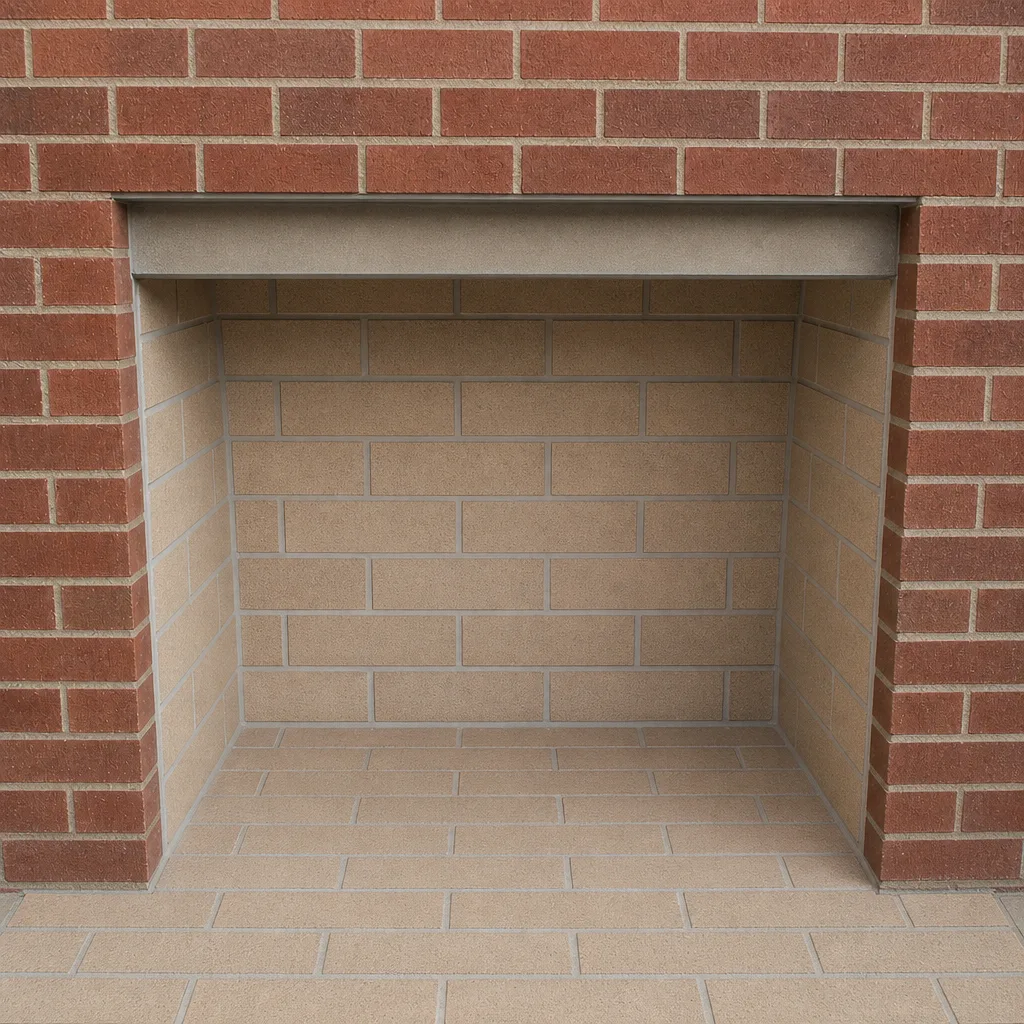
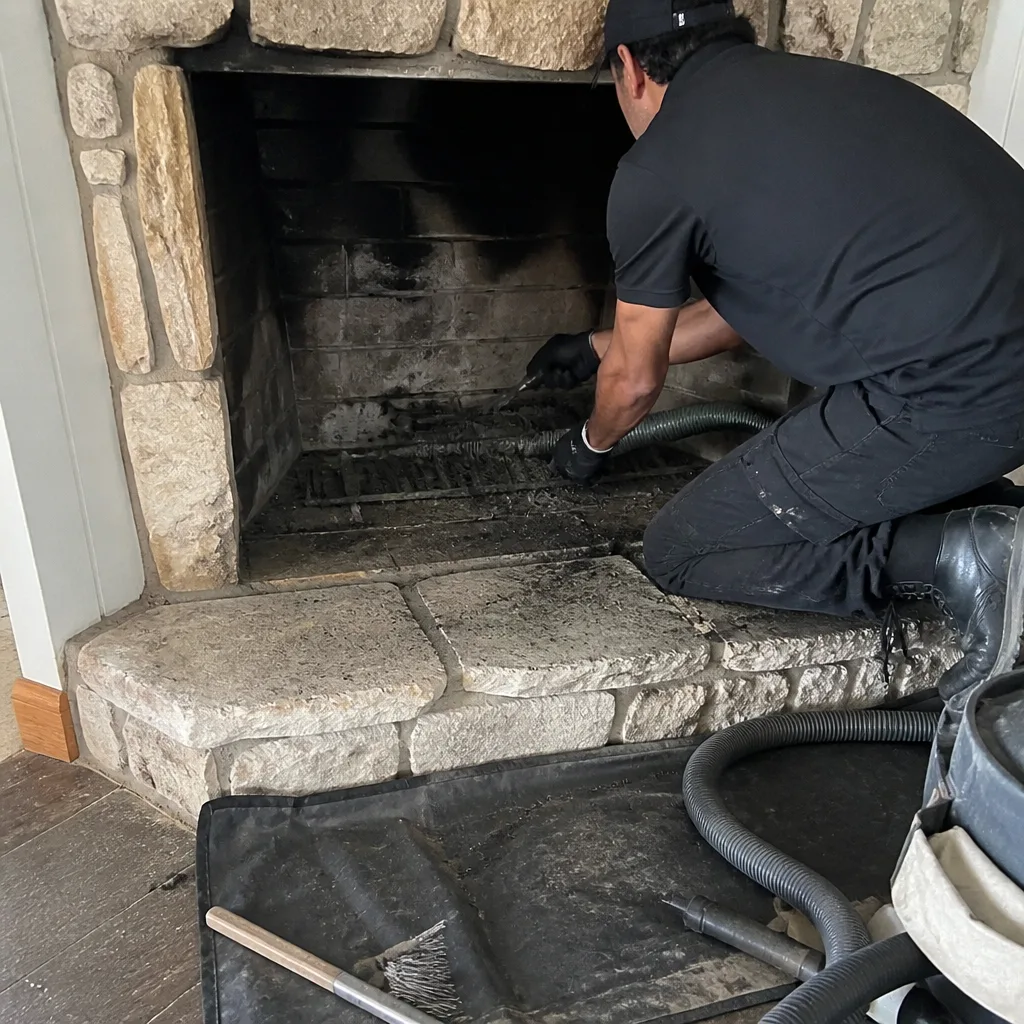
See the difference
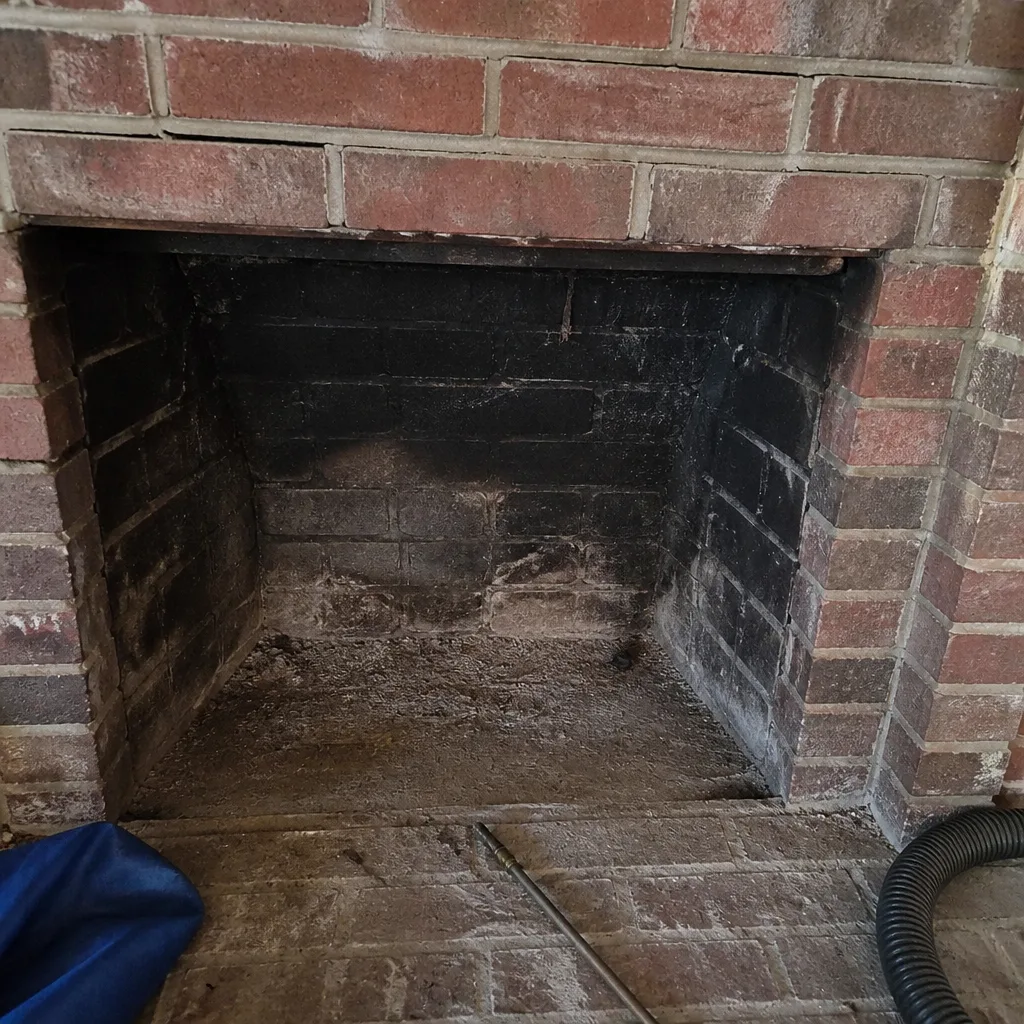 Before
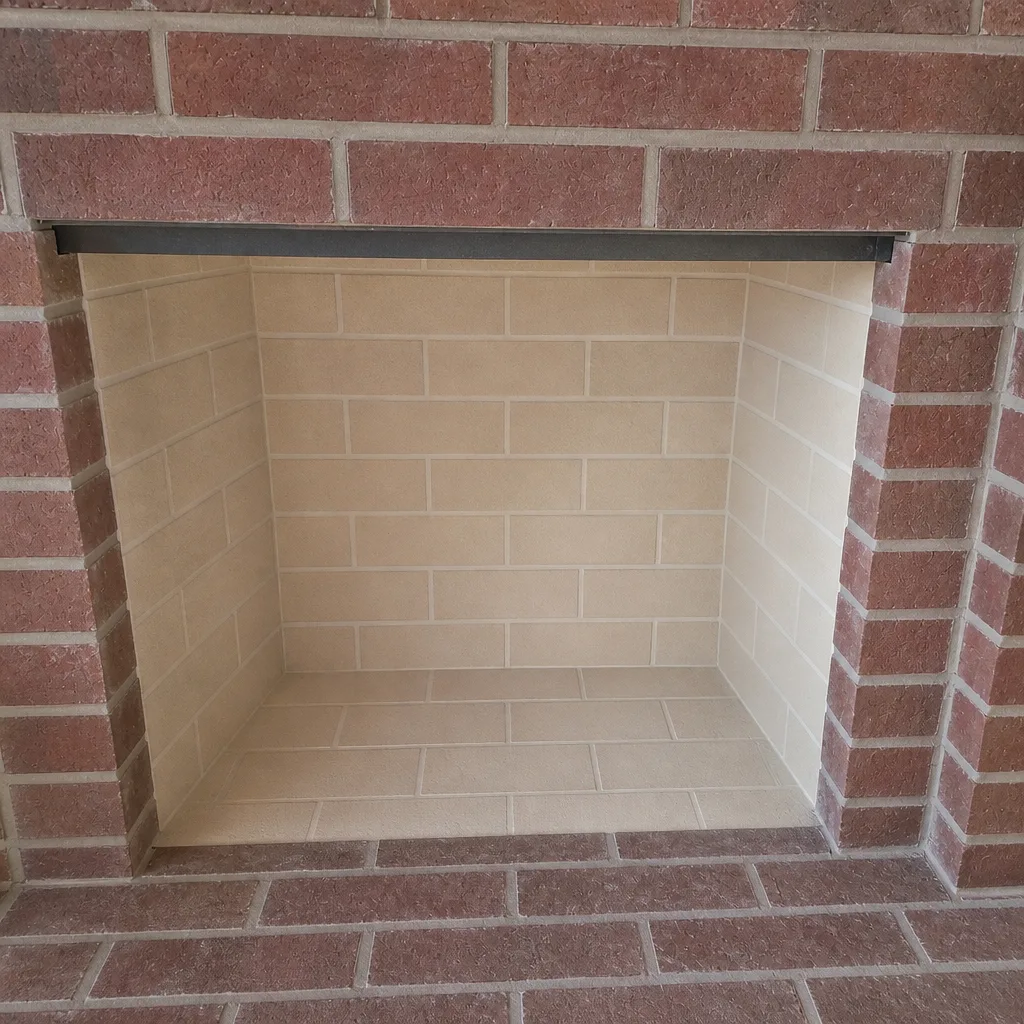 After
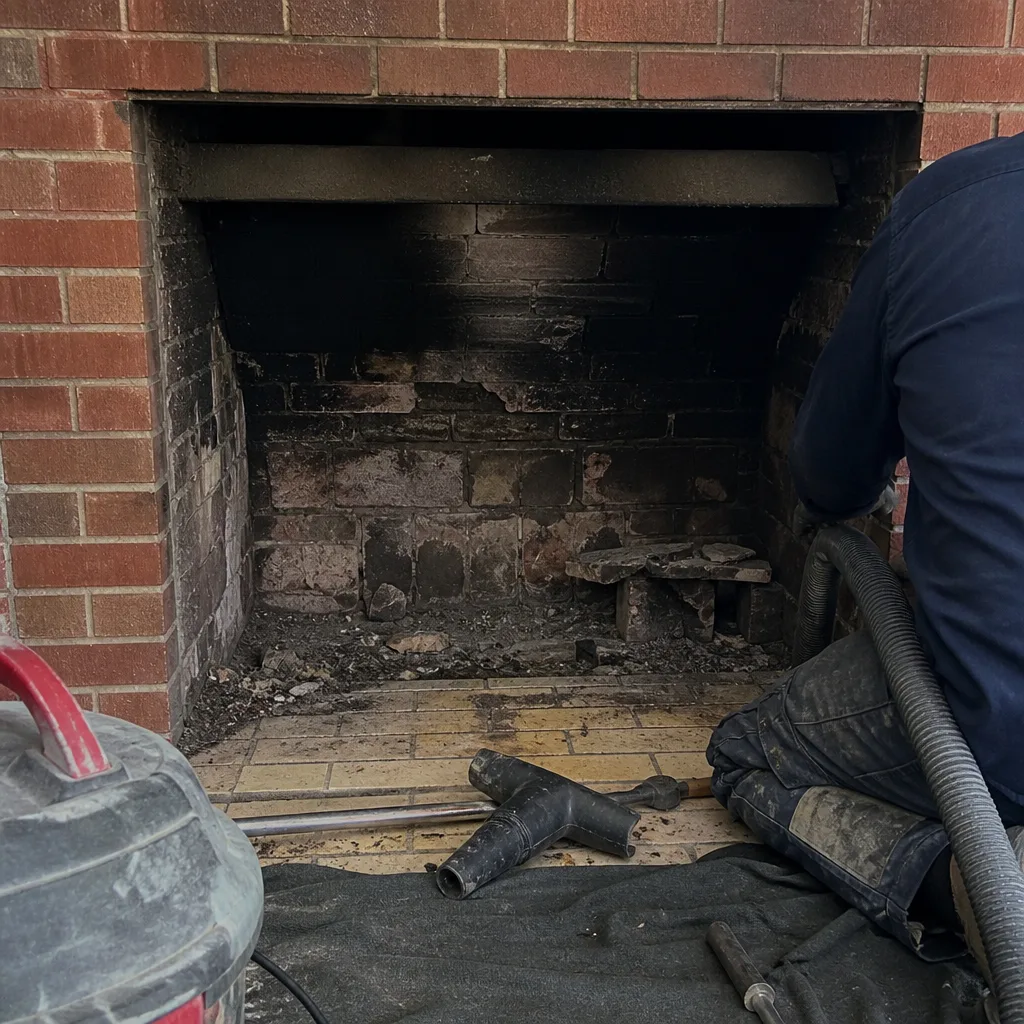 Before
 After
 Before
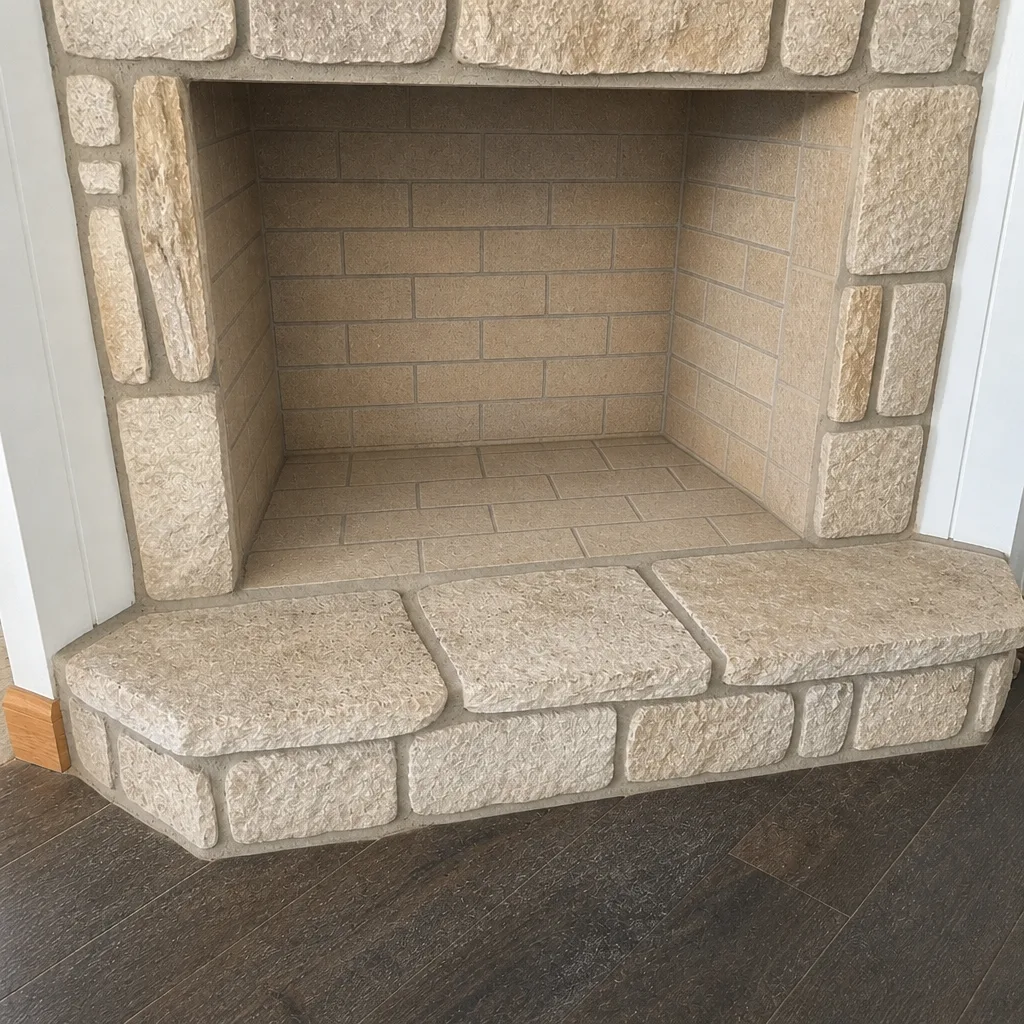 After
When to Call a Professional
Call us when the diagnosis stops being obvious. Smoke enters the room every time you light a fire, in calm weather. You see a glazed, tar-like lining when you look up the flue. A draft problem that you’ve tried to manage with warm-up fires and window cracking gets worse instead of better. A firebox or liner shows cracks. The humid-season odor returns within weeks of a cleaning, which usually points to a cap or crown issue rather than creosote. Or you’re simply due: if it’s been longer than a year since the last time the flue was swept and inspected, the right move is a documented cleaning and inspection before the next burn season. Lakeland Chimney Cleaning offers free estimates in Lakeland – call (844) 410-7138. Same-day service is available, and every estimate is set per job by a written quote.
Frequently Asked Questions
If the symptom appears only at start-up or under one specific condition, it’s usually a performance issue you can monitor. If smoke enters the room on every fire in calm weather, or you see glazed creosote in the flue, stop burning and get a professional diagnosis. Call (844) 410-7138 for an exact quote – estimates are free.
Most often it’s a cold flue and negative pressure, which is a warm-up problem, not a structural one. The flue fills with cool air during the off season, and the first fire of the day has no warm column to start the draft. Warm the flue with a small kindling fire before loading real wood, and if it happens every time regardless, get it diagnosed. Call (844) 410-7138 for an exact quote – estimates are free.
Humidity in the air reaches the soot and creosote residue in the flue, and the residue releases odor back into the room. It’s a residue problem, not a broken chimney, and a sweep is the first fix. Check the cap and crown too, since water intrusion can smell like creosote. Call (844) 410-7138 for an exact quote – estimates are free.
Yes. A camera baseline, then a rotary clean with a trade-grade brush system, then a second camera pass tells you whether the deposit was the obstruction. If the flue opens up and the draft resolves, the restriction was real. If it doesn’t, the cause is pressure or sizing, not restriction. Call (844) 410-7138 for an exact quote – estimates are free.
Once a year if you burn regularly, and at least once a year if you burn only occasionally, because the intermittent pattern deposits sticky residue faster than many homeowners expect. That cadence keeps you at the early creosote stages. Call (844) 410-7138 for an exact quote – estimates are free.
You need one when the camera shows cracks, gaps, or mislocation, or when the flue is sized wrong for the appliance. A smoke-shelf or pressure problem doesn’t need a liner. Ask to see the camera documentation before you agree to anything, and when a repair can safely wait, we say so. Call (844) 410-7138 for an exact quote – estimates are free.
The Bottom Line
Troubleshooting a chimney is a matter of matching symptom to cause, not of replacing things until the problem stops. Smoke rollback is one of four draft failures, and most are fixable without a rebuild. Humid-day odor is residue meeting moisture, not a failing chimney. Heavy buildup is a burn habit, and glazed creosote is the one stage that means stop and get it removed. The homeowner’s real power is asking which specific failure the evidence points to, and asking to see the camera documentation behind every recommendation. Get a documented sweep and inspection before the next burn season, and call (844) 410-7138. We answer 24/7, and fast dispatch runs from 7am to 7pm, Sunday through Friday. Estimates are free, and the written estimate sets the final price. You’ll find the full scope of what we handle at Lakeland Chimney Cleaning.
Written by the team at Lakeland Chimney Cleaning.