
Last updated November 16, 2026
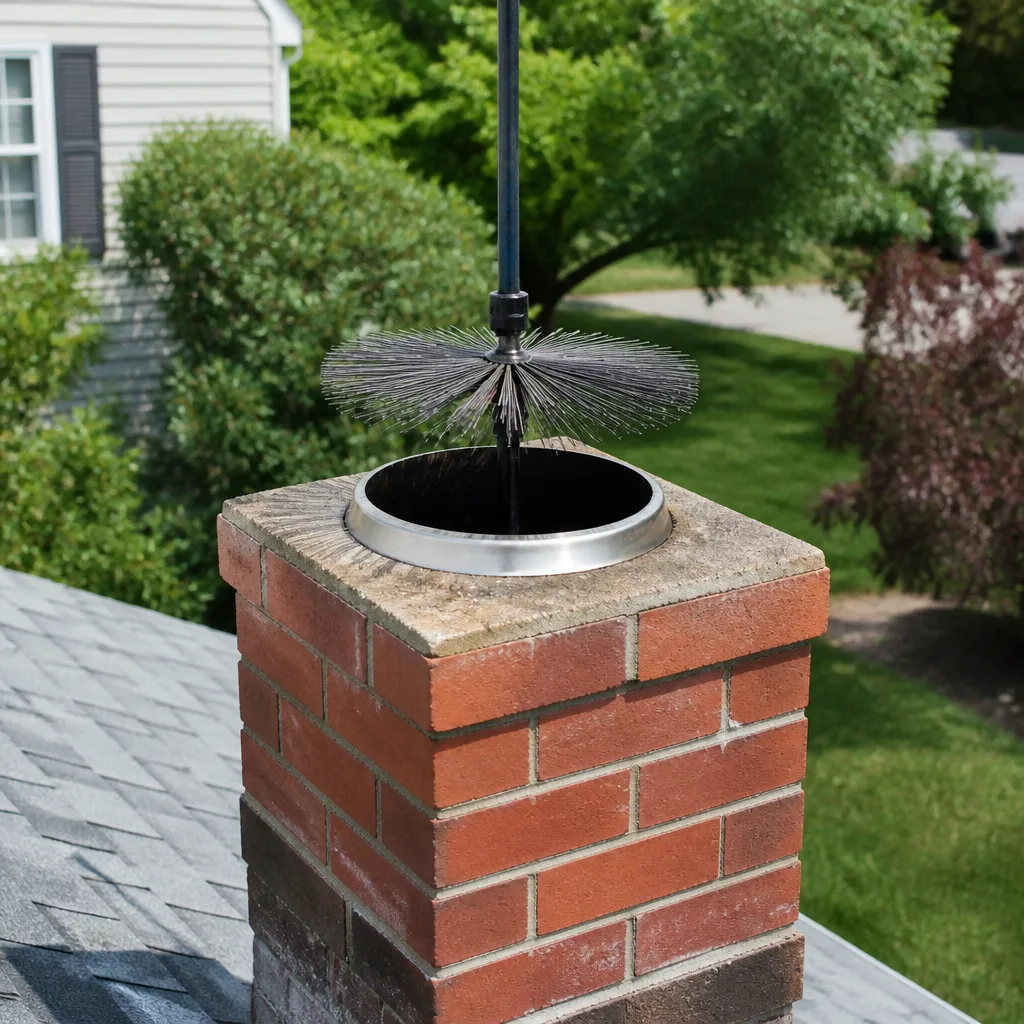 Sweep & inspection
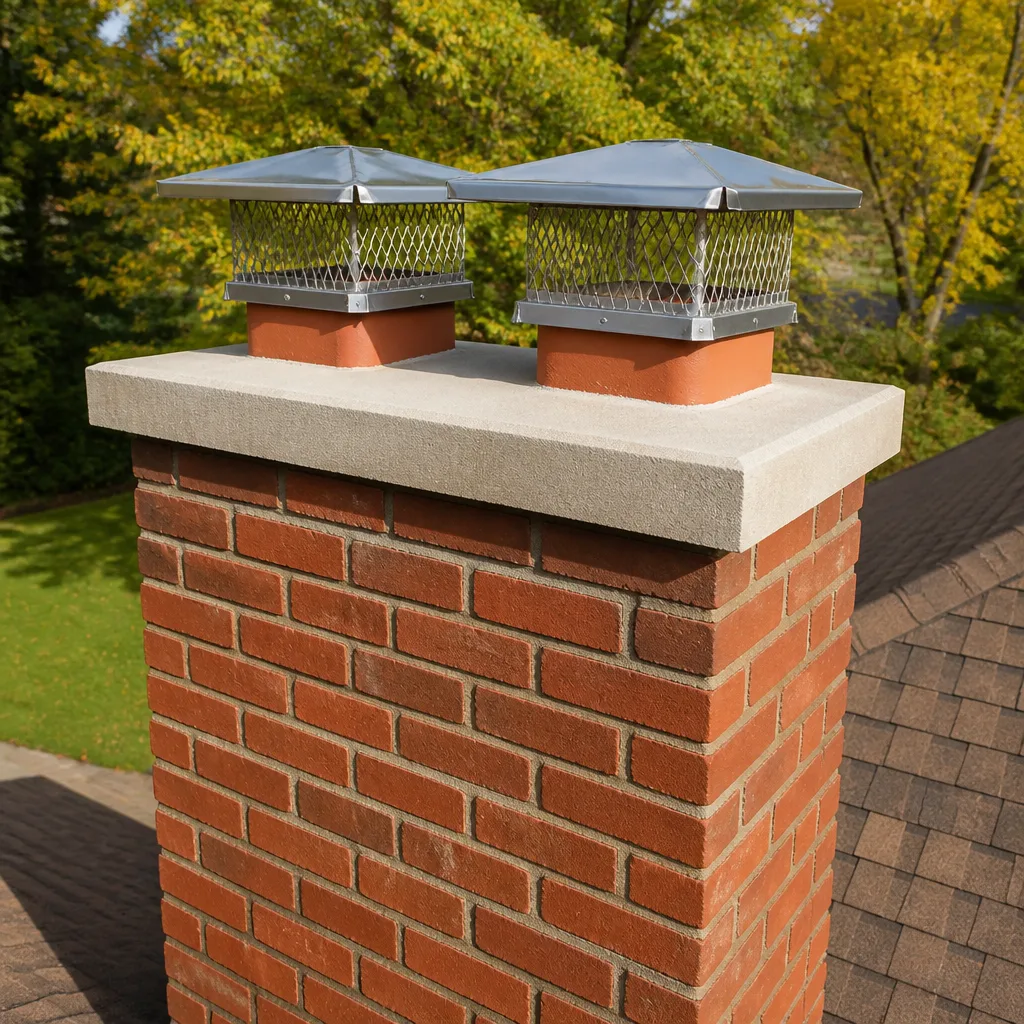 Caps & crowns
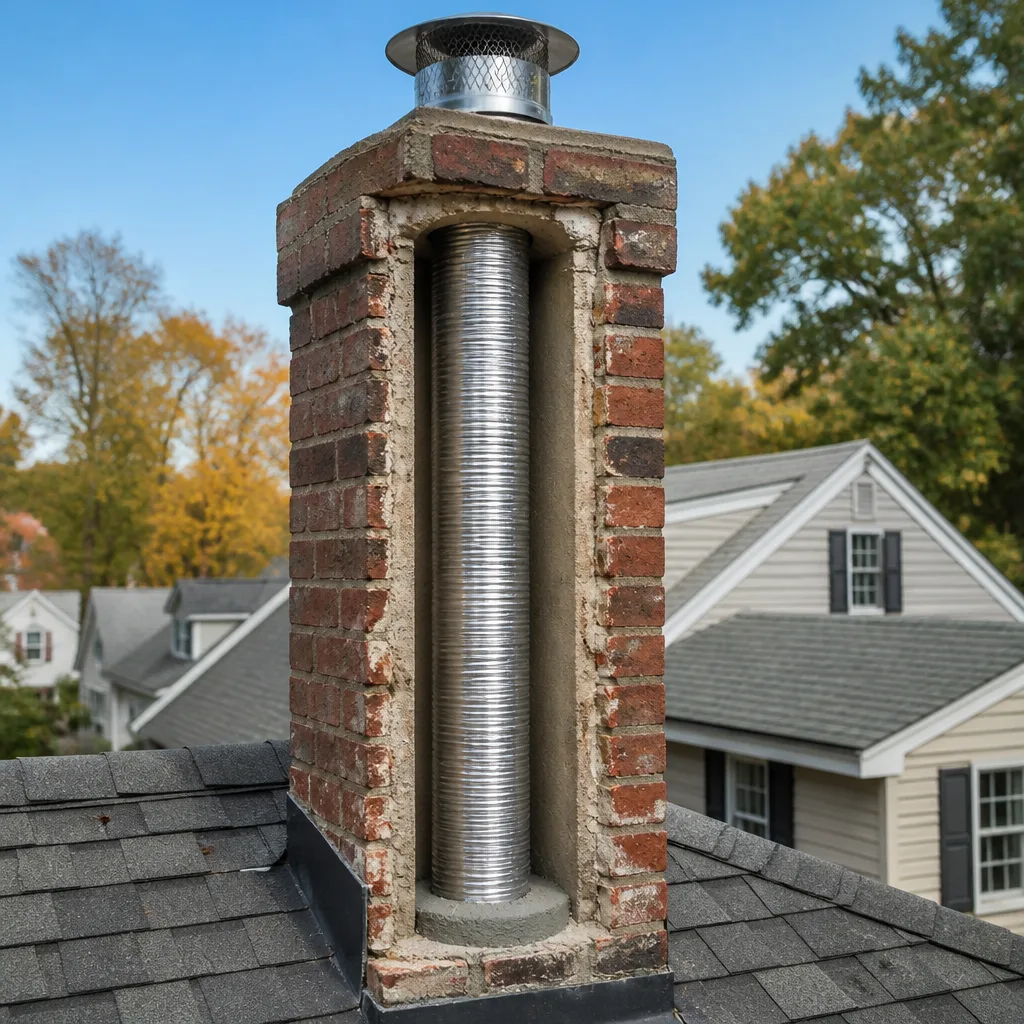 Flue relining
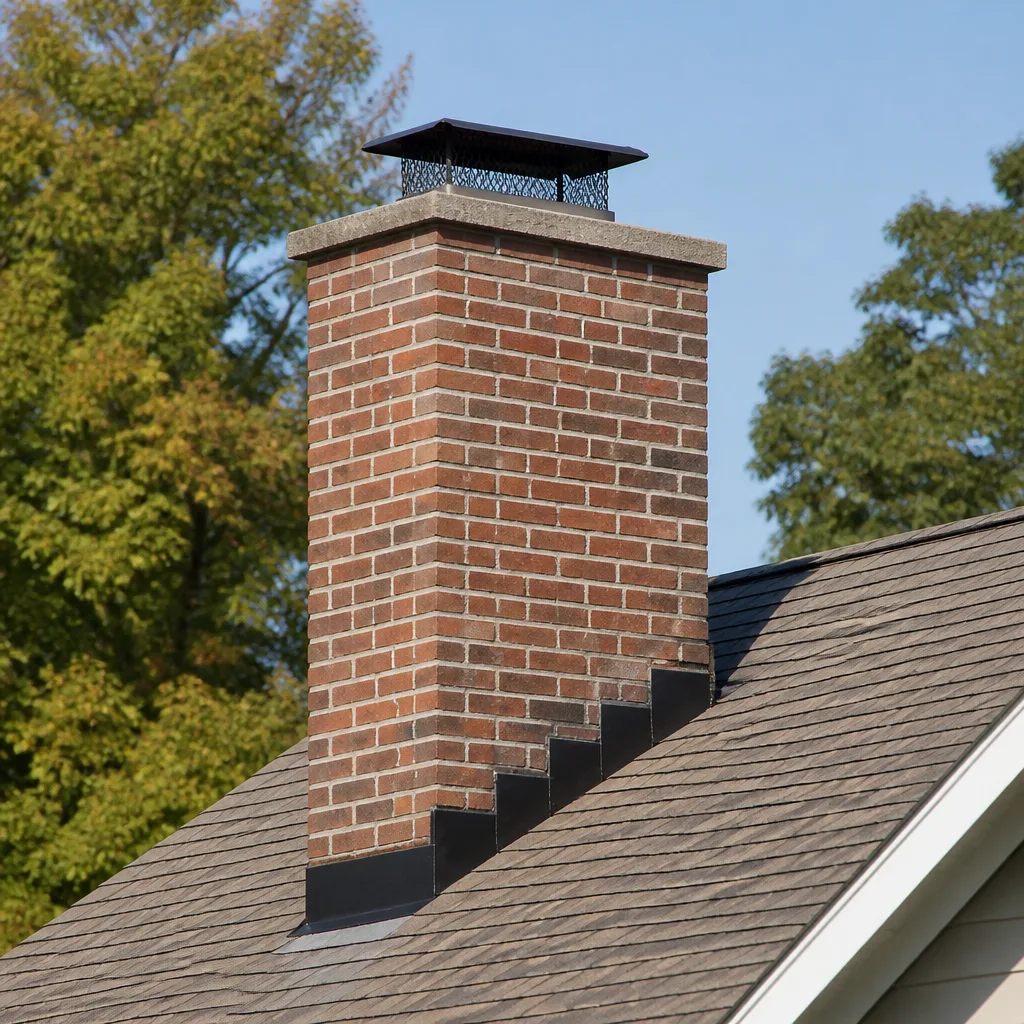 Masonry repair
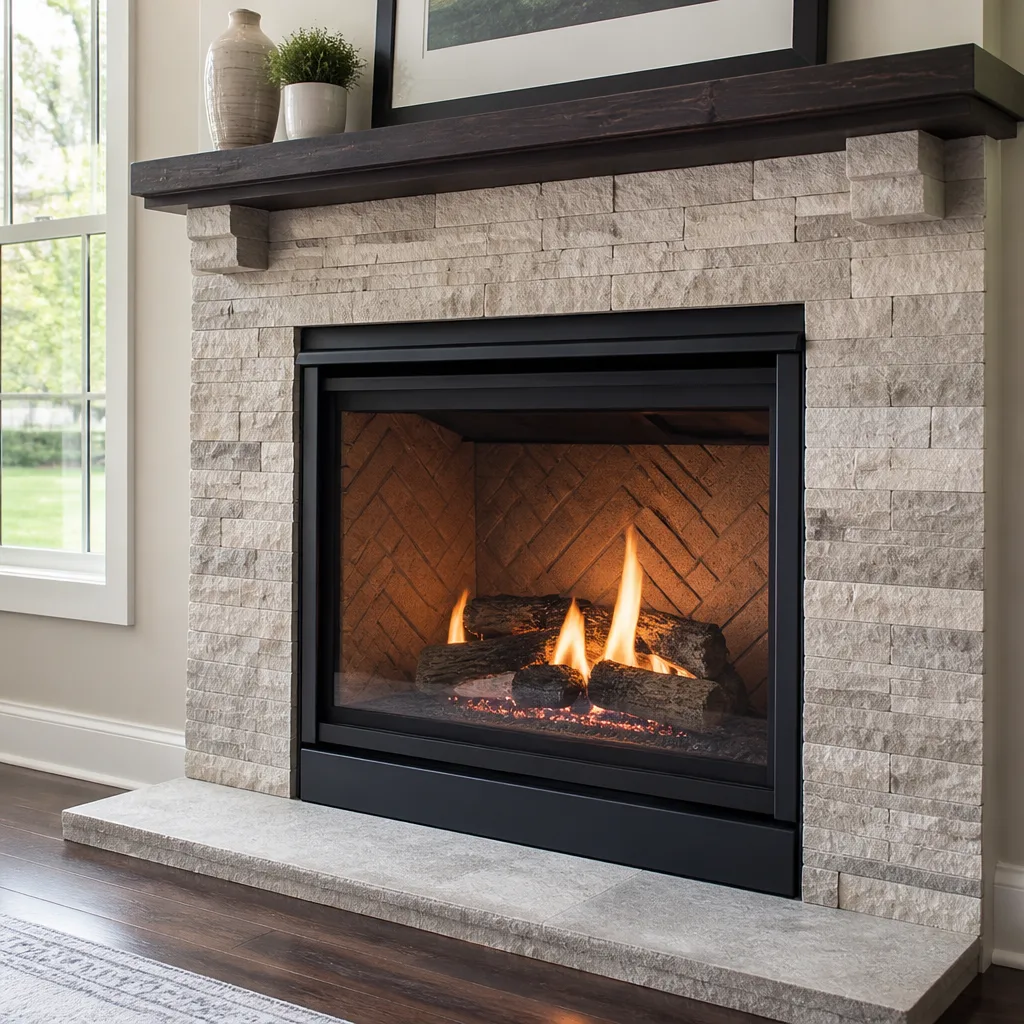 Gas fireplace service
Level 1 sweep and inspection to the NFPA 211 annual standard - flue, crown, cap, and flashing checked and photographed
Chimney sweep logs do not sweep chimneys. They loosen some creosote - which then falls where a brush and vacuum still have to collect it.
Choosing the Right Chimney Cleaning Brand: A Buyer’s Guide for Lakeland
Most homeowners choose a chimney company the way they choose a plumber: they call the first name they find, the price sounds reasonable, and the work gets done. The part nobody asks about is what actually goes up on the roof. When a contractor won’t name the liner system, the crown sealant, or the cap manufacturer in the written estimate, that omission is rarely an oversight. It keeps the door open to swapping in whatever is cheapest on the day of the job. Franchise name, van decals and a friendly phone manner tell you nothing about whether a Gelco liner or a Rutland crown coat is going on your chimney. This guide shows you how to read an estimate, what the professional product brands are specified for, and the questions that separate a chimney specialist from a generalist. It’s written for Lakeland homeowners who want to know what’s going into their home before they sign.
Quick Answer
The right chimney cleaning “brand” in Lakeland isn’t a company logo – it’s the product and system brands the contractor specifies in writing. A trustworthy chimney specialist names the liner alloy (304 or 316 stainless), the crown sealant, the cap maker, and the sweep and inspection method in the estimate, and backs it with CSIA or NFI credentials. When the materials are named, you can verify them. When they’re vague, the contractor has kept the option to substitute.
Styles & brands we work with
- Sweep & inspection
- Caps & crowns
- Flue relining
- Masonry repair
- Gas fireplace service
Table of Contents
- What “Brand” Actually Means in Chimney Cleaning
- The Industry Brands That Matter and What Each One Is For
- How to Read a Chimney Estimate for Material Quality
- Why Stainless Liner Grade (304 vs 316) Matters for Your Fuel Type
- CSIA, NFI, and the Limits of Credentials Alone
- Questions That Reveal How a Contractor Chooses Materials
- What Lakeland Homeowners Should Know Before Booking
- Chimney Specialist vs Generalist: Why Category Focus Matters
What “Brand” Actually Means in Chimney Cleaning
In most trades, “brand” means the company – the name. In chimney work, brand means something more literal and more consequential: the branded products and systems the contractor installs. That’s the distinction that actually determines how long a repair lasts and how safe the flue stays between sweeps.
A chimney has four or five components that wear or fail separately, and each one takes a different product:
- The flue liner – the stainless or clay pipe that carries exhaust. Repair means a named flexible liner system such as DuraFlex, or a ceramic resurfacing system like HeatShield when the original clay is intact enough to restore.
- The crown – the concrete cap at the top. A proper crown coat is a flexible, crack-resistant masonry product, not a bag of hardware-store mortar patched in.
- The cap and damper – the top-screen cap and the flue damper. Trade-grade caps and top-sealing dampers come from suppliers like Olympia Chimney, Gelco, and Lyemance.
- The firebox and smoke chamber – the masonry inside. These are the parts a resurfacing product (HeatShield) is designed to repair without a full rebuild.
Every one of those components has a professional-grade version and a consumer-aisle version. The professional-grade version is specified by a model number or product family. The consumer version is what gets used when nobody asked. And in our experience, the contractor who can’t tell you the difference is the one who isn’t buying from trade suppliers in the first place.
This is the first reason a chimney specialist is worth seeking out. A Lakeland Chimney Cleaning provider that does nothing but chimney work has a set of product relationships and a parts vocabulary that a handyman juggling gutters, drywall, and roof patches simply doesn’t build.
The Industry Brands That Matter and What Each One Is For
Here’s where a buyer’s guide earns its keep. These are the names a competent chimney contractor should be able to say out loud without checking a catalog – and know which job each one solves. If a contractor can’t tell you what a brand is specified for, they aren’t specifying it; they’re using it because that’s what the supplier had that week.
Liner systems and relining
- DuraFlex – flexible stainless liner systems, the professional standard for relining a flue. Used when the original clay liner is cracked, spalling, or the wrong size for the appliance. The contractor should be able to tell you the alloy (see the 304 vs 316 section below).
- HeatShield – a ceramic resurfacing system used to restore a damaged clay liner or smoke chamber from the inside without tearing out the masonry. It’s the recognized alternative to a full reline when the liner is structurally sound enough to coat. A contractor who doesn’t mention it as an option is either unfamiliar or is steering you toward the pricier job.
- Gelco – a trade-level supply brand for stainless liner components, caps, and top-sealing dampers. When you see Gelco specified, you’re seeing trade-channel parts rather than the consumer-aisle equivalents.
Caps, dampers and crowns
- Olympia Chimney – trade-level caps, dampers, and venting components. A top-sealing damper from Olympia Chimney seals the flue when the fireplace is cold, which keeps rain, animals, and downdrafts out.
- Lyemance – the name associated with top-sealing damper assemblies. Specifying the maker matters because a cheap top-sealing damper that fails open leaves you with a flue that never seals.
- Rutland – a masonry and crown-product brand. A flexible crown coat from a named maker is what keeps water out of the crown’s hairline cracks; plain mortar patch smeared over the top is what cracks again by the next rainy season.
- Lindemann – a masonry and firebox product line, associated with firebox and smoke-chamber repair materials. When your firebox mortar is crumbling, the repair material is either a specified refractory product or it isn’t.
The pattern is simple. Brands like DuraFlex, HeatShield, Olympia Chimney and Gelco are sourced through trade suppliers – copperfield-style distributors and professional chimney channels – not the box store down the street. That’s the actual signal. When a contractor names those products in the estimate, they’ve selected by performance specification. When they name none, they’ve selected by whatever was closest.
How to Read a Chimney Estimate for Material Quality
This is the single most useful skill the guide can give you. Two estimates can describe the same repair and still be worlds apart. Read them for these elements.
- The product name and, where it applies, the model or alloy. “Relined with a stainless liner” is a scope-of-work description. “Relined with a DuraFlex 316L stainless system, sized to the appliance” is a specification. One lets the contractor swap; one doesn’t.
- The method for each part of the job. For a crown: “sealed with Rutland flexible crown coat” names the product. “Crown repaired” doesn’t. For a liner: “coated with HeatShield” tells you the method. “Liner restored” doesn’t.
- What’s included versus what’s an add-on. Sweep, inspection, and any repair should be broken out so you can see the camera inspection and photo report as line items, not as vague inclusions.
- Who performs the work and under what standard. The estimate should identify the service category and the credentials of the people doing it. A generalist who “also does chimneys” should say so plainly.
- The guarantee language. “Quality workmanship guaranteed” is a phrase that means nothing. A named material, a named method, and a written scope mean something you can hold them to.
In our experience, the vague estimate is usually written vague on purpose. It preserves the option to arrive with a cheaper material than what was quoted, or to expand the scope once the roof is open. A spec’d estimate removes that option from both sides. A chimney repair estimate you can read line by line is the one worth comparing against the next bid.
Why Stainless Liner Grade (304 vs 316) Matters for Your Fuel Type
Here’s the technical detail most homeowners never hear, and it’s the one that decides how long a reline lasts. Stainless chimney liner comes in two common alloys, and they’re not interchangeable:
- 304 stainless – the general-purpose alloy. Adequate for some wood-burning applications where the flue gases are relatively benign and the appliance burns cleanly.
- 316 stainless (often written 316L or 316Ti) – the more corrosion-resistant alloy, preferred where the exhaust is more aggressive. That includes many gas appliance flues and wood appliances that see more moisture or condensate in their exhaust.
What a competent contractor does is specify the alloy in the estimate, without being asked, based on the fuel type and appliance. What an under-informed one does is quietly use whichever alloy the supplier sold at a better margin. The difference doesn’t show up on the invoice; it shows up years later when one liner is fine and the other has pitted.
So the question to ask, in plain language, is this: “Which alloy are you specifying for my appliance, and why that one?” A specialist answers immediately because that’s a decision they make on every reline. If the answer is a shrug, that tells you how the material was chosen. HeatShield coating is the alternative when the original liner can be restored rather than replaced, and a good contractor will tell you honestly which path your liner actually needs – including when it’s the less expensive one.
CSIA, NFI, and the Limits of Credentials Alone
Credentials are the floor. They’re necessary and they don’t tell the whole story. That’s the useful framing.
The two you’ll hear most often are CSIA – the Chimney Safety Institute of America – for chimney sweeps and inspectors, and NFI – the National Fireplace Institute – for hearth and appliance installation. A CSIA-certified sweep has demonstrated knowledge of codes, venting, and inspection standards. An NFI-certified technician has demonstrated knowledge of appliance installation and venting issues around the firebox.
Together they establish baseline competence. What they don’t establish is product-level judgment – the ability to look at a cracked crown and know which flexible coat will last, or to look at a pitted liner and know whether a resurfacing or a full reline is the right call. That skill comes from doing the work, from using the named brands, and from having a material conversation every time. It’s the difference between “certified” and “cured.”
Our technicians have up to experience, and that experience is built on a single trade – chimneys, not a general home-services menu. When you’re evaluating a contractor, ask about certifications because they’re the entry ticket. Then ask about materials because that’s where the real technical opinion lives.
Questions That Reveal How a Contractor Chooses Materials
You don’t need to become a chimney expert to hire one well. Six questions, asked plainly, will tell you whether the contractor selects by performance or by supplier convenience.
- “Which liner alloy are you specifying, and for which fuel?” If they name 316 or 304 and explain why, they’re choosing by spec. If they name a liner “system” with no alloy, they’re choosing by availability.
- “Is HeatShield resurfacing an option for my liner, or does it need full replacement?” A specialist knows both paths and will tell you which one is justified. A contractor who only mentions replacement may not know the resurfacing alternative exists, or prefers the bigger invoice.
- “Which crown product is going on my chimney?” A flexible crown coat from a named maker (Rutland, for example) is a real answer. “Masonry patching” is not.
- “What cap and damper brand do you use, and why that one?” Olympia Chimney, Gelco, or Lyemance are trade-channel answers. “Whatever fits” is what you’re hoping not to hear.
- “Who actually performs the sweep and inspection, and what are their credentials?” CSIA sweep, NFI-aware, or “our tech does everything”? The generalist answer tells you a repair quality answer too.
- “What’s in the written estimate – line by line, product by product?” The honest answer is a named, itemized scope. The evasive one is “we’ll see what we find when we get up there,” which is not an estimate at all.
Two or three of these are usually enough. The contractor who selects by performance answers all six without looking anything up, because they chose the material before they walked in the door. That’s the contractor you want.
What Lakeland Homeowners Should Know Before Booking
Chimney work in Lakeland has factors that don’t apply in colder climates, and a contractor who treats your fireplace like a Chicago job is a contractor who’s not paying attention. Lakeland’s climate is warm and humid for most of the year, and that shapes chimney life in specific ways:
- Humidity accelerates masonry wear. Warm, humid air works on the crown, mortar joints, and firebox over time – which is why a flexible crown coat and a proper cap matter here, not just as cosmetics. Water intrusion at the crown is a leading driver of masonry failure.
- Light use, long gaps. Many Lakeland fireplaces see only a few months of use each year, which means the flue can sit idle for long stretches. Idle flues still collect moisture and can develop creosote in stages. A sweep before the first fire of the season matters as much here as it does where fires burn more often.
- Caps and dampers earn their keep. In a warm climate where the flue stays open to the weather longer, a top-sealing damper and a well-fitted cap keep rain, insects and animals out to a degree that matters more than in a cold-climate house that’s using the fireplace constantly.
- Building code varies by municipality. Chimney liner sizing and venting rules are set locally as well as nationally. Before a reline, ask your city’s building department what permit and inspection the job requires. That’s a question your contractor should be able to discuss without flinching.
Our Lakeland work is built around those realities, and the product choices reflect them: caps that seal, dampers that seal, and crown coats that flex with the masonry instead of cracking on top of it.
Chimney Specialist vs Generalist: Why Category Focus Matters
The category-focus argument for a chimney specialist isn’t a marketing line – it’s a direct consequence of everything above. A contractor who performs chimney work every day builds the material vocabulary and the product relationships that generalists never get around to. Here’s how it plays out:
- They stock and specify by trade channel. Professional-grade components from Olympia Chimney, Gelco, DuraFlex, HeatShield and similar brands come through distributors that serve the trade. A chimney-focused provider buys from those suppliers because that’s the only channel they use; a generalist usually can’t, and substitutes.
- Every technician’s experience is chimney experience. A generalist’s six years split across decks, gutters, and chimneys is not six years of chimney work. A specialist’s up-to-8-year technician has spent that time on flues, crowns, liners, and inspections.
- The sweep-inspect-repair cycle stays in one relationship. When the sweep, the inspection, and the repair are all done by the same specialty provider, the camera inspection and photo report that justify a repair are the same report the repair crew is holding. There’s no handoff, no second contractor’s interpretation, no scope creep between visits.
- Nothing is recommended without evidence you can see. Photo-documented inspection is the specialist’s standard. If nothing needs doing, a specialist tells you and books the next check-in instead of inventing a repair. That’s the whole hesitation most homeowners bring to this table, and it’s the one a chimney-focused provider can actually answer.
That’s the argument, in one sentence: a chimney sweep, an inspection, and a repair are all the same trade, and a specialist who does only that trade has more material knowledge, better supplier access, and less incentive to substitute. For a buyer comparing bids, that’s exactly what you want to be paying for.
Common Mistakes to Avoid
- Hiring on price alone. The lowest bid is usually the one with the least specific materials. Cheap concrete crown patch and unbranded liner are the difference between the bid and the bill, and the gap shows up years later.
- Accepting a vague scope of work. “Sweep and inspect” without a line-item description of the method and products is not an estimate you can hold anyone to. Ask for the itemized version in writing before you book.
- Never asking which alloy the liner is. If you don’t ask 304 or 316, the contractor won’t volunteer it. That’s the single question that makes you an informed buyer.
- Skipping the camera inspection. A repair you can’t see is a repair you can’t verify. Insist on a photo report so you’re not relying on someone telling you there’s a problem.
- Letting a generalist handle the chimney because they’re already on the property. Gutters, HVAC and chimneys are separate trades. A handyman patching a crown while he’s up there is not a chimney repair.
- Assuming credentials settle the question. CSIA and NFI certifications are a floor. Product-level judgment is what actually protects your flue. Ask both.
- Ignoring the cap and damper. In Lakeland’s humidity, a failing cap or damper lets water and moisture into the flue year-round. It’s not a cosmetic accessory.
See the difference
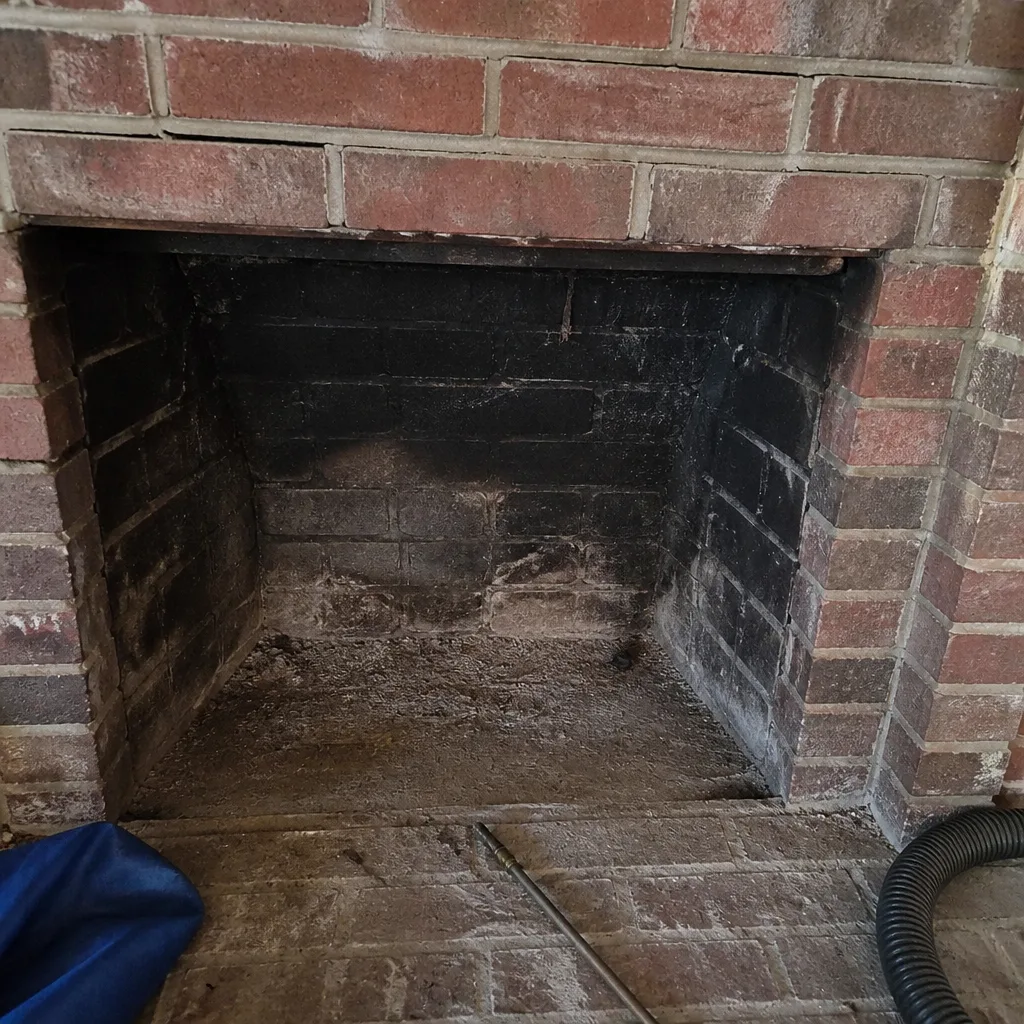 Before
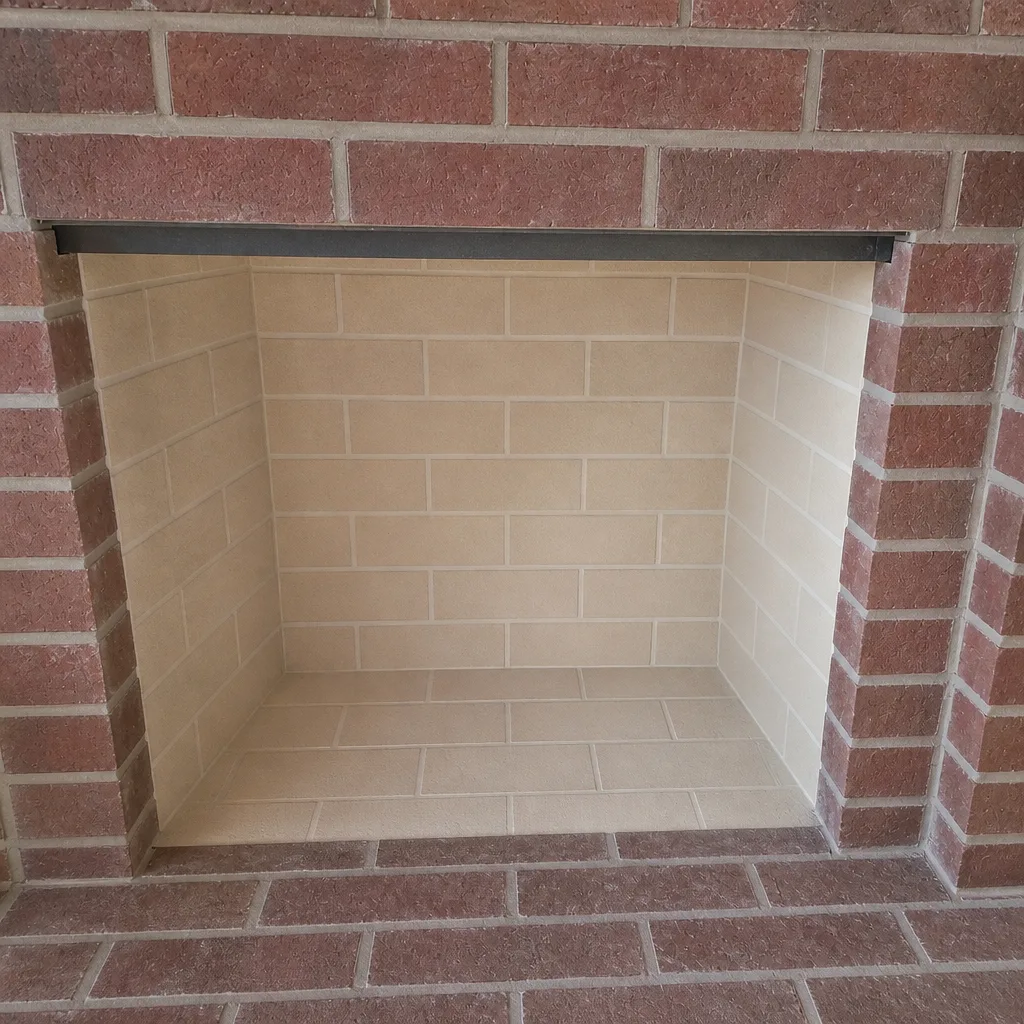 After
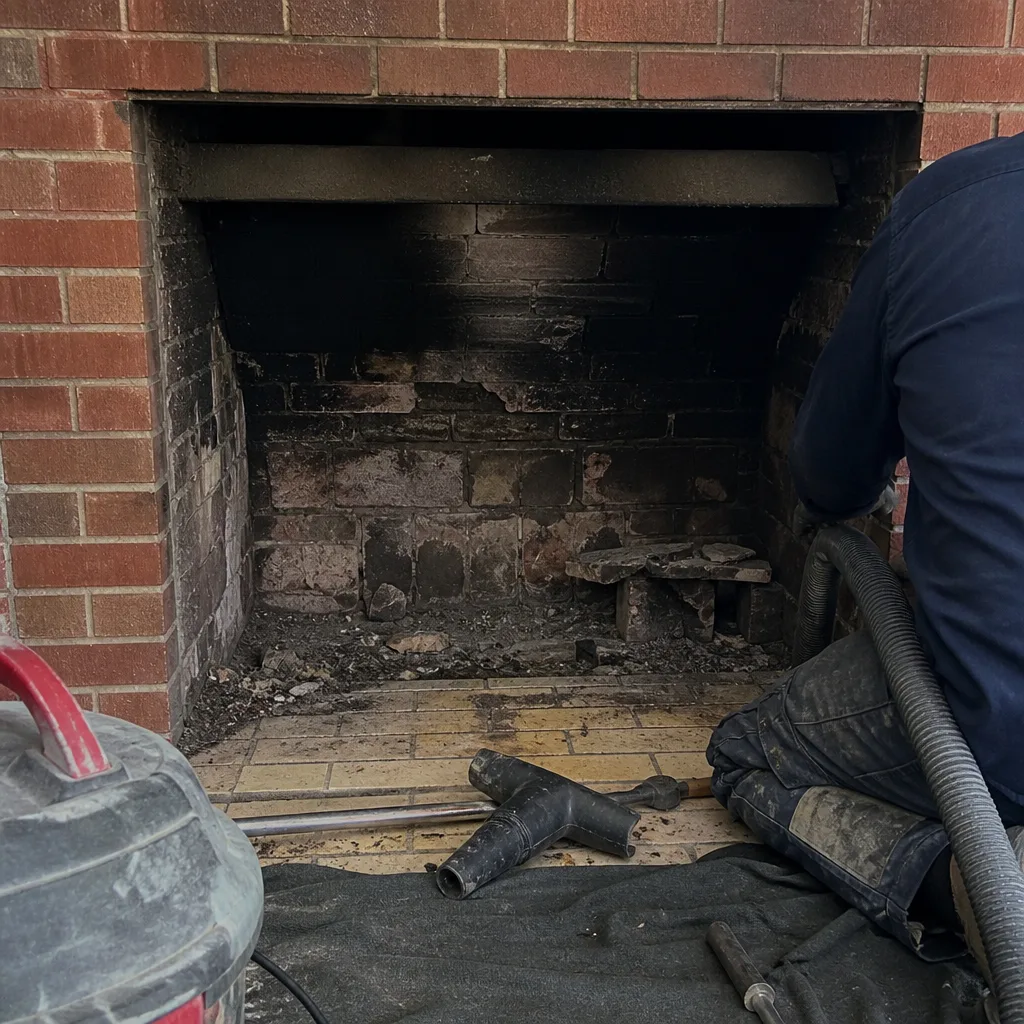 Before
 After
 Before
 After
When to Call a Professional
Some chimney work is routine, and some is urgent. Call a professional chimney specialist when:
- You’re booking the seasonal sweep and want a photo-documented inspection at the same time.
- You’ve noticed smoke back-drafting, a smell in the room when the fireplace isn’t lit, or uneven burns.
- You see cracked or crumbling crown, mortar, or firebox masonry.
- Your cap is loose, damaged, or missing.
- It’s been a while since the last sweep and you want the flue checked before the next fire.
A failed cap or a damaged crown is a water-intrusion problem, not an emergency, but it shouldn’t wait through another season. Lakeland Chimney Cleaning offers free estimates in Lakeland. Call (844) 410-7138. We answer 24/7. Fast dispatch from 7am to 7pm, Sunday through Friday.
Frequently Asked Questions
There isn’t a single “best” – the right choice is the contractor who specifies branded, professional-grade materials in the written estimate and backs the work with chimney-only experience. Judge on three things: are the liner alloy, crown product, cap brand and method named in the estimate; are the technicians CSIA or NFI credentialed; is the inspection photo-documented. A contractor who scores well on all three is the one to book. Call (844) 410-7138 for an exact estimate – estimates are free.
A serious chimney contractor should be able to name the trade brands used on each part of a job: DuraFlex for flexible stainless relines, HeatShield for ceramic liner resurfacing, Olympia Chimney and Gelco for caps and dampers, Rutland for flexible crown coats, and Lindemann for firebox and smoke-chamber masonry. The specific names are less important than the fact that they’re specified in writing. A vague estimate with no product names is a contractor keeping the option to substitute. Call (844) 410-7138 for a free estimate.
It matters, and the difference is in the materials. A chimney specialist works in one trade all year, so they buy from trade-level suppliers and know which liner alloy, crown coat, and cap are appropriate for your fuel type and climate. A generalist who “also does chimneys” usually can’t source those professional products and substitutes what’s on the shelf. On a repair that’s meant to last years, that substitution is the whole ballgame. Call (844) 410-7138 for a free estimate.
No – they’re the floor, not the ceiling. CSIA certification for sweeps and inspectors and NFI for hearth work establish baseline knowledge of codes and venting. They don’t establish product-level judgment, which is what actually determines whether a crown coat holds or a liner is correctly sized. Use credentials to rule out contractors, and use the material questions in this guide to pick between them. Call (844) 410-7138 for an exact quote.
Because 304 and 316 stainless are not interchangeable and the wrong one can fail early. The right alloy depends on your fuel type and appliance, and a competent contractor specifies it in the estimate without being asked. In a warm, humid climate like Lakeland’s, where the flue sees less fire but more moisture exposure, that specification matters even more. Ask which alloy and why. Call (844) 410-7138 – estimates are free.
Ask what materials are going into the estimate and why, and expect a named, specific answer. A specialist who chooses by performance specification will name their liner alloy, their crown product, and their cap brand without looking anything up. If the answer is “we’ll figure it out on the day,” that’s the answer that tells you to call someone else. Call (844) 410-7138 for a free written estimate.
The Bottom Line
The “brand” question in chimney cleaning is a materials question. The brand that determines how long your repair lasts isn’t the company name – it’s the DuraFlex liner system, the HeatShield resurfacing, the Rutland crown coat, the Olympia Chimney cap and damper. Read the estimate for those names. Ask about the liner alloy. Use credentials as the floor, not the ceiling. And give weight to a chimney-only specialist who can source professional-grade products through trade channels and speak from experience on every material. When the estimate names the material, you can verify the work; when it doesn’t, you can’t.
Get a Free Estimate
If you’ve read this far, you already know the questions to ask. Put them to a specialist who can answer every one without checking a catalog. Lakeland Chimney Cleaning covers the full service – sweep, inspection, and repair – through one specialty provider using professional-grade brands including DuraFlex, HeatShield, Gelco, and Olympia Chimney. Our written estimates name the materials so you can compare them line by line, and every repair is backed by a camera inspection and a photo report you can see for yourself. If work can safely wait, we’ll tell you. Call (844) 410-7138 for a free estimate. We answer 24/7. Fast dispatch from 7am to 7pm, Sunday through Friday.
Written by the team at Lakeland Chimney Cleaning.