
Last updated November 16, 2026
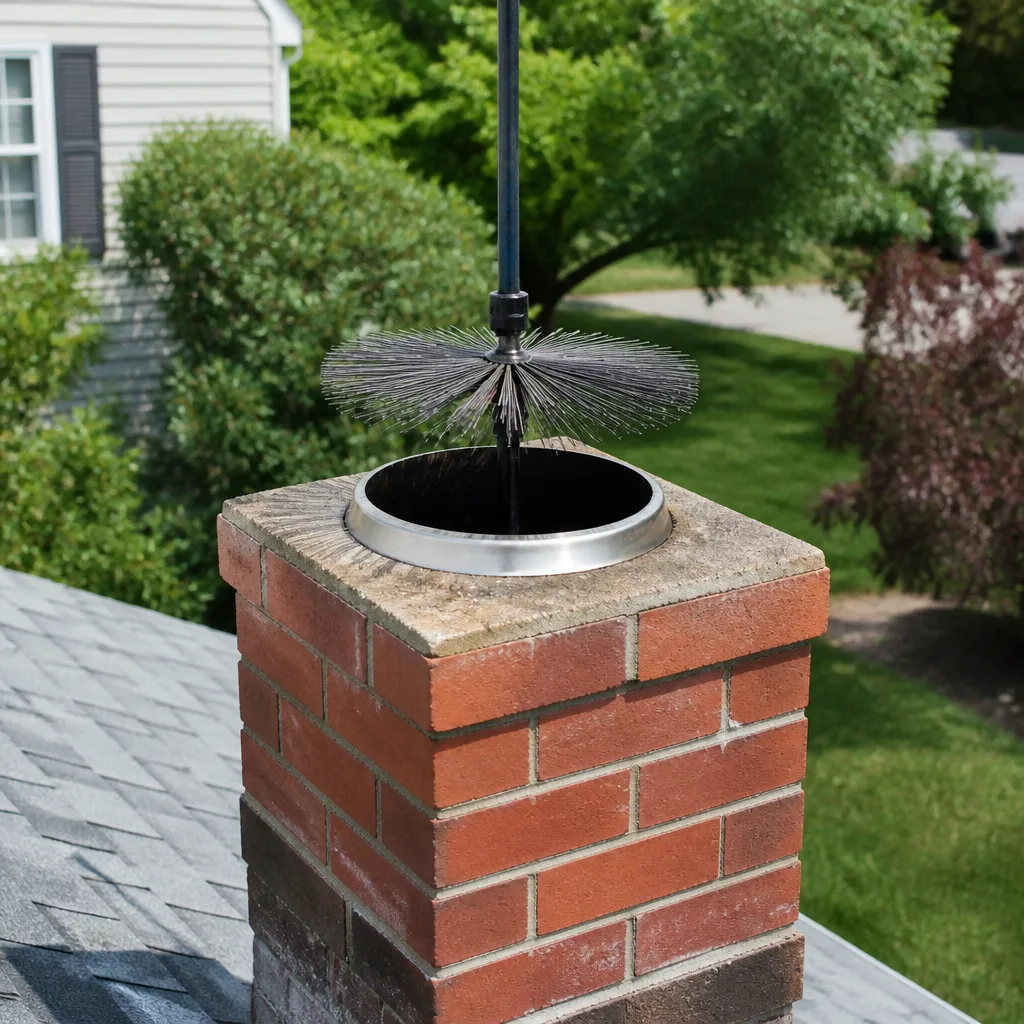 Sweep & inspection
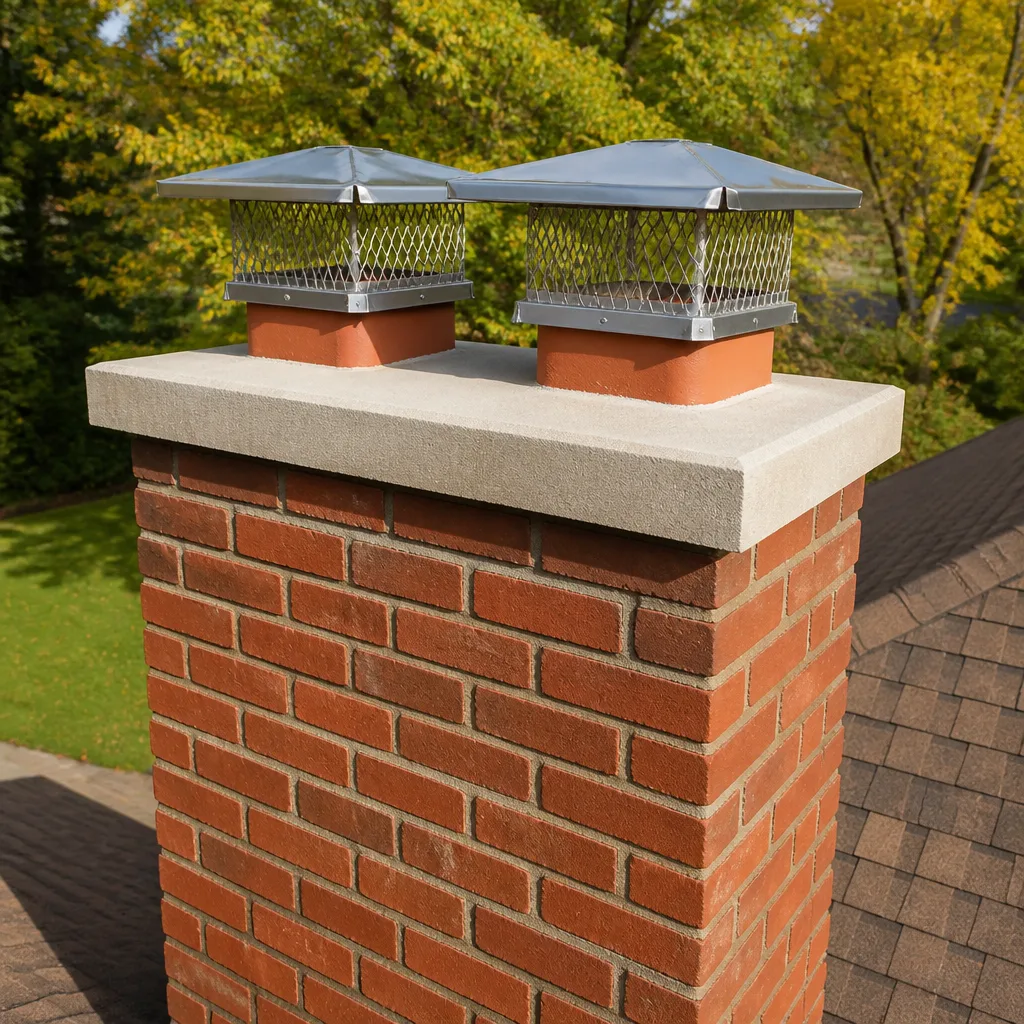 Caps & crowns
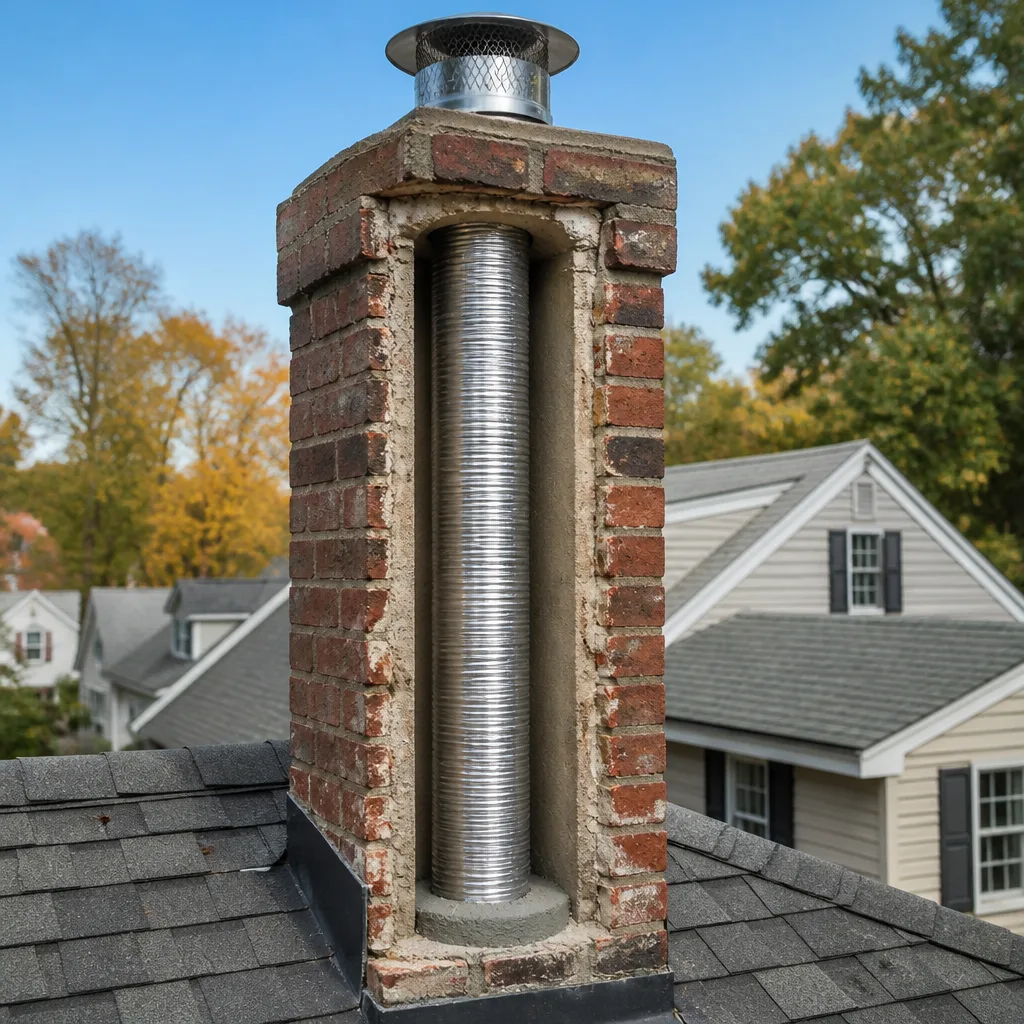 Flue relining
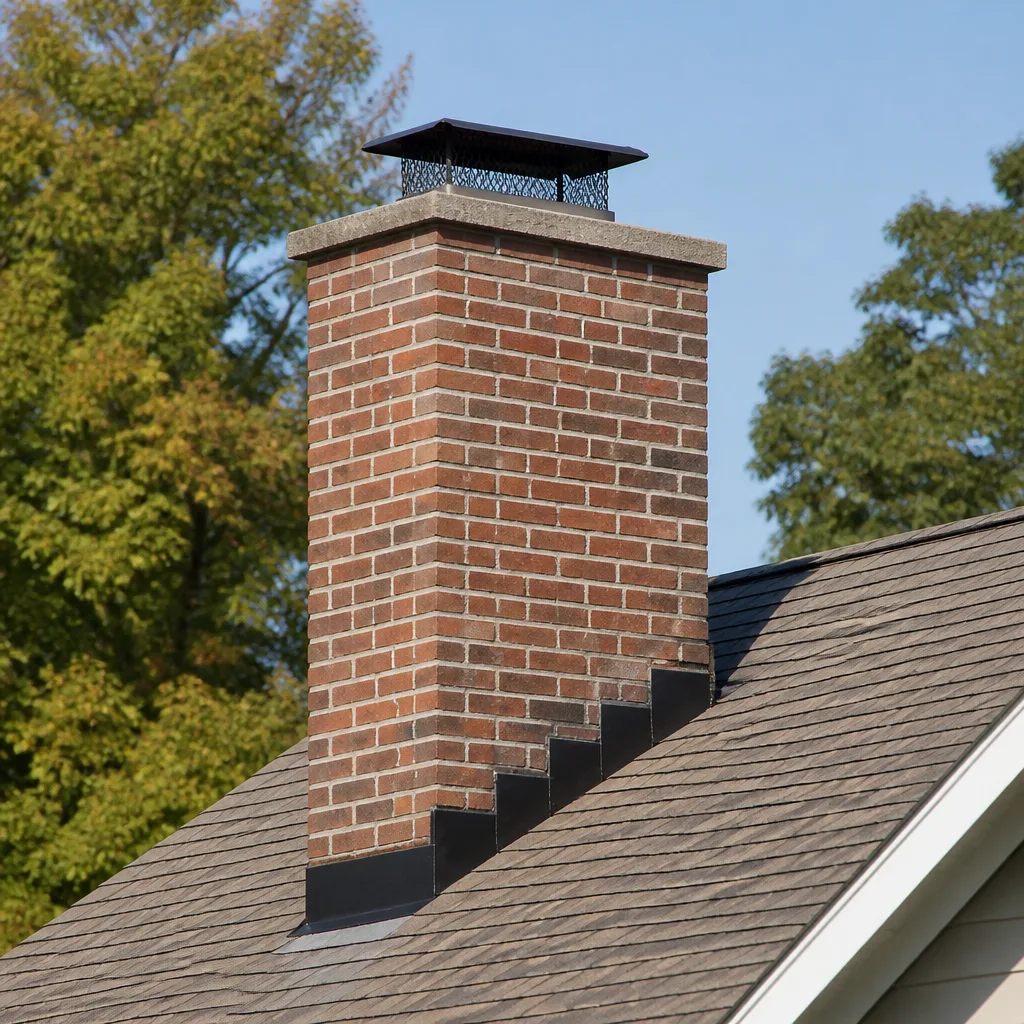 Masonry repair
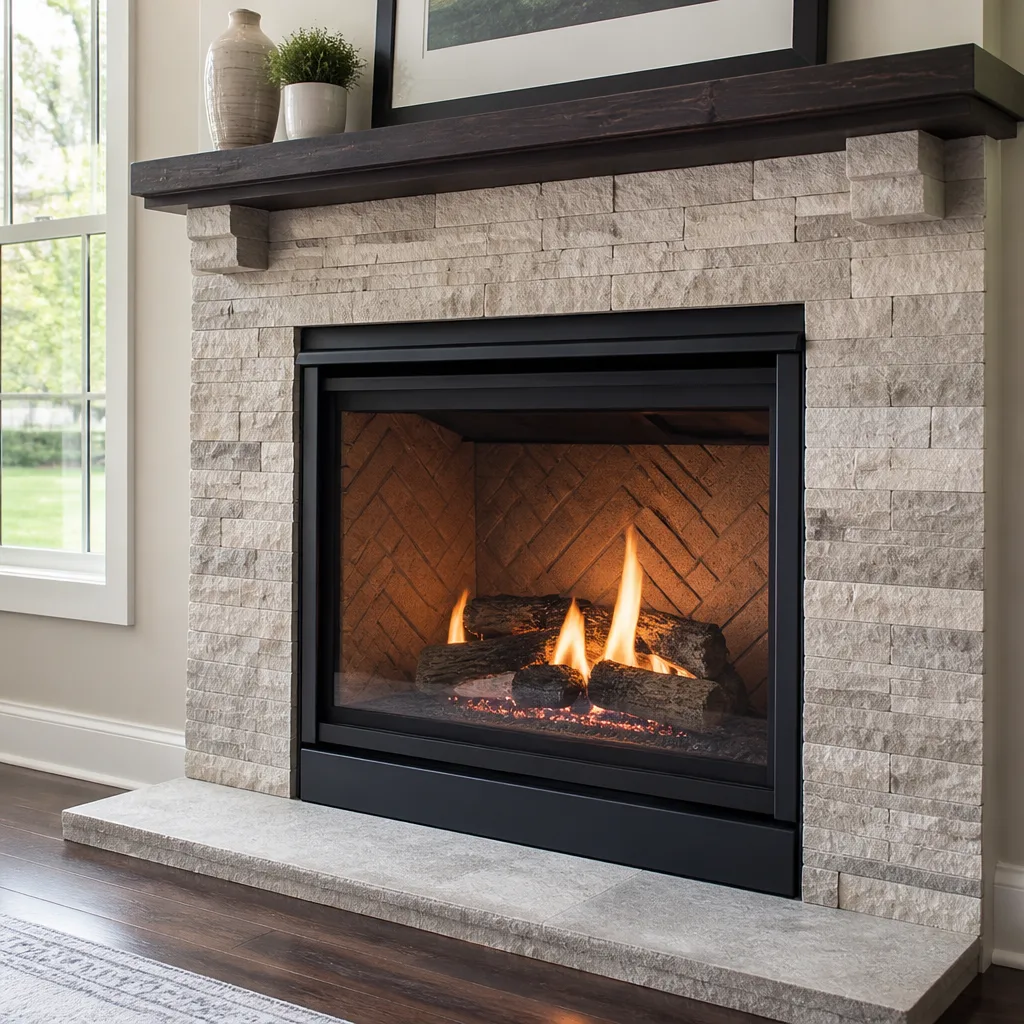 Gas fireplace service
Level 1 sweep and inspection to the NFPA 211 annual standard - flue, crown, cap, and flashing checked and photographed
Chimney sweep logs do not sweep chimneys. They loosen some creosote - which then falls where a brush and vacuum still have to collect it.
The Complete Guide to Chimney Cleaning in Lakeland
Here’s a fact that surprises most homeowners: a fireplace used ten or fifteen times a winter can build up more damaging creosote than one burned every night. The reason is burn quality, not burn quantity. Short heating seasons mean fires get lit for a chilly evening, then the flue cools for weeks before the next burn. Cool flues mean cooler, smokier fires, and those incomplete burns leave behind the stubborn, glossy deposits that cause real trouble. That’s why chimney cleaning in Lakeland doesn’t follow a northern script. This guide covers how Florida humidity, infrequent burns, and prefabricated fireplace construction change the maintenance picture, how a proper sweep-inspect-repair cycle works, and what to check before you hire anyone.
Quick Answer
A professional chimney cleaning in Lakeland typically involves a Level 1 or Level 2 inspection, mechanical sweeping with rotary equipment, and a written report with photos. Homes that burn wood should be swept roughly once a year or every cord of wood, while gas fireplace flues need an annual inspection even though cleaning is less frequent. Short Florida burn seasons don’t reduce the need; they change the type of creosote that accumulates.
Styles & brands we work with
- Sweep & inspection
- Caps & crowns
- Flue relining
- Masonry repair
- Gas fireplace service
Table of Contents
- Why Lakeland Chimneys Age Differently Than Northern Ones
- Creosote in Short Burn Seasons: The Stage 2 and Stage 3 Problem
- What Humidity Does to Your Liner Between Cleanings
- Level 1 vs Level 2 Inspections: When Each Applies
- How We Sweep: Rotary Systems and Why Method Matters
- What a Full Sweep-Inspect-Repair Cycle Looks Like
- Common Mistakes to Avoid
- When to Call a Professional
Why Lakeland Chimneys Age Differently Than Northern Ones
A chimney in Ohio and a chimney in Lakeland can be the same model, installed the same year, burned with the same wood, and still develop completely different failure patterns. Northern chimneys see long, hot, sustained burns through months of real cold. That heat dries the flue thoroughly between fires and burns creosote at the top of the stack more completely. Lakeland chimneys see a different usage rhythm entirely.
Most homes here run the fireplace a few dozen evenings a year at most. The airflow is often dampered down to keep heat in the room, which is exactly the condition that produces incomplete combustion. Smoke lingers, the flue stays cool, and the deposits that form are darker and harder than the powdery soot you’d see in a cold-climate chimney.
There’s a second factor specific to Lakeland housing stock: a large share of local homes have prefabricated fireplaces with thinner, lighter flue systems than the masonry chimneys built decades ago in colder regions. Prefabricated steel flues and factory-built liners tolerate less mechanical force and less temperature variation. They also tend to be shorter, which sounds convenient until you realize that a short flue drafts less. Weak draft compounds the cool-burn problem.
What does this mean practically? A Lakeland homeowner who burns just ten to fifteen fires a season may still need an annual sweep. The volume of deposits is lower, but the character of the deposits is worse. We treat every sweep as a chance to actually inspect what those short seasons have left behind, because the damage accumulates slowly and quietly.
Creosote in Short Burn Seasons: The Stage 2 and Stage 3 Problem
Creosote isn’t one substance. It’s a family of deposits that forms in three recognizable stages, and the stage is what determines how safe your chimney is and what it costs to fix.
- Stage 1 – soot and flaky carbon. Loose, powdery, brushable. The easiest and safest to remove. Common in well-run, hot-burning fireplaces.
- Stage 2 – hardened, crusty, sometimes flaky but stuck fast. Requires rotary sweeping and sometimes chemical pre-treatment to break it loose from the flue wall.
- Stage 3 – glazed, glassy, tar-like, and shiny. The most dangerous. It bonds to the flue, fuels chimney fires at very high temperatures, and often cannot be swept off at all. It usually means relining or resurfacing.
Here’s the counterintuitive part: the burn pattern most likely to produce Stage 2 and Stage 3 deposits is the one many Lakeland homeowners have without realizing it. A fire lit once or twice a week in mild weather, dampered down to slow the burn, produces the cool, smoky conditions glazed creosote needs. A fireplace used every night in a cold climate tends to burn hotter and cleaner. Frequency isn’t the metric. Combustion quality is.
Other common contributors we see here include unseasoned firewood, moisture content above 20 percent, closed dampers running the fire too slow, and stovepipe configurations where smoke travels a long, cooling path before it exits. Wood that’s been stacked in a covered rack for months still reads as unseasoned if it wasn’t properly air-dried before stacking.
In our experience, the most useful thing a homeowner can do is look up the flue with a flashlight a few times a season. Shiny, glassy deposits mean the chimney needs professional attention before the next burn.
What Humidity Does to Your Liner Between Cleanings
The bigger local variable in chimney health isn’t fire behavior. It’s the humidity that sits in a Lakeland flue between burns, and the damage it does to the liner surface.
Clay tile liners have microscopic pores. Steel liners have seams, fasteners, and joints. When a humid climate meets a flue that cycles between hot combustion gases and cool humid air, moisture collects on those surfaces. Soot and ash hold that moisture in place against the flue wall, where it keeps the surface wet for longer. Over a season, this wet-dry cycling weakens the bonds between mortar joints and encourages spalling in clay tile. Stainless steel liners are more resistant, but their seams are where moisture-related corrosion and cracking begin.
Humidity also rusts the components above the firebox: the damper frame, the smoke shelf, and the firebox frame on prefabricated units. These are usually the first items our technicians flag during an inspection, and they’re easy to miss from the inside of the firebox.
The practical defense is straightforward:
- Keep the damper closed when the fireplace isn’t in use, so humid exterior air doesn’t enter the stack.
- Have the chimney swept before the first cool snap, not after, so ash isn’t sitting on the flue wall through a wet season.
- Ask for a Level 2 inspection at least once every few years so the camera can see what the crack-and-joint condition actually looks like.
- Address any small cracks or loose mortar early, since humid climates speed degradation of compromised liner surfaces.
This is why our chimney sweep service includes a full inspection every visit. The cleaning is only useful if it also tells you what the last twelve months did to the liner.
Level 1 vs Level 2 Inspections: When Each Applies
Chimney inspections come in three standard levels defined by the Chimney Safety Institute of America (CSIA), but for most homeowners the practical choice is Level 1 or Level 2. The right one depends on what’s changed since your last inspection.
Level 1 Inspection
A Level 1 covers the readily accessible portions of the chimney: the firebox, the damper, the visible flue, and the chimney exterior as seen from the ground. No camera, no disassembly. It’s the right inspection when nothing has changed in your system and maintenance is routine. If you’re a homeowner with a wood-burning fireplace who’s had it swept regularly and haven’t made changes, a Level 1 is usually enough.
Level 2 Inspection
A Level 2 covers everything a Level 1 does, plus a video camera scan of the interior flue, and it’s required whenever a change in the system has happened. Trigger conditions include:
- You’ve bought or sold the home
- You’ve changed the fuel type, appliance, or liner
- You’ve had a chimney fire, even a small one you think went out on its own
- You’ve had an earthquake, severe storm, or other event that may have damaged the chimney
- The chimney has any known or suspected hidden damage
- It’s been several years since any documented inspection
In our experience, Lakeland homeowners most often need a Level 2 because of the “changed system” rule. Newly purchased homes, recently installed gas inserts, and post-storm checks are the three most common triggers. The camera scan is where we find issues a Level 1 can’t catch: cracked flue tiles, disconnected joints, incorrect liner sizing, and gaps between the flue and the chimney crown. Documentation matters too. A Level 2 inspection with a photo report gives you a record you can show an insurer, a buyer, or the next inspector.
How We Sweep: Rotary Systems and Why Method Matters
The sweep itself is the part most homeowners never see in detail, but the method determines whether the job actually removes deposits or just knocks some soot loose. On Lakeland’s prefabricated fireplaces, the difference is significant enough to matter for liner longevity.
Hand-pushed rods work fine on older masonry chimneys. But on factory-built flues, which is what most newer Lakeland homes have, the flue liner is lighter and the runs are shorter. A rotary brush system driven by a drill motor is the better tool for two reasons: it applies consistent pressure against the full flue wall rather than relying on how hard the technician pushes, and it handles the harder Stage 2 crust better than a rod can. We use professional rotary systems, including Rutland and Gardus SootEater components, because they fit the flue sizes we see most often.
The sweep process itself follows a standard sequence:
- Drop cloths and negative air. The work area gets covered and a vacuum with a HEPA filter runs throughout to keep dust in the chimney, not the room.
- Visual inspection first. We look at the firebox, damper, and visible flue before the brush touches anything, because a sweep can push deposits into a hidden problem.
- Rotary sweep from the top or bottom. Depending on the chimney configuration, the brush runs down from the roof or up from inside. Both directions use the same rotary head.
- Chemical pre-treatment if needed. For hard Stage 2 deposits, a chemical agent applied before the mechanical sweep softens the crust so the brush can break it loose rather than just polishing it.
- Final vacuum and visual check. We confirm the flue is clear and the firebox is clean before we pack up.
- Camera inspection. We run a camera through the flue to document condition with photos.
- Written report. You get a record of what we found, what we did, and what to watch.
Here’s why we care about using named, professional-grade tools: a homeowner can’t watch a sweep and know whether the right brush and head were used. The materials are the evidence. We source our equipment and components from trade-level suppliers including Copperfield and Olympia Chimney, so our technicians have the flue-size-specific parts a generalist handyman can’t easily source.
What a Full Sweep-Inspect-Repair Cycle Looks Like
Most chimney problems get expensive when they’re handled by separate providers. A sweep who doesn’t repair, a mason who doesn’t inspect, and a general handyman who doesn’t do either leaves gaps in the record. When something goes wrong later, no one owns the answer. That’s the liability gap we close by handling all three phases ourselves.
Here’s what the full cycle looks like from scheduling to report:
- Scheduling. You call or book. We ask about the fireplace type, fuel, and anything that’s changed since the last service. That determines whether it’s a standard sweep or a Level 2 inspection with camera.
- Arrival and setup. Protective coverings go down. The HEPA vacuum runs before any brush enters the flue.
- Sweep based on deposit condition. Rotary sweep, chemical pre-treatment if deposits are hard, and full cleanup.
- Inspection with documentation. Camera scan of the flue, plus a look at the firebox, damper, smoke chamber, and crown. Photo report generated as we go.
- Findings and recommendations. We walk through the photos with you and separate findings into three categories: safe now, fix next season, fix before next burn. You see the actual evidence, not just a summary.
- Repair if needed. If the flue needs resurfacing or relining, we quote it per job in writing. Repairs we commonly quote include HeatShield ceramic resurfacing for damaged clay liners and DuraFlex flexible liner systems for full relines. HeatShield is often appropriate when the liner is still structurally sound but the joints or surface have degraded; DuraFlex comes in when the existing liner has to be replaced outright.
- Post-repair inspection. A full camera pass after the repair closes the record and confirms the liner is functioning correctly. You keep the report.
Keeping all three phases with one provider matters because chimney liability is sequential. If a sweep cracks a tile, an inspection should catch it. If an inspection misses a crack and a later repair assumes the tile is fine, the repair fails. We handle the sequence end to end so the same standards apply all the way through. Our chimney repair service uses the same inspection-first approach for a simple reason: repairs should be based on what the camera actually shows, not on what sounds plausible.
Common Mistakes to Avoid
- Waiting for cold weather to schedule a sweep. In Lakeland, the humid months between burns are when liners degrade. Sweeping before the first burn season, not after, keeps deposits from sitting on a wet surface for months.
- Burning unseasoned wood. Firewood that hasn’t been air-dried to under 20 percent moisture burns cool, produces more creosote, and leaves more deposits in the flue. If the wood sizzles when it burns, it’s too wet.
- Treating gas fireplaces as maintenance-free. A gas fireplace still needs an annual inspection because the venting, damper, and firebox condition all matter, even though there’s no wood creosote to sweep.
- Hiring a generalist who sweeps “as a service.” A handyman or HVAC provider that handles chimneys on the side usually uses consumer-grade equipment and can’t source trade-level parts. Chimney problems get missed when the technician’s expertise is split.
- Trusting a sweep that doesn’t include inspection. Cleaning without inspection tells you the flue is clean but not whether it’s sound. Every sweep here comes with a camera check and written report.
- Ignoring shiny, glassy deposits. Stage 3 glazed creosote is the leading fuel for chimney fires, and it can’t be brushed off. It needs chemical treatment, resurfacing, or relining depending on how much of the flue surface is affected.
- Splitting the sweep, inspection, and repair across different contractors. Each provider sees a different slice of the chimney. When nobody’s record covers the full system, problems fall between the visits and cost more to fix later.
- Skipping the camera inspection after a repair. Post-repair camera documentation is what proves the repair worked. Without it, you’re trusting a verbal summary instead of a photo record.
When to Call a Professional
A call is warranted in every one of these situations: it’s been more than a year since the last sweep; you’ve burned a cord of wood without a cleaning; you’ve had a chimney fire, even a small one; you’ve just bought the home; you’ve installed a new insert, appliance, or liner; you’re seeing shiny or glassy deposits on the flue wall; you’re smelling smoke in the house on cold days with the fireplace off; the damper is hard to operate; you notice chimney stains on the exterior wall; or the firebox has visible cracks, loose mortar, or rust. Any one of these isn’t an emergency on its own, but it’s the cue to book a sweep and inspection rather than wait. At Lakeland Chimney Cleaning, we offer free estimates in Lakeland, and our technicians have up to 8 years of experience with the specific flue systems and materials that show up in this area. Call (844) 410-7138 to book. We answer 24/7. Fast dispatch from 7am to 7pm.
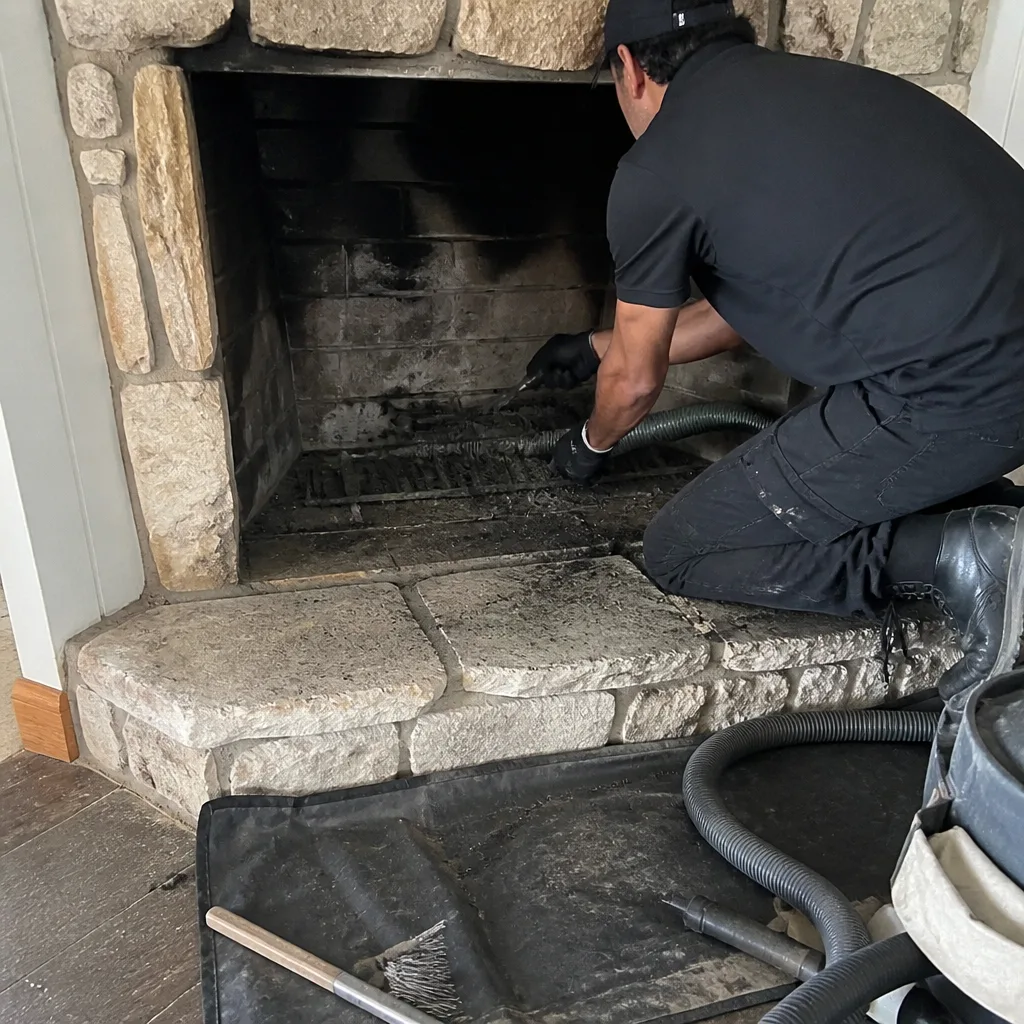
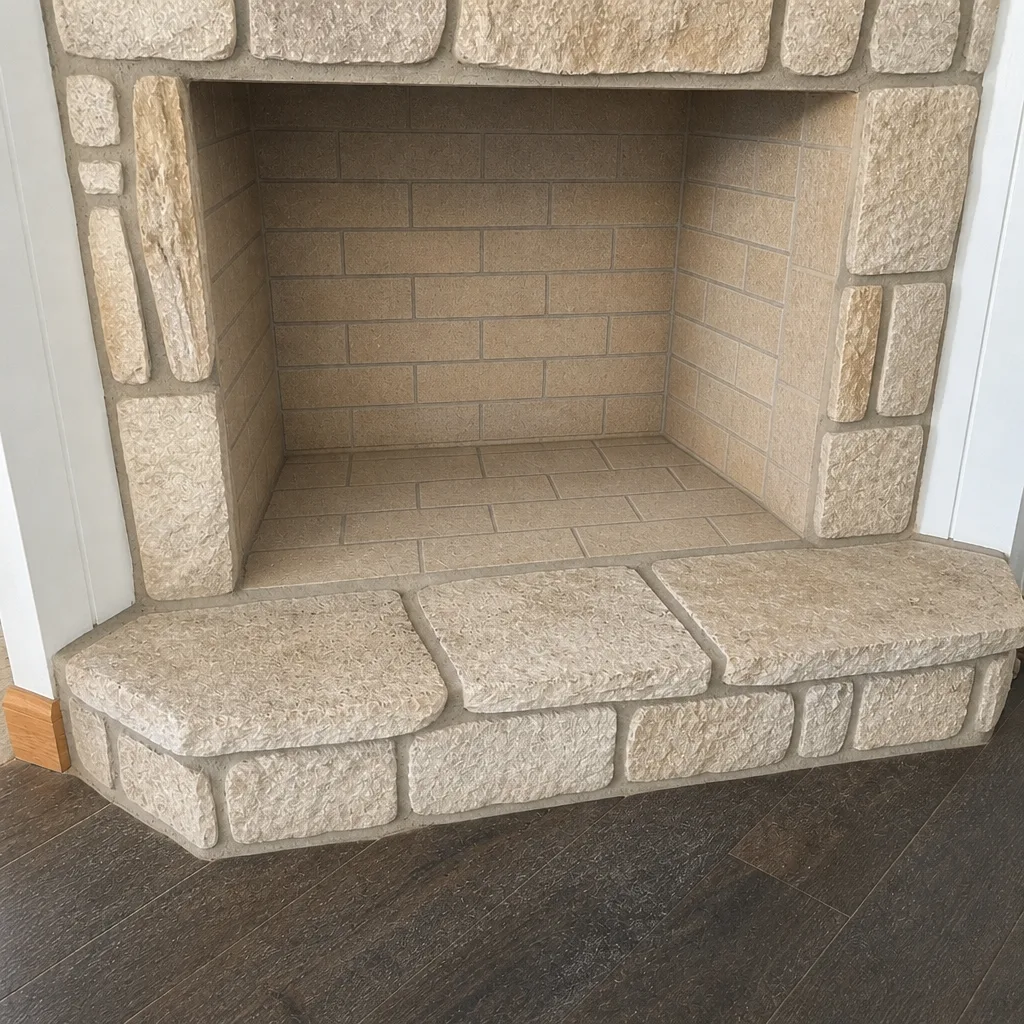
See the difference
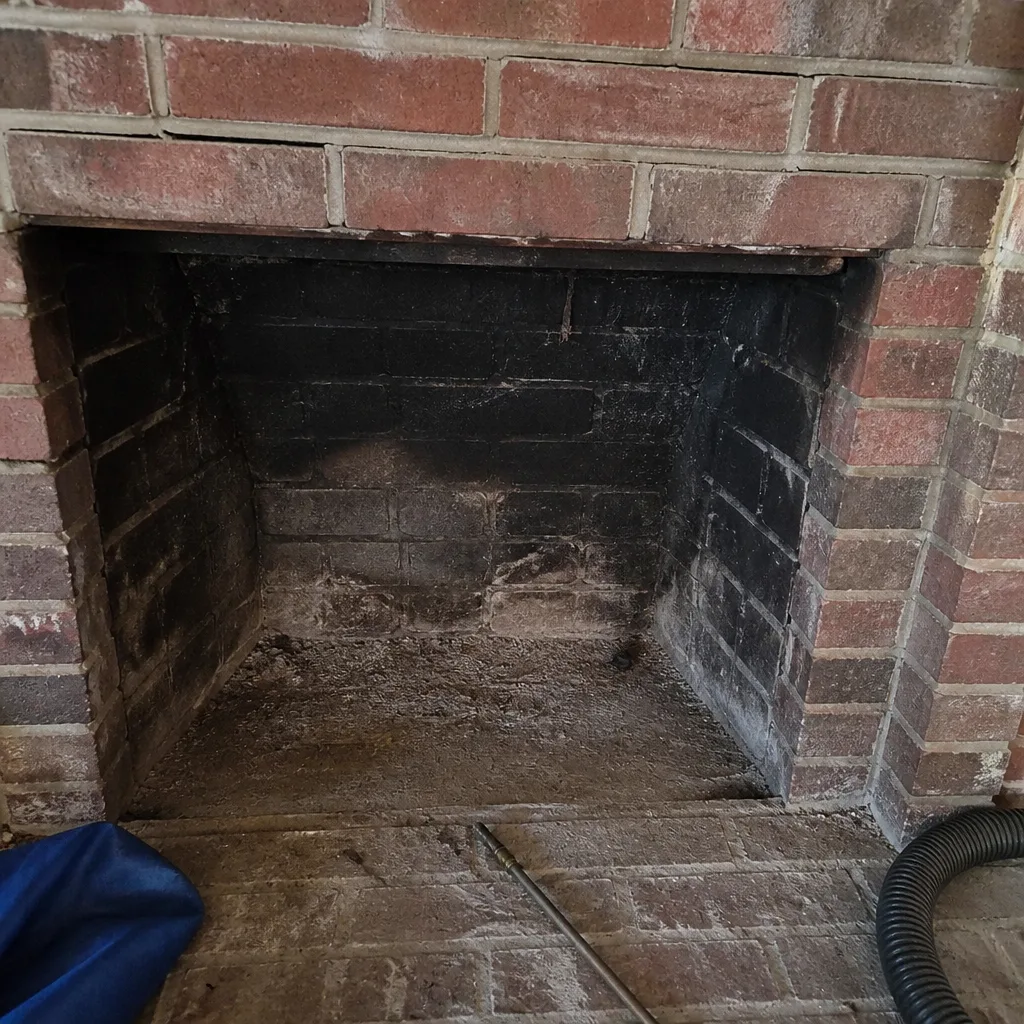 Before
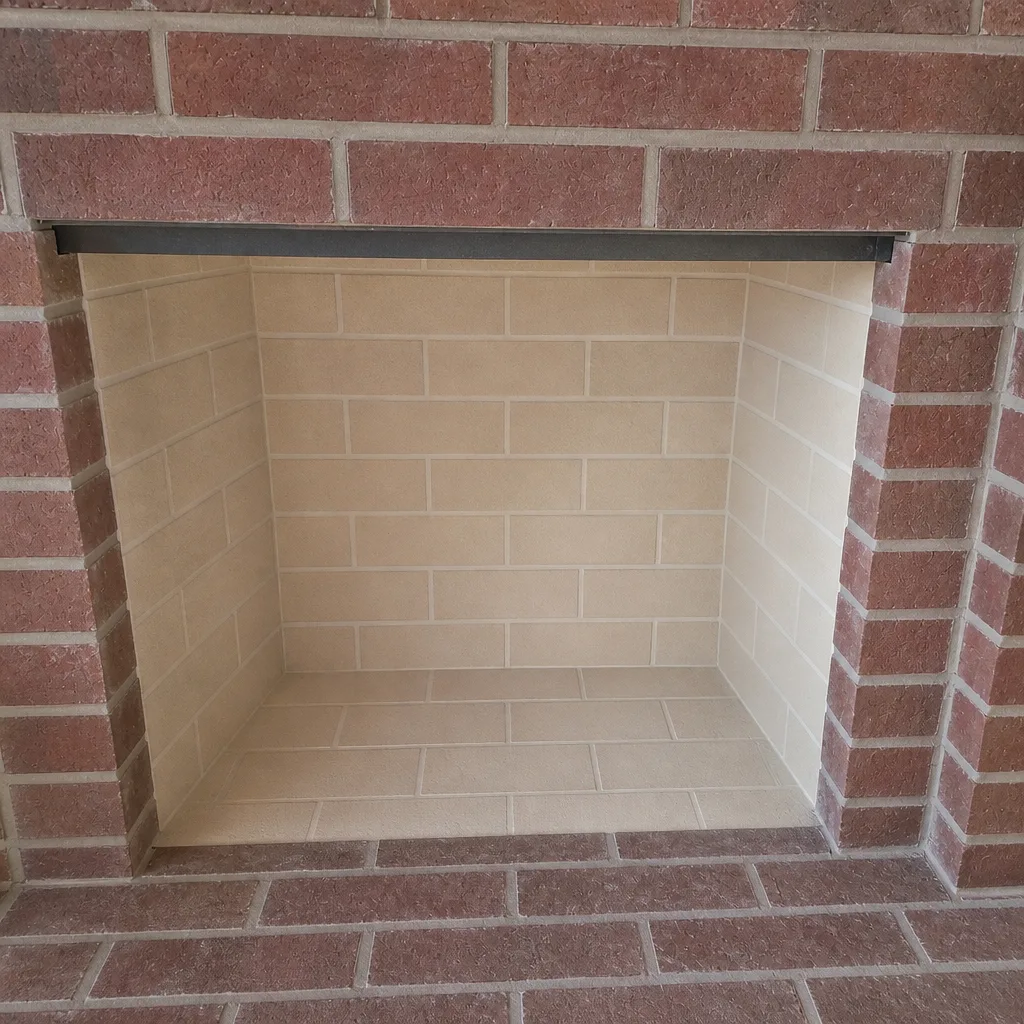 After
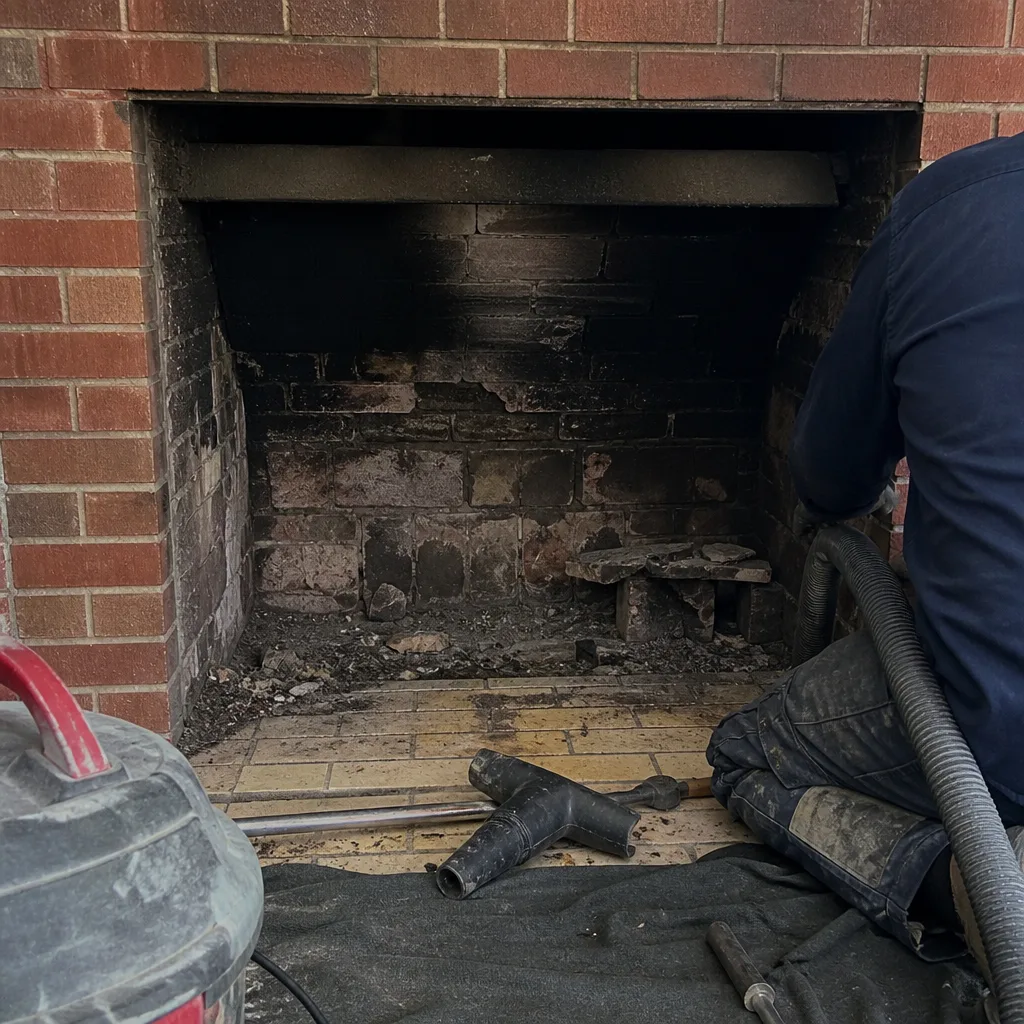 Before
 After
 Before
 After
Frequently Asked Questions
Chimney cleaning in Lakeland is priced per job by written estimate, and the exact cost depends on flue length, fuel type, and whether the sweep includes a Level 2 video inspection. A standard sweep with a Level 1 inspection typically costs less than a sweep with a full camera scan. Call (844) 410-7138 for an exact quote; estimates are free.
A wood-burning chimney in Lakeland should be swept roughly once a year, or after every cord of wood burned, whichever comes first. Gas fireplace flues need an annual inspection even though they produce no wood creosote. Homes with a short burn season and a humid climate actually benefit more from an annual sweep than cold-climate homes, because the deposits that form here are harder and more corrosive. Call (844) 410-7138 to schedule.
A short burn season creates more glazed creosote because fires lit occasionally, then dampered down for a long evening, produce cooler and smokier combustion than fires burned steadily in cold weather. The cool smoke condenses on the flue wall and forms Stage 2 and Stage 3 deposits. It’s a combustion quality issue, not a frequency issue. Call (844) 410-7138 to have your flue checked.
You need liner repair or replacement only when the camera scan shows specific damage: cracked tiles, disconnected joints, an improperly sized flue, or heavy Stage 3 glazed creosote that can’t be swept off. Many damaged but structurally sound liners can be restored with HeatShield ceramic resurfacing instead of being replaced outright. Every recommendation we make is backed by photos you can review. Call (844) 410-7138 for a camera inspection and a written estimate.
Skipping the sweep lets creosote deposits continue to build on the flue wall, and in a humid climate it lets those deposits hold moisture against the liner surface between burns. Continued accumulation raises the risk of a chimney fire the next time you light the fireplace, and it speeds up damage to clay tile joints. There are no visible warning signs inside the house, so the only real check is an inspection. Call (844) 410-7138 to book a sweep and inspection.
Yes. Lakeland’s humidity affects the chimney between burns because moisture collects on soot and ash left on the flue wall, and holds there against the liner for weeks at a time. The wet-dry cycling that follows weakens mortar joints in clay tile liners and stresses the seams in steel liners. A sweep that removes the deposits before the humid season starts is more protective than one that waits until the first cold snap. Call (844) 410-7138 to schedule.
A Level 1 inspection covers readily accessible parts of the chimney with no camera and no disassembly, while a Level 2 adds a video camera scan of the full flue and is required whenever the system has changed. Trigger events for a Level 2 include a home purchase, a new appliance or liner, a storm, or a known or suspected chimney fire. If you’re unsure which you need, call (844) 410-7138 and we’ll advise based on your situation. Estimates are free.
The Bottom Line
Chimney cleaning in Lakeland isn’t a seasonal routine borrowed from colder climates. It’s a maintenance discipline shaped by short burn seasons, humid air, and prefabricated flue systems that tolerate less mechanical force. The key points: burn quality matters more than burn frequency, Stage 2 and Stage 3 creosote is a real risk in low-use fireplaces, annual sweeps include inspection because cleaning alone doesn’t confirm soundness, and a Level 2 camera inspection is the right call whenever your system has changed. Keep the sweep, inspection, and repair with one chimney specialist and you close the liability gaps that come from splitting the work. Our technicians have up to 8 years of experience, we specify HeatShield ceramic resurfacing and DuraFlex liner systems where the camera shows they’re needed, and we source parts from Copperfield and Olympia Chimney so the materials match the diagnosis. Call Lakeland Chimney Cleaning at (844) 410-7138 for a free estimate. We answer 24/7. Fast dispatch from 7am to 7pm, Sunday through Friday.
Written by the team at Lakeland Chimney Cleaning.