
Last updated November 16, 2026
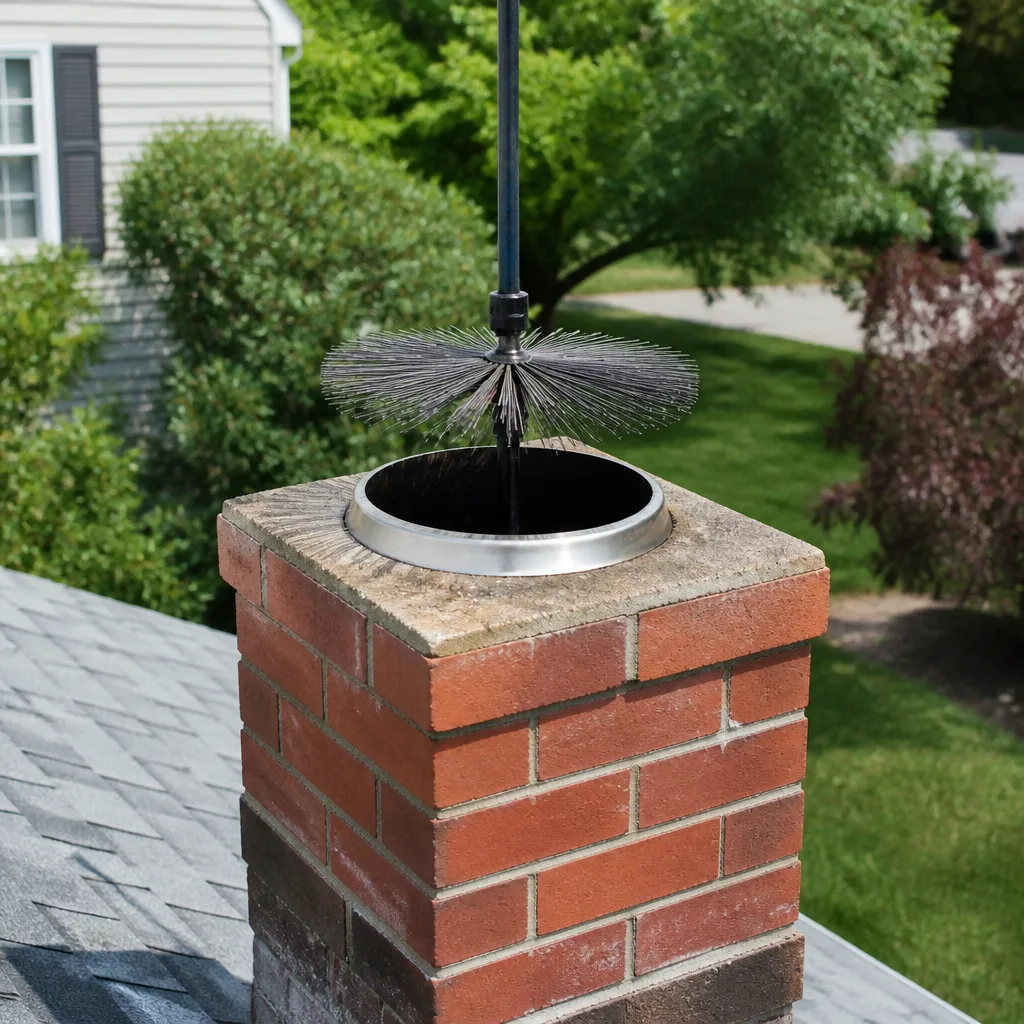 Sweep & inspection
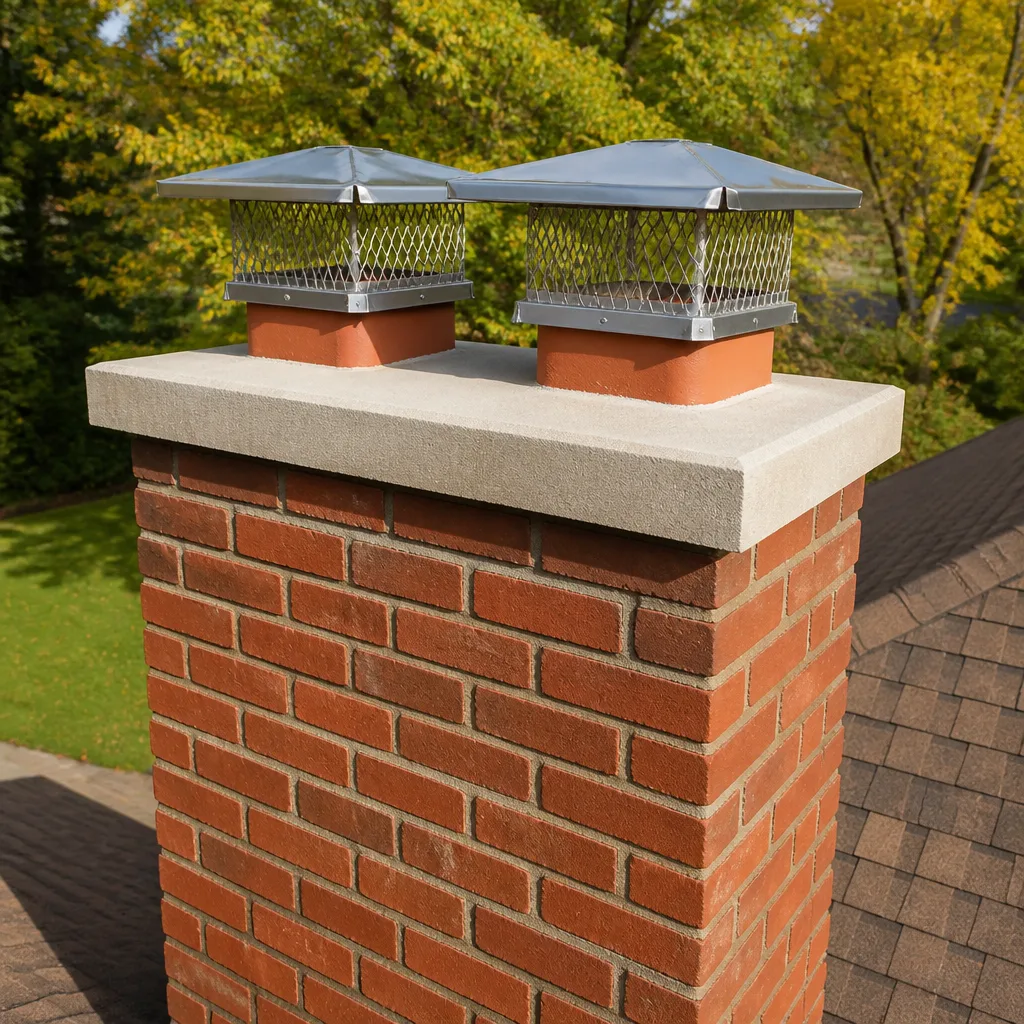 Caps & crowns
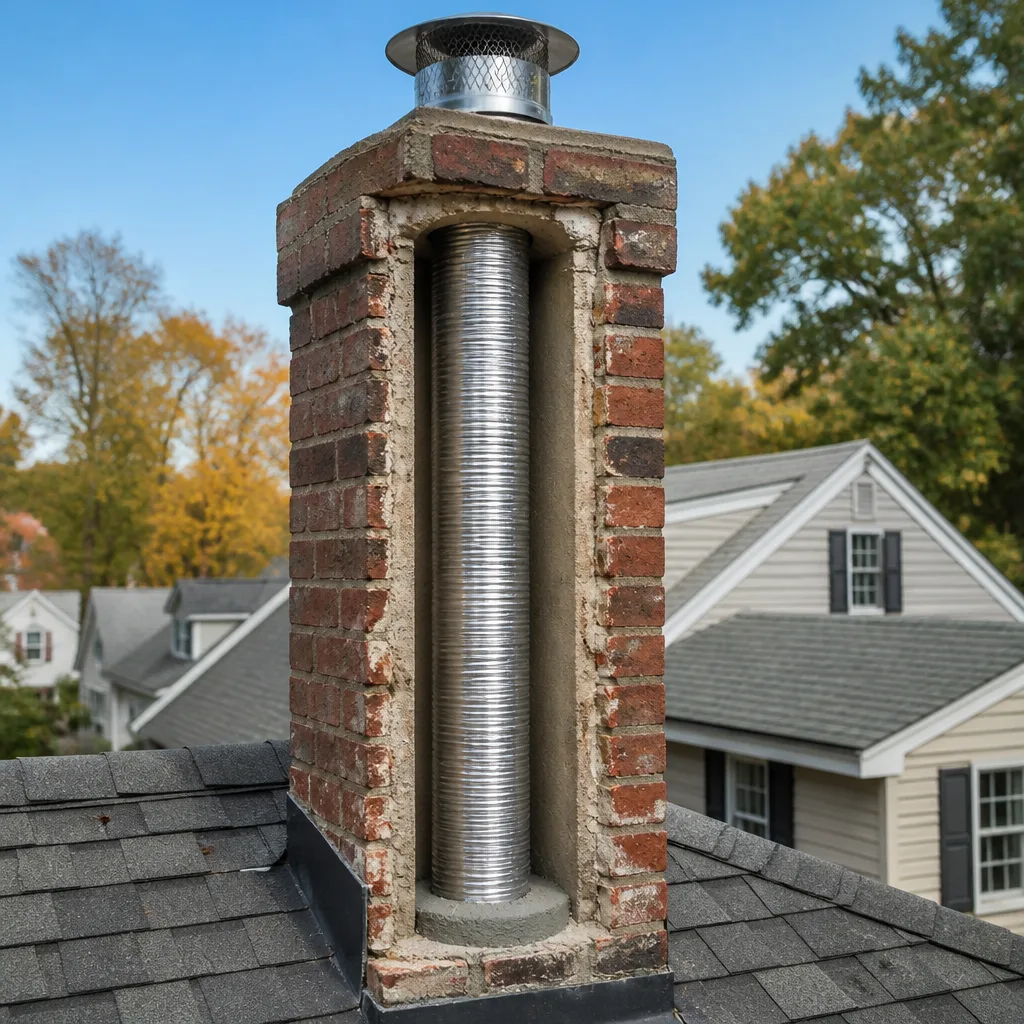 Flue relining
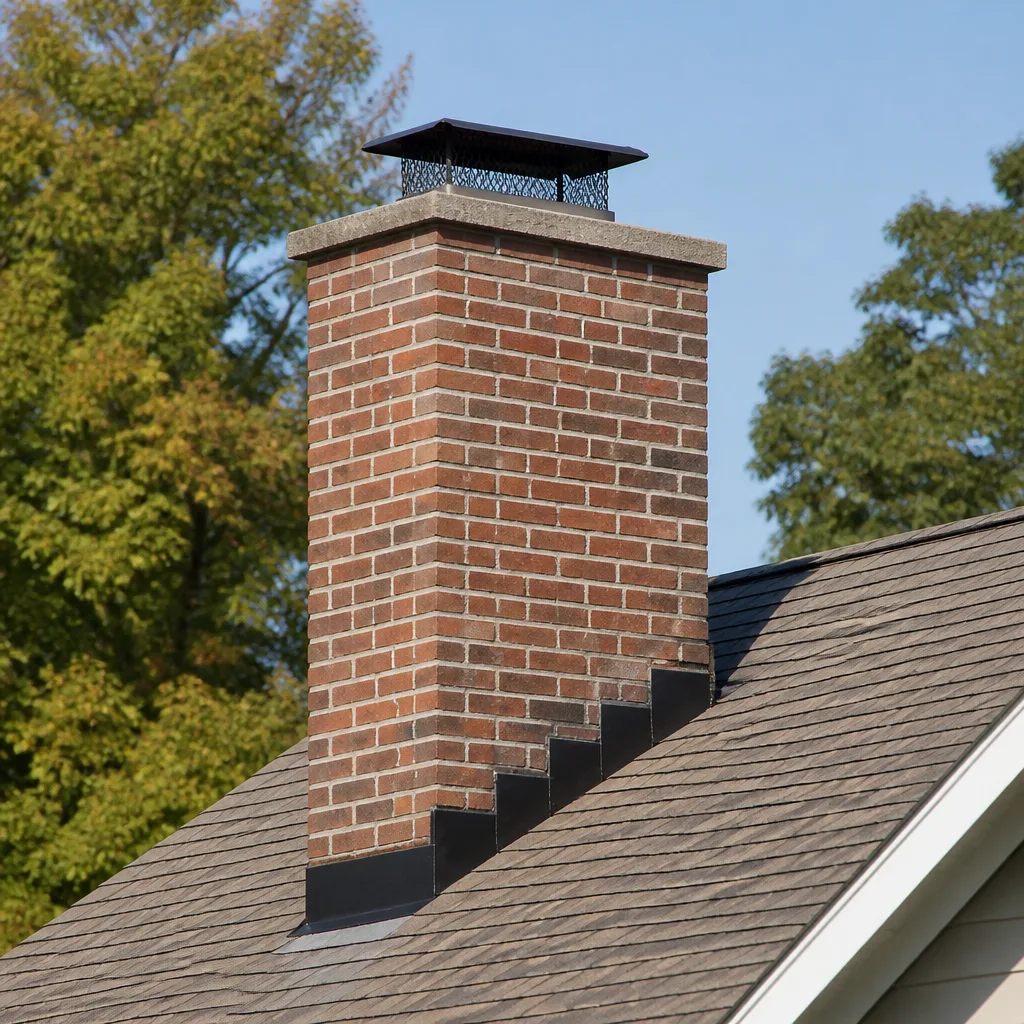 Masonry repair
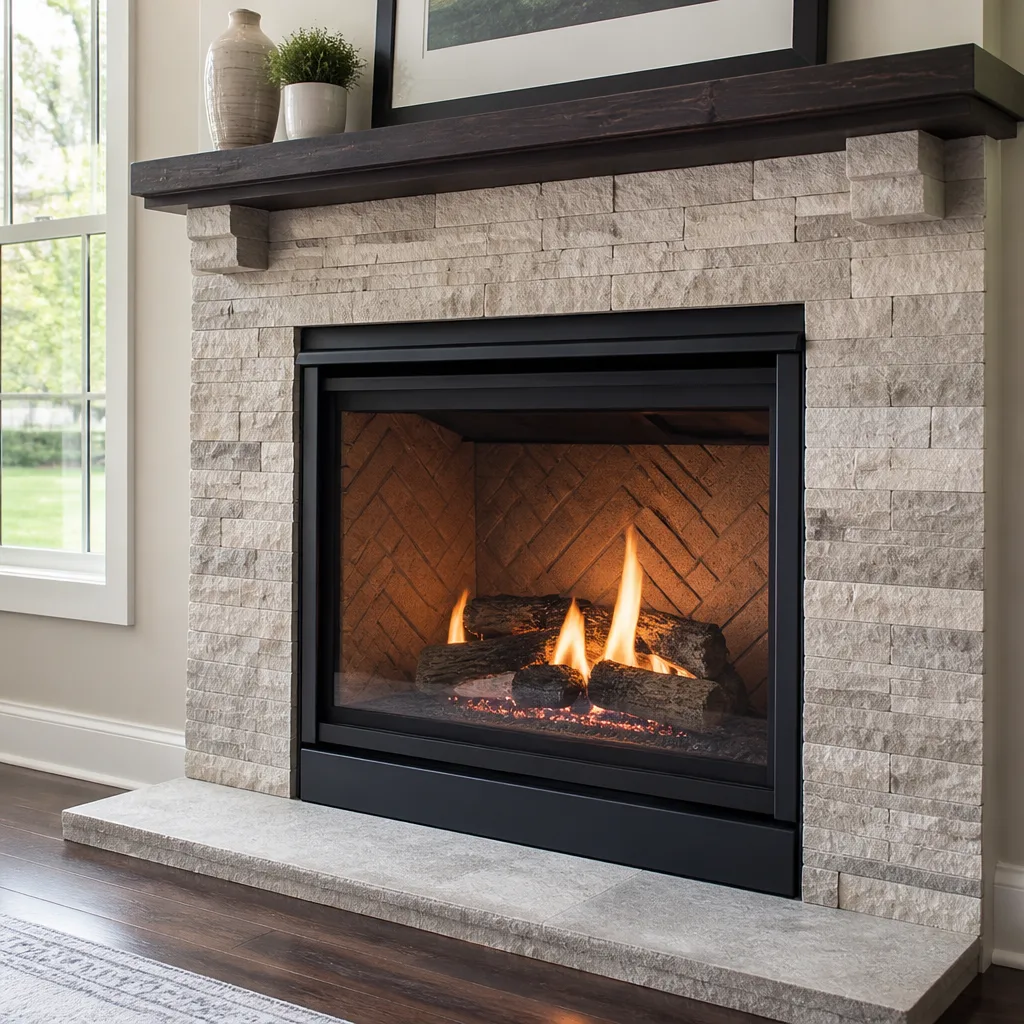 Gas fireplace service
Level 1 sweep and inspection to the NFPA 211 annual standard - flue, crown, cap, and flashing checked and photographed
Chimney sweep logs do not sweep chimneys. They loosen some creosote - which then falls where a brush and vacuum still have to collect it.
Chimney Sweep Maintenance Schedule: What to Do and When
The standard “sweep every fall” advice was written for homes that burn 150 cords of wood a winter. Lakeland homeowners average 15 to 30 fires per season, and that gap changes everything: what needs doing, when it needs doing, and how often. National chimney calendars are built for northern climates where the heating season runs six months and the flue never really cools down. Central Florida runs the opposite pattern. We burn hard for four months, then the fireplace sits cold for eight. That cycle produces its own maintenance rhythm, and following a northern schedule here means either paying for sweeps you don’t need or missing the inspection that actually matters. This guide walks through the schedule we use at Lakeland Chimney Cleaning, month by month, built around how Lakeland fireplaces are actually burned.
Styles & brands we work with
- Sweep & inspection
- Caps & crowns
- Flue relining
- Masonry repair
- Gas fireplace service
Quick Answer
In Lakeland, your chimney needs a professional inspection once a year, ideally in October before the burning season starts, and a sweep whenever creosote reaches 1/8 inch of buildup on the flue walls. If you burn 15 to 30 fires a season, that usually means one sweep every one to three years depending on wood and burn habits. Post-season cap and screen checks belong in March, and gas fireplaces need their own separate maintenance track. Skipping the pre-season inspection is the single biggest mistake we see.
Table of Contents
- Why the Standard Schedule Doesn’t Fit Lakeland
- Lakeland’s Burn Season: November Through February
- The Month-by-Month Maintenance Calendar
- What a Pre-Season Inspection Should Actually Include
- Creosote Thresholds: When a Sweep Can’t Wait
- Gas Fireplace Maintenance on Its Own Track
- The Two Tasks Homeowners Can Safely Do Themselves
- Common Mistakes to Avoid
- When to Call a Professional
- Frequently Asked Questions
- The Bottom Line
Why the Standard Schedule Doesn’t Fit Lakeland
Most chimney guidance published online assumes a home that heats primarily with wood. Those homes burn through cords of split hardwood from October to April, and the flue accumulates creosote fast enough that annual sweeps are genuinely necessary. That’s not the reality in Lakeland, where a wood-burning fireplace is a mood, an evening pleasure, and a cool-morning ritual, not a heating system. Twenty fires a season, burned well with dry wood, produces a fraction of the deposit that a northern heating household generates.
That difference cuts both ways, and it’s worth understanding both edges:
- You probably don’t need a sweep every year. A homeowner burning 15 to 20 fires a season with seasoned hardwood and good draft may go two or even three seasons between professional sweeps. Paying for one annually is an easy overspend.
- You still need an inspection every year. Creosote isn’t the only failure mode. Water intrusion through a cracked cap, a damper that no longer seats, mortar joints softening in the firebox, a liner that lost a seam: none of these show up as visible smoke problems until they’re expensive. An inspection catches them.
- The off-season is when damage happens. In Lakeland’s humid climate, a chimney sits idle for eight months. That dormant period is when water enters, masonry weakens, and the crown deteriorates. A northern schedule that inspects in fall and never looks again misses the damage window entirely.
We’ve seen this play out across Lakeland neighborhoods, from older homes with original masonry chimneys to newer builds with factory-built metal systems. The schedule that fits both is not the one copied from a New England chimney service. It’s one built around a short burning season and a long humid off-season.
Lakeland’s Burn Season: November Through February
Central Florida’s burning season runs roughly November through February. That’s the four-month window when overnight temperatures drop enough that homeowners actually light a fire. Some years it starts early, some years it’s late. The point is the shape of the season: hot and humid from May through September, mild in October and March, and cool enough to burn only in the middle.
That compact season has a few practical implications:
- Creosote accumulates in concentrated bursts. A homeowner might burn eight fires in a single cold snap, then nothing for two weeks. The flue doesn’t have a chance to fully dry between burns, which actually increases deposit per cord compared to a steady-burn pattern.
- Wood seasoning is a year-round problem here. The humid climate prevents wood from drying as fast as it would in a dry climate, so the wood you buy “seasoned” at a local stand may not actually be below 20% moisture. Wet wood smolders and produces more creosote.
- The March check matters more than the fall sweep. By the time the burn season ends, the chimney has been through its heaviest stress period. Checking the cap and screen in early March catches damage before the rainy summer season drives water into it.
Lakeland’s relatively mild winters also mean the chimney’s exterior masonry goes through fewer hard freeze cycles than in colder markets. That’s a help, but not a pass: rain, humidity, and biological growth (moss, algae on shaded crowns) do the damage here that freeze-thaw does up north.
The Month-by-Month Maintenance Calendar
Here’s the schedule we recommend for a typical Lakeland wood-burning household, adjusted for anyone burning more heavily.
- September: Call to book your pre-season inspection. Schedule for October. Confirm whether you’ll need a sweep based on last season’s use.
- October: Pre-season inspection. Have the flue, damper, firebox, and cap checked. Have a sweep performed if the inspector finds 1/8 inch of creosote or more, or if it’s been two or more seasons since the last sweep.
- November: Begin burning season. Use only seasoned wood below 20% moisture. Keep a small thermometer on the flue pipe if your setup allows it.
- December through January: Mid-season check if you’re burning heavily (see below). Clear ash on a regular cadence. Watch for smoke rolling back into the room, which signals a draft problem.
- February: Final fires of the season. If the chimney will sit unused until November, do one last visual check for anything that looks off.
- March: Post-season cap and screen inspection. Look for cracked or displaced caps, torn screens, and bird or squirrel activity. This is the ideal month for any structural repair identified during the fall inspection, so it’s done before summer rain.
- April through August: Dormant season. This is when you do any repair work recommended in the fall. It’s also when a chimney leak is easiest to trace.
Mid-season check trigger: If you burn more than 40 fires in a season, or if you burn unseasoned wood, or if you notice reduced draft, add one mid-season inspection in January. It’s not standard, but it’s the right call for heavy users.
What a Pre-Season Inspection Should Actually Include
“Inspection” is unfortunately a vague word in this trade. Some companies count a quick flashlight look up the flue as an inspection. A real pre-season inspection covers specific components, and you should be able to ask what’s being checked.
The four things a thorough pre-season inspection covers in a wood-burning system:
- Flue liner condition. Every inch should be checked for cracks, gaps, spalling, and separation at the seams. A cracked clay tile liner allows heat to reach adjacent framing; a failed stainless liner can leak combustion byproducts into the wall cavity. If the liner needs replacement, professional systems like DuraFlex flexible stainless liners are the industry standard, because they’re engineered for the expansion and contraction cycles a real chimney goes through. A generic liner assembled from big-box parts is not the same product.
- Damper seating. The damper should open fully and close to a tight fit. A warped or rusted damper lets room air escape up the flue year-round and can’t regulate a fire properly during the season.
- Firebox mortar joints. The interior masonry joints need to be tight and hard. Soft, crumbly, or receded mortar is a sign of moisture intrusion or heat damage, and it usually points to a need for repair before burning resumes. This is where HeatShield ceramic resurfacing comes in: it restores damaged firebox and flue surfaces without a full tear-out, and it’s a system trades rely on for exactly that reason.
- Cap and crown integrity. The cap keeps water, animals, and debris out of the flue. A cracked crown on top of the chimney lets water wick into masonry, which is the slowest and most expensive kind of damage in this climate. Caps and crowns get replaced far more often than homeowners expect.
Ask for photos. Any professional chimney sweep visit should include a camera inspection and a report you can look at yourself, not a verbal “all good” or a verbal “you need a full reline” with nothing to back it up. Every part we recommend gets tied to a specific thing we saw on camera.
Creosote Thresholds: When a Sweep Can’t Wait
Creosote buildup is measured in staged degrees, and NFPA 211 is the standard that matters here. The 1/8 inch threshold is the number to remember: once creosote reaches 1/8 inch (3mm) of buildup on the flue walls, a professional sweep is due. Below that, in a Lakeland home burning 15 to 30 fires a season, it can usually wait another season. Above it, especially at 1/4 inch or more, it’s a safety issue and should be swept before the next fire.
Here’s how the stages break down in practice:
- Stage 1 (soot and light flake): Under 1/8 inch. A sweep is not urgent. If a full inspection confirms no other concerns, you can defer to next season. This is the most common state for a Lakeland wood-burning chimney at the end of its first or second season.
- Stage 2 (hard, brittle, shiny flakes): 1/8 inch to 1/4 inch. This is the standard threshold. Sweep before the next burning season. Stage 2 creosote is harder to remove and increases the risk of a chimney fire because the flakes can ignite and fall.
- Stage 3 (glazed, tar-like): Over 1/4 inch, sometimes looking like dark glass. This is a serious hazard. Stage 3 creosote burns extremely hot and often requires chemical treatment or rotary sweeping to remove, not a standard sweep. Don’t burn again until it’s handled.
Two factors accelerate creosote buildup in Lakeland specifically. First, the humid climate prevents purchased wood from fully seasoning, so “seasoned” local firewood often runs above the 20% moisture target. Second, the short burning season means fires are sometimes started on cool evenings and then shut down early (damped down) to save wood, which is the highest-creosote way to burn. If either pattern describes your household, err toward annual inspection and likely annual sweep.
For structural repairs identified during a sweep or inspection, you can see what’s covered on our chimney repair page. Repair methods we use are industrial, not improvised: HeatShield for resurfacing, DuraFlex for relining, and cap and crown components from trade suppliers like Copperfield and Olympia Chimney rather than consumer hardware store stock.
Gas Fireplace Maintenance on Its Own Track
Gas fireplaces follow a completely different maintenance schedule than wood. You don’t accumulate creosote in a gas system, and you don’t measure flue deposit. What you do have to worry about is mechanical and safety-related: burner orifice condition, thermocouple and thermopile function, pilot assembly cleanliness, and ventilation characteristics that vary between vent-free and vented systems.
The two gas fireplace types require different attention:
- Vented gas fireplaces exhaust combustion gases through a chimney or direct-vent system. The annual inspection should include the vent path itself: a blocked or damaged vent on a vented appliance is a carbon monoxide concern. The cap and terminal are checked for obstruction (birds love direct-vent terminals). Burner and pilot get cleaned and tested.
- Vent-free (unvented) gas fireplaces release combustion byproducts into the room. These require a dedicated annual service: burner orifice cleaned or replaced, oxygen depletion sensor function tested, logs checked for cracks or misalignment, and the manufacturer’s clearance requirements re-verified. Vent-free units are more sensitive to dust and lint than most homeowners realize, and the cleaning frequency here is every year, not “when it stops working.”
For both types, annual service includes:
- Burner orifice cleaning and flame pattern verification
- Pilot and thermocouple/thermopile testing
- Glass and log inspection for cracks or soot
- Vent termination and cap inspection (vented units)
- Gas connection check by a qualified technician
Gas work is not DIY territory. Burner adjustment and venting work involve real safety consequences, and we recommend a trained professional for anything beyond cleaning the glass front and clearing dust from the ignition well. The appointment for a gas fireplace and a wood fireplace can be combined on one visit, but the checklist is different and worth confirming.
The Two Tasks Homeowners Can Safely Do Themselves
Most chimney maintenance should be done professionally, and for good reason. But there are two tasks homeowners can reasonably handle themselves without creating a safety issue or affecting any warranty.
- Ash removal. A wood-burning firebox accumulates ash, and the right cadence matters. Leave roughly an inch of ash on the firebox floor as insulation for the fire. Don’t let it build up more than that; excessive ash blocks the air path and makes fires hard to start. Use a metal ash bucket with a tight lid, and always place it on a non-combustible surface for at least 48 hours before discarding. Ash from a recently extinguished fire can hold live coals for well over a day, and it’s the source of more house fires than most people expect. Empty the firebox in the cool part of the day, long after the fire has died.
- Visual cap and screen inspection. From the ground, with binoculars, look at the chimney cap once a month during the burning season and once in March. What you’re checking for: visible rust, cracked or missing cap panels, torn spark screens, and animal activity around the cap edges. This is the safest and most useful homeowner observation, and it catches the majority of issues that lead to more expensive repairs. If anything looks damaged, that’s the point to call someone to look at it in person.
Two things that are not safely DIY: sweeping the flue (the top-of-a-roof work and the handling of creosote is genuinely dangerous, and the wrong brush damages liners), and any inspection that requires getting onto the roof or into the flue. Those belong to a professional.
Common Mistakes to Avoid
- Sweeping every fall “because that’s what you do.” In Lakeland, a homeowner burning 20 fires a season rarely needs an annual sweep. You’re usually paying for deposit removal that isn’t there, while the inspection that would catch actual problems gets rushed or skipped.
- Reversing the priority. The inspection should not be treated as a checkbox attached to the sweep. In our experience, about as many repair-relevant findings come out of a pure inspection as come out of the sweep itself, and skipping the inspection means missing them.
- Burning wood that isn’t actually dry. The single biggest creosote accelerant in this climate. A $20 moisture meter takes two minutes to check a split, and “seasoned” from a local lot does not always mean below 20%. If the wood sizzles or the ends look shiny when you split it, it’s wet.
- Forgetting the cap after the season ends. Lakeland’s rainy summers are when water enters the chimney. The March check is not optional in this climate.
- Burning vent-free gas fireplace logs without annual service. These units don’t produce creosote, so it’s tempting to treat them as maintenance-free. They aren’t. Vent-free units require annual burner and sensor service, and skipping it risks carbon monoxide.
- Taking the cheapest quote from a generalist. A handyman who “does chimneys too” may not carry the inspection camera, may not recognize a failed liner seam, and is unlikely to spec DuraFlex or a HeatShield system correctly. Chimney work requires chimney-specific knowledge.
- Waiting until the first cold night to call. The first real cold snap in Lakeland, usually in late November, is the busiest week of the year for chimney services. Booking in September or October is the difference between a scheduled appointment and a wait.
When to Call a Professional
Call a chimney specialist if any of these are true: your last inspection is more than 12 months old; you’ve noticed weak draft or smoke rolling back into the room; you see anything unusual on the cap from the ground (rust, ripped screen, missing panel); you smell a strong smoky or tar-like odor even when the fireplace isn’t in use; or you’re planning the first fire of the season and haven’t had the system looked at since last winter. Call immediately if you’ve had any chimney fire symptoms (loud roaring, popping, flames or dense smoke at the top of the chimney, or blackened and blistering creosote).
Lakeland Chimney Cleaning offers free estimates in Lakeland. Call (844) 410-7138. We answer 24/7. Fast dispatch from 7am to 7pm, Sunday through Friday. Our technicians have up to 8 years of experience, and every job we do is a chimney job, not a side offering in a broader home services menu.
Frequently Asked Questions
For most Lakeland wood-burning homes, one professional sweep every one to three years is sufficient, alongside an annual inspection. The sweep cadence depends on measured creosote (sweep at 1/8 inch on the flue walls), your burn volume, and your wood quality. A homeowner burning 15 to 20 fires a season with seasonal hardwood often needs a sweep every second or third season; heavier users or those burning unseasoned wood need it annually. Call (844) 410-7138 for a free estimate and a same-week appointment.
Only if the existing liner has failed, cracked, or separated at a seam. A properly functioning clay tile or stainless liner that passes inspection does not need replacing. The right answer comes from a camera inspection, not a sales pitch. If the liner does need replacement, DuraFlex flexible stainless liner systems are the trade standard we install; HeatShield ceramic resurfacing is often a repair option that restores a damaged flue without a full reline. Ask for photos and a written scope of work. Call (844) 410-7138 with any questions before you commit to a liner.
Most years, nothing: the system was fine and you got lucky. The risk builds over time. Water damage to masonry and crowns, a liner seam that opens slowly, a damper that stops sealing, and creosote that builds up across several seasons without being measured can each turn a $200 sweep into a five-figure repair. Skipping one year is a risk. Skipping five is how most of the major repairs we see get started. Call (844) 410-7138 to schedule an inspection and get an exact picture of where your chimney actually sits.
No. Gas fireplaces have their own maintenance track: burner orifice cleaning, thermocouple and thermopile testing, and (for vent-free units) oxygen depletion sensor testing. There’s no creosote to remove, but the annual service is still essential for safety. Vented systems also need their vent path and terminal checked yearly. Combine the visits if you have both; the checklist is different and the pricing reflects that. Call (844) 410-7138 for a free estimate.
We don’t recommend it. The work happens on the roof (or from a dangerous angle), creosote is a known health hazard to handle without protection, and the wrong brush can damage a clay or stainless liner. The two things you can safely do yourself are regular ash removal and a ground-level visual check of the cap. Everything else belongs to a trained technician. Call (844) 410-7138 if you’d rather not risk it; the estimate is free.
October, before burning season begins in November. The system has had the summer to dry out, so any water-related damage is visible, and you’ll have plenty of room in the schedule. A March follow-up focused on the cap and screen closes the loop after the burn season ends. Avoid calling on the first cold night of the season. Call (844) 410-7138 in September to lock in an October appointment.
The Bottom Line
Lakeland’s burn season is short and the off-season is long and humid. That shape produces a maintenance schedule that doesn’t look like the fall-sweep advice published for colder climates. The core of it: annual inspection in October, sweep only when creosote reaches 1/8 inch or the system fails inspection, post-season cap and screen check in March, gas fireplaces on a separate annual track, and repairs done during the off-season rather than at the start of the next burning cycle. The sweep, the inspection, and the repair should come from a chimney specialist who does only chimney work, uses trade-grade components from suppliers like Olympia Chimney and Copperfield, and can show you the camera evidence behind every recommendation. For a full-service chimney care relationship covering sweep, inspection, and repair under one roof, call us.
If you’re booking your pre-season inspection or want a sweep quote for the coming season, call (844) 410-7138. We answer 24/7. Fast dispatch from 7am to 7pm, Sunday through Friday. Estimates are free, and the written estimate sets the final price per job.
Written by the team at Lakeland Chimney Cleaning.
See the difference
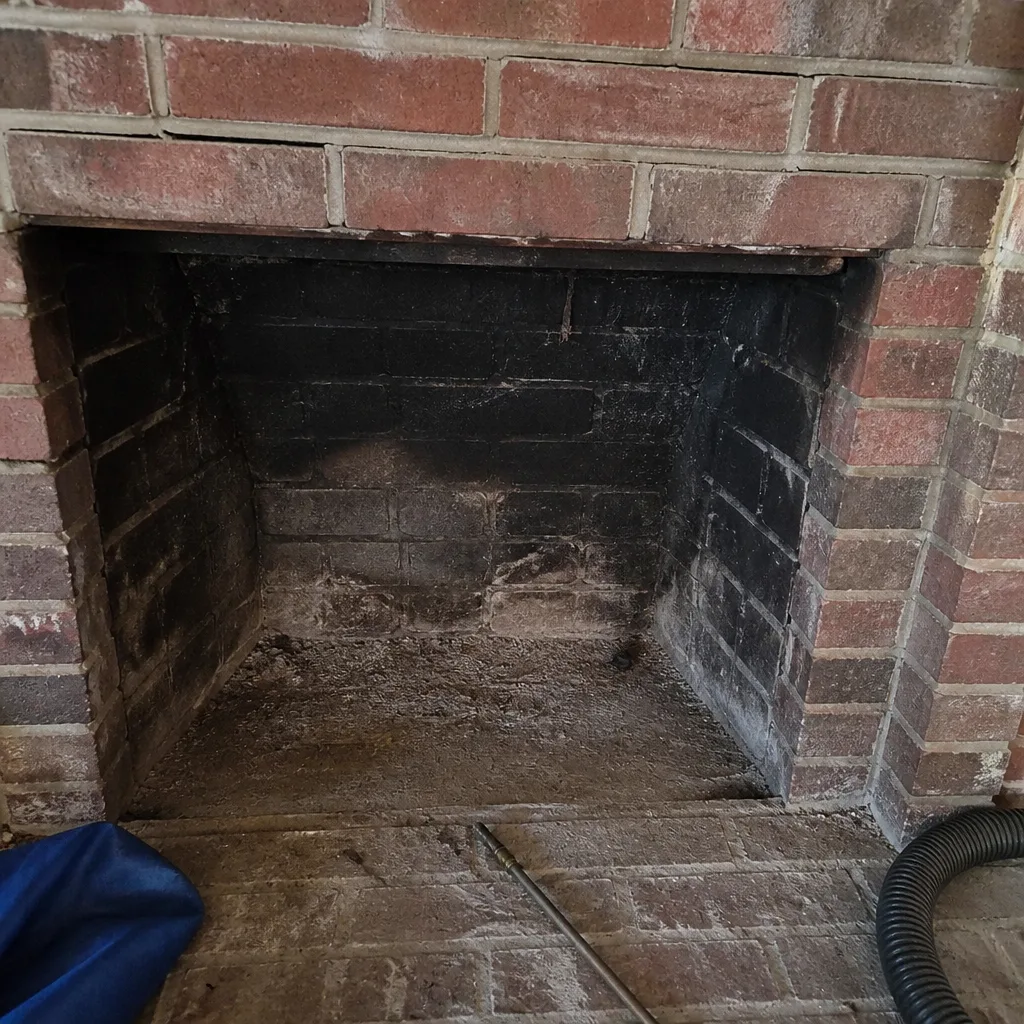 Before
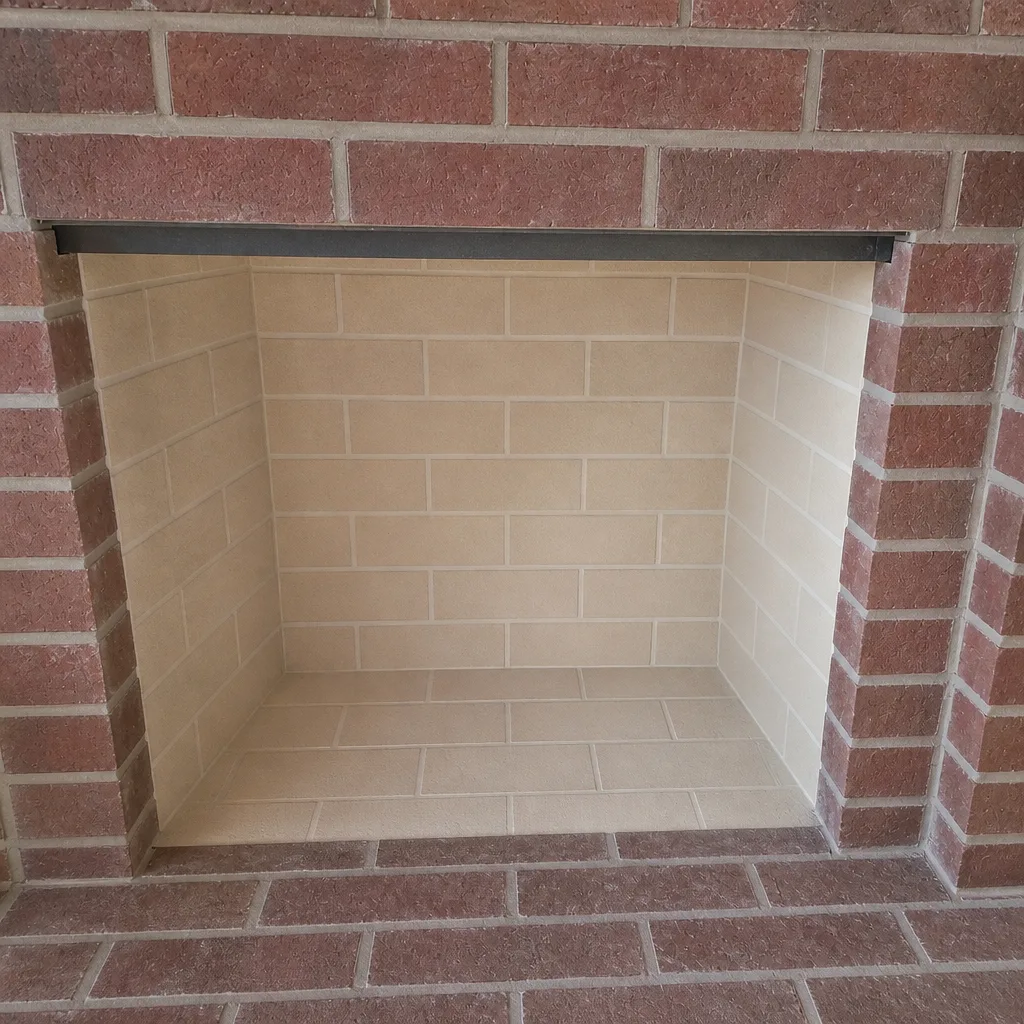 After
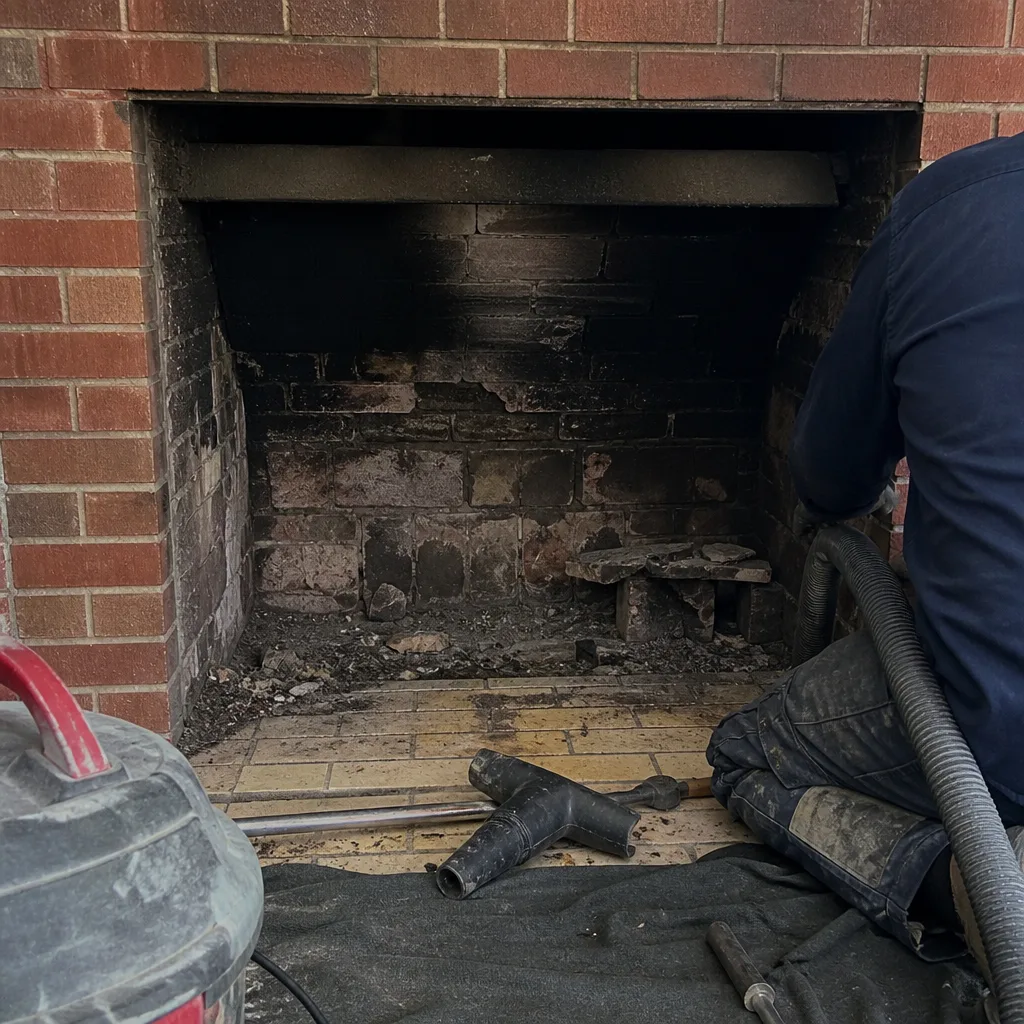 Before
 After
 Before
 After