
Last updated November 16, 2026
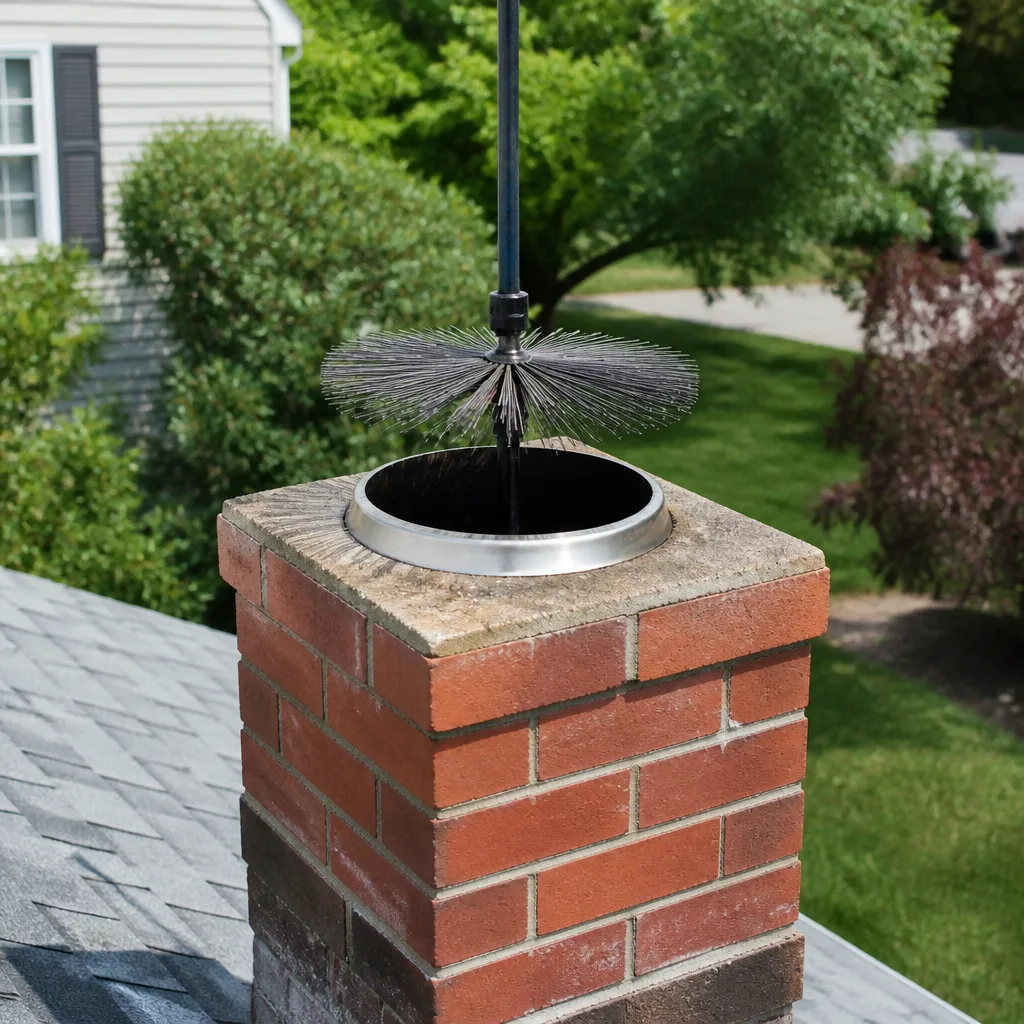 Sweep & inspection
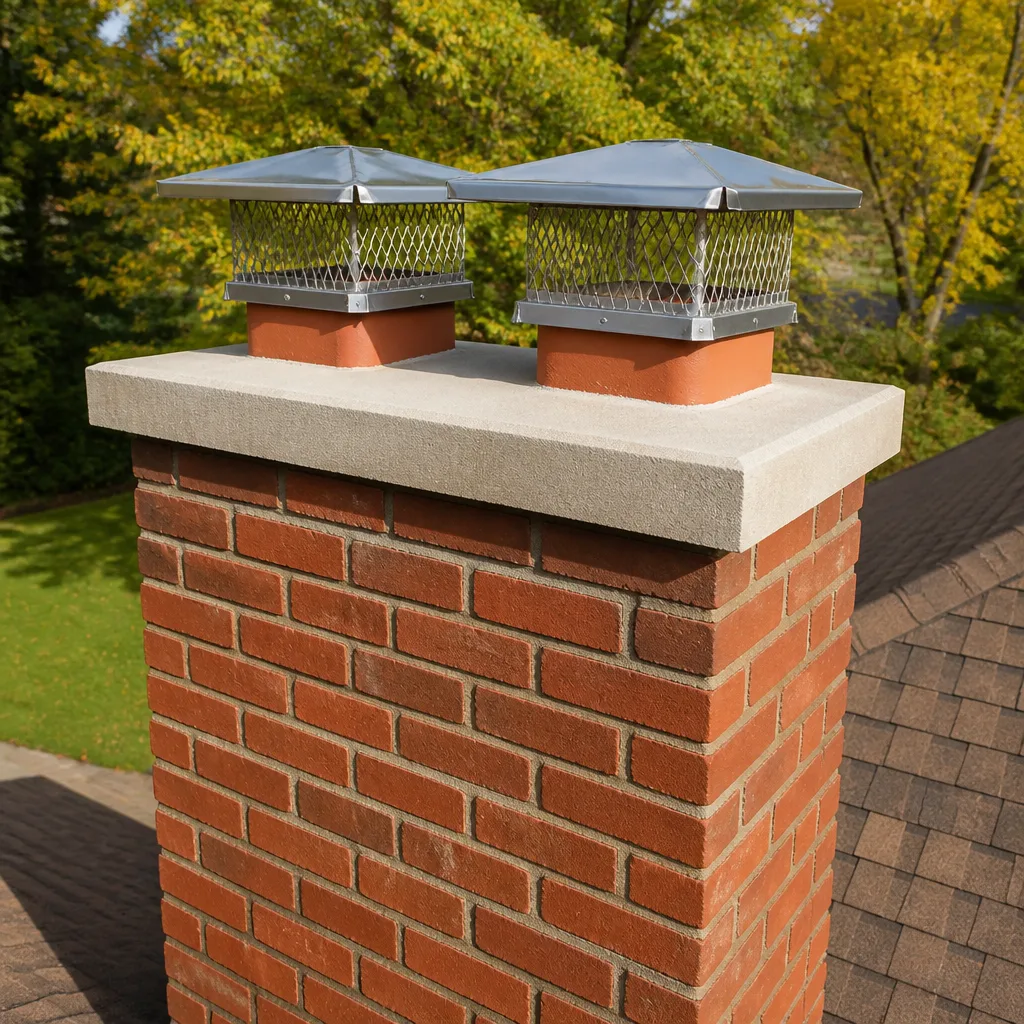 Caps & crowns
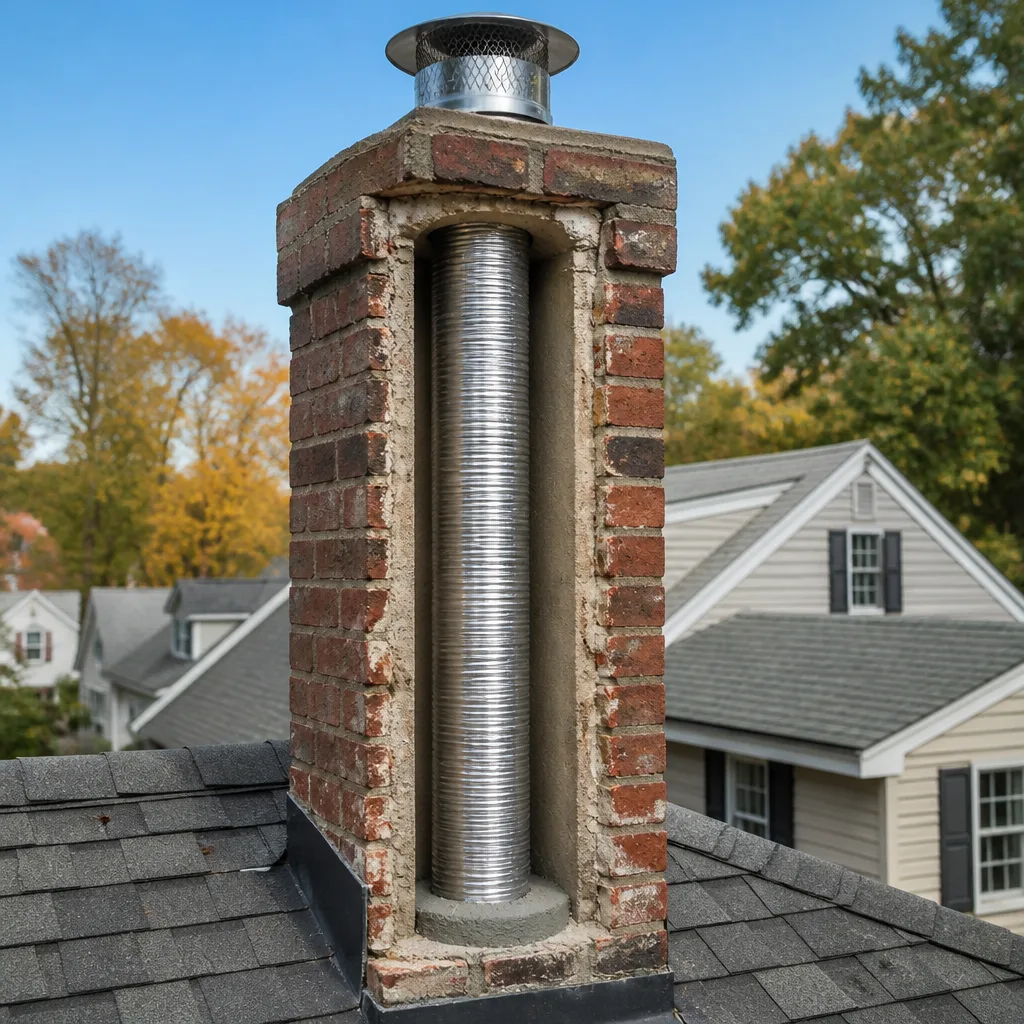 Flue relining
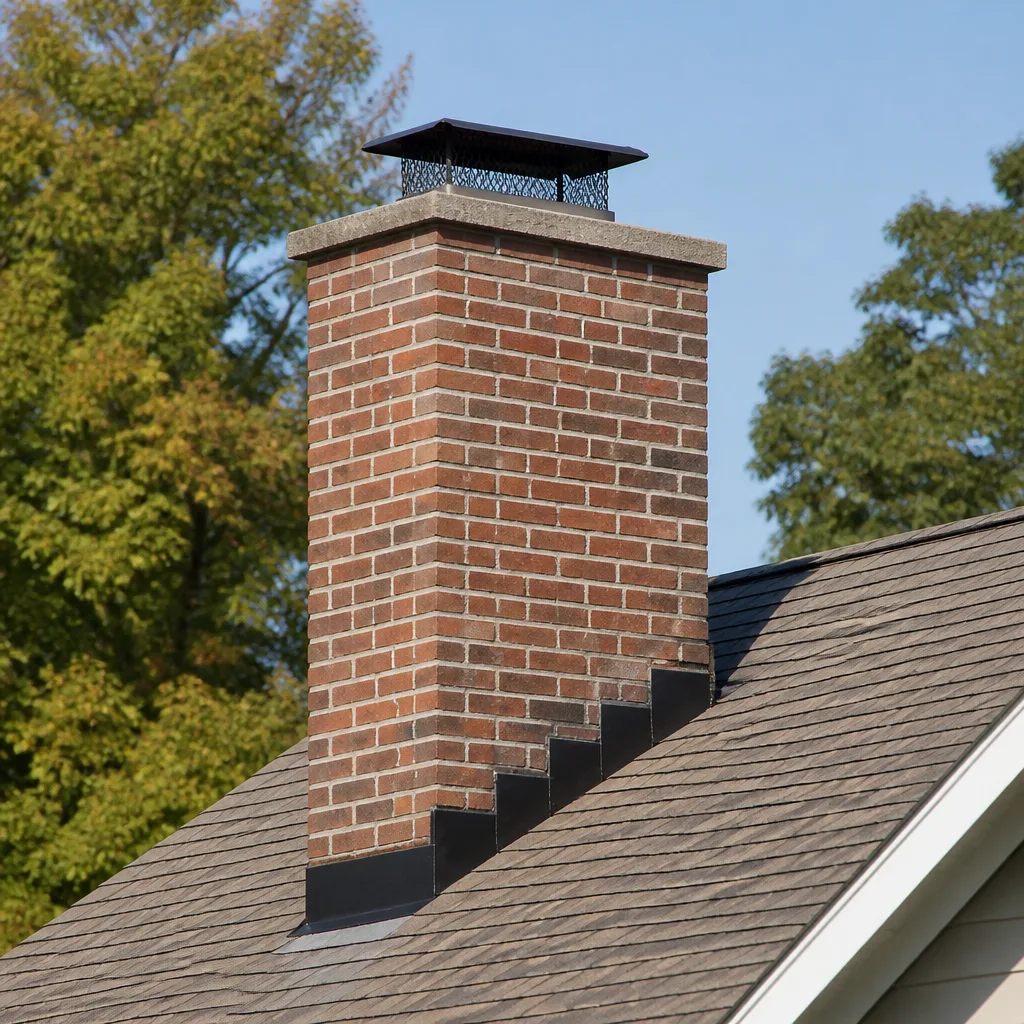 Masonry repair
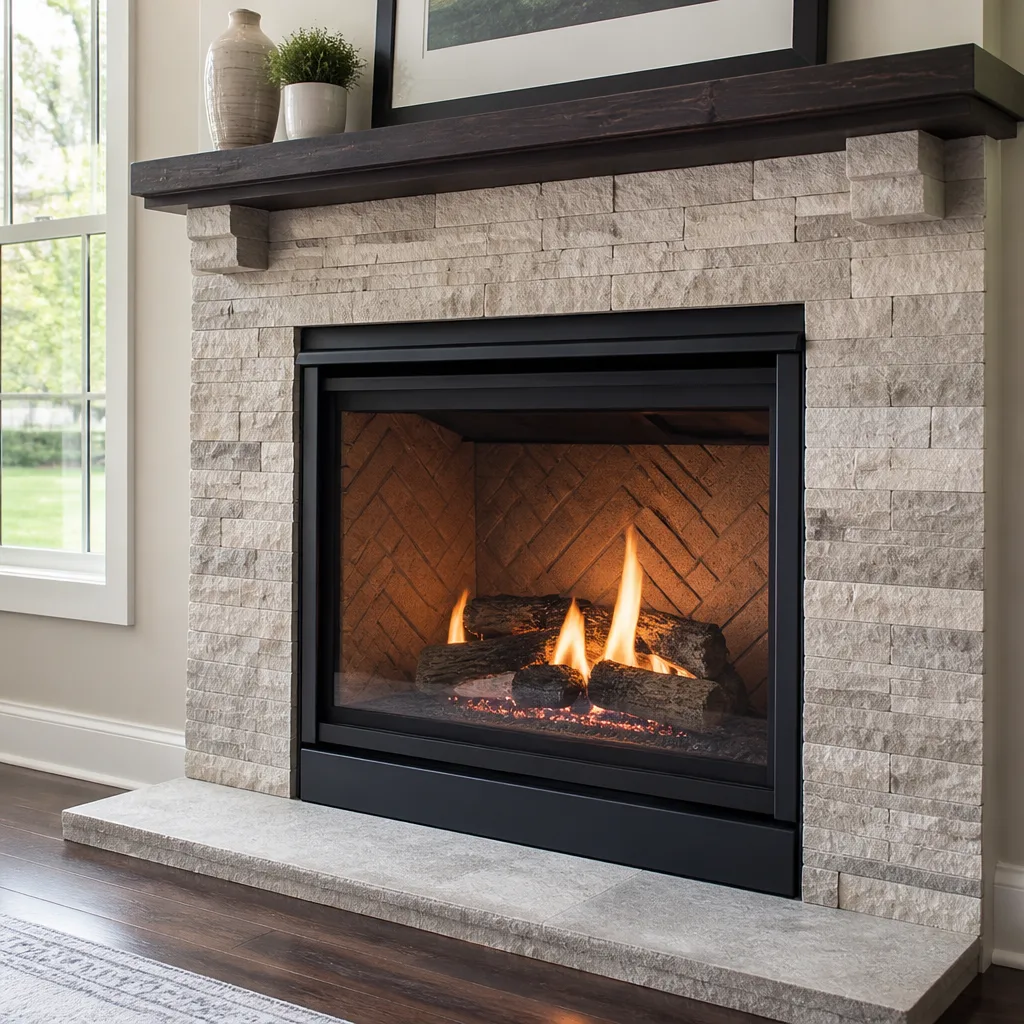 Gas fireplace service
Level 1 sweep and inspection to the NFPA 211 annual standard - flue, crown, cap, and flashing checked and photographed
Chimney sweep logs do not sweep chimneys. They loosen some creosote - which then falls where a brush and vacuum still have to collect it.
Chimney Cleaning Permits, Codes & Inspections in Lakeland, FL: What You Need to Know
Most homeowners assume the paperwork starts when the work starts. In chimney care, it starts before that. A routine cleaning in Lakeland rarely needs a permit, but the repair that cleaning often uncovers – a cracked liner, a failed crown, a deteriorated firebox – usually does. The confusing part is that Florida Building Code Section 10-5 sets the statewide baseline for chimney systems, while Polk County’s local amendments layer on requirements some out-of-county contractors don’t know exist. That means a repair done to state code can still fail a local inspection. In this guide we walk through which services trigger permits, how to verify prior work on a home you’re buying, what a code-compliant inspection report actually contains, and where your liability sits when unpermitted chimney work meets an insurance claim.
Quick Answer
Chimney sweeping in Lakeland is generally maintenance and doesn’t require a permit. Chimney repairs that alter the structure or lining – relining, crown replacement, firebox rebuilds, chase modifications – typically do require a permit under Florida Building Code Section 10-5 as amended locally by Polk County. Any repair affecting the liner or flue should be inspected and documented in a written report that meets NFPA 211 standards before and after the work.
Styles & brands we work with
- Sweep & inspection
- Caps & crowns
- Flue relining
- Masonry repair
- Gas fireplace service
Table of Contents
- Which Chimney Services Need a Permit in Lakeland?
- Florida Building Code Section 10-5 and Polk County Amendments
- NFPA 211: The Baseline Standard Behind Every Code
- How to Verify a Permit Was Pulled on Prior Chimney Work
- What Unpermitted Liner Work Looks Like in a Level 2 Inspection
- What a Code-Compliant Inspection Report Contains
- Liability When Unpermitted Work Meets an Insurance Claim
- Common Mistakes to Avoid
Which Chimney Services Need a Permit in Lakeland?
The dividing line is straightforward: cleaning and inspection are maintenance; anything that changes the structure, lining, or venting of the chimney system is construction, and construction generally requires a permit. In our experience the confusion comes from contractors who treat every chimney job as maintenance because that’s how they’ve always done it, and from homeowners who assume a $200 sweep covers whatever the sweep finds.
Here’s how the split usually falls in Lakeland:
- No permit typically required: chimney sweeping, Level 1 visual inspections, Level 2 camera inspections, cap replacement on an existing unmodified flue, and minor mortar repointing on accessible exterior masonry that doesn’t affect structural integrity.
- Permit typically required: relining (whether with a stainless flexible liner or cast-in-place ceramic resurfacing), crown replacement or rebuild, firebox rebuild, chimney chase modification, flue size changes, and any work on a factory-built fireplace that departs from the manufacturer’s listed installation.
- Permit almost always required: chimney demolition, height extension, and any repair following a chimney fire that damaged structural masonry.
A common misunderstanding in Lakeland is that the presence of a permit for the original fireplace covers future repairs. It doesn’t. Each structural change to the chimney is its own scope of work. When we quote a repair after a chimney sweep, we tell the homeowner plainly whether the work requires a permit and who will pull it – and if a contractor tells you no permit is needed for a full reline, that’s a signal to ask more questions.
Florida Building Code Section 10-5 and Polk County Amendments
Florida Building Code Section 10-5 is the statewide chapter governing chimney and vent systems – clearances to combustibles, liner integrity requirements, termination heights, and material specifications. Any chimney work in Lakeland starts from that baseline. What surprises out-of-county contractors is that Section 10-5 isn’t the only rule they need to know. Polk County adopts local amendments on top of the state code, and those amendments can specify liner material requirements that a statewide-only reading misses.
In practical terms, this means:
- The state code sets the floor. Clearances, flue sizing, and material standards all come from Section 10-5.
- The county code adjusts specifics. Local amendments can narrow material choices, require additional documentation at inspection, or set different inspection triggers for certain repair categories.
- The manufacturer’s listing sets the last word for factory-built units. A listed prefab fireplace must be installed and repaired per its instructions, and no code amendment relaxes that.
- The AHJ (authority having jurisdiction) has final say. In Lakeland that’s the city or county building department depending on the property, and their inspector’s judgment governs sign-off.
This layering is why a chimney repair that passes an inspection in one Florida county can fail in another. It’s also why we don’t quote structural chimney repair in Lakeland without confirming the local amendment that applies to the property. The trade-level materials we specify – DuraFlex flexible liner systems, HeatShield ceramic resurfacing, Olympia Chimney components – are chosen partly because their published listings align cleanly with the state code, and we can hand an inspector the paperwork that proves it.
NFPA 211: The Baseline Standard Behind Every Code
NFPA 211 is the national standard for chimneys, fireplaces, vents, and solid fuel-burning appliances. It’s the document that Florida Building Code Section 10-5 and most other state codes are built on top of, and inspectors use it as their reference when a question falls outside the letter of the code. NFPA 211 defines the three levels of chimney inspection and what each one covers – a distinction that matters for insurance claims and real estate transactions.
- Level 1 inspection: a visual check of readily accessible portions of the chimney and connected appliance. Appropriate for a routine annual service when nothing has changed.
- Level 2 inspection: includes all of Level 1 plus a video camera scan of the flue interior and accessible attic, crawlspace, and chimney chase areas. Required after a chimney fire, after a change in fuel type or appliance, when a property changes hands, or when an event that could damage the chimney has occurred.
- Level 3 inspection: includes Levels 1 and 2 plus removal of building components where necessary to access concealed areas. Reserved for when a serious hazard is suspected.
NFPA 211 also sets clearances and material rules that Florida adopts with amendments. When an inspector signs off on a Lakeland chimney repair, they’re checking against both documents – the state code as the enforceable text and NFPA 211 as the underlying standard. That’s why a written inspection report should reference both. If a report you’ve been handed cites only one, or cites neither, it’s incomplete.
How to Verify a Permit Was Pulled on Prior Chimney Work
If you’re buying a home in Lakeland and the listing says “chimney recently relined,” that claim is only as good as the permit history behind it. Verification is a short process, and any title company or real estate attorney can help you run through it.
- Look up the permit history by address. Polk County’s building department and the City of Lakeland maintain public permit records searchable by address or parcel number.
- Match dates to the work claimed. If the seller says the liner was replaced in 2021, look for a permit pulled around then for chimney repair or relining.
- Check for final inspection sign-off. A permit that was pulled but never finaled is a red flag – it means the work may not have been inspected, or there were deficiencies the contractor didn’t correct.
- Ask for the written inspection report alongside the permit. A code-compliant reline should be documented with a Level 2 inspection report before and after the work.
- Order your own Level 2 inspection, don’t rely on the seller’s. This is the only reliable way to know what’s actually inside the flue at Lakeland homes with older chimney systems.
If the permit trail is missing, that doesn’t automatically mean the repair is bad – but it does mean you have no third-party confirmation the work was done to code, and no paper trail for an insurance claim. Both of those are risks you’ll carry after closing.
What Unpermitted Liner Work Looks Like in a Level 2 Inspection
Unpermitted chimney repairs don’t announce themselves. Homeowners discover them months or years later, often during a routine cleaning or at the point of sale. A Level 2 inspection with video camera equipment is the tool that catches the shortcuts – and in our experience, the patterns are consistent enough that a trained technician can spot them within minutes of the camera scan.
What we look for on the camera:
- Misaligned liner sections. Flexible liner joints should be smooth and sealed. Gaps, crooked joints, or sections that appear to have been shoved together without fastening show up clearly on camera.
- Inadequate or missing insulation wrap. A stainless liner without proper insulation wrap is a common shortcut. It works – for a while – and then fails when the flue gases condense against an uninsulated liner wall.
- Liner sized for the wrong flue. An undersized liner for the fireplace opening or appliance draft changes how the chimney performs. Under-sizing is often a tell that a generalist contractor guessed at the size.
- No top plate or a poorly sealed crown transition. At the top of the flue, where the liner terminates, the plate and crown sealing is where water intrusion starts. Sloppy termination is one of the most common unpermitted-work signals.
- Improvised material substitutions. Off-brand liner material without published listings, or a resurfacing product that isn’t a recognized system like HeatShield cast-in-place ceramic, is a warning sign that the work was done to price rather than to code.
The camera doesn’t lie and neither does a chimney fire’s aftermath. When a flue hasn’t been relined properly, the failure mode often shows up as a crack in the liner wall after a fire – exactly the kind of event that makes the insurance adjuster start asking about permits.
What a Code-Compliant Inspection Report Contains
A verbal-only chimney inspection is a liability, not a service. It works fine until you need to prove what was found and when – and at that moment, the only thing that matters is what’s written down. A code-compliant inspection report serves three audiences: the homeowner, the inspector’s records, and any third party who needs it later (insurer, buyer, building department).
Here’s what a complete report should include:
- Level of inspection performed. Level 1, 2, or 3, per NFPA 211, with a statement of what was accessible and what wasn’t.
- Appliance and fuel type. Wood-burning fireplace, wood stove, gas appliance, or pellet – all have different code pathways.
- Exterior chimney condition. Masonry, crown, flashing, cap, and termination height with measurements where relevant.
- Flue interior condition. Photographic or video documentation of the flue, liner joints, and any defects found. Photos are the difference between a report an adjuster accepts and one they question.
- Clearances to combustibles. Measured where accessible, especially at the attic penetration and roof line.
- Findings and recommendations. Written findings, severity ranking, and a specific statement of what does and doesn’t require repair – including whether a permit is needed for the recommended work.
- Photos of every finding. Camera images of defects plus, where relevant, before-and-after photos of completed repairs.
When we’re called to Lakeland homes after another contractor has done work, the report from that contractor often lacks items 4 and 7. The homeowner ends up back at square one. That’s the practical reason chimney repair and inspection are inseparable: the report from the first visit becomes the baseline evidence for the second.
Liability When Unpermitted Work Meets an Insurance Claim
Most homeowners assume their policy covers everything that happens inside their house. For chimney fires specifically, that assumption can fail at the exact moment it matters most. Standard homeowner policies don’t cover damage caused by work that wasn’t permitted, inspected, or done to code, and adjusters check. When a chimney fire claim is filed, one of the first things the loss adjuster does is pull the permit history on the property.
The exposure runs three ways:
- Coverage denial. If an adjuster can show the fire was caused by unpermitted liner work or an unpermitted firebox modification, the claim can be denied entirely. That’s the whole loss on the homeowner.
- Reduced payout. Even when a claim is honored, work done without permits can lower the payout to reflect the “as-built” condition rather than the code-compliant one.
- Liability for a subsequent sale. If you sold a home with unpermitted chimney work and didn’t disclose it, you can face claims from the buyer later.
Contractors who skip permits aren’t just cutting corners on the paperwork. They’re passing the risk to the homeowner. When you accept that risk, you don’t get to unwind it later. The fix is simple: ask for the permit, verify it was pulled by the contractor, confirm the final inspection sign-off, and keep the written report with your home records.
The other side of this equation is who actually does the work. A generalist contractor who advertises “chimney repair” alongside roofing and siding is unlikely to know the Polk County amendments or to hold a trade relationship with the brands whose components are listed for the work. A chimney-only specialist works inside these codes because that’s the entire trade.
Common Mistakes to Avoid
- Assuming the sweep covers the inspection. A cleaning without a documented inspection leaves you with a clean flue and no evidence of its condition. Insist on a written report – the cleaning is the chore, the report is the record.
- Accepting a verbal “it’s all fine.” In real estate transactions and insurance claims, verbal findings have no standing. Ask for the written report with photos before the technician leaves.
- Believing a permit isn’t needed because the job is small. A crown replacement and a full reline can both require permits in Lakeland, and the size of the check doesn’t change the code requirement.
- Skipping the permit history on a purchase. “Recently relined” is a claim, not evidence. Pull the permit records before you close – it’s a 20-minute check that can save a six-figure surprise.
- Trusting a liner brand you can’t verify. Unbranded or generic liner material sourced from consumer retailers is one of the clearest signs of unpermitted chimney work. The trade relies on listed systems – DuraFlex, HeatShield ceramic resurfacing, Olympia Chimney and Gelco components – for a reason.
- Hiring a generalist who adds chimney work to their service list. Chimney repair is a trade, not a bolt-on to roofing or HVAC. A contractor who doesn’t work exclusively in chimneys is unlikely to know the Polk County amendments that apply to every job they do.
- Believing annual cleaning replaces annual inspection. They’re different services for a reason. Cleaning addresses creosote; the inspection addresses the structure, the liner, and the code compliance – and the inspection is the one your insurer or buyer will care about.
See the difference
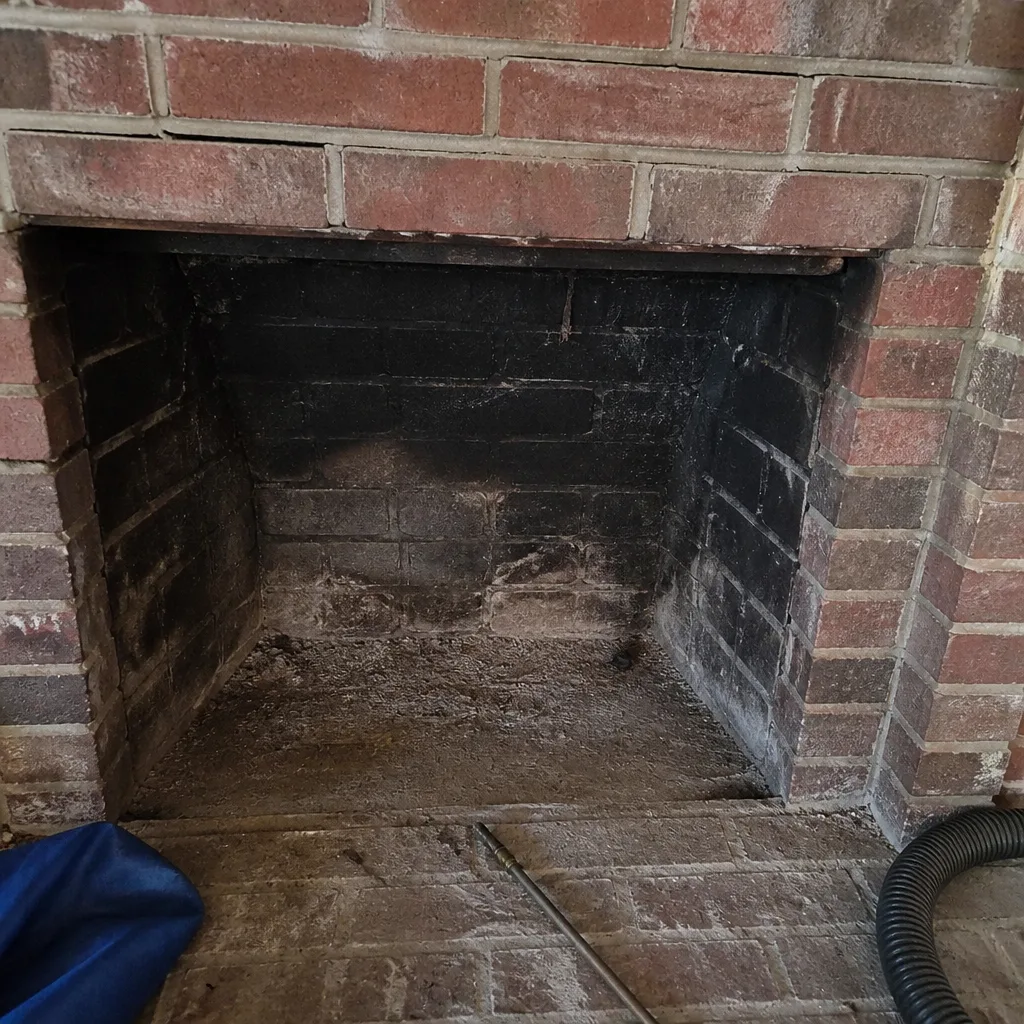 Before
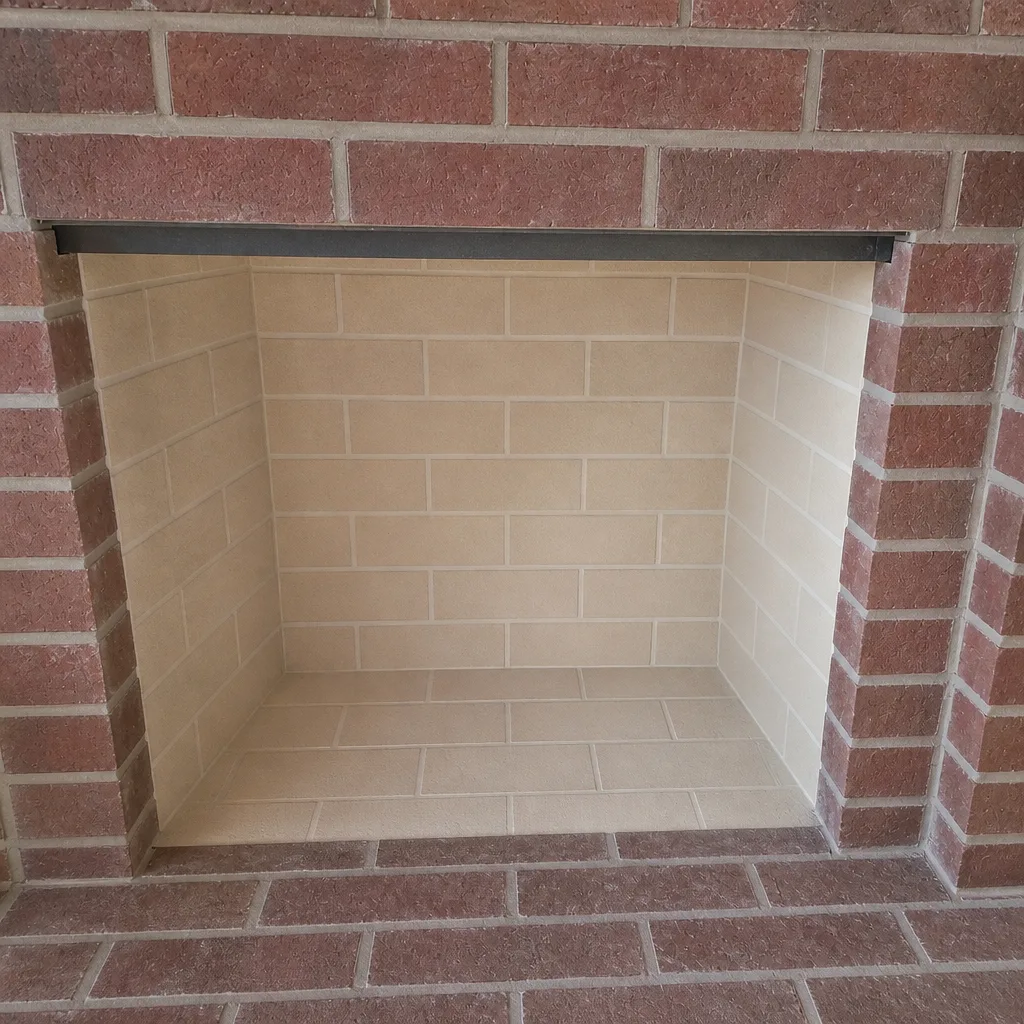 After
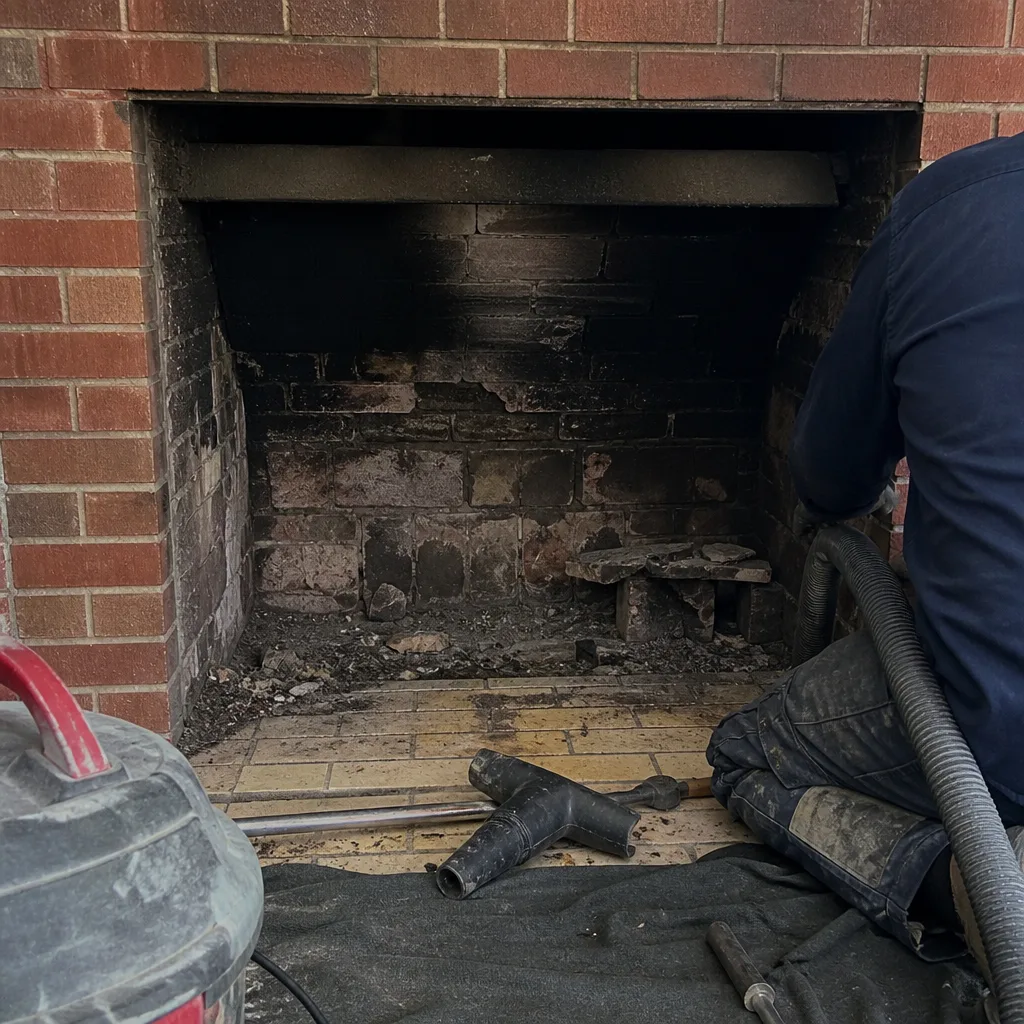 Before
 After
 Before
 After
When to Call a Professional
Some chimney questions are DIY-able; most aren’t. Call a professional if your chimney has had a fire (even a small one), if you’re buying or selling a home with a fireplace, if the flue has never been camera-inspected, if you’ve recently changed fuel type or appliance, or if a contractor has told you a repair doesn’t need a permit. The same applies if you’ve never had a written inspection report in hand. Our technicians have up to experience working inside Florida and Polk County code, and we’re a chimney-only provider, not a generalist adding sweep services to a longer list. You can call Lakeland Chimney Cleaning for a free estimate and a written inspection report that holds up at an insurance claim or a real estate closing. Call (844) 410-7138. We answer 24/7. Fast dispatch from 7am to 7pm, Sunday through Friday.
Frequently Asked Questions
No. Chimney sweeping in Lakeland is maintenance and doesn’t require a permit under Florida Building Code Section 10-5 or Polk County local amendments. Permits are triggered by structural repairs – relining, crown replacement, firebox rebuilds, and chase modifications – not by cleaning. If a contractor tells you a full reline is maintenance-only, that’s a red flag worth investigating. Call (844) 410-7138 for a free estimate on a code-compliant inspection that will tell you exactly what your chimney needs.
Relining (stainless flexible liner or cast-in-place ceramic resurfacing), crown replacement or rebuild, firebox rebuild, chimney chase modification, and any structural repair following a chimney fire typically require a permit. Cleaning, Level 1 and Level 2 inspections, cap replacement on an unmodified flue, and minor mortar repointing generally don’t. If you’re unsure, ask the contractor to confirm in writing and check with the City of Lakeland or Polk County building department. Call (844) 410-7138 for a free estimate that includes a permit-need assessment.
Search Polk County’s public permit records by property address, match the permit date to the claimed work, and check for final inspection sign-off. If the permit was pulled but never finaled, that’s a warning sign the work may not have been properly inspected. For a home purchase, order your own Level 2 inspection regardless of what the seller’s paperwork shows. Call (844) 410-7138 for a free estimate on a pre-purchase inspection that includes the documentation your title company will want.
Your claim can be denied or reduced. Loss adjusters pull permit history on chimney fire claims, and work done without permits or inspection can be treated as outside the policy’s coverage. The exposure sits entirely with the homeowner, not the contractor who skipped the permit. If you’re unsure about prior work on your Lakeland home, a Level 2 inspection with a written report gives you something concrete to work from. Call (844) 410-7138 for a free estimate.
A Level 1 inspection is a visual check of accessible chimney and appliance components, appropriate for routine annual service. A Level 2 adds video camera scanning of the flue interior plus accessible attic, crawlspace and chase areas, and is required after a chimney fire, after a fuel or appliance change, at real estate transactions, and whenever you need documented evidence of the chimney’s condition. Most Lakeland homeowners buying or selling a home need a Level 2. Call (844) 410-7138 for a free estimate to confirm which level fits your situation.
Both do, layered. Florida Building Code Section 10-5 is the enforceable state code, and it’s built on NFPA 211. Polk County local amendments add specific requirements on top of the state code – including some around liner materials that out-of-county contractors commonly miss. When a chimney repair is inspected in Lakeland, both the state code and the underlying NFPA standard are the reference points. A code-compliant written report cites both. Call (844) 410-7138 for a free estimate on an inspection that documents against both standards.
The Bottom Line
Chimney cleaning in Lakeland doesn’t require a permit. The repairs that follow – relining, crown replacement, firebox rebuilds – usually do, and they’re governed by Florida Building Code Section 10-5 plus Polk County amendments that overlap with NFPA 211. A code-compliant written inspection report is what ties the whole picture together: it documents the condition, records what was and wasn’t permitted, and holds up at an insurance claim or a real estate closing. Every repair we quote in Lakeland starts with a camera scan and a written report, uses listed trade materials – DuraFlex, HeatShield, Olympia Chimney, Gelco – and confirms the permit requirements in writing before any work begins. Chimney specialists, not generalists.
Call (844) 410-7138 for a free estimate. We answer 24/7. Fast dispatch from 7am to 7pm, Sunday through Friday.
Written by the team at Lakeland Chimney Cleaning.