
Last updated November 16, 2026
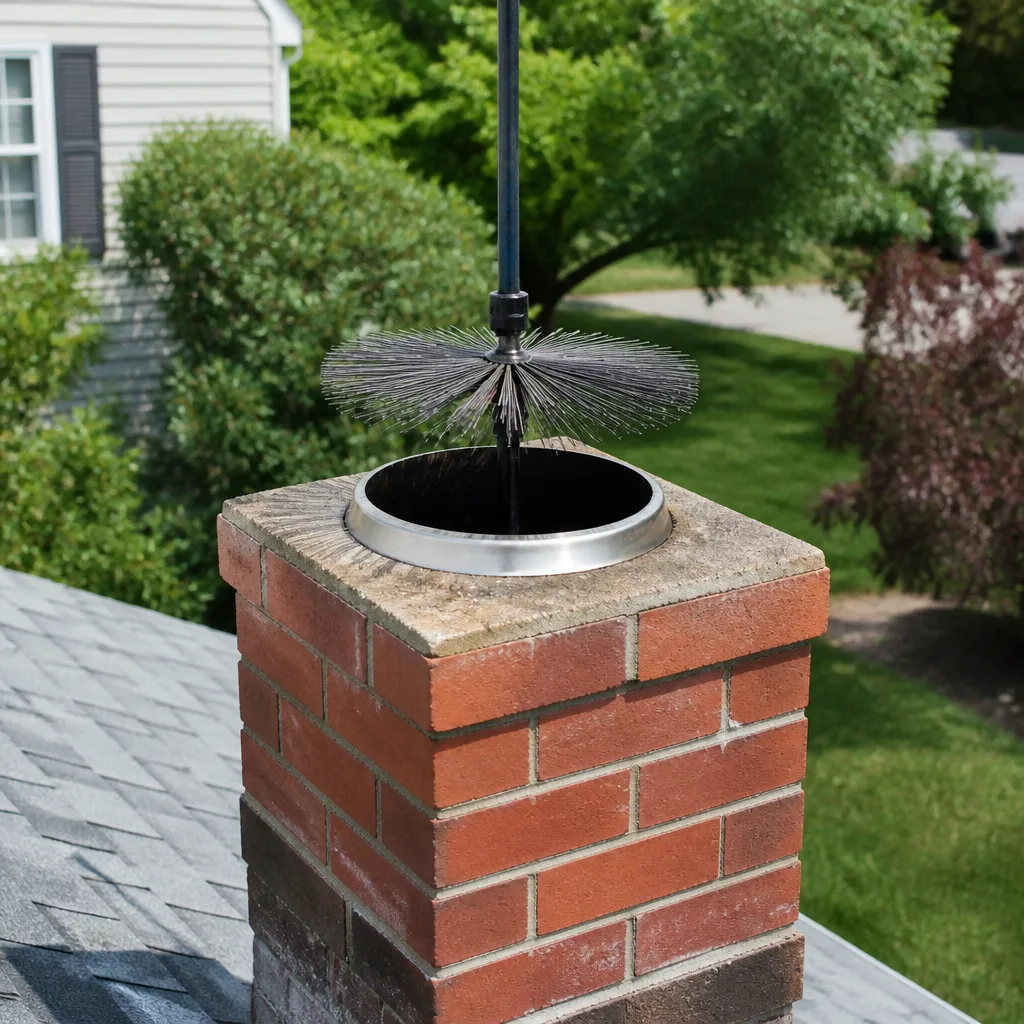 Sweep & inspection
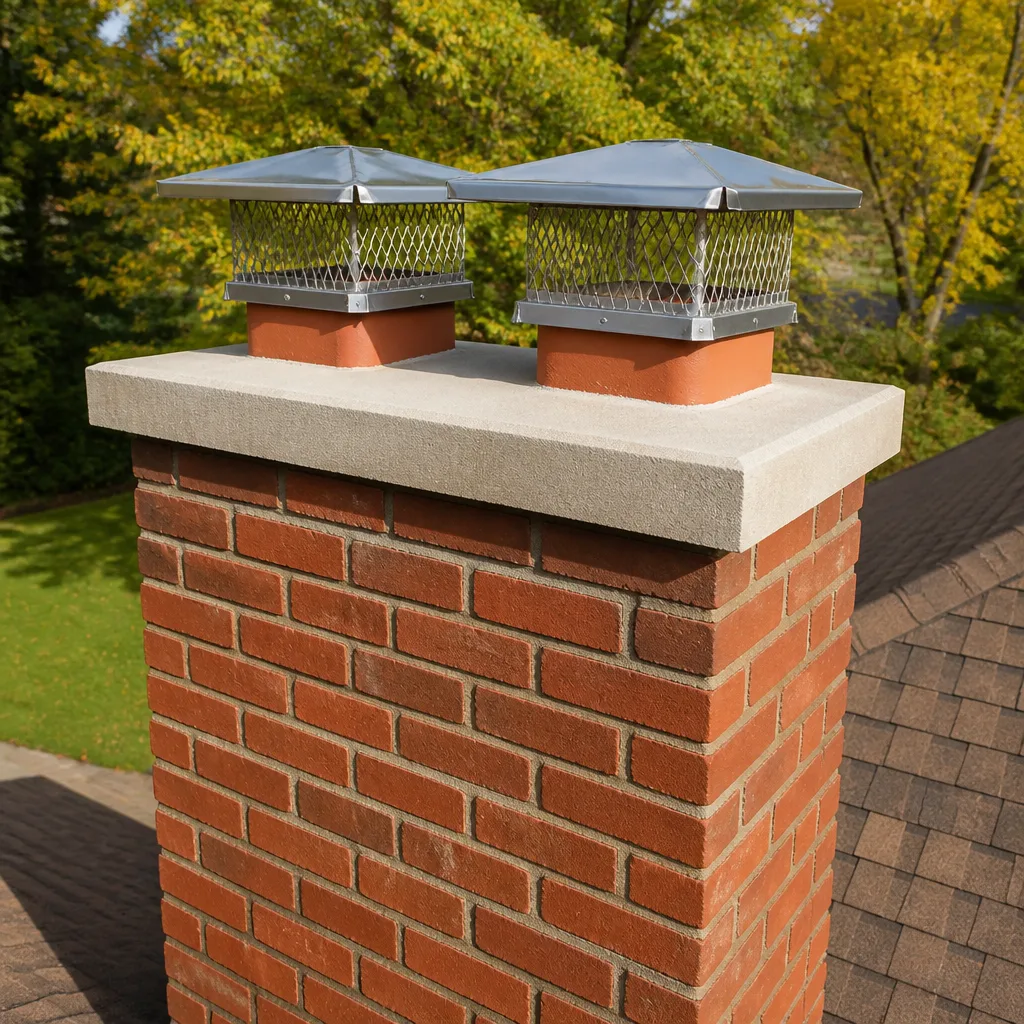 Caps & crowns
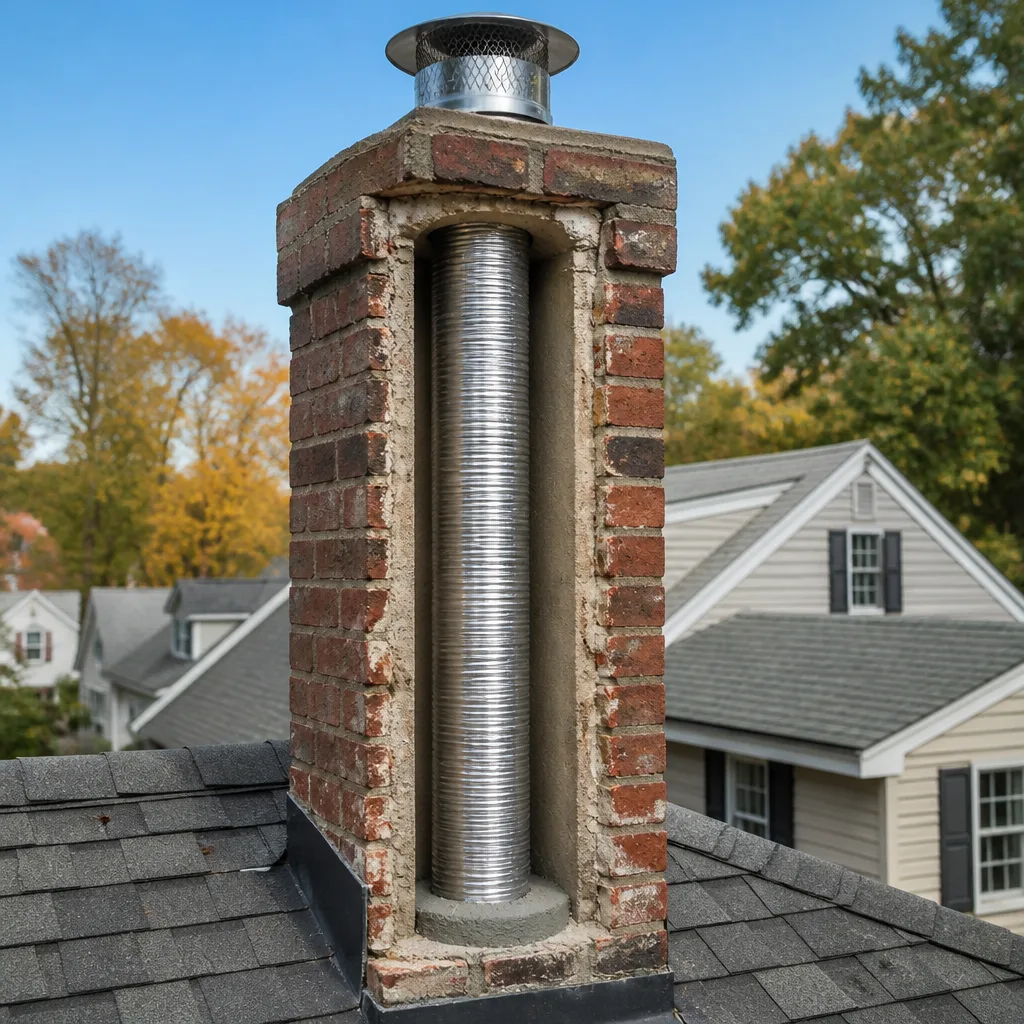 Flue relining
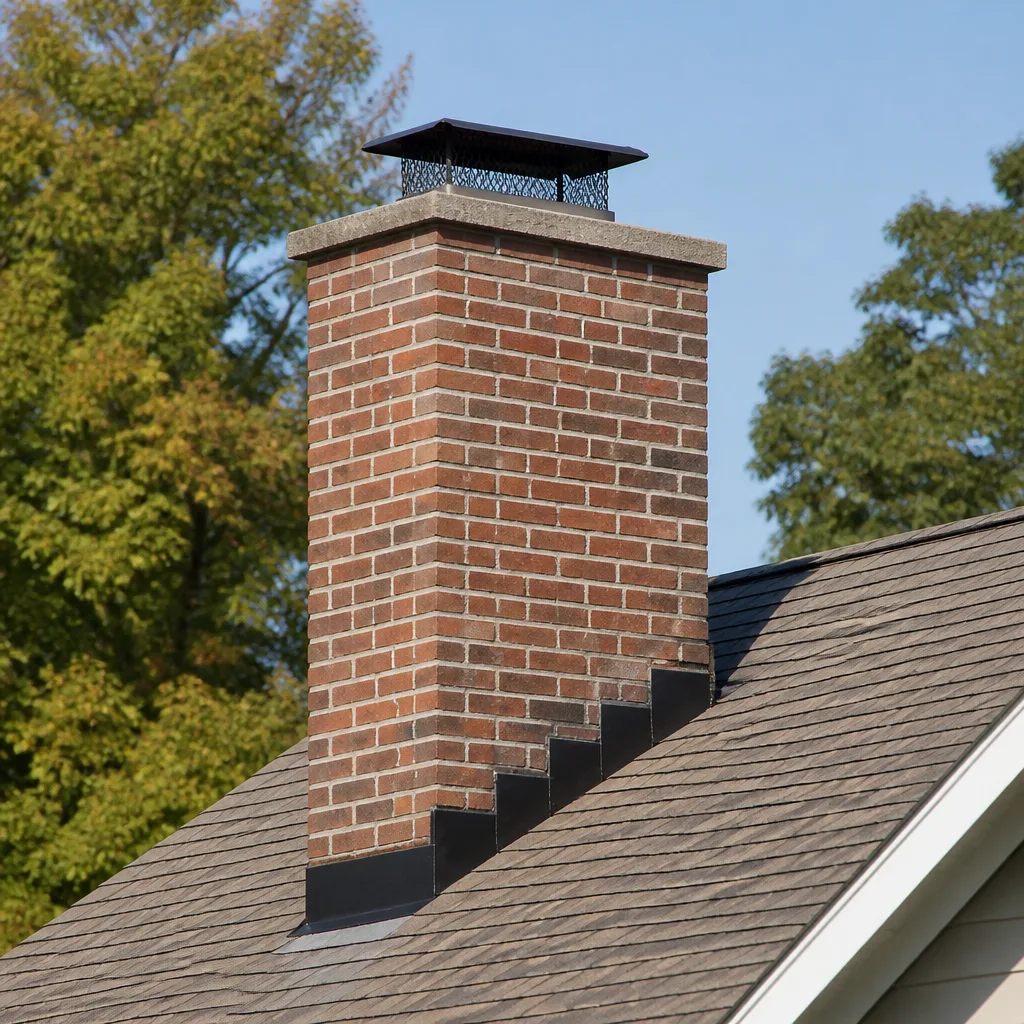 Masonry repair
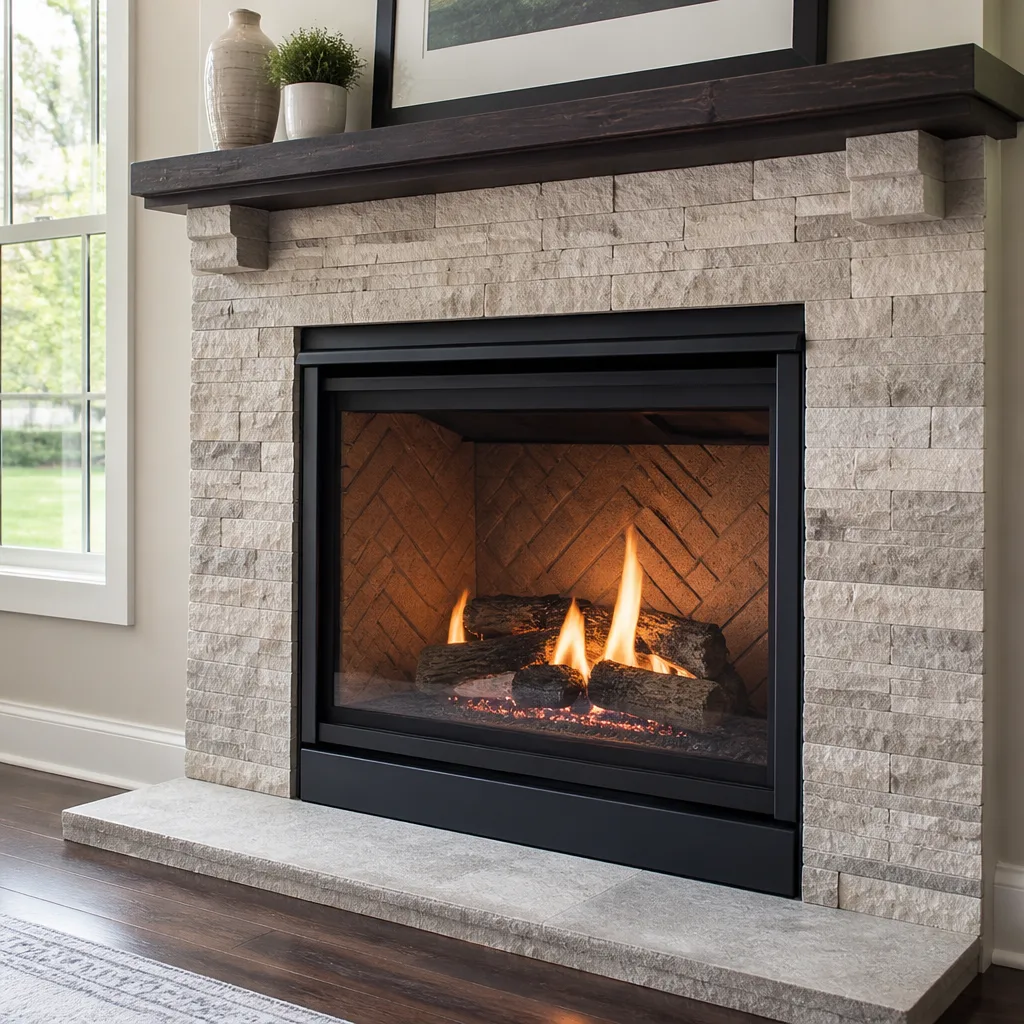 Gas fireplace service
Level 1 sweep and inspection to the NFPA 211 annual standard - flue, crown, cap, and flashing checked and photographed
Chimney sweep logs do not sweep chimneys. They loosen some creosote - which then falls where a brush and vacuum still have to collect it.
How to Hire a Chimney Cleaning Contractor in Lakeland: A Step-by-Step Guide
Most homeowners think the credential check is the finish line. Ask a contractor “are you certified?” and the answer is usually yes, sometimes no, and occasionally a qualified yes that means the actual sweep will be done by whoever shows up in the truck. Certification tells you what the company’s paperwork says. It doesn’t tell you who’s climbing onto your roof in Lakeland, what brand of liner they’d recommend if something’s wrong, or whether they’ll be able to sign off on the inspection as an independent finding. This guide walks through how to hire a chimney sweep in Lakeland who does chimney work as the main job, not a side line, and gives you the questions and criteria that separate a specialist from an opportunist.
Styles & brands we work with
- Sweep & inspection
- Caps & crowns
- Flue relining
- Masonry repair
- Gas fireplace service
Quick Answer
Hire a chimney cleaning contractor in Lakeland by asking five specific questions during the initial call: whether chimney work is the company’s only service, who performs the sweep and inspection, what brands they specify for repairs, whether the estimate includes liner, crown, and cap condition in writing, and whether the technician is CSIA-credentialed for the person actually on-site. A specialist who sweeps, inspects, and quotes repair under one roof gives you a more reliable finding than a generalist who outsources any part of the cycle.
Table of Contents
- Why Lakeland’s Market Makes Hiring Tricky
- What CSIA, NFI, and NCSG Credentials Actually Cover
- The Five Interview Questions That Reveal a Specialist
- What a Legitimate Written Estimate Includes
- Why Sweep-and-Inspect Should Be the Same Provider
- Reading Reviews for Red Flags
- A Step-by-Step Hiring Walkthrough
- Common Mistakes to Avoid
- When to Call a Professional
- Frequently Asked Questions
- The Bottom Line
Why Lakeland’s Market Makes Hiring Tricky
Lakeland is a market where chimney work is often folded into other trades. An HVAC technician offering a fireplace tune-up or an air duct cleaning company adding “chimney sweep” to the invoice is a common pattern here, because the number of dedicated chimney specialists in the area is small relative to the number of homes with wood-burning or gas fireplaces. That imbalance is what makes the hiring decision harder than it looks. When a generalist can price a sweep as an add-on to a bigger service call, they can quote lower than a specialist who runs a dedicated truck, carries professional-grade tools, and refuses to skip the inspection. Homeowners see the price difference and assume they’ve found a better deal.
In our experience, the difference shows up after the sweep, not during it. A generalist typically cleans the flue, hands over a receipt, and leaves. A chimney specialist cleans, then photographs and documents the liner, crown, damper, cap, and firebox condition, because the sweep-only job isn’t really finished until the inspection findings are in writing. For a homeowner in a neighborhood like Dixieland or Lake Morton, where many homes have wood-burning fireplaces that were installed decades ago, the inspection is often more valuable than the cleaning.
Lakeland’s mild winters mean most fireplaces get occasional use rather than daily burn. That’s a reason to sweep annually, not to skip years. Creosote builds per cord burned, not per month on the calendar, so a homeowner who burns two cords a season needs the same annual sweep as someone in a colder climate. Hiring a specialist who understands that difference and inspects accordingly is worth the slightly higher quote.
What CSIA, NFI, and NCSG Credentials Actually Cover
Three credentials come up in chimney hiring conversations, and they’re not interchangeable.
- CSIA (Chimney Safety Institute of America) is the sweep-side credential. It’s the one most relevant to a cleaning and inspection appointment, and it’s issued to individual technicians after an exam plus continuing education. A company’s CSIA membership doesn’t guarantee the technician on your roof is personally CSIA-certified – that’s a separate question.
- NFI (National Fireplace Institute) is a hearth-appliance credential, focused on gas, wood, and pellet appliance installation. It matters most on a repair or replacement estimate, less on a cleaning-only appointment.
- NCSG (National Chimney Sweep Guild) is a trade association membership, not a technician credential. Good sign of a serious business, but it doesn’t certify the individual.
The practical takeaway for Lakeland homeowners: for a chimney sweep, ask whether the technician physically doing the work holds CSIA certification. For a repair quote, ask whether whoever’s writing the estimate is NFI-credentialed or has documented trade training on the specific repair method (HeatShield ceramic resurfacing, DuraFlex relining, crown replacement). The credential matters less than knowing exactly who will be on your roof and what tools they’ll bring. Our technicians have up to experience across the sweep-inspect-repair cycle.
The Five Interview Questions That Reveal a Specialist
Ask these before you book. The answers will tell you in about five minutes whether you’re talking to a chimney specialist or someone adding chimney work to a service menu.
- “What percentage of your work is chimney-related?” A specialist answers with a number that’s close to 100. A generalist deflects or gives a broad “we do a bit of everything.” Our answer is simple: every job performed is a chimney job.
- “Will the person who sweeps my chimney also perform the inspection?” If the answer is “sometimes” or “our inspector will follow up separately,” ask who and when. A single technician who sweeps and inspects in the same visit sees the same evidence and can’t contradict themselves later.
- “What brands do you specify for repair work?” A specialist names them: HeatShield for ceramic resurfacing, DuraFlex for flexible liner systems, Olympia Chimney, Copperfield, or Famco for components. A generalist says “we use good materials” or “whatever’s available.” Unbranded or big-box materials are a red flag.
- “Does your written estimate include liner condition, crown, cap, and fuel type?” If the estimate is just a dollar figure, it isn’t an estimate, it’s a bid. You need the scope in writing to compare against anything else you’re quoted.
- “Who does your repair work – your technicians, or a subcontractor?” Subcontracting the repair to a firm that doesn’t do the sweep means no one along the chain owns the full picture. A single provider covering sweep, inspect, and repair means the same company is accountable for the finding and the fix.
On a repair estimate in Lakeland, add a sixth: “If you recommend a liner, what condition did the camera show?” The camera evidence matters more than the recommendation. Any honest contractor can show you the footage.
What a Legitimate Written Estimate Includes
A chimney estimate from a specialist is a scope document, not a price tag. It’s what lets you compare quotes fairly and know what you’re actually paying for.
What a specialist’s written estimate covers
- Fuel type – wood-burning, gas, or pellet. Each has different inspection criteria and different cleaning methods.
- Liner condition – assessed during the inspection, with photo evidence. “Liner in good condition” is a claim; photos are a fact.
- Crown and cap assessment – crown cracks, cap damage, and flashing integrity directly affect water intrusion and draft.
- Damper and smoke chamber condition – visible at the firebox level during the sweep.
- Creosote stage – stage 1 (soot), stage 2 (crusty deposits), or stage 3 (glazed, requiring specialist removal). The stage determines the sweep method.
- Any recommended repair, method, and brand – “HeatShield resurfacing on the flue” tells you what you’re paying for; “flue repair” doesn’t.
- A clear “wait on this” callout – honest estimates tell you what can safely wait and what can’t. A hairline crown crack and a displaced liner tile are different timelines.
What a price-only quote misses
If the estimate arrives as a text message with a dollar figure, ask for the scope in writing before booking. No reputable specialist will refuse that. Comparing two blind prices is how homeowners end up paying for liner work they can’t verify against anything. We won’t recommend anything we can’t show you on camera first, whether the finding is minor or major.
The other question to ask: does the estimate include the sweep and the inspection, or just the sweep? A quote that prices only the cleaning often leaves the inspection as a second appointment, which is the model we built our chimney sweep service around avoiding.
Why Sweep-and-Inspect Should Be the Same Provider
A sweep and an inspection look at the same chimney, but from different angles and with different evidence. When the two are split between companies, an awkward gap opens up: the sweep company documents what they cleaned, the inspection company documents what they found, and neither has the full picture. On a repair decision, that gap costs you confidence.
The cleaner case: a single technician sweeps the flue, then runs a camera down the same flue during the same visit, and writes up findings against what was just observed. The liner condition recorded in that inspection is the liner condition after the cleaning, not a guess from a prior year. The recommendation for repair is tied to the physical evidence the technician just saw firsthand. If a HeatShield resurfacing or DuraFlex relining is recommended, the technician can also explain exactly why and show the camera footage.
In our experience, this is also where generalists lose their edge. An HVAC tech who sweeps once in a while doesn’t have the camera workflow that a chimney-only specialist does, and a dryer vent cleaner adding chimney services hasn’t invested in inspection tools for the inside of a flue. Splitting sweep and inspect across two providers usually produces a “recommendation” that neither company can fully defend if you ask for evidence.
Lakeland homeowners who hire us get sweep, inspection, and repair from one provider; that’s the entire reason we specialize. If you need inspection findings and repair work from the same team, our chimney repair service is set up to pick up exactly where the inspection ends.
Reading Reviews for Red Flags
Chimney contractor reviews have specific warning signs that generic ones don’t. Look for these when you’re screening a Lakeland company.
- Phantom repair recommendations. Reviews that mention a sudden “urgent liner replacement” on a first visit, without camera evidence shown, are a red flag. A specialist shows the camera before recommending anything.
- Upsell pressure on sweep visits. Sweep visits are routine. A review that describes being pushed into repair work the same day, before seeing evidence, is worth reading twice.
- Stock-photo company profiles. Real chimney companies have real photos of real work – flues, liners, crowns, caps, tools. A profile full of generic home-service stock imagery suggests the company is reselling chimney work, not performing it.
- Purchase-verified but content-empty reviews. A wall of five-star “great service, very professional” reviews with no specifics tells you less than three or four detailed reviews that name the finding, the fix, or the interaction.
- Mismatch between the reviewed company and the technician on-site. Reviews that call out a technician by a different company name than the one being hired indicate subcontracting. It’s not always a red flag, but it’s worth asking about.
- No mention of the inspection. Specialist reviews frequently mention the camera or the inspection report. Generalist reviews usually don’t, because the inspection wasn’t part of the visit.
A Step-by-Step Hiring Walkthrough
Here’s the sequence for going from search to hire in Lakeland without wasted appointments.
- Search locally and pull three candidates. Church a query to Lakeland and “chimney sweep” specifically. If a company shows up for HVAC or air duct terms, it’s a signal that chimney work is a secondary line.
- Check the company’s service menu. Chimney sweep, chimney inspection, and chimney repair are the three core services. If they also offer roofing, gutters, general handyman services, or HVAC, ask how chimney work fits in.
- Call and run the five questions. Two minutes per company. Ask about service focus, who does the sweep and inspection, which brands they specify for repair, what’s in the written estimate, and whether repair work is done in-house or subcontracted.
- Request the estimate scope in writing before booking. Ask for the written estimate template in advance if they have one. If they can’t send a sample scope, that’s a data point.
- Confirm who’s on the roof. Ask for the technician’s credential if that matters to you. CSIA-certified on the day is better than CSIA-certified sometime.
- Book the sweep and inspection as one visit. A single appointment that includes both the cleaning and the camera inspection gives you a complete picture in one go.
- Review the findings against the estimate. If repair is recommended, ask for the camera evidence and confirm the brand and method in the estimate (HeatShield resurfacing, DuraFlex liner system, Olympia Chimney or Copperfield components). If it can safely wait, the specialist will say so.
That’s the full decision. Anything that skips a step here usually transfers the risk to the homeowner.
Common Mistakes to Avoid
- Hiring on price alone. A sweep quote is only comparable to another sweep quote if both include the inspection. A low price for “sweep only” isn’t cheaper; it’s a partial job.
- Assuming the quote includes the inspection. Many generalist quotes don’t, and the homeowner discovers only after the sweep that the liner condition was never actually checked. Ask before booking.
- Accepting a repair recommendation without camera evidence. In Lakeland, where chimney repair work from generalist providers is common, this is the most expensive mistake on the list. If they won’t show you the footage, don’t book the repair.
- Letting HVAC or dryer-vent cleaners handle the chimney. These trades have their place, but chimney inspection is a different skill set. A “tune-up” from a generalist isn’t an inspection.
- Skipping the annual sweep because the fireplace wasn’t used much. Mild Lakeland winters tempt homeowners to skip a year. Creosote accumulation scales with wood burned, not with weather.
- Trusting stock-photo company profiles. A company with no real photos of chimney work is usually a company that doesn’t do the work.
- Booking a repair-only visit without a sweep-and-inspect first. A repair without an inspection is a repair without a diagnosis. Liner, crown, and cap condition all influence what repair actually fixes the problem.
When to Call a Professional
Any of these situations is a reason to call a specialist for a sweep and inspection: a wood-burning fireplace used in the past 12 months without a documented cleaning, a strong odor from the firebox during humid weather, smoke drifting into the room when you light a fire, visible creosote buildup on the damper or firebox walls, a crown with visible cracks, a cap that’s loose or missing, or a liner that’s never been camera-inspected. If you’ve recently moved into a home in Lakeland with a fireplace and you don’t have maintenance records, treat the first service as a full sweep plus inspection so you know exactly what you’re working with.
Lakeland Chimney Cleaning offers free estimates in Lakeland – call (844) 410-7138. We answer 24/7. Fast dispatch from 7am to 7pm, Sunday through Friday.
Frequently Asked Questions
Ask three questions during the first call: whether chimney work is the company’s only service, who performs the sweep and the inspection, and which brands they specify for repair work. A specialist answers quickly and specifically. A generalist deflects or gives a broad answer.
Not always, and it should. A proper sweep removes creosote, and a proper inspection documents liner, crown, cap, damper, and smoke chamber condition with camera evidence. At Lakeland Chimney Cleaning, the sweep and inspection are performed together, so the finding is based on a clean flue rather than a guess. Call (844) 410-7138 for an exact quote – estimates are free.
CSIA certifies individual chimney technicians and is the most relevant for a cleaning or inspection appointment. NFI certifies hearth-appliance professionals and matters most on a repair or appliance estimate. NCSG is a trade association membership, not a technician credential. For a Lakeland sweep, ask whether the technician doing the sweep holds CSIA certification.
Yes, when possible. A single provider handles the sweep, inspection, and repair from one diagnosis, so the recommendation matches the evidence gathered on the same visit. Splitting the work between two companies usually creates a gap where neither party has the full picture.
Professional-grade brands like DuraFlex for flexible liners, HeatShield for ceramic resurfacing, and Olympia Chimney, Copperfield, or Famco for components. These are trade-level brands distributed through specialist suppliers, not consumer retailers. If a contractor can’t name the brand, ask why.
Annually for wood-burning fireplaces, even in a mild climate. Creosote buildup depends on how much wood is burned, not on outdoor temperature. Gas fireplaces still need an annual inspection, even if the cleaning interval is longer. Call (844) 410-7138 for an exact quote – estimates are free.
The Bottom Line
Hiring a chimney contractor in Lakeland comes down to knowing who’s actually performing the work and what evidence they can show for their findings. Credentials matter, but the credential on the company’s website isn’t the same as the credential on the technician who shows up in Lakeland. Ask the five interview questions, insist on a written estimate with liner, crown, cap, and fuel type included, request camera evidence for any repair recommendation, and book the sweep and inspection as one visit. A specialist who names the brands (HeatShield, DuraFlex, Olympia Chimney, Copperfield, Famco) is a specialist who knows the materials. The full-service chimney care cycle – Lakeland Chimney Cleaning sweep, inspection, and repair – is the standard to hold every contractor to.
If you’d like to start with a no-obligation estimate, call (844) 410-7138. We answer 24/7. Fast dispatch from 7am to 7pm, Sunday through Friday.
Written by the team at Lakeland Chimney Cleaning.
See the difference
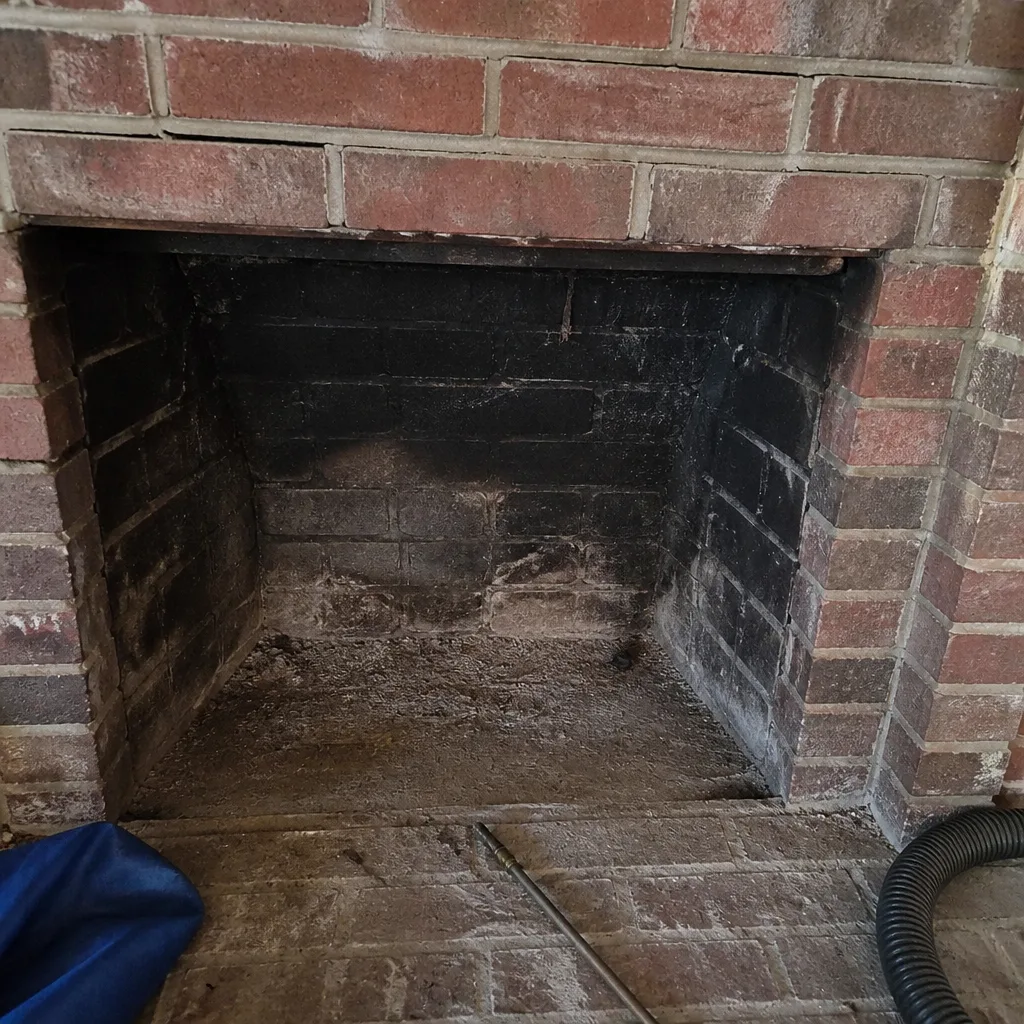 Before
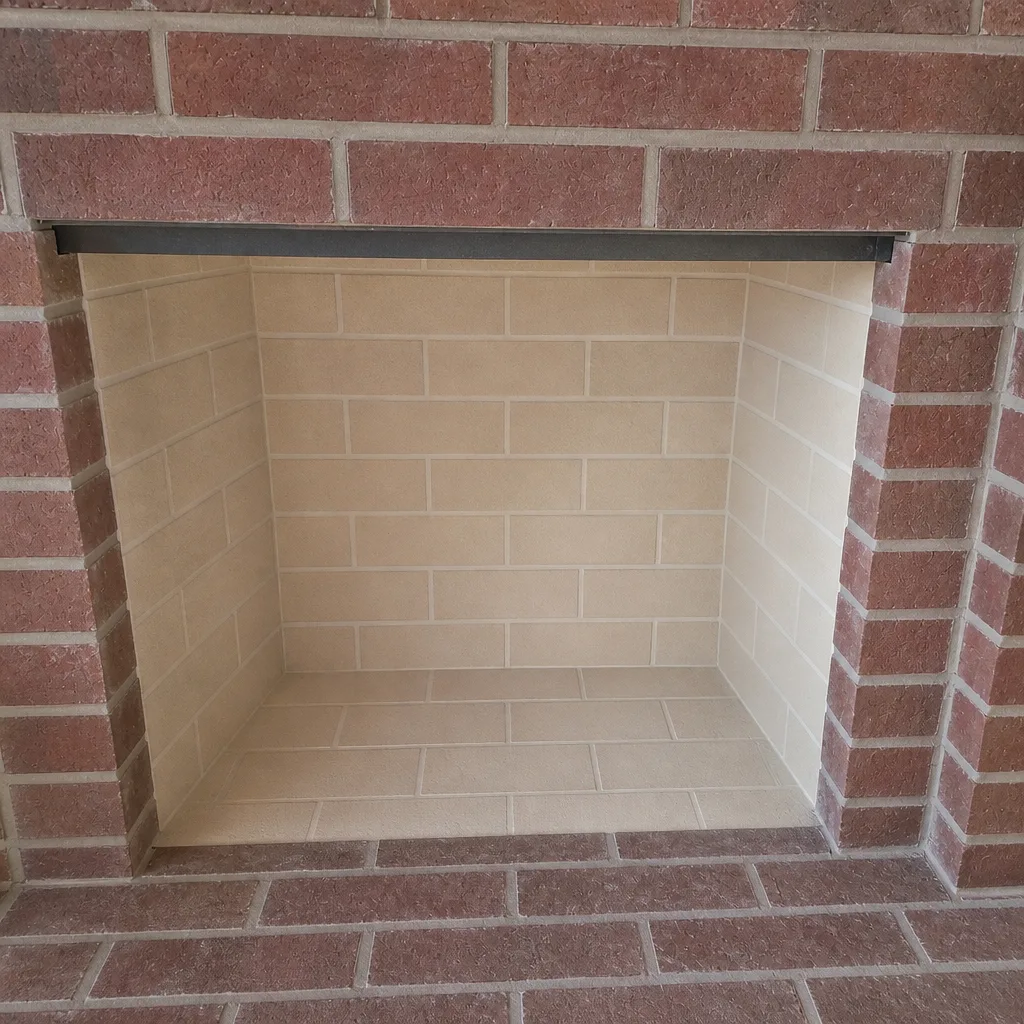 After
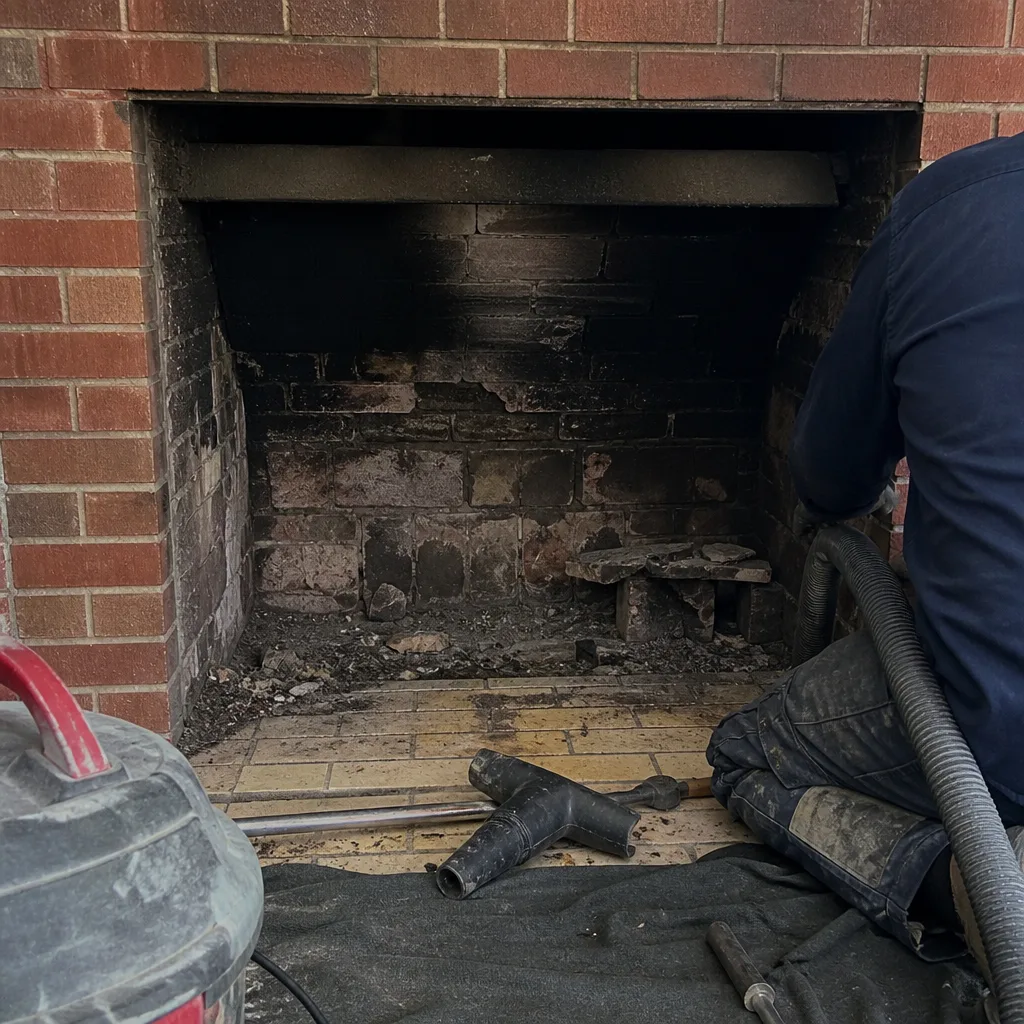 Before
 After
 Before
 After