
Last updated November 16, 2026
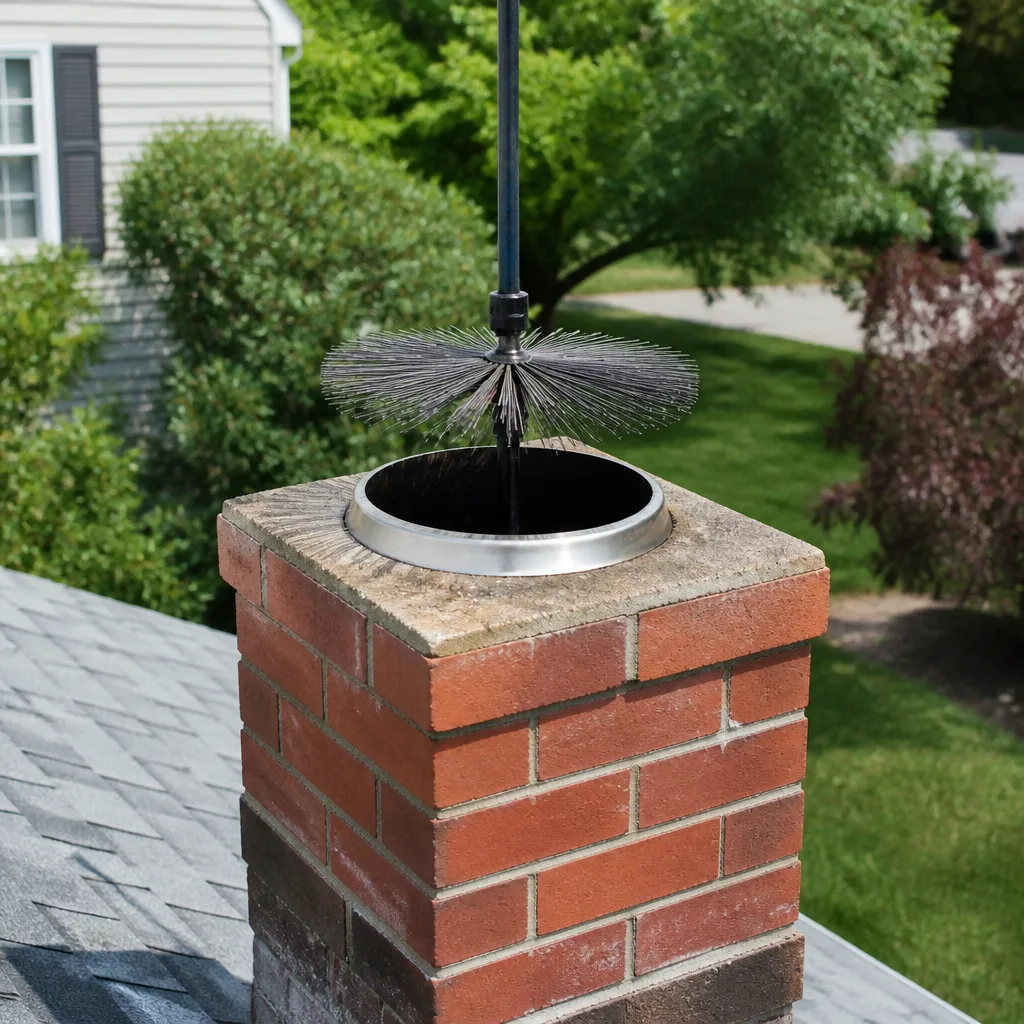 Sweep & inspection
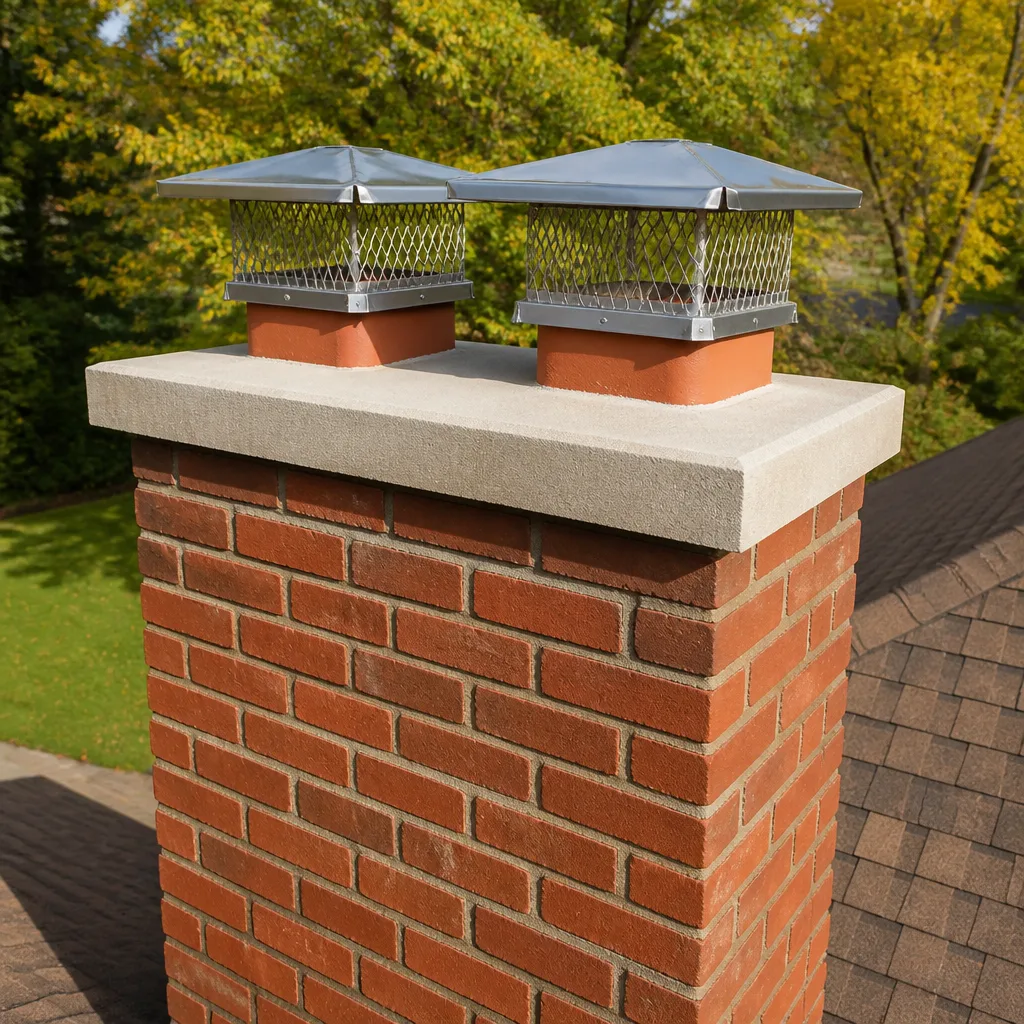 Caps & crowns
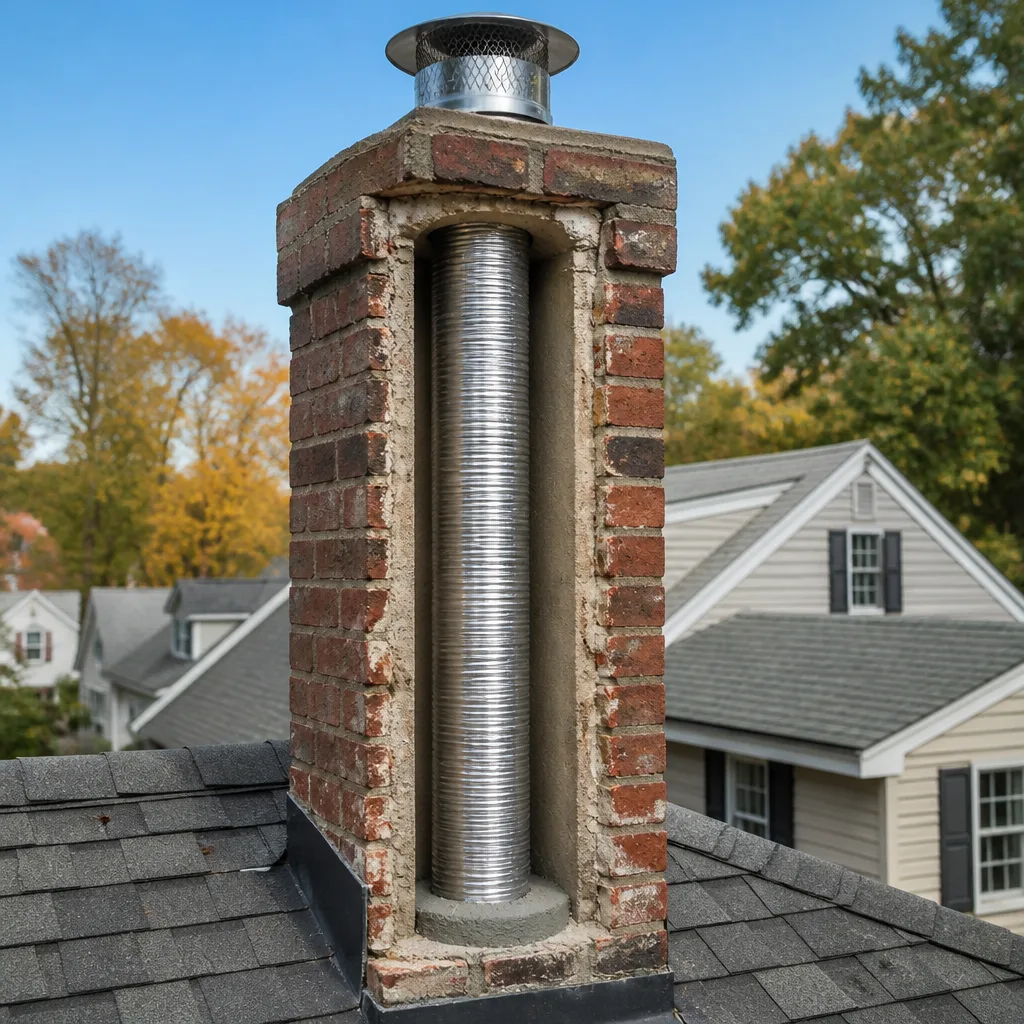 Flue relining
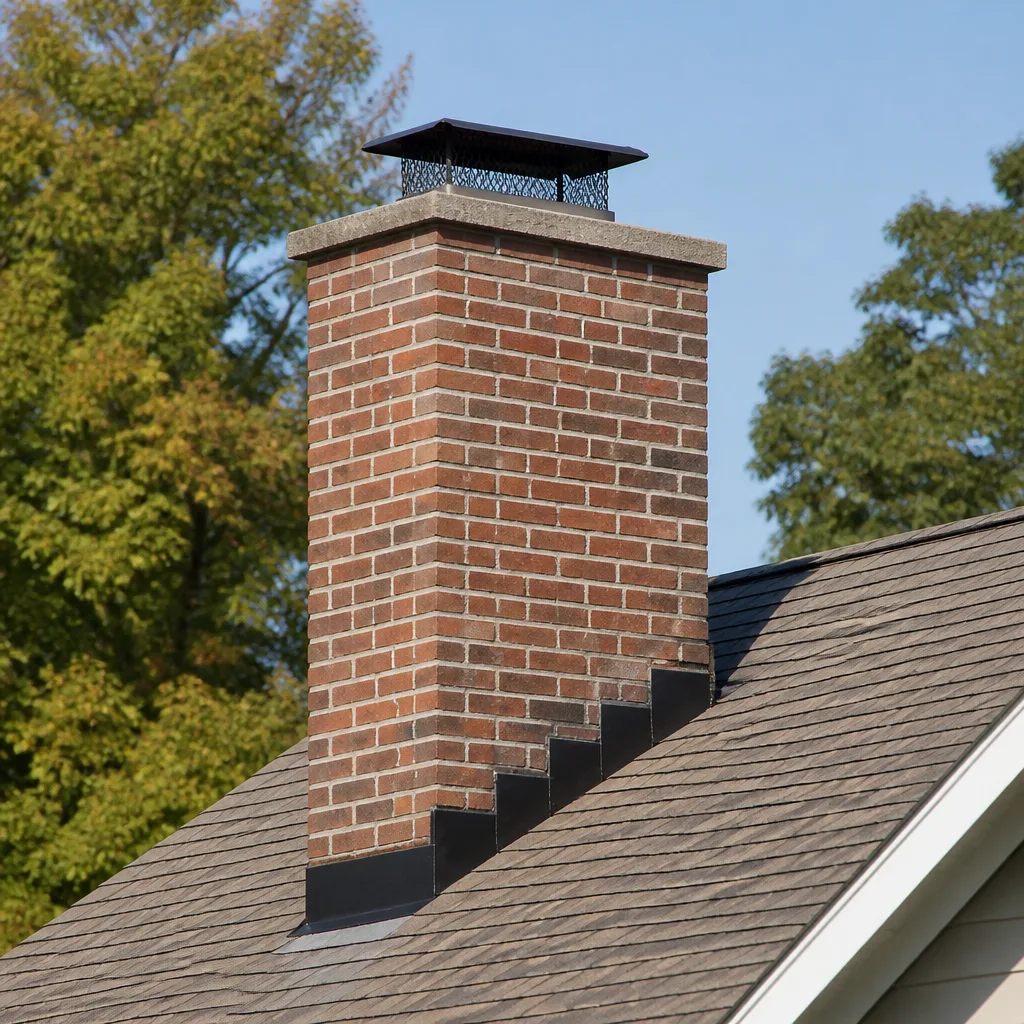 Masonry repair
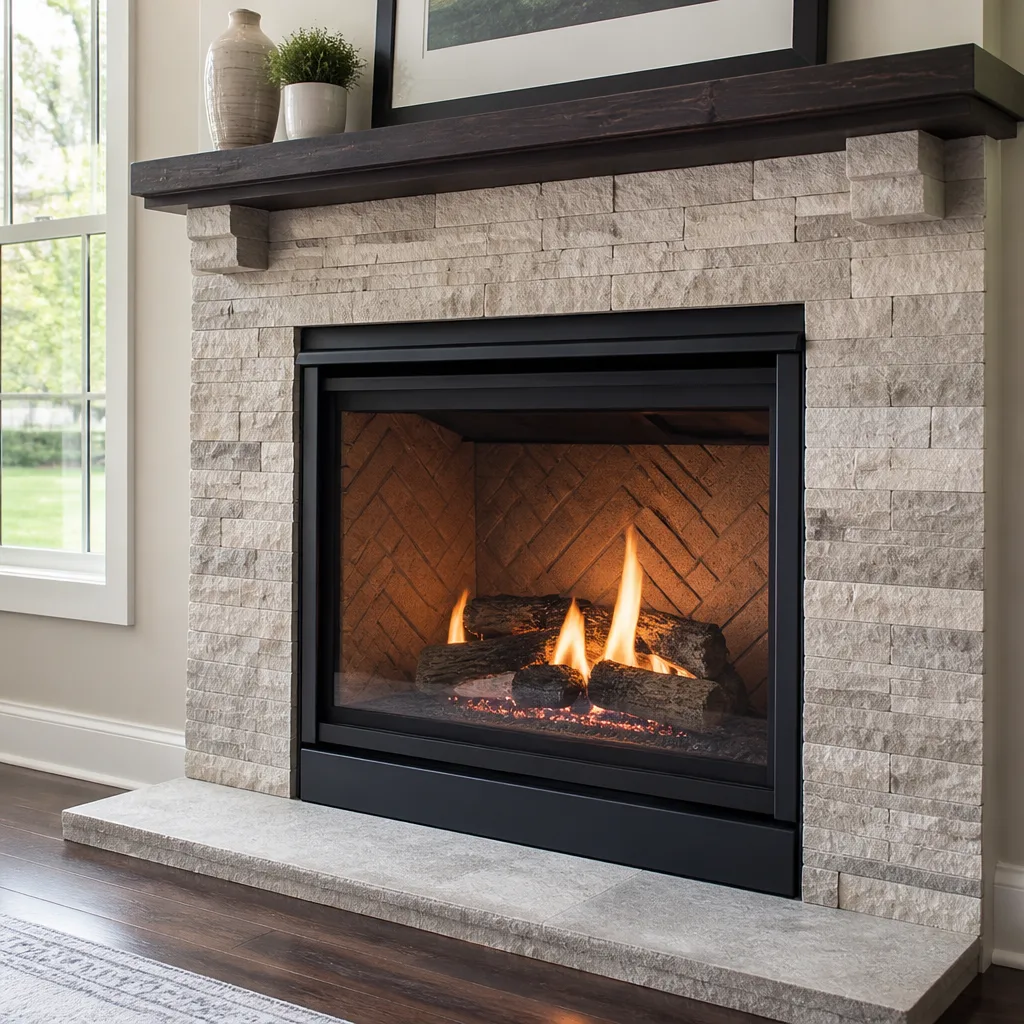 Gas fireplace service
Level 1 sweep and inspection to the NFPA 211 annual standard - flue, crown, cap, and flashing checked and photographed
Chimney sweep logs do not sweep chimneys. They loosen some creosote - which then falls where a brush and vacuum still have to collect it.
Chimney Cleaning Cost Breakdown: The Lakeland Homeowner’s Reference for 2026
The $99 chimney sweep special almost always excludes a written inspection report, camera documentation, and a cap and crown assessment. You pay for a cleaning and walk away with no record of your chimney’s condition at all. If a fire happens before the next appointment, you have nothing to show what was checked or what was found. That’s the gap this guide closes. Below we break down what chimney cleaning actually costs in Lakeland in 2026, line by line, and what each price tier buys you, what it quietly leaves out, and how to read an estimate before you agree to it.
Quick Answer
Chimney cleaning in Lakeland typically runs from about $89 for a bare-bones sweep to $400 or more for a full-service appointment that includes a Level 1 inspection, camera documentation, and a written report. A standard sweep with a written inspection generally lands between $150 and $250. The written estimate sets the final price, and the gap between the low and high end reflects real differences in scope and documentation, not padding.
Styles & brands we work with
- Sweep & inspection
- Caps & crowns
- Flue relining
- Masonry repair
- Gas fireplace service
Table of Contents
- What’s Actually Inside a Chimney Cleaning Price?
- Line-Item Costs: Sweep, Inspections, Cap, and Crown
- Prefab vs. Masonry: Why Lakeland’s New Construction Costs Differently
- How Creosote Stage Changes the Cleaning Bill
- What Drives Price Variation Between Contractors?
- The Annual Cost of Ownership Model
- How to Read a Chimney Estimate Before You Book
- Common Mistakes to Avoid
What’s Actually Inside a Chimney Cleaning Price?
A chimney sweep price is a bundle of separate steps, and the honest ones tell you which steps are included. When a company quotes $89, ask them to walk you through what happens during the visit. In our experience, the low quote usually covers one thing: brushing the flue from the firebox up. It doesn’t cover the roof, the cap, the crown, or anything written down.
A full-service appointment covers more ground, and the price reflects that:
- Setup and floor protection. Drop cloths, a HEPA vacuum running the whole time, and sealing the firebox opening so no soot escapes into the room.
- Flue brushing. The right brush for the flue type. Poly brushes for stainless liners, wire only where a masonry flue can take it.
- Firebox and smoke chamber cleaning. The smoke chamber is where creosote collects in a masonry chimney, and it takes time to reach and clean.
- Cap, crown, and flashing check. A sweep who never gets on the roof isn’t checking the parts that fail first.
- Written inspection report. A record of the flue condition, any deposits found, and photos if the level of inspection calls for it.
- Disposal. Soot and creosote removed from the property, not bagged and left on your driveway.
That list is why a $150 to $250 appointment exists alongside the $89 special. The cleaning is similar. The accountability is not. If your flue needs work later, an inspection record from before the fire is the difference between a documented condition and an argument with your insurer.
Line-Item Costs: Sweep, Inspections, Cap, and Crown
Homeowners ask us all the time whether it’s cheaper to buy services separately or bundle them. Here’s how the numbers break out.
Chimney sweep alone
Typically $89 to $200 depending on the flue length, the amount of deposit, and whether the technician has to access the roof. A bare sweep is a cleaning with no report.
Level 1 inspection
Typically $75 to $150 when it’s paired with a sweep, sometimes more if it stands alone. A Level 1 covers what’s visible from the firebox and, where accessible, the roof. It’s the right level for a chimney that’s been serviced regularly with no known problems.
Level 2 video inspection
Typically $200 to $400 plus the sweep. A camera goes up the flue and the technician records what it sees. You should ask to view the footage. This level is warranted after a chimney fire, after a change of fuel or appliance, or when you’ve moved into a home whose chimney history you don’t know. In Lakeland, a lot of homes change hands and the chimney record goes with the seller, which is why we recommend a Level 2 on any newly purchased home before the first fire.
Cap replacement
Typically $100 to $250 for the cap itself and installation. A missing or rusted cap lets rain in, which drives the flue interior toward spalling and rust. A cap is one of the least expensive items on the list, and one of the most cost-effective.
Crown repair
Typically $150 to $500 depending on the crack size and the repair method. The crown is the concrete top of a masonry chimney, and a cracked crown lets water into the structure. Crown repair is not part of a routine sweep. A company that quotes a sweep without looking at the crown isn’t protecting your chimney.
Bundled full-service appointment
Typically $250 to $400 when a sweep and a Level 1 inspection and cap and crown assessment are combined. That’s the tier that leaves you with documentation. It’s also the tier most likely to catch a problem while it’s still small.
Prefab vs. Masonry: Why Lakeland’s New Construction Costs Differently
A house built in the last couple of decades in Lakeland very often has a prefabricated fireplace with a factory-built chimney. The flue is a stainless steel liner inside a metal chase, and there is no brick above the roofline. It’s a different job than cleaning a masonry chimney, and the pricing reflects it.
The differences that show up on your invoice:
- Different tools. Poly brushes and a gentler approach for the stainless liner. Wire brushing a factory liner can score the metal. A technician working on prefab systems has to know the difference.
- Different access. Prefab chases are often against an exterior wall, and cleaning from the firebox up is the common route. Masonry flues frequently mean roof access.
- Different liner materials. When a factory liner fails, replacement means matching the appliance and the chase to a compatible liner. This is where a professional liner system like DuraFlex comes in, because it’s engineered for flexible re-lining of exactly these setups.
- Different labor time. A straightforward prefab sweep can be faster than a masonry flue with a smoke chamber. That’s one reason some Lakeland homeowners see a lower sweep price. The trade-off is that prefab chimneys need to be inspected closely for chase clearances and cap damage.
Gas fireplace systems are a third category again. They’re vented differently and the cleaning is a different procedure entirely. If you’re unsure which kind you have, the firebox will usually tell you: a prefab unit has a metal firebox, masonry has brick or refractory panels.
Our job is to know which chimney we’re working on before we quote. That’s why we ask what you’re burning and what your firebox is made of before we schedule. It’s also why we stock and specify trade brands like Olympia Chimney and Copperfield rather than relying on whatever’s on the shelf at the hardware store.
How Creosote Stage Changes the Cleaning Bill
Creosote buildup is the leading cause of chimney fires. That’s not a scare tactic; it’s the mechanism. Creosote forms when wood smoke cools against the flue and condenses. It accumulates in stages, and the stage is what determines how hard the chimney is to clean and what it costs.
The three stages, and what each one means for your bill:
- Stage 1: soot and flaky deposits. These come off with a standard mechanical brush. A sweep at this stage is usually a standard-price job. This is the stage an annual sweep catches before it progresses.
- Stage 2: hard, shiny glaze. This is where the job gets harder. Glazed creosote has a tar-like consistency and won’t brush out with a standard sweep. It can take more time, more tool passes, and often a treatment to soften the deposit before it can be removed.
- Stage 3: a thick glazed coating over much of the flue. This is the top of the scale, and it’s a significant job. Mechanical action alone is slow and can be risky without the right tooling. The technician may need to treat the deposit over multiple visits to bring it down to a level where it can be safely removed.
That’s where chemical treatments come into the invoice. Rutland Liquid Creosote Remover is the everyday example: a treatment applied to soften and condition glazed deposits so they can be removed by mechanical cleaning without damaging the flue. It’s added when the creosote is Stage 2 or Stage 3. It’s not a routine line on every invoice. Ask the technician to show you what they found before the treatment is added.
Burning dry, seasoned wood is the single best step a Lakeland homeowner can take to slow creosote accumulation. Chimneys that are swept and inspected on a regular schedule rarely reach Stage 3. Chimneys that aren’t often get there quietly.
What Drives Price Variation Between Contractors?
The spread between a $99 quote and a $400 quote is partly scope. It’s also the parts of the job the customer can’t see from the driveway. In our experience, these are the real differentiators:
- Equipment quality. A professional HEPA vacuum is a real investment and it’s the difference between soot contained and soot everywhere. The same goes for camera inspection equipment and the proper brushes for each liner type.
- Insurance coverage. A technician on your roof who isn’t properly covered is a liability that transfers to you if something falls. Ask for the certificate of insurance. It’s a good question, and it’s one a serious company will answer without hesitation.
- Documentation. Written report, photos, and records you can keep. The $99 special usually has none. That’s why the price is $99.
- Certification. A CSIA-certified technician has been tested on the standards that govern this trade. Ask whether the person coming out is certified, and which level of inspection they’re doing.
- Specialization. A chimney-only company has tools and materials built around one trade. A generalist who sweeps chimneys on the side is pricing a different, simpler service.
On that last point: we work exclusively with professional brands because of what’s at stake in your flue. Our sweeps use Gelco and Famco products, and our repair work specifies HeatShield ceramic resurfacing for liner restoration because it’s a proven, industry-recognized method for extending liner life without a full replacement. Those are the kinds of materials a professional brand list buys you, and it’s part of why the job costs what it costs. If a quote is significantly under the range above, ask what materials and what level of inspection are included.
The Annual Cost of Ownership Model
The number that matters isn’t what a sweep costs. It’s what a properly maintained chimney costs per year versus what deferred maintenance eventually costs you in repair work. Here’s how to think about the annual budget in Lakeland.
A reasonable annual budget:
- Annual sweep and Level 1 inspection: about $150 to $250 per year. This is the maintenance floor.
- Level 2 inspection every few years: about $200 to $400, or whenever the chimney changes hands, the fuel changes, or there’s been a chimney fire.
- Cap and crown look-over: included if you’re buying a full-service appointment, otherwise a small line item.
That’s a total of a few hundred dollars a year, most years, to keep the chimney in serviceable condition. That’s the number to carry in your head.
Now the other side. Deferred maintenance tends to show up as repair work: a relining project, HeatShield resurfacing work, or a crown and cap rebuild. The range on those is wide because every chimney is different, so we won’t put a number on it here. What we will say is that the repairs deferred maintenance triggers are consistently the largest items on a chimney invoice, and they’re the items an annual sweep and inspection is designed to catch before they get that big.
The full cycle of work is the reason we offer full-service chimney care: sweep, inspection, and repair through one specialist. When one team has done the sweep and the inspection, the repair decision is based on their own record of your flue, not a handoff to a second contractor who’s seeing it for the first time.
How to Read a Chimney Estimate Before You Book
An estimate is a document, and it tells you a lot about what’s coming. Here’s what to check before you agree to a booking:
- Is the inspection level named? A reputable estimate states whether you’re getting a Level 1 or a Level 2, and what the difference costs. If it doesn’t say, ask.
- Is the report in writing? A written report with photos when warranted is the minimum for a full-service appointment. Ask to see a sample report before you book.
- Are cap and crown covered? Confirm whether the technician will access the roof and assess the crown. If not, that’s a separate job and you should know it.
- Are the materials named? For any liner or repair work, the estimate should specify the product. DuraFlex for flexible relining, HeatShield for ceramic resurfacing. “Liner replacement” without a product name is an estimate you can’t compare.
- Is there a written price before work begins? The written estimate sets the final price. Confirm that nothing is added without a conversation and your approval.
- Is the technician certified and insured? Ask. A serious company expects the question.
If you’re in the market for a straightforward sweep and inspection, you can read more about our chimney sweep service and what a visit includes. If your inspection turns up a problem, the chimney repair page covers the repair side of the work. And if you want the full picture of what this company does across the trade, our Lakeland Chimney Cleaning home page is the place to start.
Common Mistakes to Avoid
- Buying a sweep with no written report. The cleaning is the same; the documentation is what protects you. A sweep without an inspection record leaves you with no evidence of the chimney’s condition if a problem shows up later.
- Skipping the roof assessment. Cap and crown failures are common in this climate and easy to miss from the ground. A sweep that never gets on the roof hasn’t checked the parts that usually fail first.
- Treating a glazed flue as a routine sweep. Stage 2 and Stage 3 creosote needs a different approach and often a treatment product. A standard sweep on a glazed flue can make a hard job look finished when it isn’t.
- Choosing a quote without naming the materials. “Liner replacement” means nothing without a product name. Ask for DuraFlex or HeatShield by name, or whatever the technician specifies, and get it in the estimate.
- Burning green or unseasoned wood. This accelerates creosote accumulation in Lakeland chimneys faster than any other single factor. Seasoned wood is a real cost saver over a few seasons.
- Putting off a newly purchased home’s first inspection. Home sales in Lakeland rarely come with a chimney record. A Level 2 inspection before the first fire is a cheap way to know what you bought.
- Assuming a generalist is cheaper. A handyman sweep can look like a bargain until a liner or crown problem turns up, and then you’re coordinating a second contractor anyway. One specialist who does the sweep, inspection, and repair sees the whole cycle.
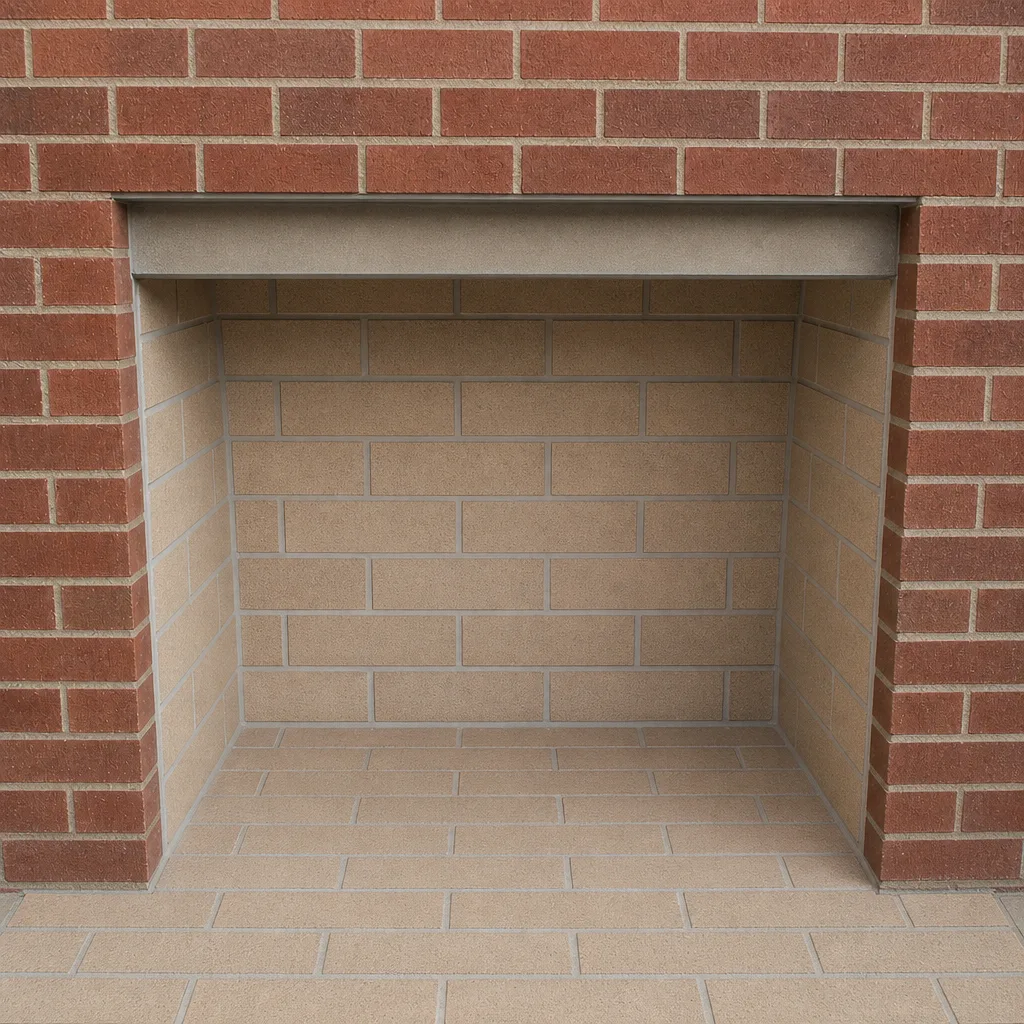
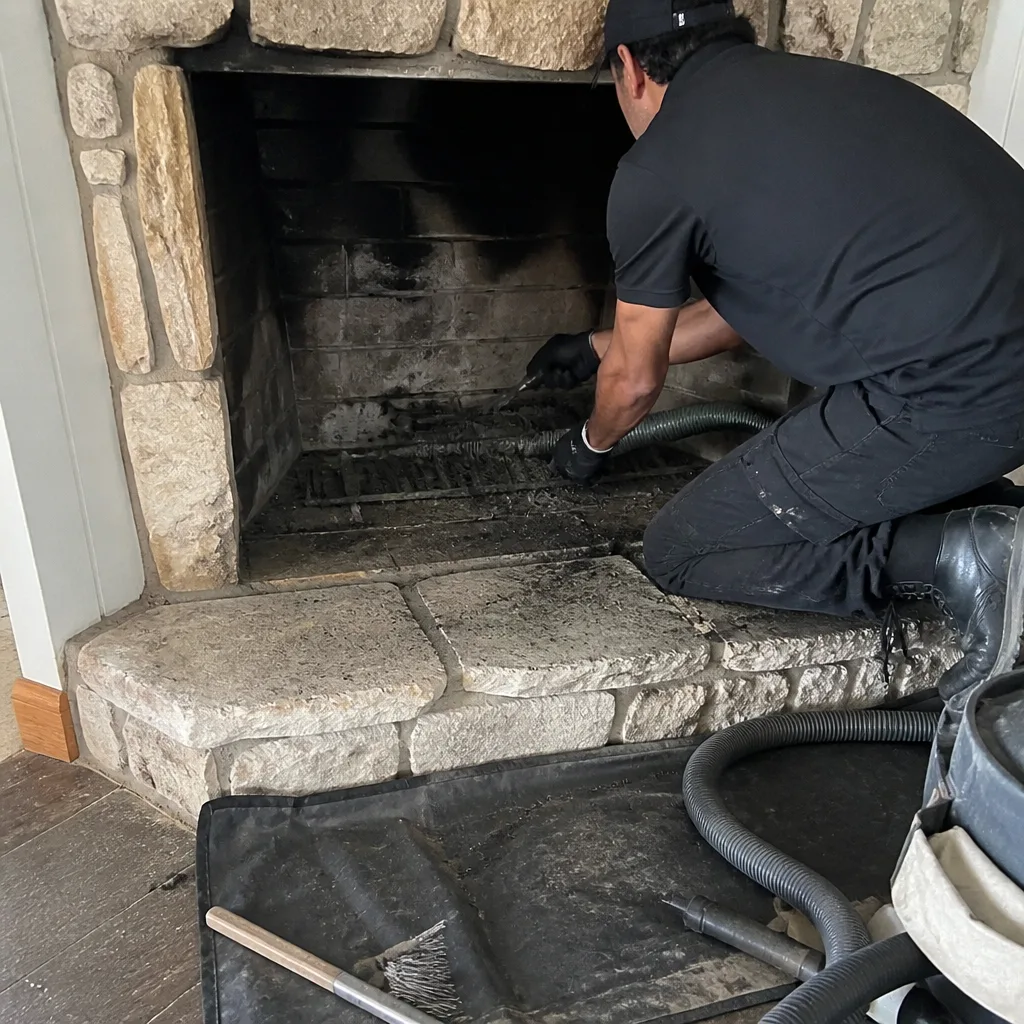
See the difference
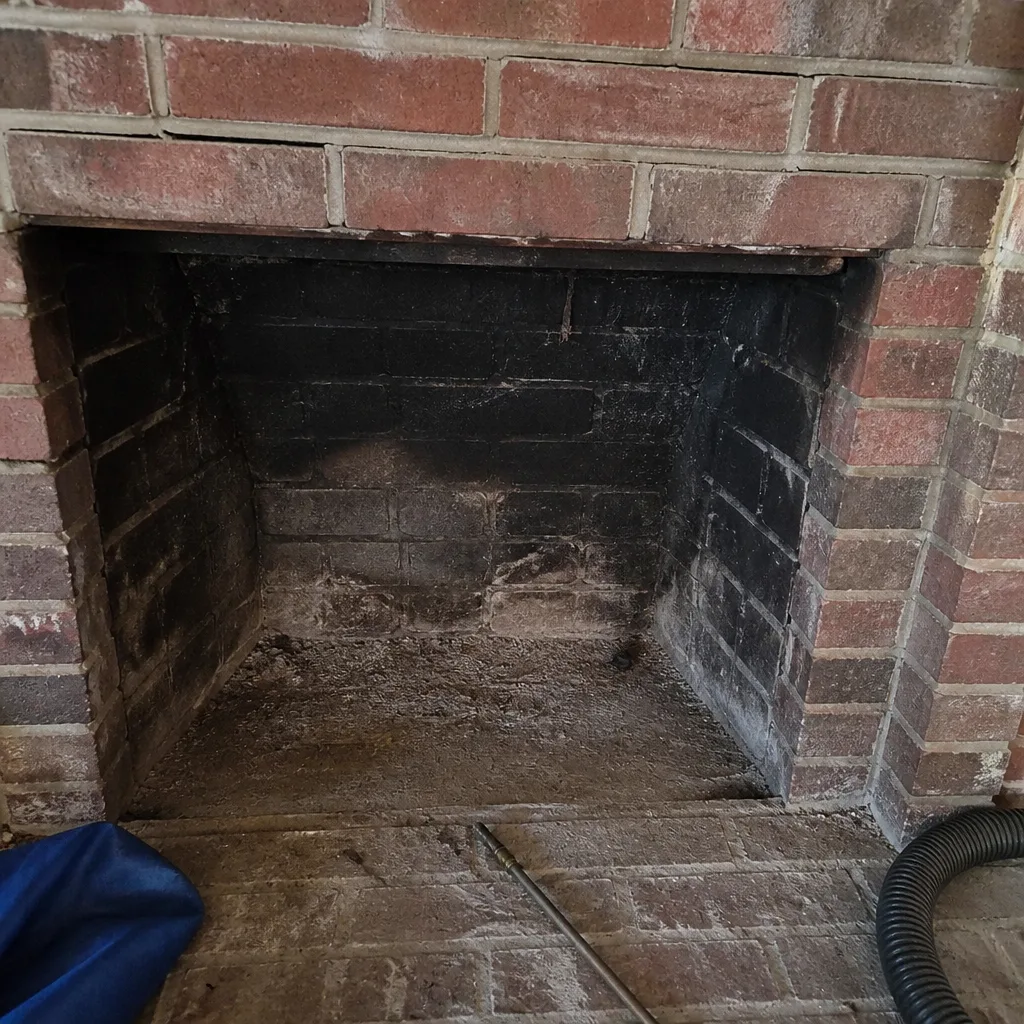 Before
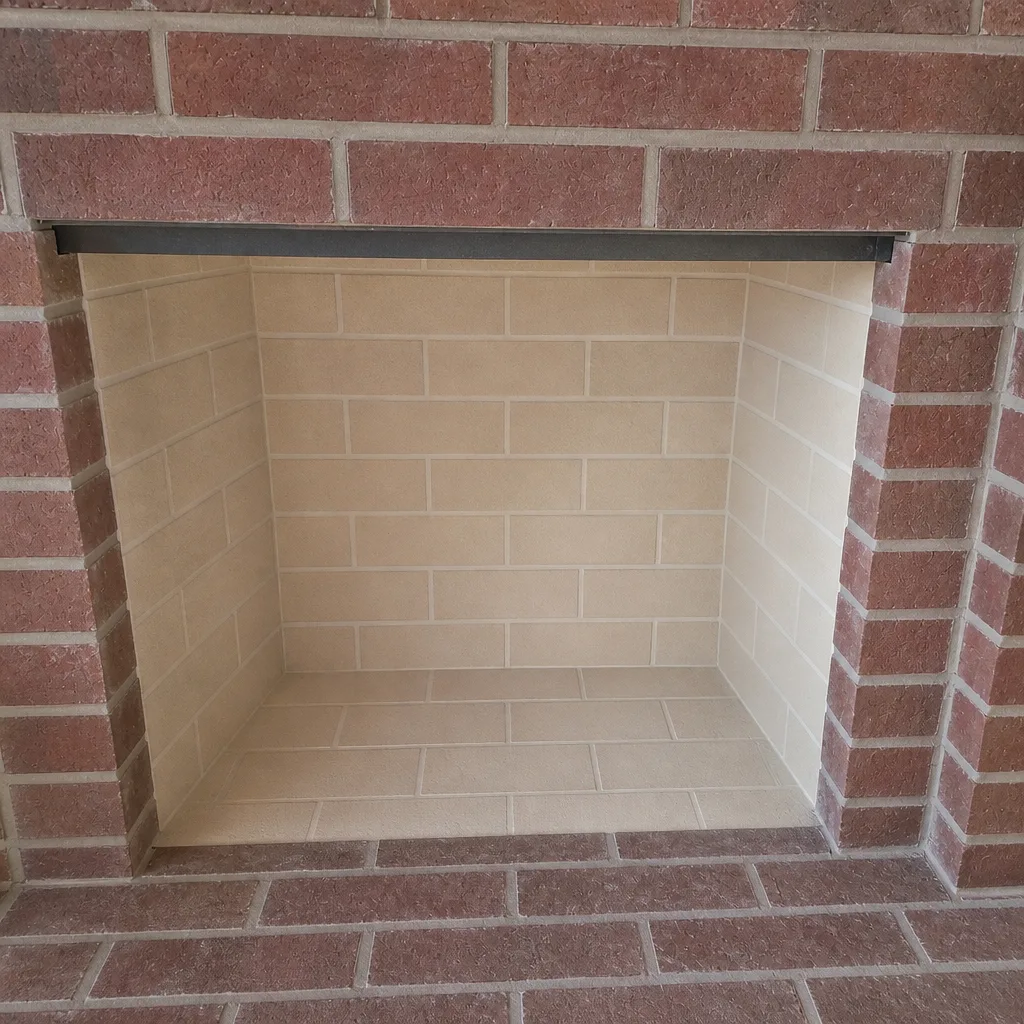 After
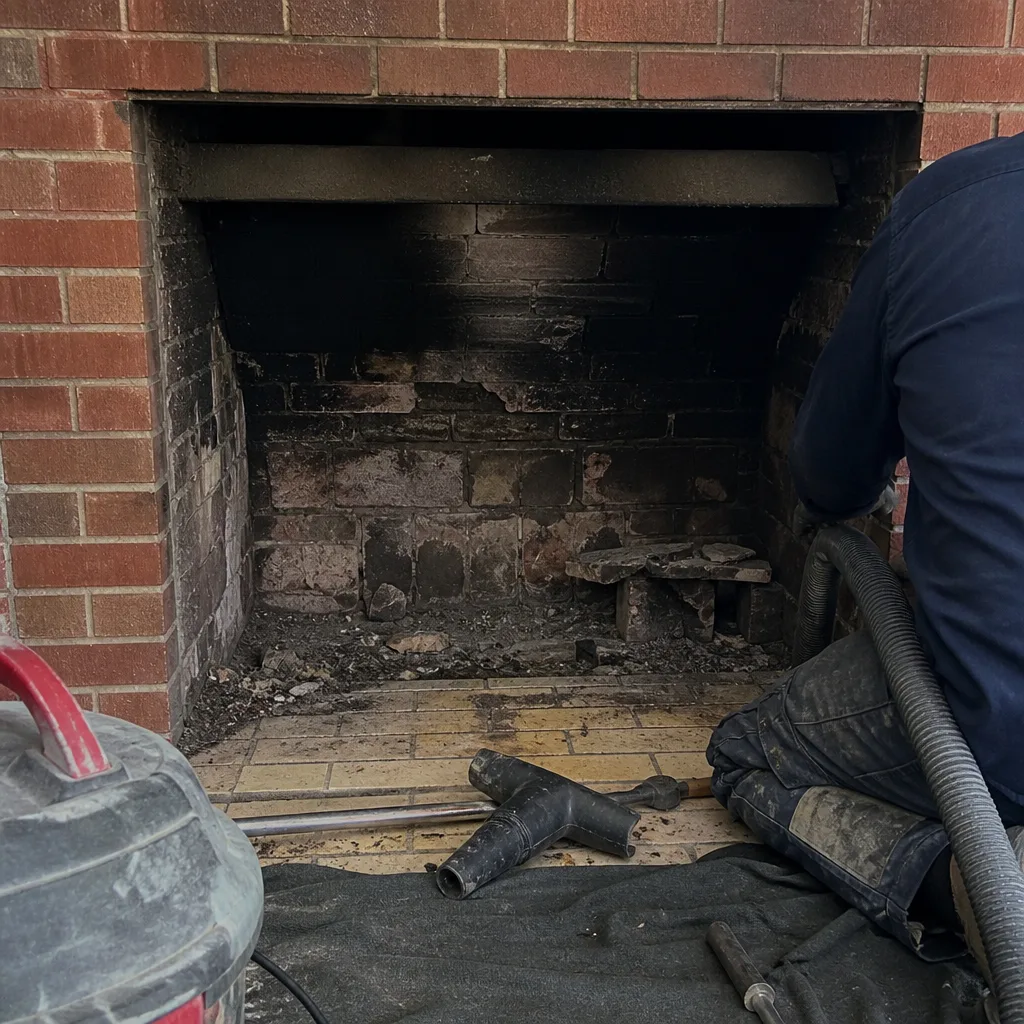 Before
 After
 Before
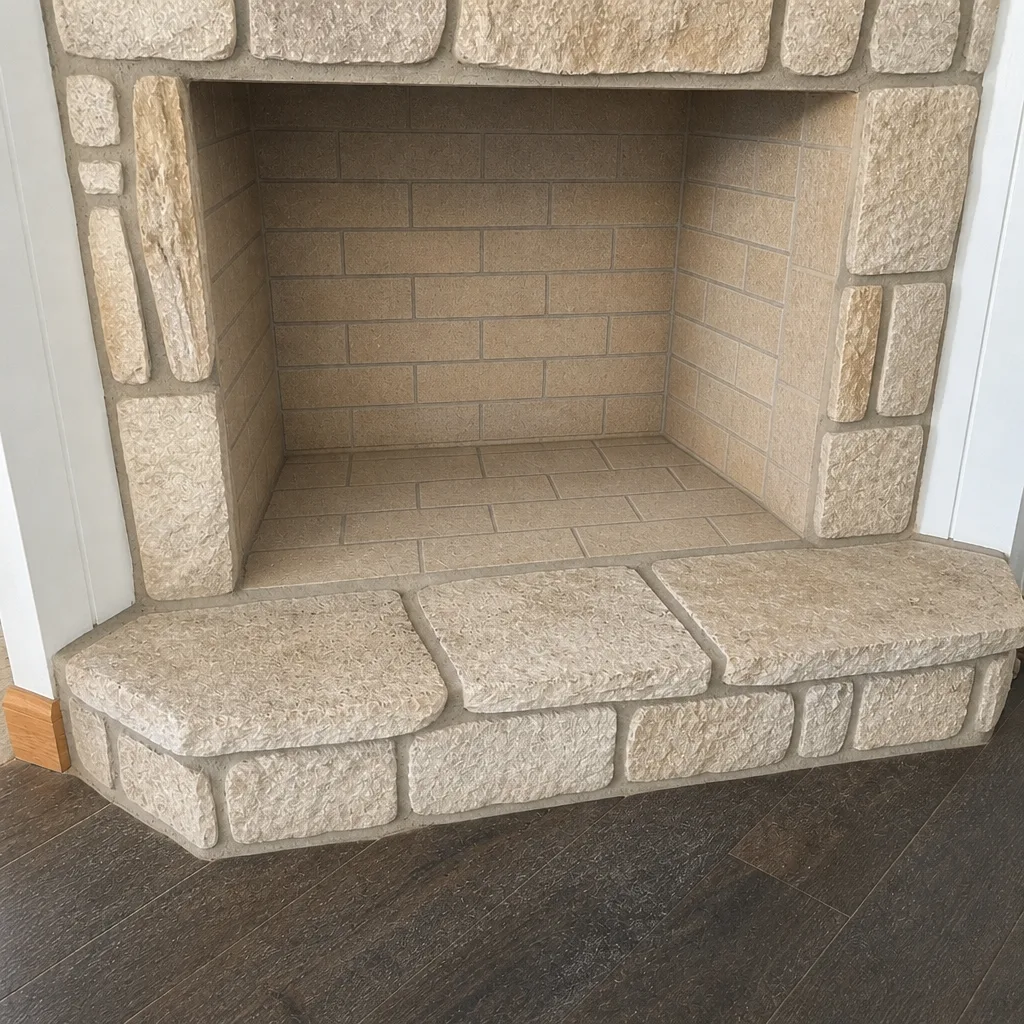 After
When to Call a Professional
Call a professional when you’ve burned a full season without a sweep, when you’ve moved into a home and don’t know the chimney’s history, when you’ve had a chimney fire or a strong burning smell, or when you see a cracked crown or a missing cap. Call when the creosote is glazed, when the damper sticks, or when a gas appliance has never been looked at. Call when you’re buying or selling a home and the chimney has no paper trail. Those are the moments when an inspection pays for itself. Lakeland Chimney Cleaning offers free estimates in Lakeland. Call (844) 410-7138. We answer 24/7. Fast dispatch from 7am to 7pm, Sunday through Friday.
Frequently Asked Questions
Chimney cleaning in Lakeland typically costs between $89 for a bare sweep and $400 or more for a full-service appointment with a written inspection. A standard sweep with a written inspection and cap and crown check generally runs $150 to $250. The written estimate sets the final price for your specific chimney. Call (844) 410-7138 for an exact quote; estimates are free.
You need a Level 2 when the chimney’s history is unknown, after a chimney fire, after a fuel change, or when you’ve purchased a home and there’s no record. A Level 1 is usually enough for a chimney that’s been serviced regularly with no problems. Ask the technician to explain which level applies to your situation before work begins. Call (844) 410-7138 to talk it through; estimates are free.
A chimney should be swept annually while it’s in use, and inspected at the same time. Chimneys that burn heavily or burn unseasoned wood may need it more often. The annual sweep is also what catches the small problems before they become repair projects. Call (844) 410-7138 to book a sweep; estimates are free.
Creosote accumulates in the flue and moves through its stages, and in the later stages it becomes hard to remove and carries real fire risk. Small crown cracks and cap failures also go unnoticed and let water into the structure. The visible result is repair work where maintenance would have been enough. Call (844) 410-7138 for an assessment; estimates are free.
Prefabricated chimneys use a stainless steel liner and a metal chase, so they need different brushes and a gentler approach than a masonry flue. Access is often easier, which can lower the sweep price, but the liner and chase need to be inspected closely for compatible replacement parts. A technician who knows the difference prices it correctly. Call (844) 410-7138 to ask about your setup; estimates are free.
No. A chemical treatment like Rutland Liquid Creosote Remover is added when the technician finds Stage 2 or Stage 3 glazed deposits that won’t come off with mechanical brushing alone. On a standard sweep of lightly soiled flue, it isn’t needed. Ask to see what was found before the treatment line is added. Call (844) 410-7138 with questions; estimates are free.
The Bottom Line
Chimney cleaning cost in Lakeland reflects scope more than it reflects price-shopping. A $89 sweep buys a cleaning. A $150 to $250 appointment buys a cleaning and a written record. A $250 to $400 appointment buys the whole picture, including the cap and crown. The line items that get left out of a cheap quote are the ones that matter when a problem shows up, and the annual budget of a few hundred dollars is the least expensive way to keep a chimney in service. Buy the inspection, not just the sweep, and get the materials named in writing.
Call Lakeland Chimney Cleaning at (844) 410-7138 for a free estimate on your chimney sweep, inspection, or repair. We answer 24/7. Fast dispatch from 7am to 7pm, Sunday through Friday. Every recommendation starts with camera evidence you can see for yourself, and we’ll tell you plainly when work can safely wait.
Written by the team at Lakeland Chimney Cleaning.