
Last updated November 16, 2026
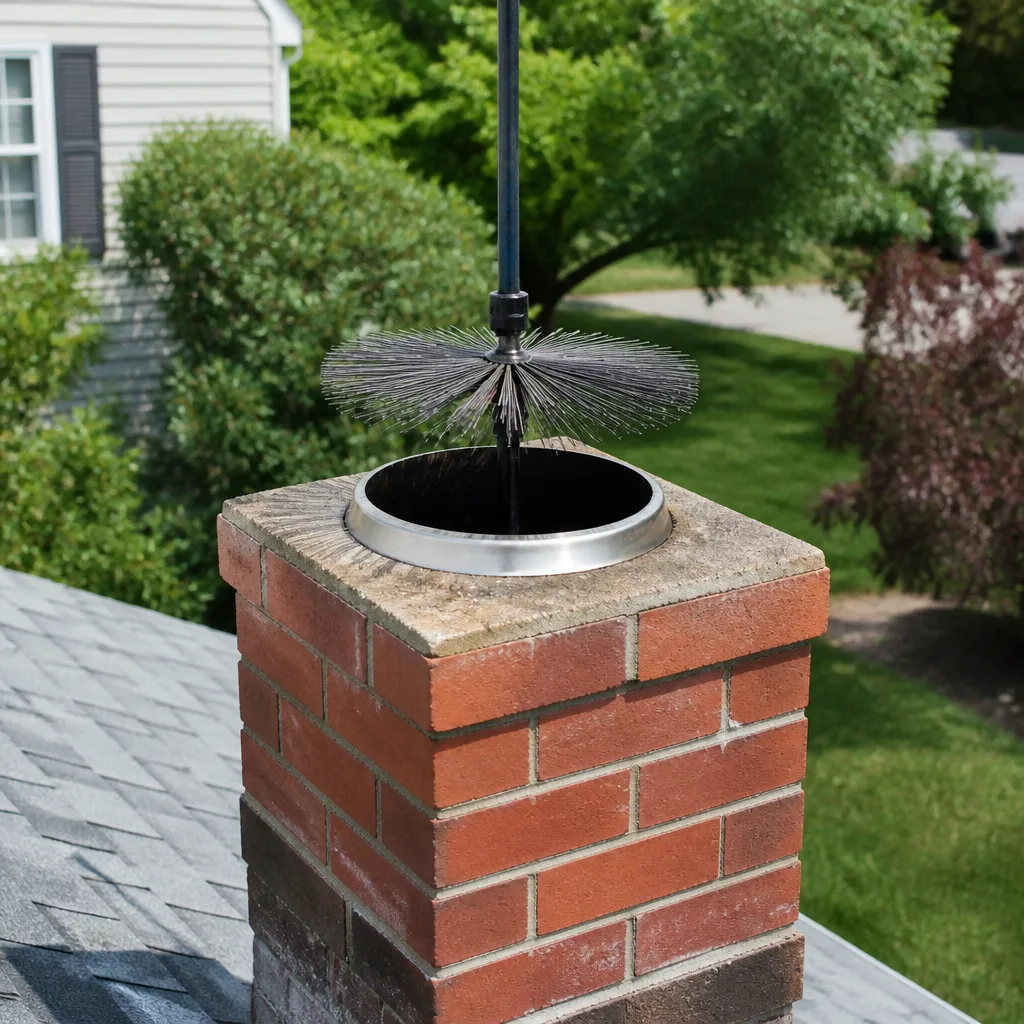 Sweep & inspection
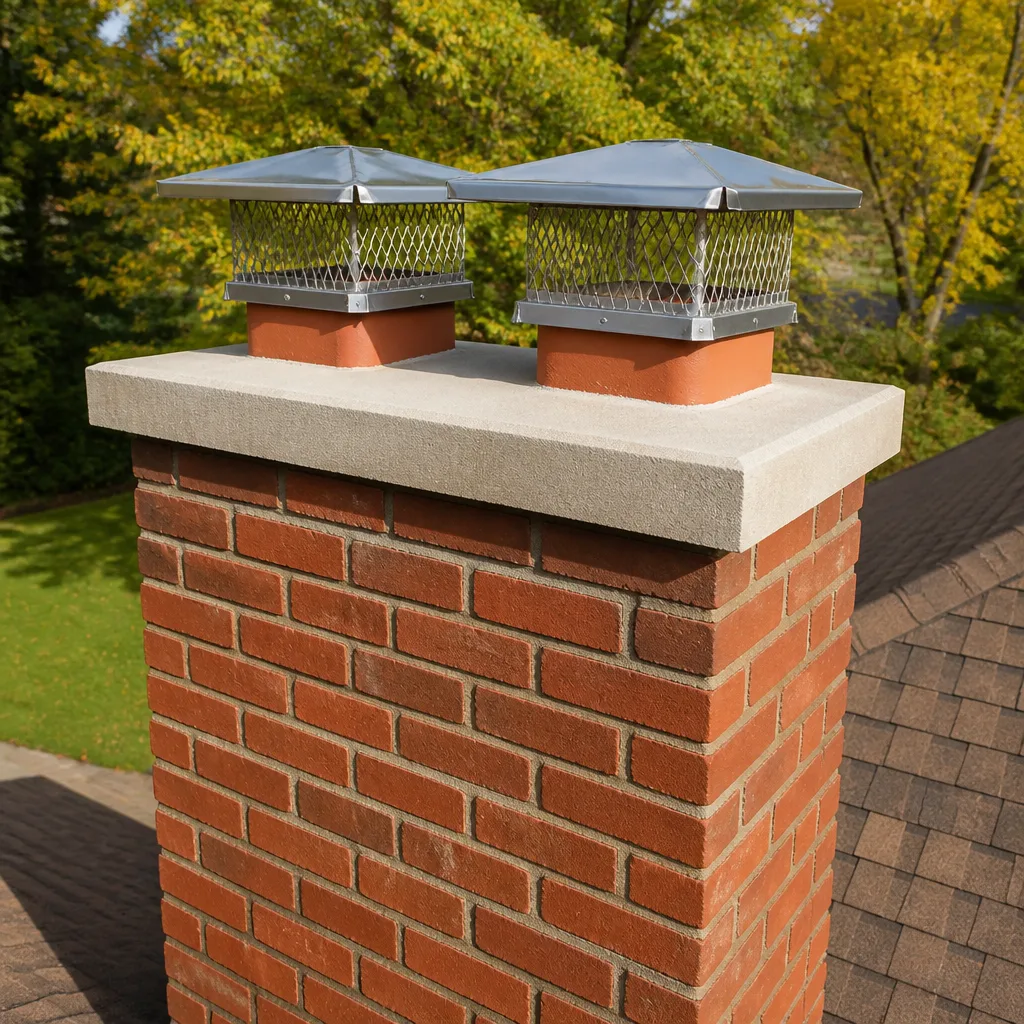 Caps & crowns
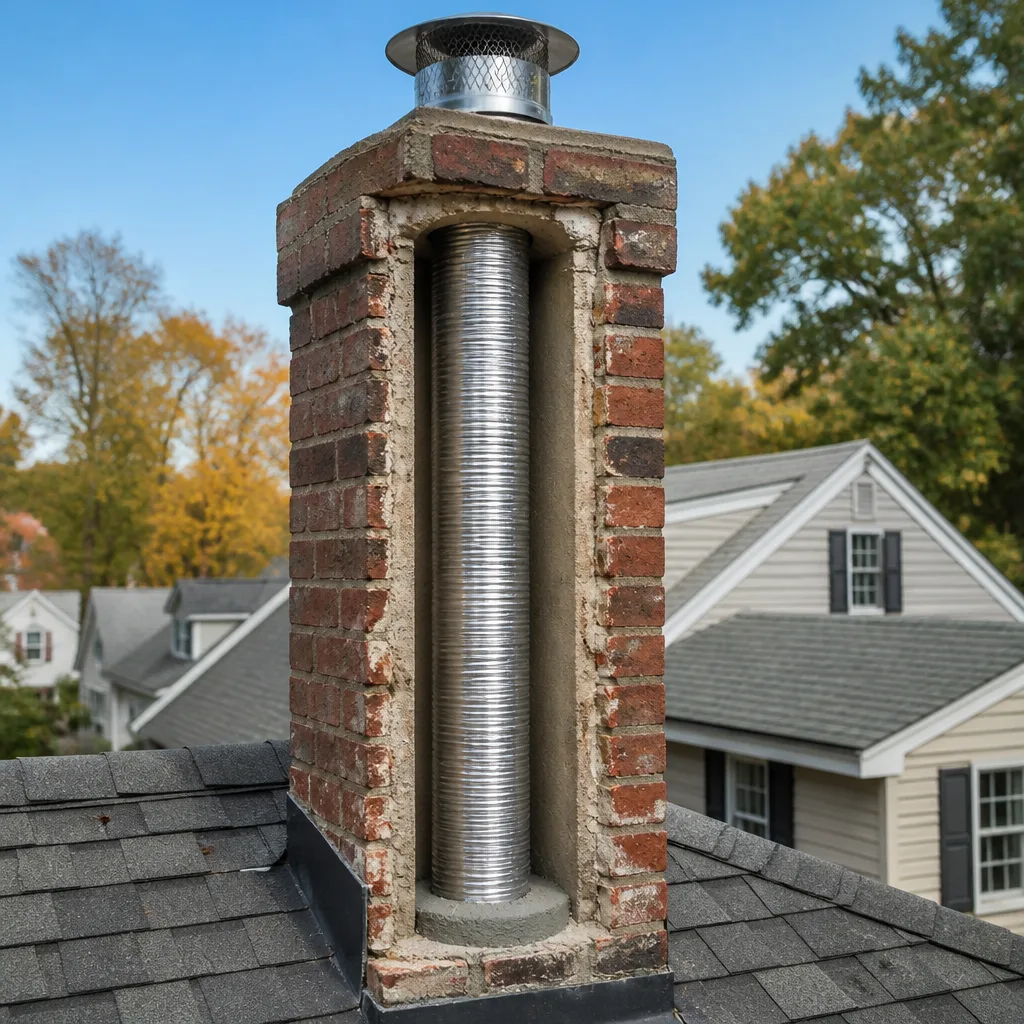 Flue relining
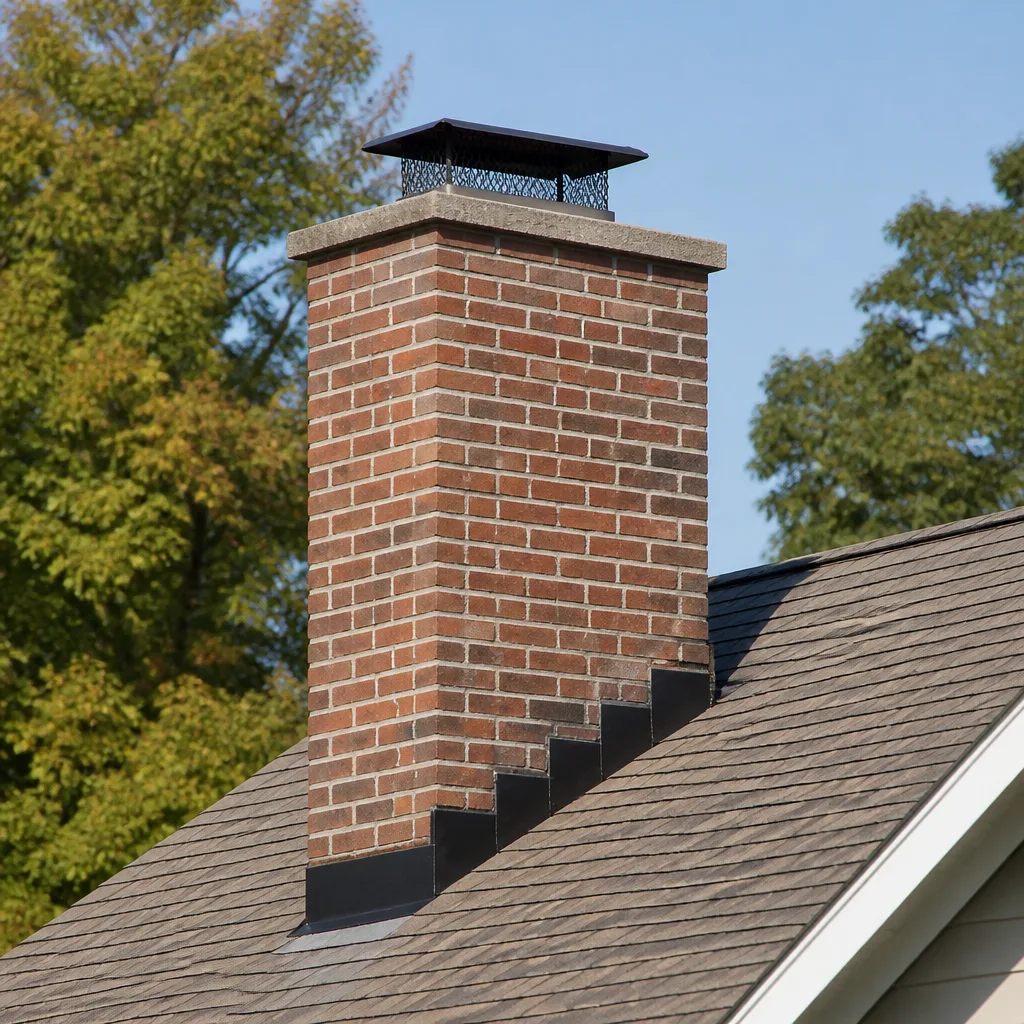 Masonry repair
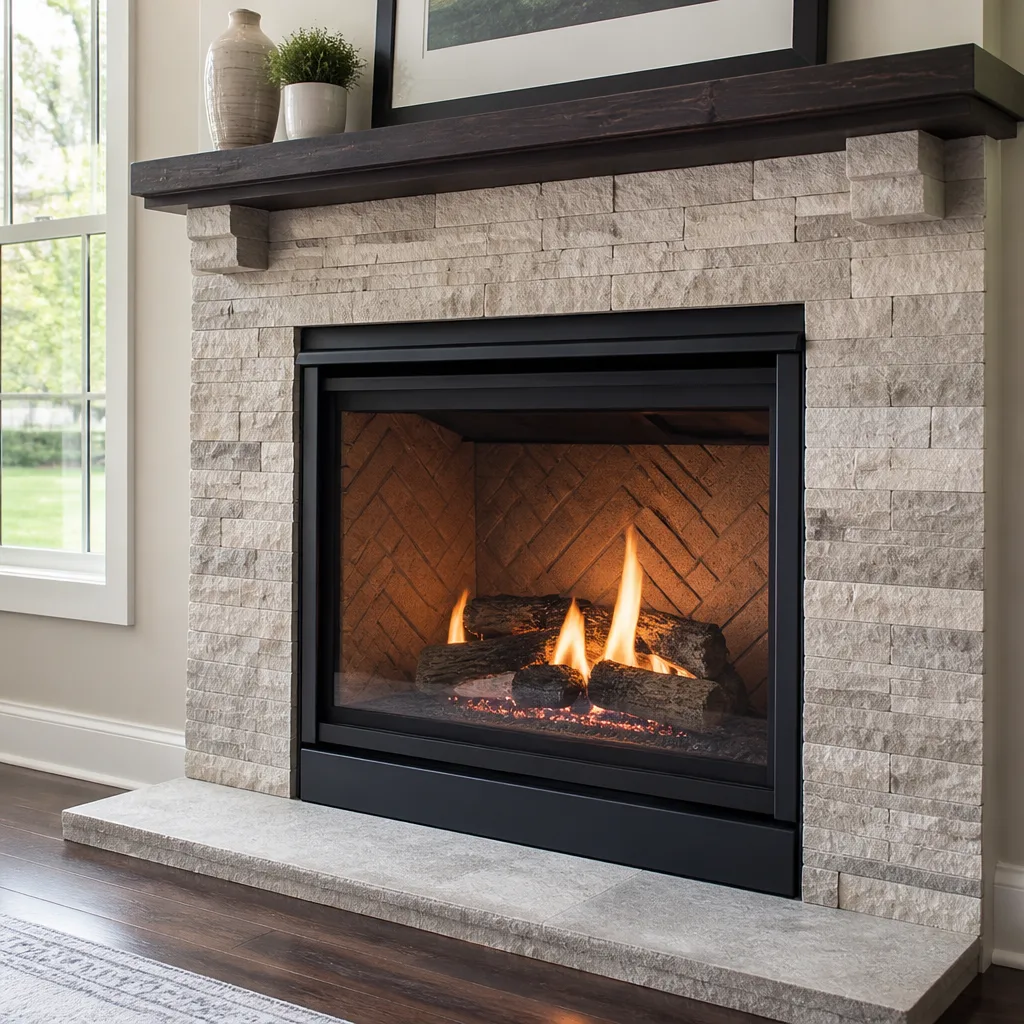 Gas fireplace service
Level 1 sweep and inspection to the NFPA 211 annual standard - flue, crown, cap, and flashing checked and photographed
Chimney sweep logs do not sweep chimneys. They loosen some creosote - which then falls where a brush and vacuum still have to collect it.
Chimney Cleaning Warning Signs: A Lakeland Homeowner’s Reference Guide
A strong campfire smell drifting from a cold fireplace in July isn’t a creosote problem. Neither is the black smudge above the mantel that looks like soot but won’t wipe off. Both get misread constantly, and both send homeowners toward a cleaning they don’t need. A campfire smell in warm weather almost always points to a draft reversal caused by a failed damper seal, working together with a stack that sits shorter than the roof features around it, a structural issue that sweeping will not touch. In the sections below you’ll find a symptom-to-component map for the smells, sounds, stains and smoke behaviors that actually matter, a distinction most write-ups blur between a deposit that can wait and glazed creosote that can’t, and the warning signs worth a same-week call here in Lakeland. Our technicians have up to experience inspecting and cleaning chimneys, and they’ll tell you when the honest answer is “not yet.”
Quick Answer
The warning signs that actually need a chimney sweep’s attention are these: glazed, tar-like creosote on the flue walls, brown or rust-colored staining at the ceiling near the firebox surround, white mineral bloom on exterior brick, a damper that no longer seals, and smoke that rolls into the room rather than rising. A musty smell from a cold fireplace or light soot dusting the firebox is usually harmless between annual cleanings. The key is matching each symptom to a component, because a failed damper, a leaking crown and a clogged flue each need a different repair.
Styles & brands we work with
- Sweep & inspection
- Caps & crowns
- Flue relining
- Masonry repair
- Gas fireplace service
Table of Contents
- Symptom-to-Component Map: What Each Warning Sign Actually Points To
- The Four Chimney Smells and What Each One Means
- White Staining on Brick: Efflorescence or Mold?
- Brown Ceiling Stains Near the Firebox: Flashing vs. Crown
- Stage 1, 2 or 3: Reading Glazed Creosote Buildup
- Sounds From the Chimney: Gurgling, Ticking, Whistling
- Same-Week Service vs. Document and Wait for the Annual Cleaning
- What Lakeland’s Climate and Housing Mean for Chimney Wear
Symptom-to-Component Map: What Each Warning Sign Actually Points To
Most chimney warning-sign guides list “unusual smells” and “smoke problems” and stop there. That leaves a homeowner unable to say anything more specific than “something’s wrong.” A chimney is a small set of distinct parts, and each failure produces a fairly predictable symptom. Once you can name the part, you can talk to a contractor without being sold work you didn’t ask for.
Here is the mapping we walk homeowners through on every chimney sweep across Lakeland:
- Campfire smell from a cold fireplace in warm weather points to a damper seal and, secondarily, to stack height relative to nearby rooflines. This is structural, not a soot buildup issue.
- White, chalky bloom on exterior brick points to water migrating through masonry and depositing mineral salts at the surface. It is a moisture-and-mortar problem, not mold.
- Brown or rust-colored stains on the ceiling or wall near the firebox surround points to either flashing at the roofline or a cracked crown at the top of the chimney. Which one depends on where the stain appears relative to the wall.
- Smoke rolling out of the firebox opening points to a blocked flue, a flue that’s undersized for the firebox, or a stack too short for the roof geometry.
- A ticking or creaking sound coming from the chimney on a cold start points to metal liner components expanding against the masonry as they warm. Some of that is normal.
- Rust flakes inside the firebox points to a rusted damper, firebox assembly, or the top of a metal liner that’s been exposed to water ingress.
Each of those is a different repair. A cleaning fixes one of them. The others need a damper adjustment, masonry and crown repair, flashing work, or liner resurfacing. This is exactly why we run a camera inspection as part of every service rather than sweeping and leaving a note.
The Four Chimney Smells and What Each One Means
Chimney smells are not one problem. They fall into four categories, and each category corresponds to a different failure mode. Get the category wrong and you’ll pay for the wrong service.
1. Campfire smell in warm weather, from a fireplace you haven’t used in months
This is the most-misdiagnosed chimney smell in Lakeland. It is almost never creosote. The firebox has been closed up, the damper seal has degraded enough that a small gap opens, and the stack is shorter than the roof features around it. Warm air outside pushes down, cooler air inside the house flows out through the firebox, and you smell the fireplace. Cleaning won’t fix it. A properly fitted damper, or in some cases a stack extension, will.
2. Creosote smell: sharp, tarry, and only present during or shortly after burning
This one is real creosote. A wood fire emits unburned organic compounds that condense on the cooler upper flue, and the sharp smell means the deposit is active. If the smell is strong even after the fire goes out, you may be at stage 2 and approaching stage 3, which we cover below.
3. Musty, humid, basement-like smell
A damp, musty smell from a cold fireplace points to water coming in from above, usually at the crown, the flashing, or an uncapped flue. It’s a leak, not a burning problem, and it will damage masonry if left alone through a wet season.
4. Gas smell from a gas fireplace or gas log set
Any distinct gas odor means you should stop using the appliance and treat it as an emergency. Gas leaks are not a cleaning item. Ventilation problems from a clogged flue can also produce a faint burnt or chemical smell when a gas appliance runs, and that also belongs in front of a professional, not on a to-do list.
White Staining on Brick: Efflorescence or Mold?
White staining on exterior chimney brick is one of the two most commonly misidentified chimney warning signs. It shows up in Lakeland on the outside of masonry stacks, and homeowners assume mold. In the overwhelming majority of cases, it is efflorescence: mineral salts carried to the surface by moisture that has worked its way into the masonry and then dried. Efflorescence is powdery, dissolves in a drop of water, and crumbles if you rub it. Mold is usually darker, often green or black, smears rather than powders, and grows in a patchy pattern that follows humidity rather than the joints of the brick. Testing with a drop of water and a fingertip is enough to tell them apart without a lab.
The reason this matters:
- If it’s mold, the source is likely interior moisture from a wet firebox or a leaking chimney chase that has stayed damp in a humid climate. That’s a venting and water-intrusion problem, and the fix usually involves opening up the chase and finding where water is entering.
- If it’s efflorescence, the mortar is the problem. Salts are leached from the mortar as water moves through the joints and dries on the surface of the brick. The fix is pointing, sealing and correcting the water path above.
- Treating efflorescence as mold leads to killing surface growth that doesn’t exist while the actual water intrusion keeps eating mortar joints season after season.
- Treating mold as efflorescence leads to washing the brick and ignoring an active interior leak that will eventually rot out framing behind the chimney chase.
When we inspect a chimney, we check the exterior masonry on every service call, not just when a homeowner calls about staining. Lakeland’s humidity and afternoon storms mean masonry stays wet longer than it would in a dry climate, so a chimney that looks fine in a dry month can show efflorescence quickly after a wet one. If we find staining, we tell you which it is and why, and what the fix actually involves.
Brown Ceiling Stains Near the Firebox: Flashing vs. Crown
A brown, rust-colored or tea-colored stain on the ceiling or interior wall near the firebox surround is a classic chimney warning sign, and it is the one where you most often see two different trades give two different diagnoses. Roofers tend to read it as flashing. Chimney specialists tend to read it as crown failure or chase water. Both can be right, and you need to know which one you’re looking at before you pay for a repair.
Here is the distinguishing question:
- Where is the stain relative to the chimney chase? A stain that appears immediately adjacent to the chimney box on the ceiling, or on the interior wall that boxes the chimney, points upward to the crown or the top of the chase. Water enters from above, runs down the outside of the flue inside the chase, and shows up at the nearest interior surface at the base of the chase.
- Where is the stain relative to the roof plane? A stain that appears displaced from the chimney chase, out onto the ceiling in the room but not directly against the wall, more often traces back to roof flashing, the apron at the base of the chimney, or a step flashing failure where the roof meets the chase.
- Is the stain present in the fall or spring rain pattern, or is it year-round? Lakeland’s wet season concentrates chimney-stain sightings. A stain that appears or worsens dramatically during the summer storms is more consistent with a flashing or crown leak than with condensation.
The reason roofers and chimney specialists disagree is that each is trained to look at their side of the problem first. Our view is simple: the interior stain is the same water showing up in the same place. We inspect the crown, the flue cap, the flashing interface, and the interior of the chase with a camera so the diagnosis is based on what’s actually leaking, not on which trade saw it first. If the flashing is the issue, we tell you so and you can call a roofer. If it’s the crown, that’s a chimney repair we handle.
Stage 1, 2 or 3: Reading Glazed Creosote Buildup
Creosote builds in three recognizable stages, and the difference between a deposit that can wait for your scheduled appointment and one that needs attention this week is a lot easier to see than most guides admit. Here is how to read it.
Stage 1: Soot and light fluff
Stage 1 creosote is dark, fluffy, and comes off with a sweep brush. It’s the normal byproduct of wood burning, and it’s what you get from a reasonably well-burning fire in a reasonably well-drafted flue. A light stage 1 deposit can wait for your next scheduled cleaning. If the last cleaning was recent and someone has been burning well-seasoned hardwood with proper air supply, this is what accumulates, and it is not urgent on its own.
Stage 2: Black flakes and a slightly sticky surface
Stage 2 creosote is darker, forms flakes, and has a slightly tacky surface, especially on the upper flue walls where the smoke cools. You can see it if you look up into the flue with a light. Stage 2 deposits call for a professional sweep using the right tools (a poly brush won’t cut it on tacky deposits, which is why we use trade-grade brushes from Olympia Chimney and Gelco), and once you’re at stage 2 the schedule compresses from “next annual cleaning” to “schedule the sweep.”
Stage 3: Glazed, tar-like, and the one that can’t wait
Stage 3 creosote is what earns the term “glazed” – it looks like a shiny, tar-coated lining on the flue wall, and it catches light like the residue on the inside of a well-used smoker. You can sometimes hear it as a crackling or popping sound on a fresh burn, because the glazed layer is burning back against the masonry. Glazed creosote needs to be removed with a rotary method and, depending on the condition of the liner underneath, refinished with a product like chimney repair materials such as HeatShield ceramic resurfacing, which restores the liner surface without a full replacement.
The clearest way to remember it: stage 1 is a to-do, stage 2 is a this-month, stage 3 is a this-week or don’t-burn-until-it’s-done. If you can see that glazed shine on the flue interior, call and get it on a schedule before the next burn.
Sounds From the Chimney: Gurgling, Ticking, Whistling
Chimneys talk. Most of the sounds are harmless, but a few are worth acting on. Here’s the read on each.
- Ticking or creaking on a cold start. Metal liner components expand as the flue heats and the masonry resists. Some version of this is normal, especially with a flexible metal liner system like DuraFlex. The exception is if the ticking happens after the fire has been burning steadily for an hour, which points to a liner component that’s loose against the masonry.
- Gurgling or a faint running-water sound. This points to a leak high in the flue, sometimes at the cap or the crown, with water finding its way down the liner. It should be investigated.
- Whistling on a strong draft. Usually the sign of a damper that’s not fully open or a flue that’s slightly undersized for the firebox. It’s a drafting issue, not a structural failure, but it costs efficiency and can lead to smoke rollout.
- Popping or crackling from the flue walls, distinct from the fire itself. This is the sound of glazed creosote reacting, and it is the one to treat as a same-week item.
- Loud rumbling or a roar that cuts off. A chimney fire can sound like a freight train, and it can sound like nothing at all once it goes out. If you’ve heard anything unusual, treat it as a reason to get inspected.
Sounds are the hardest symptom to interpret over the phone, and they are the reason we recommend a full inspection rather than a phone diagnosis for anything persistent. The important distinction is timing: sounds that show up during and immediately after a cold start are usually thermal. Sounds that appear at the peak of a fire, or that continue long after, are the ones worth a look.
Same-Week Service vs. Document and Wait for the Annual Cleaning
One of the most useful things a homeowner can do is sort warning signs into two lists: those that should be resolved this week, and those that should be written down and addressed at the regular service. Here is our split. Nothing on the “wait” list should be ignored, and the documentation matters – we want a written record of what was seen and when.
Same-week service
- Glazed (stage 3) creosote visible on the flue walls, whether or not there has been a fire. Don’t burn in the appliance until it’s been addressed.
- Smoke that rolls into the room on light-up even with the damper fully open, because that is an active drafting failure.
- A smoky, chemical or gas smell from a gas appliance or gas log set. Shut it off and call.
- Active water intrusion with staining that has appeared or clearly worsened within the past few weeks. Water moves fast through masonry, and the sooner it’s stopped the less to repair.
- Visible cracks or crumbling on the crown or the top few courses of the exterior stack. A failing crown leads to a failing flue liner.
- Any evidence of a chimney fire, past or present, including a loud roaring sound, a burst of dark smoke, or creosote that has visibly changed appearance.
Document and wait for the annual cleaning
- Light stage 1 soot. Note it and let the scheduled sweep handle it.
- A mild campfire smell from a cold, unused fireplace in warm weather, if there is no smoke rollout. This usually points to a damper seal, and it can be addressed at the next service.
- Efflorescence on exterior brick with no interior staining and no visible interior water intrusion. Document it, watch it after the next rain, and address it as part of the next inspection.
- Occasional ticking on cold starts. Note it and describe it to the technician.
- A damper that sticks slightly but still seals fully closed. Include it on the service ticket even though it isn’t urgent.
What Lakeland’s Climate and Housing Mean for Chimney Wear
Lakeland sits in a climate where the chimney’s biggest enemies aren’t the winter burning season. They’re the other nine months. The wet season between roughly June and September soaks masonry stacks, then the cooler, drier months dry them out, and that cycle repeats every year. What looks like a slow degradation of mortar joints and a crown that “just wore out” is often the visible end of many wet-dry cycles.
Three practical consequences for homeowners in neighborhoods like Dixieland, Lake Morton, and the historic districts around downtown:
- Water intrusion shows up faster than the burning season suggests. A cracked crown or a failed flashing can leak for two wet seasons before the interior stain is obvious. Documenting ceiling staining with a date is more useful than fixing it after the fact.
- Older brick chimneys with soft mortar – common in the older housing stock around Lakeland’s core – need repointing sooner than the homes built in newer subdivisions. Efflorescence on the exterior is often the first visible clue.
- Gas fireplaces and vented gas logs in newer Lakeland homes need the same venting check as wood-burning appliances. The deposits differ, but the risk of a blockage or a venting failure is the same, and it’s easy to skip because there’s no ash to notice.
We work on chimney systems across Lakeland, from older downtown homes to newer construction where a gas appliance is the primary fire. The symptom map above applies everywhere; the timeline and the repairs that are most likely shift with the age and type of the home.
Common Mistakes to Avoid
- Assuming every smell is creosote. A summer campfire smell from a cold fireplace is usually a damper seal and stack height problem. A sweep won’t touch it, and paying for a sweep that doesn’t fix the smell wastes the visit.
- Washing off white brick bloom and calling it done. If it’s efflorescence, the water path is still open. Washing the surface without addressing the crown or flashing means the bloom returns, and next time it brings more mortar with it.
- Blaming the roofer for a stain the chimney actually caused. Interior ceiling stains near the chimney chase are often crown or chase-related, not roof flashing. Getting a chimney specialist’s read first saves re-roofing work you may not need.
- Burning in the fireplace to “test” a suspected creosote problem. Each burn adds to a glazed deposit. If you can see glazed creosote, the right move is a call, not a test fire.
- Skipping the inspection because the sweep was done. A sweep cleans the flue. The inspection is what finds the cracked crown, the failing damper, or the start of a liner problem. In Lakeland’s wet climate, inspecting once a year is what keeps the chimney in service rather than in repair.
- Hiring a general handyman to install a liner. Flexible liner systems like DuraFlex and ceramic resurfacing products like HeatShield have specific application requirements, and the trade-level suppliers we buy from (Olympia Chimney, Gelco, Famco, Copperfield) supply to professionals for a reason. A generic part from a big-box retailer may not be the right specification for your flue.
- Ignoring a smoke smell on the chimney exterior. Smoke moving through the outside of the stack points to a masonry or liner breach. Treat it as a same-week call.
See the difference
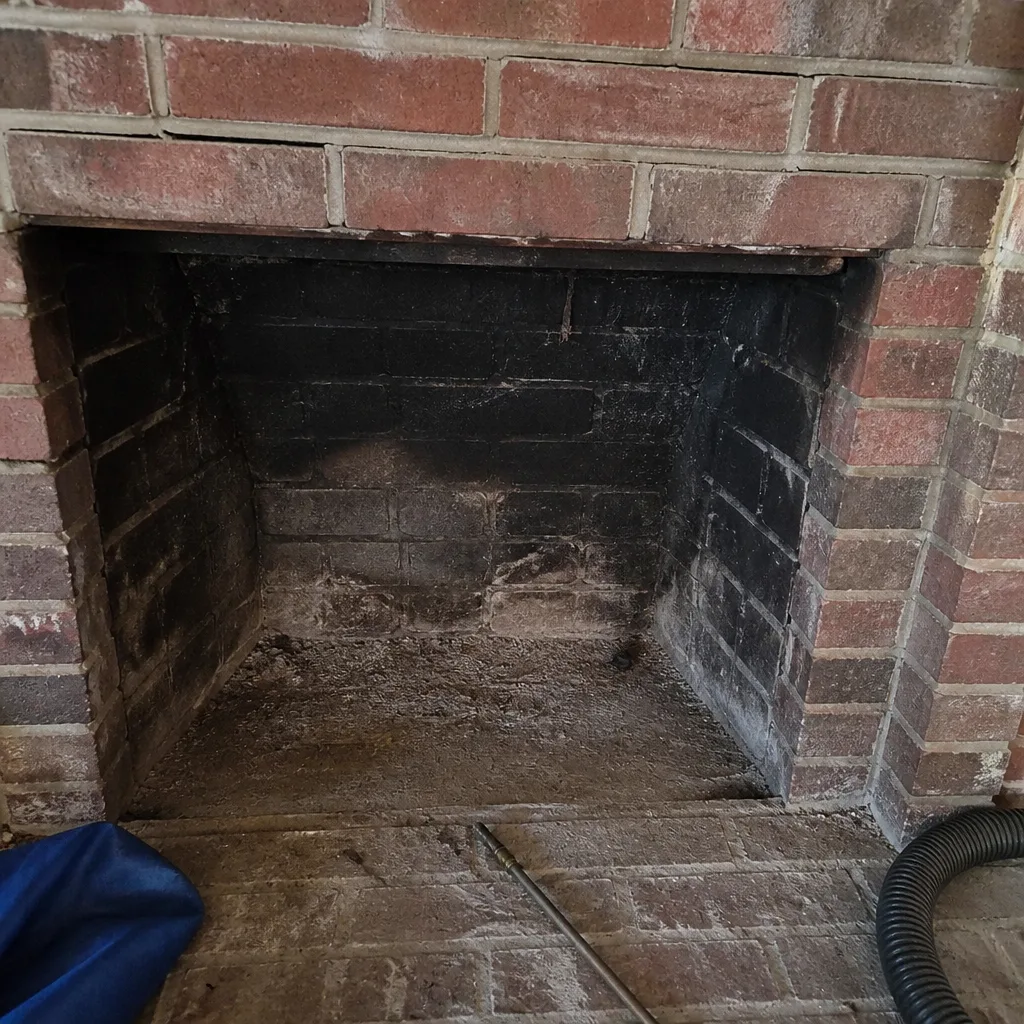 Before
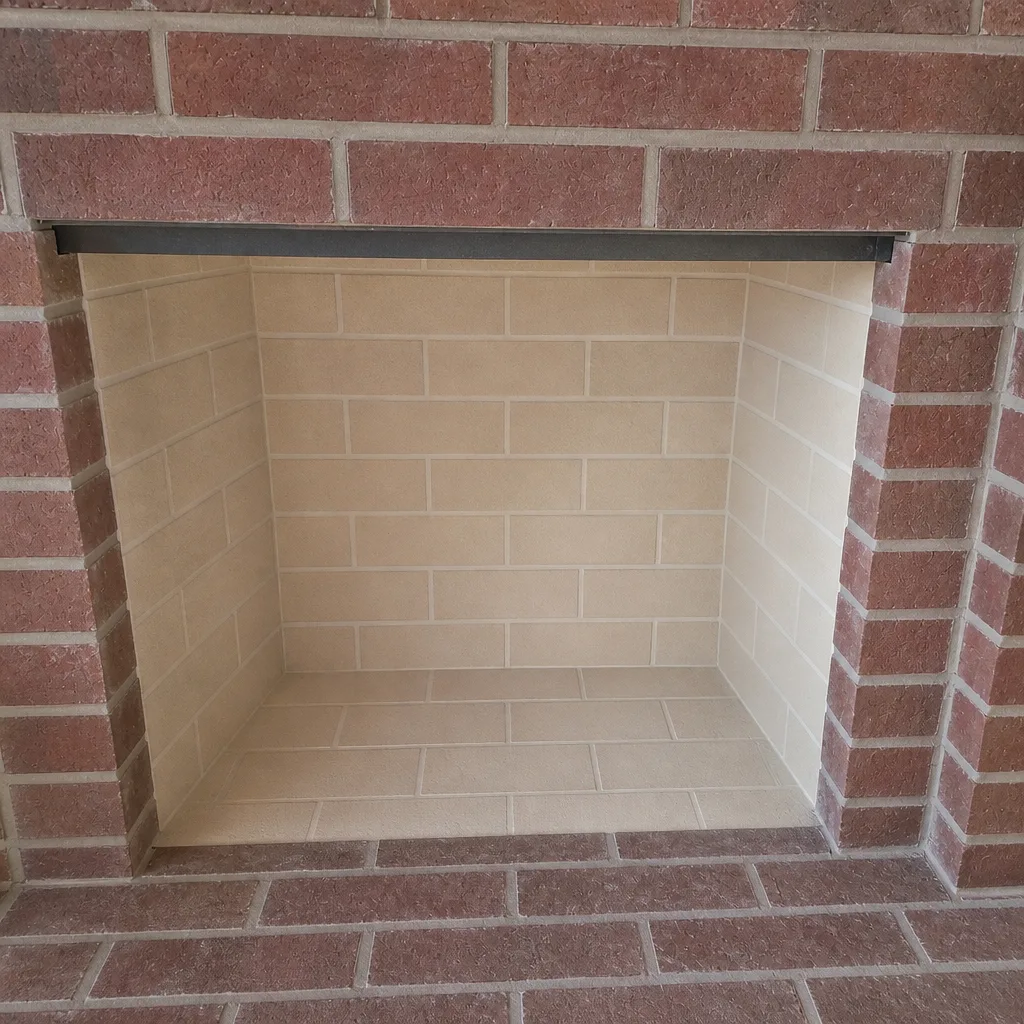 After
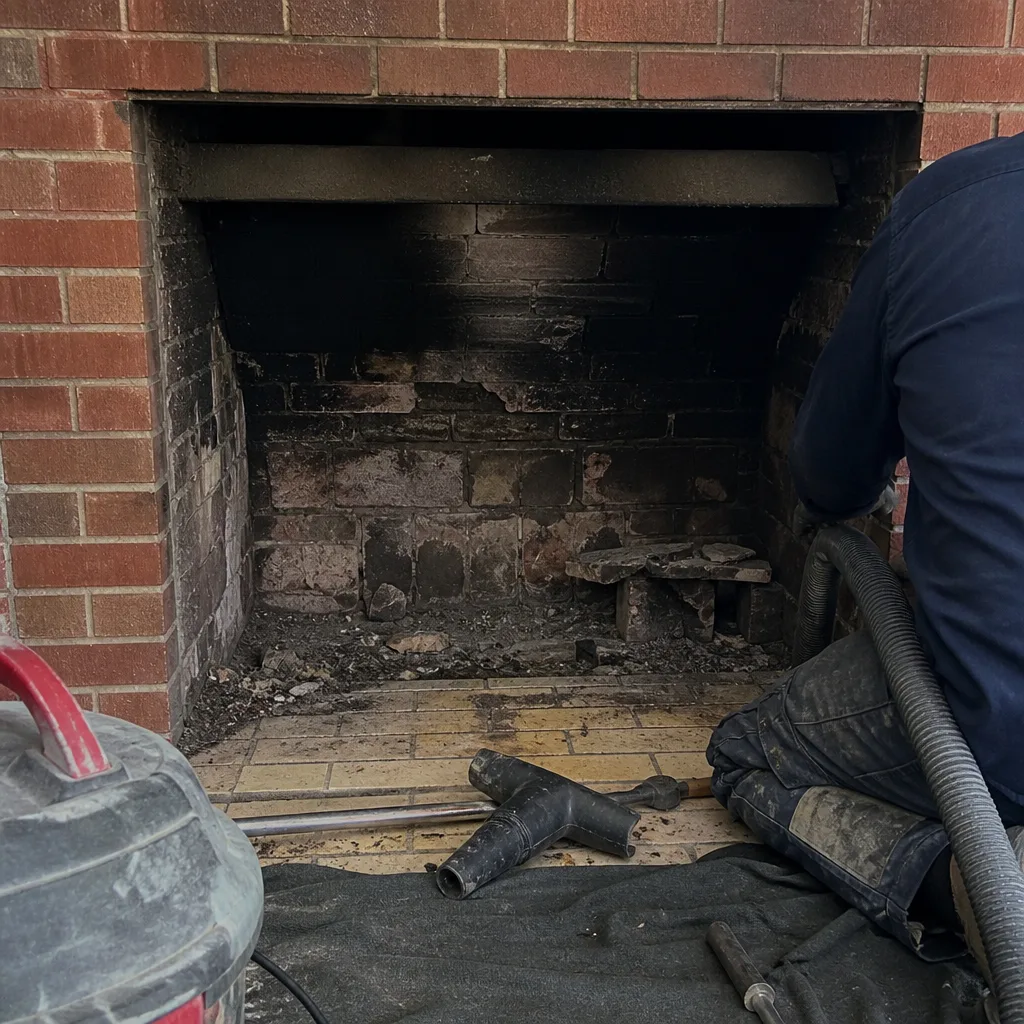 Before
 After
 Before
 After
When to Call a Professional
Call a chimney specialist the moment you see glazed creosote, smell smoke inside the home when the damper is fully open, notice a stain that has appeared or worsened recently, or hear any sound from the flue beyond the usual cold-start ticks. Call sooner if you have ever had a chimney fire, even one that seemed to go out on its own. And call before you pay a general contractor for liner work – matching the repair method to the actual failure is the whole point of hiring a chimney specialist rather than a generalist.
If you’re in Lakeland, the easiest starting point is a proper inspection with a camera we can walk you through. We use trade-grade parts from Olympia Chimney, Gelco and Copperfield, and we’ll repair with HeatShield ceramic resurfacing where the liner surface allows it rather than pushing a full reline. Lakeland Chimney Cleaning offers free estimates in Lakeland – call (844) 410-7138. We answer 24/7. Fast dispatch from 7am to 7pm, Sunday through Friday.
Frequently Asked Questions
A chimney cleaning removes soot and creosote from the flue; an inspection examines the full system – flue, damper, liner, crown, flashing and firebox – to look for damage and wear. The two belong together, and we do both on a single visit so the repair side of the equation isn’t left to a separate appointment. A cleaning without an inspection misses everything the sweep can’t see.
The location of the stain tells you. Staining immediately adjacent to the chimney chase points to the crown or a chase leak coming down from above. Staining displaced from the chase, out onto the ceiling, more often traces to roof flashing where the roof meets the chimney. A camera inspection of the chase interior settles the question either way. Call (844) 410-7138 for an exact quote – estimates are free.
Yes. Glazed creosote is the most combustible form of chimney deposit and it is the one we won’t leave in place. Stage 1 soot can wait for a scheduled sweep; glazed, tar-like deposit cannot. If you can see that shiny coating on the flue wall, stop burning and call. Call (844) 410-7138 for an exact quote – estimates are free.
Efflorescence means moisture has moved through the masonry and deposited mineral salts on the surface. It’s a sign of a water path you’ll want to find and correct, not a sign of mold. Treating it as mold (or ignoring it) lets the water keep damaging mortar joints until repointing is the bigger repair. Inspecting early is cheaper than repairing later. Call (844) 410-7138 for an exact quote – estimates are free.
Sweeping frequency should match how much you burn, so a few fires a year usually means the flue is cleaner than a heavy-burn household’s. But annual inspection is what catches crown cracks, damper wear, flashing leaks and early liner problems in Lakeland’s wet climate, and those appear whether or not you burned all winter. A light-burning year can still produce water-intrusion problems. Call (844) 410-7138 for an exact quote – estimates are free.
That’s usually a damper seal and stack-height issue, not a creosote problem, and the right first step is an inspection, not a sweep. We check the damper, the flue interior and the stack height against the surrounding roof and tell you what we actually see. Nothing is recommended without camera evidence you can see for yourself. Call (844) 410-7138 for an exact quote – estimates are free.
The Bottom Line
Every chimney warning sign has a specific cause, and nearly all of them trace to a specific component – the damper, the crown, the flashing, the liner, or the flue itself. Learning that map turns vague smells and stains into a clear question for a specialist, and it protects you from paying for a repair that doesn’t address the actual failure. In Lakeland’s wet climate, water intrusion and crown wear are as pressing as creosote, and inspecting once a year catches all of it. Our technicians have up to experience, we work only in trade-grade brands like DuraFlex and Olympia Chimney, and we use HeatShield ceramic resurfacing where the liner surface allows it, rather than pushing a full reline. Every job we do is a chimney job. When something on this list turns up in your house, call us and we’ll look.
Ready to check your chimney? Call (844) 410-7138. We answer 24/7. Fast dispatch from 7am to 7pm, Sunday through Friday. Our team will walk you through the inspection findings with camera evidence, or tell you honestly that the repair can wait. Estimates are free.
Written by the team at Lakeland Chimney Cleaning.